Nonprofits

Cesar Chavez Living Schoolyard in East Oakland Supports Health and Wellbeing

Cesar Chavez Living Schoolyard in East Oakland Supports Health and Wellbeing

California Natural Resources Agency

The Cesar Chavez Living Schoolyard project transformed an unshaded asphalt-covered schoolyard into a vibrant, tree-covered, park-like setting in a critically an underserved neighborhood in East Oakland. The site hosts two elementary schools, and their more than 600 students now enjoy a real grass play field, an expanded learning garden featuring an outdoor classroom and fruit orchard, a dry creek, a nature-play zone, as well as pollinator-attracting landscape areas, expanded seating and gathering options, and 65 new trees

Omnitrans ConnecTransit Plan: Planning Public Transit in the San Bernardino Valley

Omnitrans ConnecTransit Plan: Planning Public Transit in the San Bernardino Valley

California Air Resources Board

Omnitrans is working with several partners to develop a community-driven transportation plan for the public transportation system in the San Bernardino Valley. Omnitrans is the public transportation provider for the San Bernardino Valley region. The ConnecTransit Plan will identify and prioritize clean transportation improvements that address hurdles to equity and access within the Omnitrans service area and that will reduce greenhouse gas emissions. The ConnecTransit Plan will provide a blueprint for future implementation projects for which Omnitrans will seek grant funds.

Zero-Emission Transit Vehicles, New Bike Lanes, and Shade Trees In Commerce

Zero-Emission Transit Vehicles, New Bike Lanes, and Shade Trees In Commerce

California Air Resources Board

Thanks to over $3 million from the Sustainable Transportation Equity Project, the City of Commerce has partnered with Climate Resolve and TreePeople to provide more clean transportation options to the city’s residents. Situated in southeast Los Angeles County in an area known for its commercial and industrial operations, Commerce has a history of providing free and reliable public transit service to its residents. 

Sierra Institute High Road to Tribal Forest Restoration and Stewardship

Sierra Institute High Road to Tribal Forest Restoration and Stewardship

California Workforce Development Board

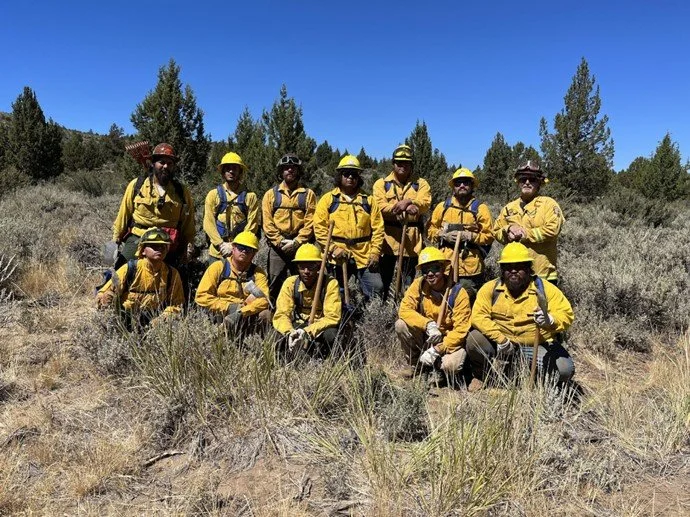
The High Road to Tribal Forest Restoration and Stewardship project provides foundational training and skill building tied directly to work experience in forest health and landscape restoration. Through a partnership between Tribes, nonprofits, and regional employers, the project is working to increase employment opportunities and build capacity for Tribal Forest restoration crews. The project has formally engaged with fourteen Tribes, with training participants from over twenty Tribes.  

Saving San Diego's Last Mixed Conifer Forest

Saving San Diego's Last Mixed Conifer Forest

California Department of Forestry and Fire Protection

A collaborative of landowners led by the San Diego Fire Safe Council and the Resource Conservation District of Greater San Diego County is implementing a landscape-scale restoration project aimed at improving forest health on Palomar Mountain. Forests in San Diego county have experienced heavy losses from catastrophic fires and invasive pest infestations. Now at the home of one of San Diego county’s last mixed conifer forests, project partners are working to ensure Palomar Mountain’s forests are resilient to future wildfires. 

TreePeople Transforms Pacoima Middle School with a Living Schoolyard

TreePeople Transforms Pacoima Middle School with a Living Schoolyard

California Natural Resources Agency

TreePeople is transforming Pacoima Middle School’s asphalt schoolyard into a more green, vibrant and healthy learning space. The Pacoima Living Schoolyards Project will bring native shade trees, shrubs, pollinator gardens, and outdoor nature-based education and play areas.  

New Affordable Housing Opens at Riverside's Mission Heritage Plaza

New Affordable Housing Opens at Riverside's Mission Heritage Plaza

California Strategic Growth Council

72 affordable homes for families and veterans are now available in downtown Riverside. The Mission Heritage Plaza project is a partnership between Wakeland Housing and Development Corporation, the City of Riverside, and Riverside Transit Agency, working to reduce greenhouse gas emissions through transportation mode-shift and construction of affordable housing within the urban core of Riverside. 

Saving Quality Wood Products from Landfills with Habitat for Humanity

Saving Quality Wood Products from Landfills with Habitat for Humanity

The California Department of Resources Recycling and Recovery (CalRecycle) awarded $488,635 of California Climate Investment funds to Habitat for Humanity East Bay/Silicon Valley, Inc. as part of the first cycle of the Reuse Grant Program. This project is diverting wood products from landfills to their ReStore retail stores for reuse by the community. Habitat for Humanity East Bay/Silicon Valley, Inc. is a nonprofit, donation-based collection, and resale operation with three sites in Oakland, Concord, and San Jose, serving the San Francisco Bay Area.

Energy Upgrades for Farmworker Household Brings Safety, Comfort, and $3.00 Energy Bills

 Energy Upgrades for Farmworker Household Brings Safety, Comfort, and $3.00 Energy Bills

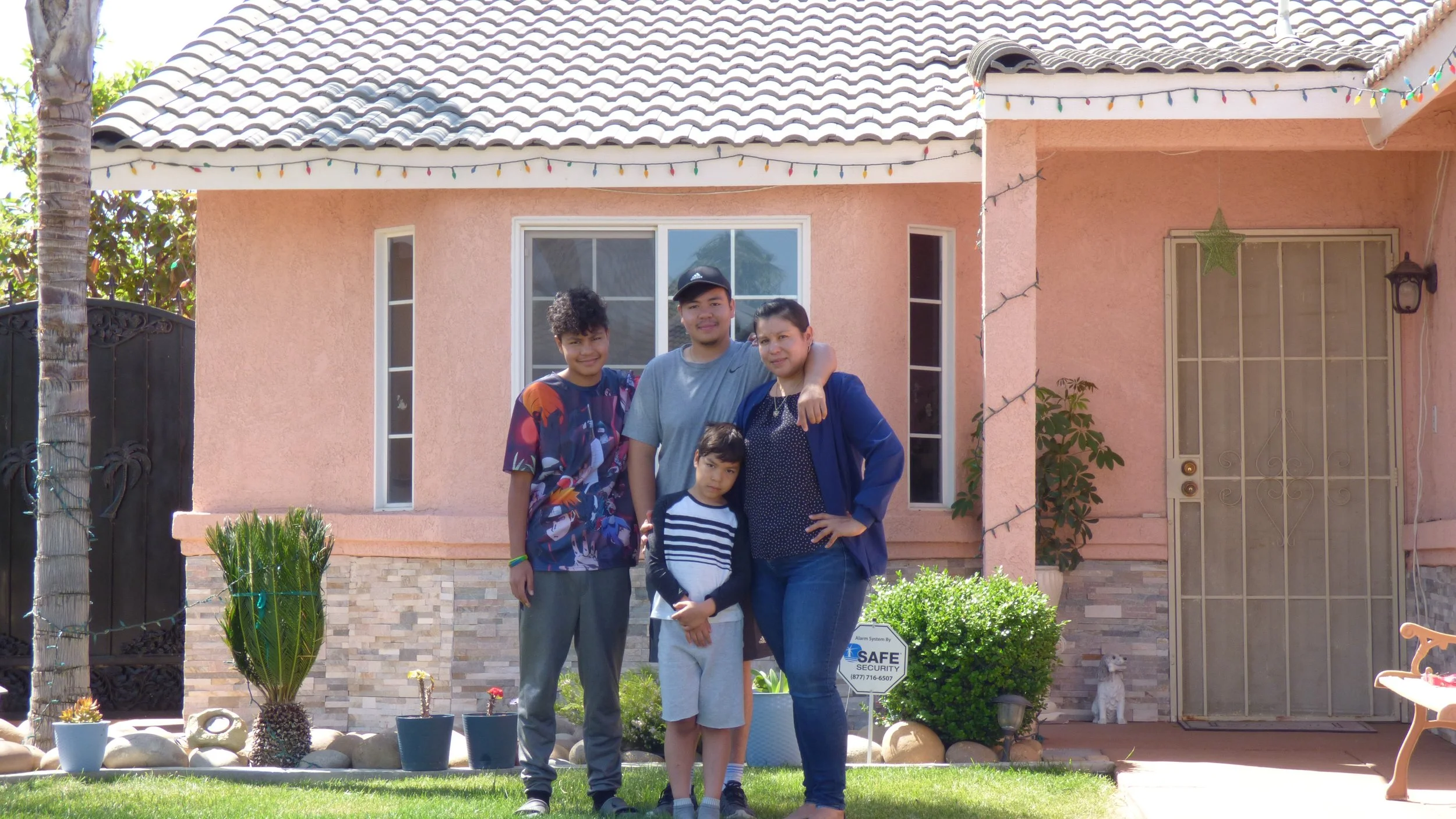
Thanks to funding from California Climate Investments through the Low-Income Weatherization Program (LIWP), Rocio Hernandez and her family reduced their home energy costs by installing a new rooftop solar system and energy efficiency upgrades. At first, Mrs. Hernandez thought the referral flyer her husband brought home after work as a seasonal farmworker during the grape harvest in Delano was too good to be true. A local farmworker agency provided information about the LIWP Farmworker Housing Component, a California Climate Investment program focusing exclusively on the installation of energy efficiency measures and solar photovoltaics (PV) to reduce greenhouse gas emissions for farmworker households at no cost.

Fuel Cell Electric Trucks Reduce Air Pollution Throughout the Central Valley

Fuel Cell Electric Trucks Reduce Air Pollution Throughout the Central Valley

California Air Resources Board

Thanks to $12 million from the Advanced Technology Demonstration and Pilot Projects and $29 million in match funding from multiple project partners, the NorCAL Zero-Emission Regional and Drayage Operations with Fuel Cell Electric Trucks (NorCAL Zero) Project will support the largest commercial deployment of Class 8 hydrogen-powered fuel cell trucks in the country. These zero-emission trucks will improve the air quality of communities between Oakland and Bakersfield by displacing diesel-fueled trucks that emit harmful air pollutants.

Supporting Adaptation and Resilience Planning in the City of Morro Bay

Supporting Adaptation and Resilience Planning in the City of Morro Bay

Using a $65,000 grant awarded under the Coastal Resilience Planning program, the City of Morro Bay engaged with its community to update the City’s Land Use Plan, the first step to updating its Local Coastal Program to include updated adaptation strategies and land use policies that will protect coastal infrastructure and provide resilience to future coastal hazards.

Building the Capacity of a Food Rescue and Distribution Network in Fresno

Building the Capacity of a Food Rescue and Distribution Network in Fresno

California Department of Resources Recycling and Recovery

The non-profit Fresno Metropolitan Ministry (Fresno Metro), in partnership with the Central California Food Bank, is using a $300,000 grant from the Food Waste Prevention and Rescue Grant Program to expand their capacity to rescue and distribute more edible food through their Food to Share program. Over the grant term, Fresno Metro will add 20 new food recovery school sites from Fresno Unified and Central Unified School Districts, set up 5 new food distribution sites at local community-based organizations, and increase direct food recoveries by adding 2 new retail locations and 6 urban gleaning sites.

Studying the Public Health Effects of Increased Prescribed Burns for Wildfire Management

Studying the Public Health Effects of Increased Prescribed Burns for Wildfire Management

California Department of Forestry and Fire Protection

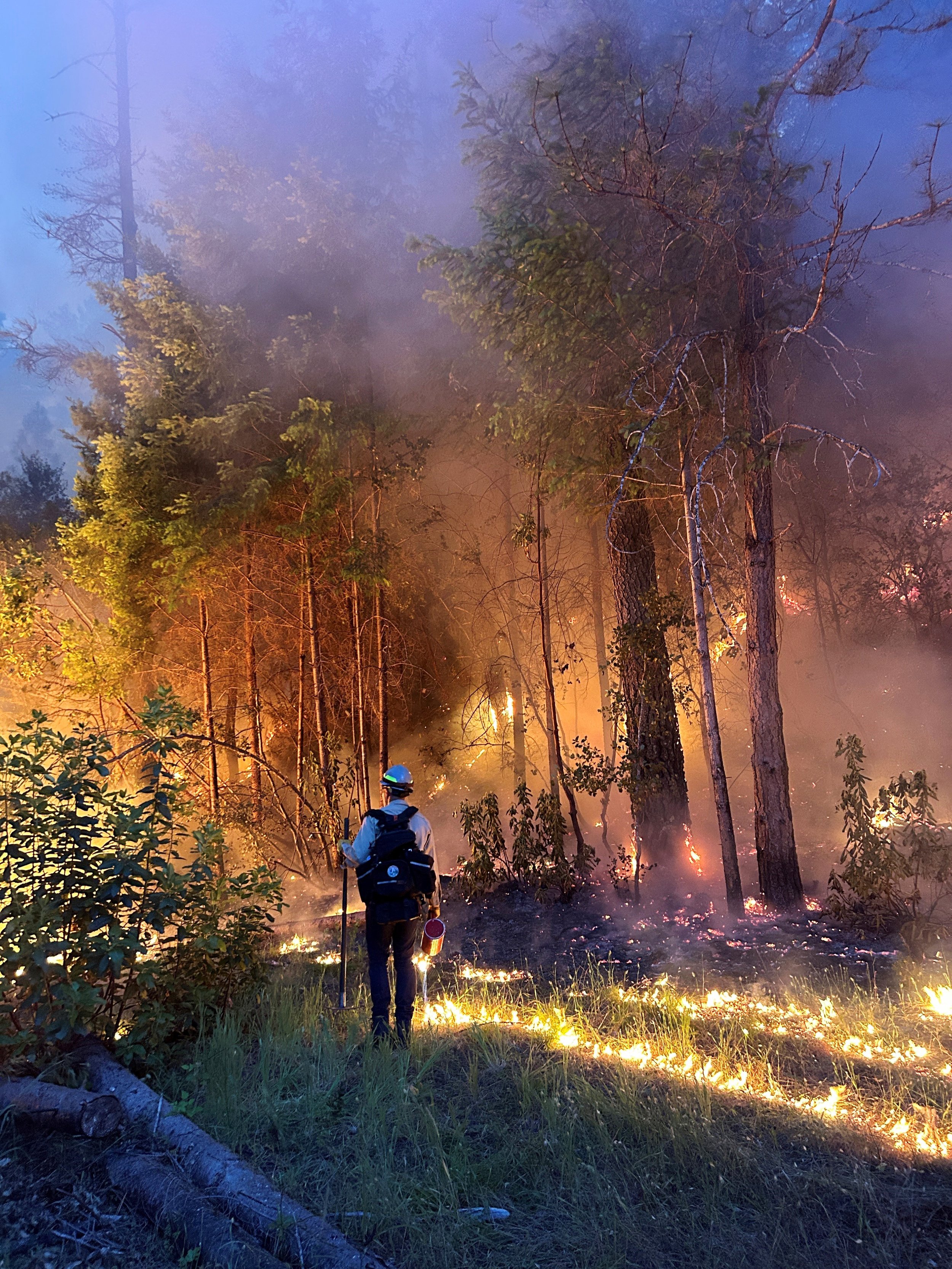
Supported by a $500,000 grant from the Forest Health Research Program, the Sequoia Foundation, in partnership with the California Department of Public Health and others, is investigating the impacts of increasing prescribed fire on air quality and public health outcomes. Although prescribed fire plans are designed to limit air quality impacts to communities, they still produce some level of smoke. In this project, this interdisciplinary team will collect information that can help minimize the impacts of this smoke through a combination of smoke modeling, exposure assessment, health analysis, and community engagement.

Community Outreach and Education through the Clean Air Ambassador Program

Community Outreach and Education through the Clean Air Ambassador Program

Supported by $2.4 million from a $23 million Transformative Climate Communities implementation grant, a coalition of community members, non-profits, and public-sector agencies called Green Together, is working to build a new generation of air quality ambassadors in the Pacoima and Sun Valley communities of the San Fernando Valley. The Clean Air Ambassadors Program, established as part of the Green Together Community Engagement Plan, trains community youth organizers through workshops covering air quality monitoring, health, climate change and air pollution. Through the program, ambassadors learn how to collect and interpret data using scientific tools to measure local particulate matter pollution. Ambassadors also learn how to communicate air pollution principles and advocate for data-informed clean air solutions. In 2021, the Clean Air Ambassadors Program hosted its inaugural class of youth leaders.

Supporting Energy Efficiency and Clean Energy Generation in Multi-Family Farmworker Housing

Supporting Energy Efficiency and Clean Energy Generation in Multi-Family Farmworker Housing

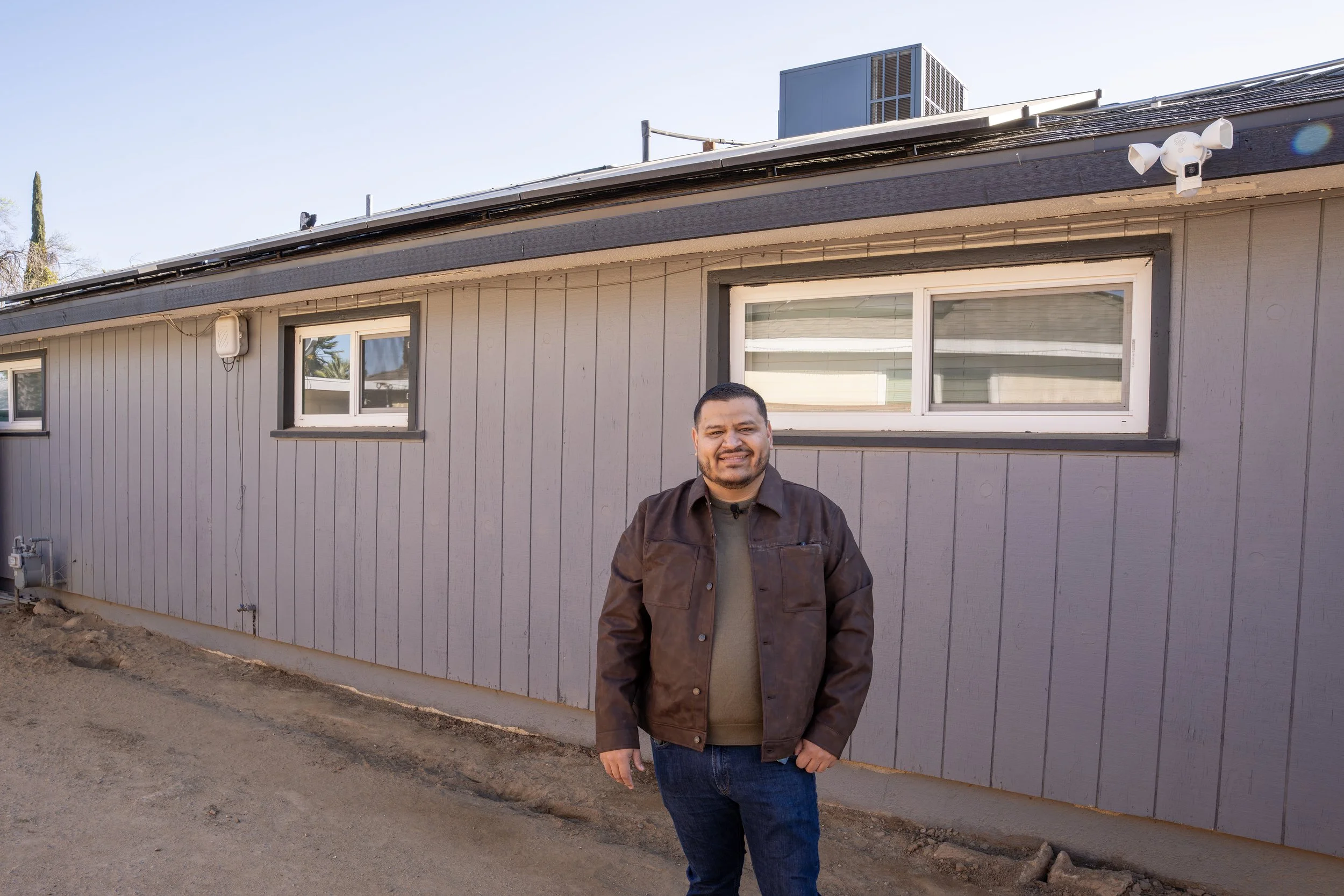
People’s Self-Help Housing was awarded over $630,000 from the Low-Income Weatherization Program’s Multi‑Family Energy Efficiency and Renewables program to invest in the health and well-being of its low-income farmworker community in Santa Maria, known as Los Adobes de Maria. The homes of the 65 farmworker families living in Los Adobes de Maria will receive energy efficiency upgrades that will reduce energy consumption and lower their bills.

Collecting Air Quality Data to Improve Community Health in Eastern San Francisco

Collecting Air Quality Data to Improve Community Health in Eastern San Francisco

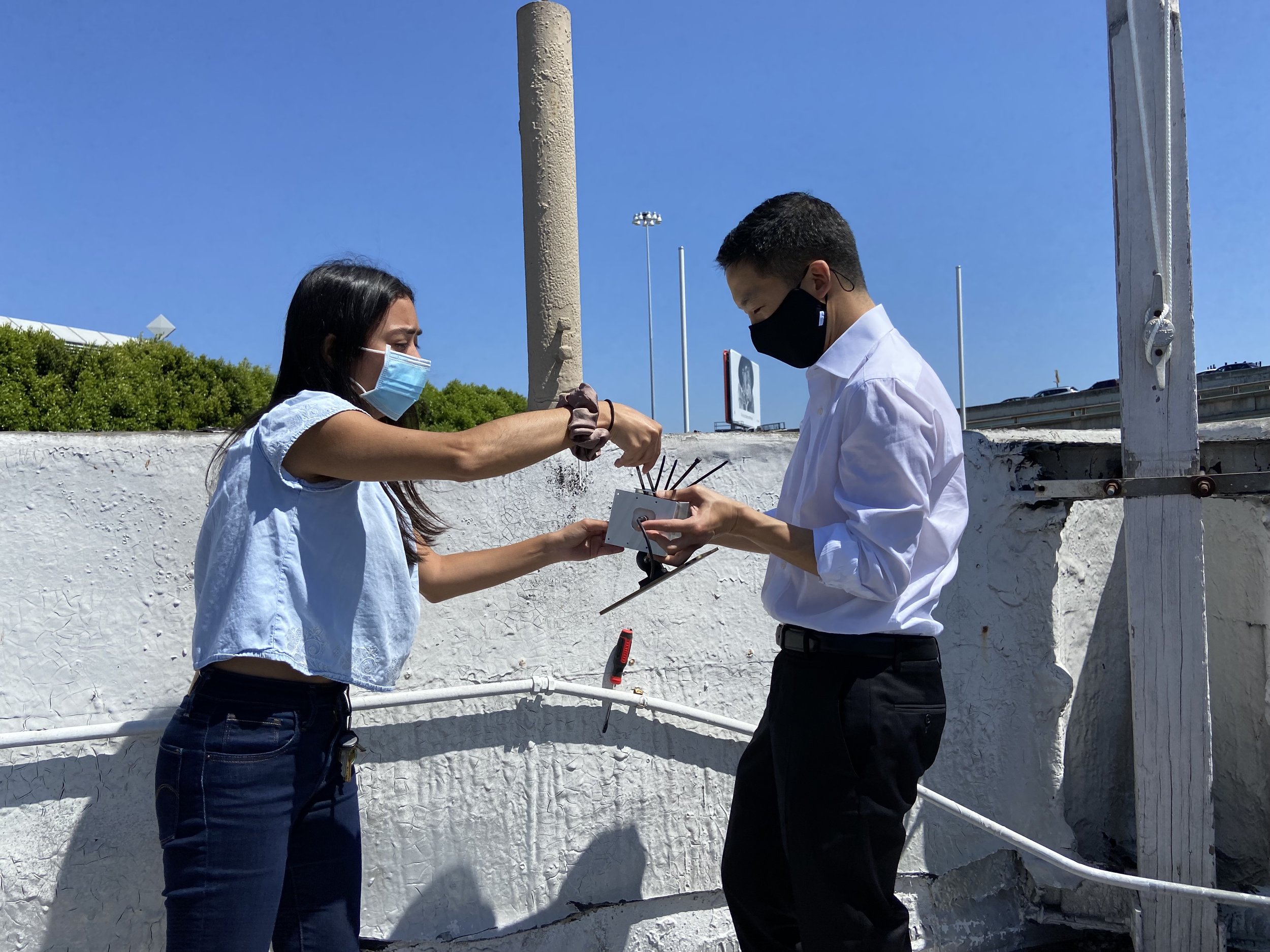
Brightline Defense, an environmental justice nonprofit organization, was awarded $300,000 from the Community Air Grants program to support the Brightline Air Quality Monitoring Program. This community-driven program that will install, collect, and analyze data from 15 stationary air quality sensors in heavily populated, low-income communities throughout Eastern San Francisco. The data these sensors collect are publicly available and can be used to help shape programs and policies to create cleaner air in these communities.

Launching a New Capacity Building and Community Empowerment Project

Launching a New Capacity Building and Community Empowerment Project

The Partners Advancing Climate Equity (PACE) pilot program is a capacity-building program administered by the California Strategic Growth Council and funded by the Greenhouse Gas Reduction Fund. The year-long pilot program began in 2021 and supported 22 participants – all local leaders deeply rooted in their communities across the state – and sought to increase their ability to advance equitable and community-driven climate solutions.

Climate Resilience Planning for Key Sacramento River Watersheds

Climate Resilience Planning for Key Sacramento River Watersheds

Supported by $400,000 from the Climate Adaptation and Resiliency Program, a coalition of federal, academic, non-profit and private organizations has developed a modeling tool to enhance climate adaptation and resilience planning in five Sacramento River watersheds. These watersheds provide the vast majority of California’s utilized water and over 80 percent of the freshwater to San Francisco Bay. By estimating the ecological returns of conservation and restoration efforts, the modeling tool will help determine what future actions and investments would best restore and protect the health of this important region.

Supporting Families with Affordable Housing

Supporting Families with Affordable Housing

Supported in part by nearly $23 million award from the Affordable Housing and Sustainable Communities Program, Resources for Community Development (RCD) will provide 87 affordable rental homes in the city of Berkeley through the Maudelle Miller Shirek Community project. In addition to large, family-sized apartments and permanent supportive housing for formerly homeless residents, the ground floor of the building will become the headquarters of Healthy Black Families, Inc., a South Berkeley-based nonprofit dedicated to the health of Black families in the community. This project will help Black families and formerly homeless individuals live healthier lives and receive health services through on-site programs and services offered by Healthy Black Families, Inc.,, RCD’s resident services, and the City of Berkeley Mental Health department and third-party service providers.

New Community Composting Program Sequesters Carbon While Providing Local-Level Benefits

New Community Composting Program Sequesters Carbon While Providing Local-Level Benefits

The California Alliance for Community Composting (Alliance)is helping community groups develop or expand 50 community composting sites in disadvantaged and low-income communities across California using funds from the Community Composting for Green Spaces Grant Program. Altogether, these sites are expected to prevent nearly 11,000 tons of organic waste from going to landfills by creating compost, which prevents the release of greenhouse gases during its decomposition. The Alliance’s work will also provide communities with additional benefits, including free compost, job training, and more.