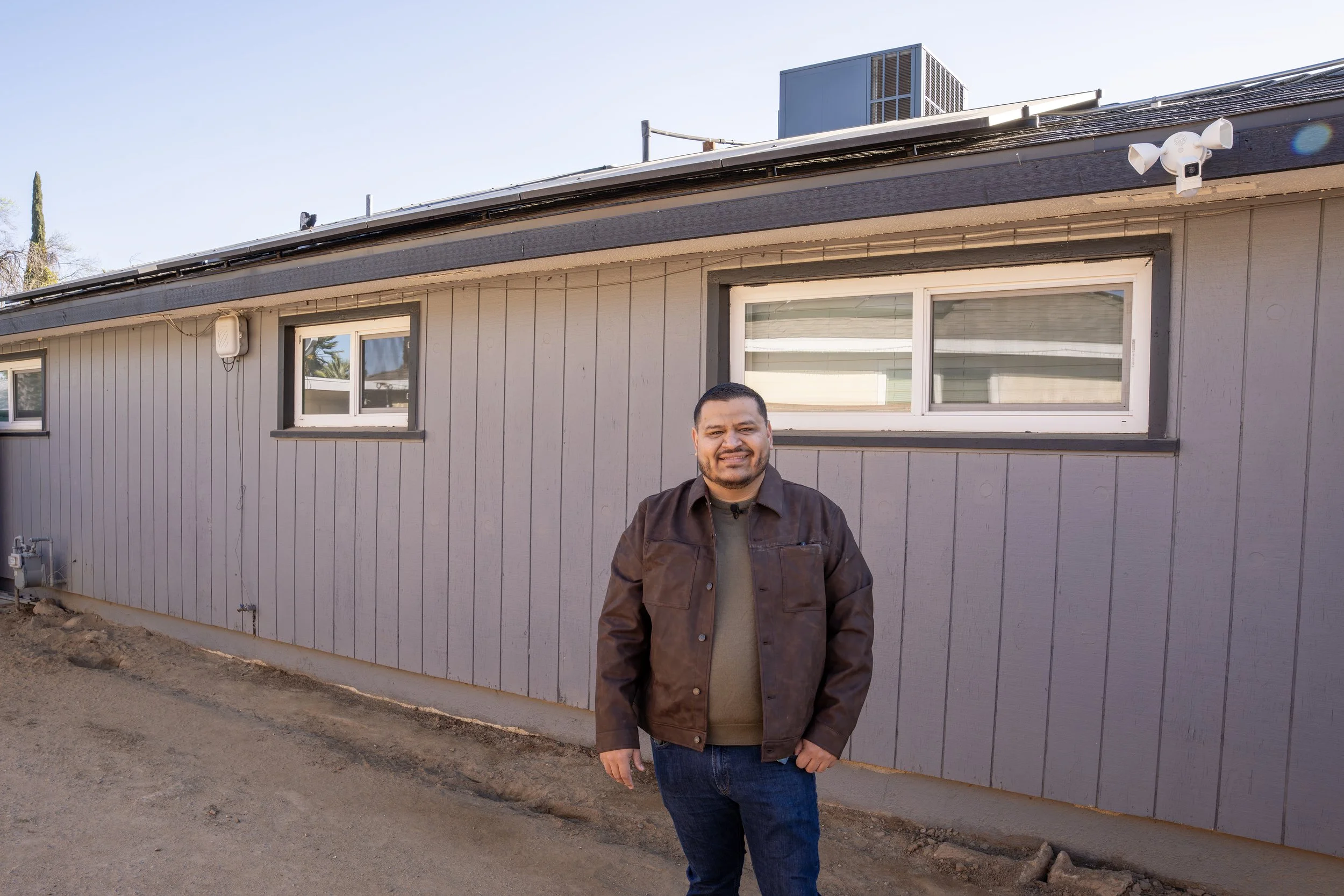
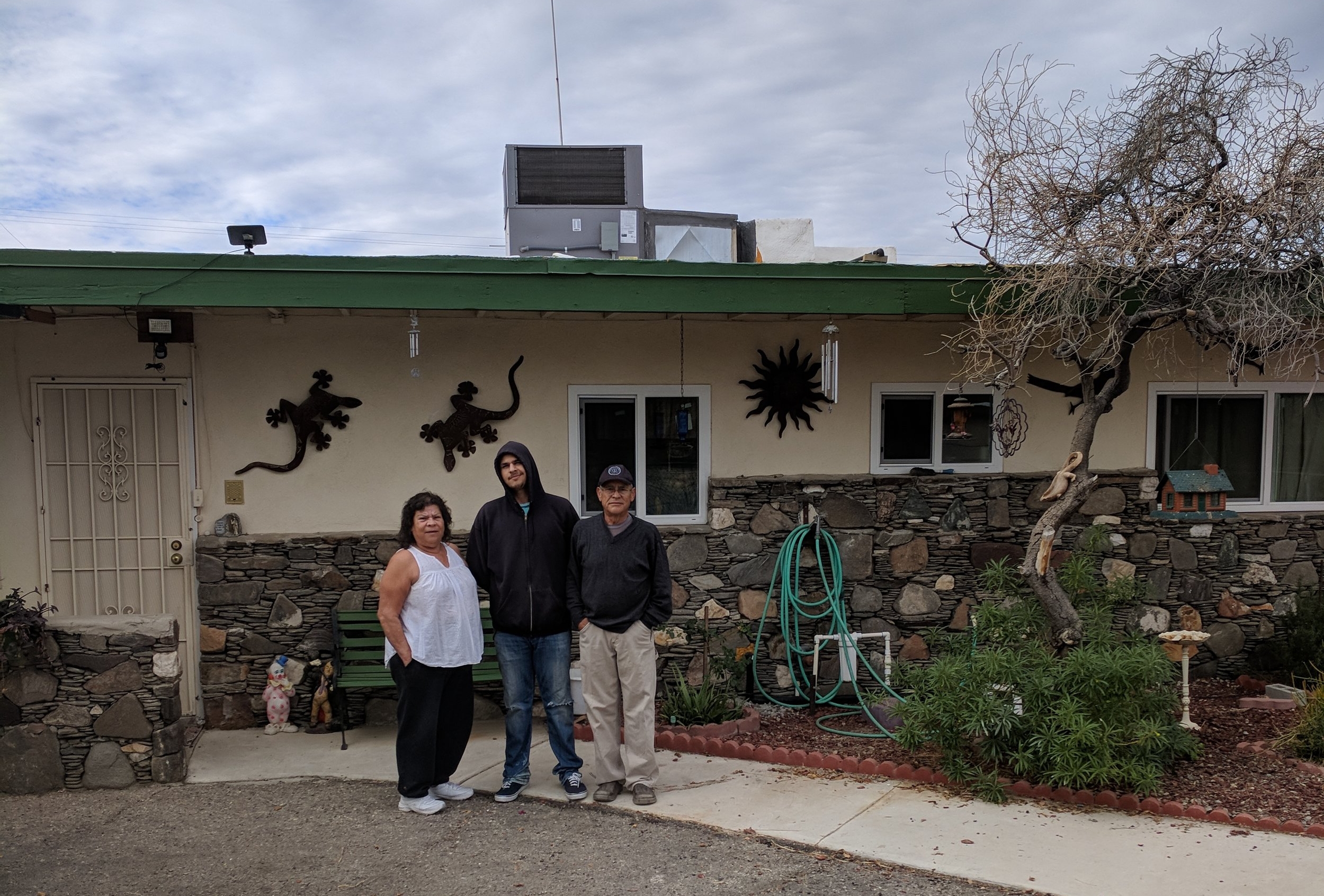
For years, Irma Vargas’ family of four struggled to pay the high utility bills that come with living on the north shore of the Salton Sea in Mecca while still maintaining a comfortable and healthy home for their children. The family’s limited income made the $400 per month bill nearly impossible during the summer months when temperatures can exceed 110°F in their Riverside County community.
Free Transit Helps Students DASH to Class
The City of Los Angeles Department of Transportation (LADOT) is providing free, safe, and reliable transportation to students across Los Angeles. The “DASH to Class” program allows all K-12, college, and vocational students with a Student Reduced Fare pass to ride free on LADOT Transit’s DASH buses—even for non-school related trips.
Free and Reduced Price Fares Increase Low-income Transit Ridership to Yosemite
Discounted Student Passes Expand Higher-Education Transit Access in North San Diego
Visalia-Fresno Shuttle Serves Students, Travelers, and Residents
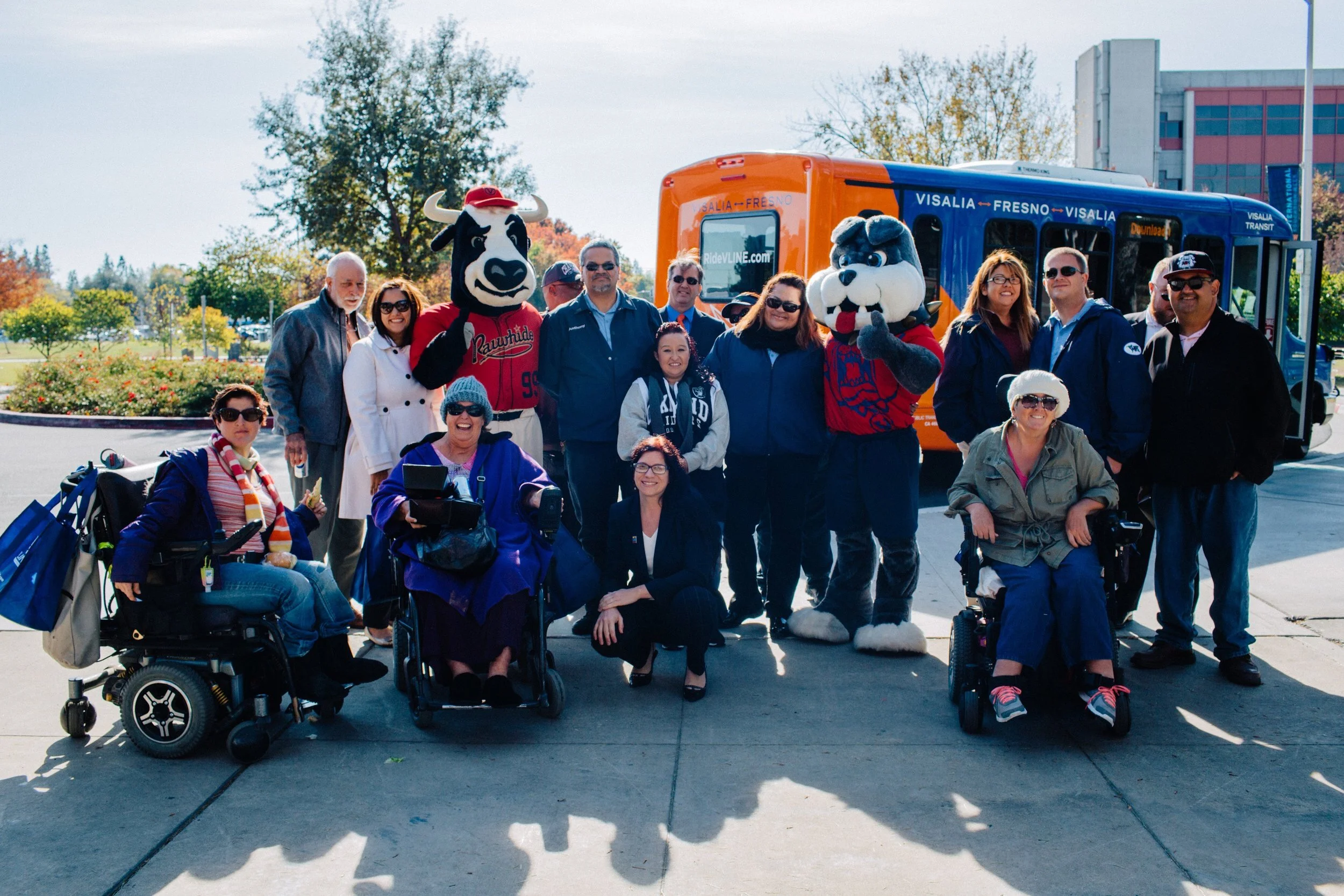
Deep in California’s Central Valley, the small City of Visalia took a big step when it started its Visalia-Fresno Shuttle Project in November 2015. The five-stop “V-line,” part of the Visalia Transit system, has a stop for everyone – students headed to Fresno State University, travelers bound for Fresno Yosemite International Airport, even visitors off to see Fresno’s leafy Courthouse Park.
High-Speed Rail Construction Prioritizes Jobs and Sustainability
The High‑Speed Rail Authority is responsible for planning, designing, building and operating the first high‑speed rail in the nation. When complete, it will run from San Francisco to the Los Angeles basin in under three hours, providing a clean alternative to driving or flying. Funded in part by California Climate Investments, the project is already contributing to economic development and a cleaner environment, creating jobs, and preserving agricultural and protected lands.
High-Speed Rail Project Prioritizes Co-Benefits and Sustainable Construction Practices
High-Speed Rail Grade Separation in San Mateo Helps to to Alleviate Congestion
The California High-Speed Rail Authority, the city of San Mateo, and the Peninsula Corridor Joint Powers Board are creating a grade separation project at East 25th Avenue, which will raise the Caltrain tracks and slightly lower East 25th Avenue in San Mateo, reducing idling traffic and air pollution, and improving safety.
High-Speed Rail Project Provides Job Training and Career Advancement Opportunities
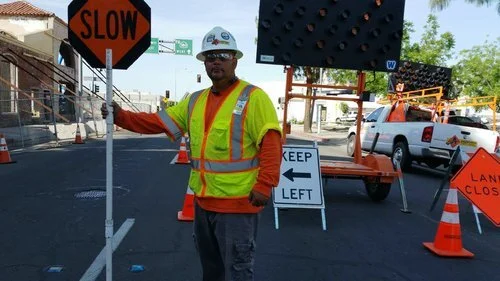
Fernando Madrigal, Jr. personifies the opportunities associated with high-speed rail. After 12 years of service with the Marine Corps, Fernando found work as a security guard. He then signed up for a 10-week training program sponsored by PG&E to introduce workers to the various constructions trades.
Pre-Apprenticeship Training Student Lands Job on High-Speed Rail
Rebuilding Healthy Soil on the Urban Edge of Chico
Pamela Posey of Harpos Organics is revitalizing soil health on two acres of walnut trees that have been farmed for more than 40 years. Since her December 2017 purchase of the property, located on the urban edge of Chico, California, Posey has managed the land using healthy soil management practices. In her quest to restore the property from the ground up, Posey turned to the Healthy Soils Program and received a $8,860 grant from California Climate Investments with a $1,500 cost share to achieve her goals of improving the health of the soil and providing increased biodiversity.
Cultivating Healthy Soil Practices in Chico
Chico Flax LLC developed its healthy soils project in collaboration with California State University and the Chico Department of Agriculture to use the 3.75-acre parcel as a regional prototype of sustainable flax production. They coupled the $10,700 grant funds from CDFA with a $5,000 cost-share to implement the three-year healthy soils project.
Cover Crop and Reduced-Till Projects Build Healthy Soils
Charlie Starr grows wine grapes in San Joaquin County. In the past few years, he has been thinking about how to reduce nutrient leaching to groundwater and agricultural dust in the air. The state Healthy Soils Program provided him with the financial incentives to implement conservation management practices on his farmland. His project includes “Cover Crop” and “Reduced-Till.”
Microgrid Brings Efficiency and Resilience to Food Processing Facility in Coachella
Raisin Processing Facility in Kingsburg Benefits from Energy Efficiency Upgrades
Replate, Inc. Matches Surplus Food with Communities in Need
Food Waste Prevention and Rescue in Alameda County
Expanding the Wholesale Produce Market Recovery Program in Los Angeles
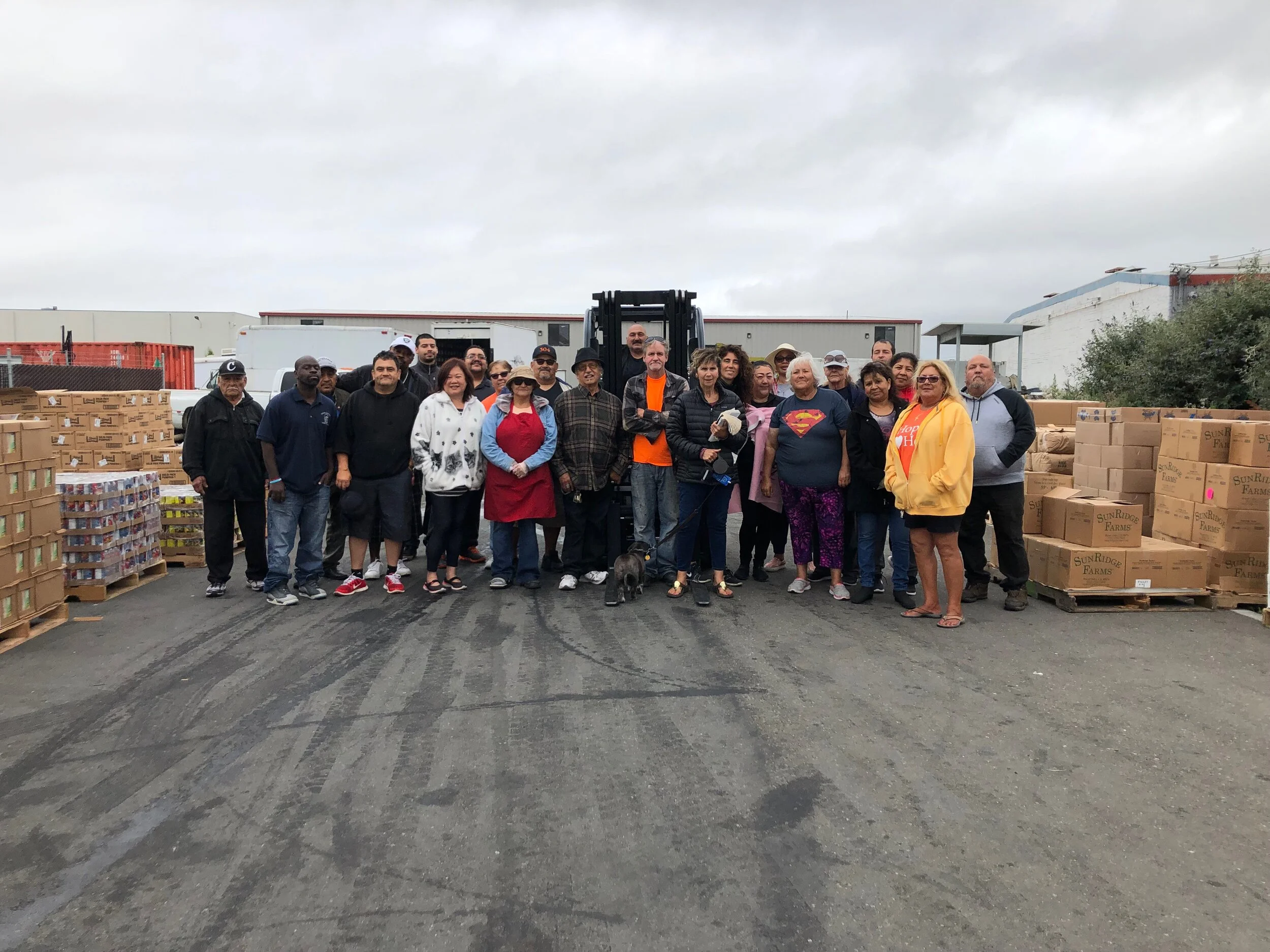
Food Forward, which recovers produce and makes it available to hunger relief agencies in eight southern California counties, is expanding its Wholesale Produce Market Recovery Program. With the help of California Climate Investments, Food Forward will open a new “Produce Depot” near the wholesale produce market in downtown Los Angeles and double its food recovery capacity. In addition to fighting food insecurity in southern California, the project will benefit disadvantaged communities and the environment by supporting jobs and combating climate change.
Suppressing Wildfire with Fuel Breaks in Elk Creek and Stonyford
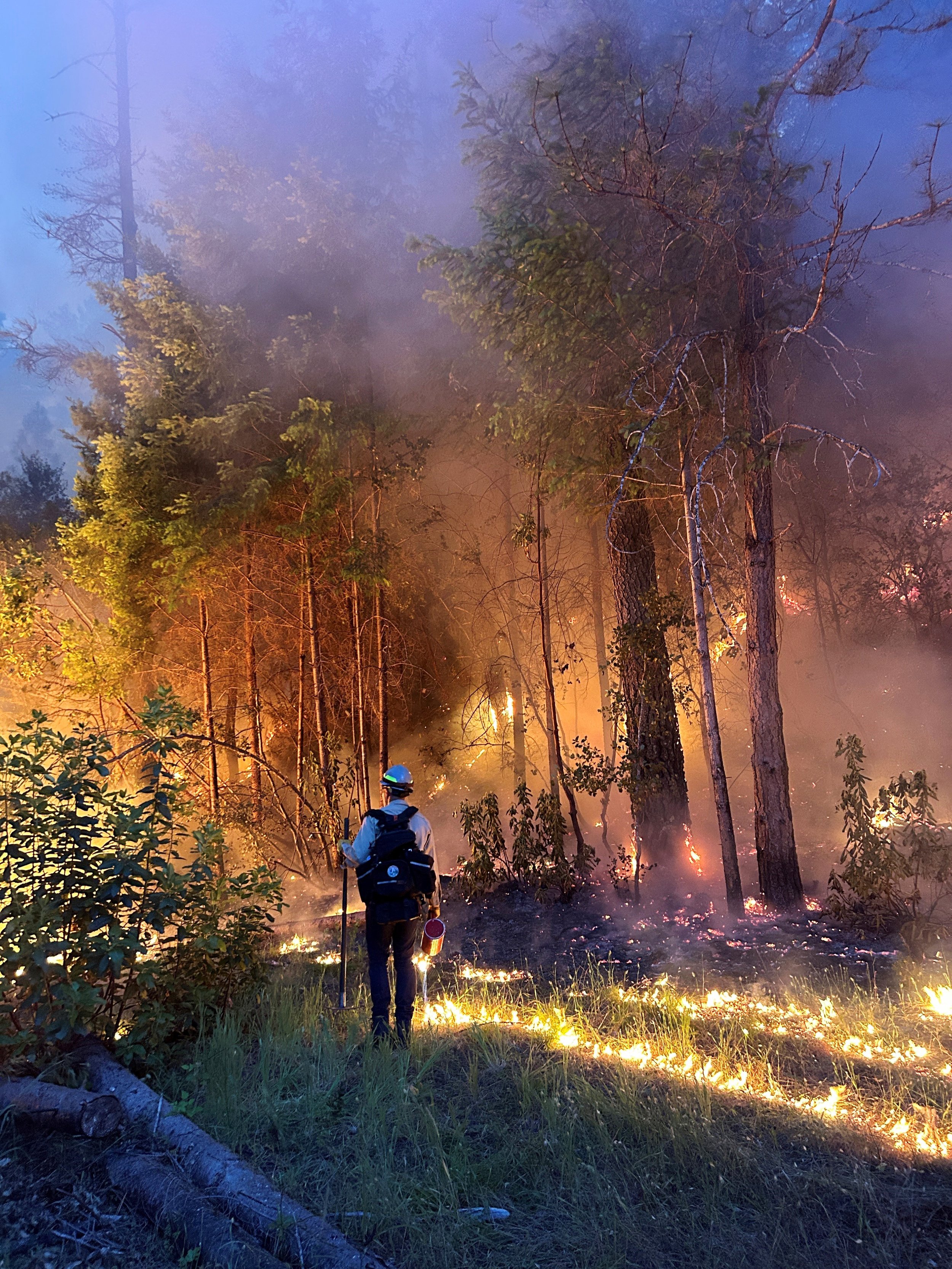
The Elk Creek Fuel Break, one of the 35 emergency fuel reduction projects prioritized in the Governor’s 2019 Community Wildfire Prevention and Mitigation Report, was completed in part with $325,000 in California Climate Investments funds. California Department of Forestry and Fire Protection implemented the project to protect lives, property, and valuable agricultural resources in the communities of Elk Creek and Stonyford, which are adjacent to the Mendocino National Forest. During the 2020 Butte/Tehama/Glenn Lightning Complex Fire, the Elk Creek Fuel Break helped contain the fire with eight miles of fire line.
Driving Clean Financing Assistance Program
The Community Housing Development Corporation, a community‑based organization in Richmond, received over $6.5 million from California Climate Investments for a pilot project to assist with the purchase of newer, cleaner cars in low‑income households in Sacramento and the Bay Area. The pilot project, known as Driving Clean Assistance Program, provides up to $5,000 for hybrid or plug‑in electric vehicle price buy‑down and up to an additional $2,000 for electric vehicle service equipment. The pilot enables low‑income individuals and families, who would otherwise not qualify for a loan due to credit challenges, to obtain a loan at competitive rates. This transformative initiative includes credit counseling, budget counseling, and financial education.