
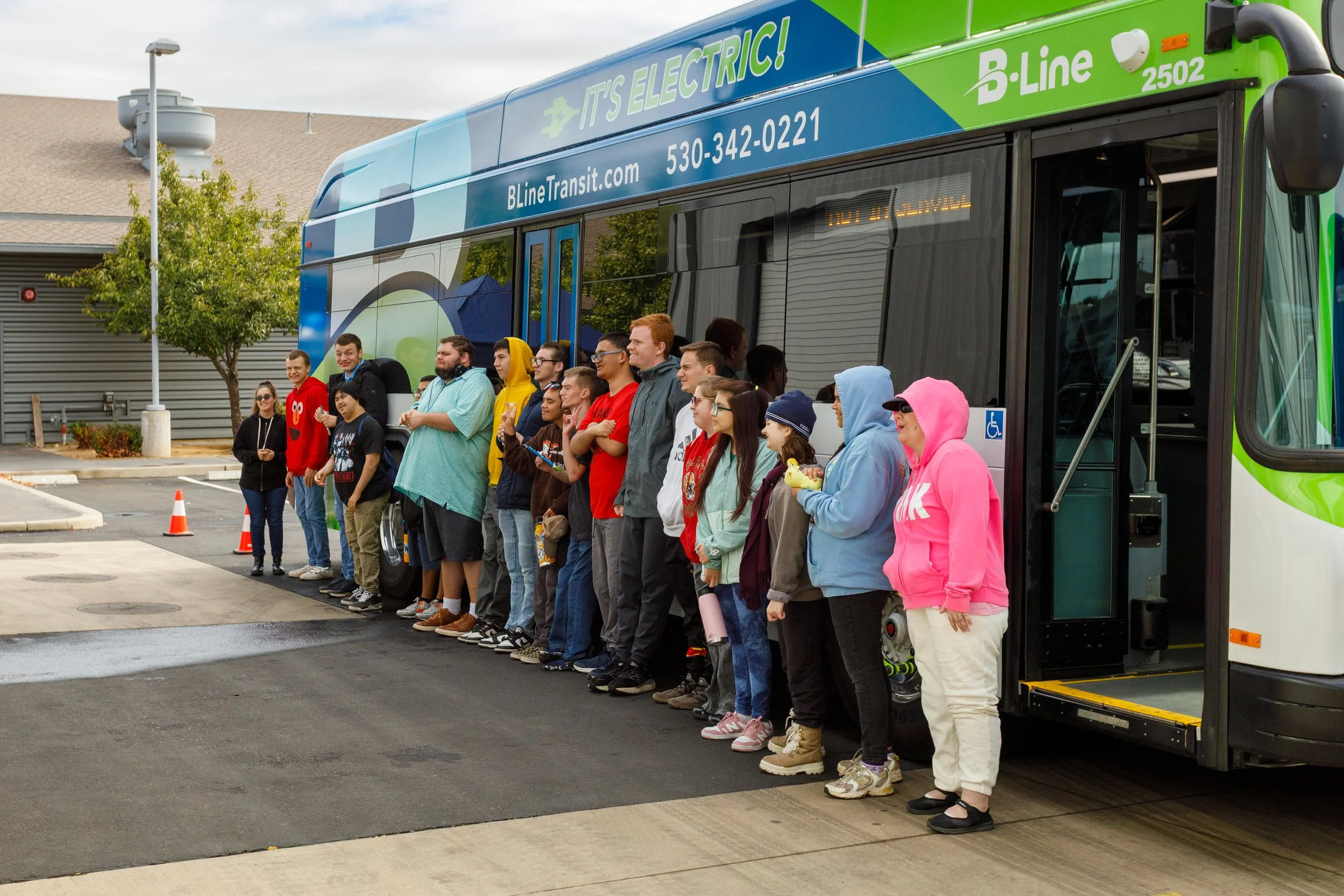
Agencies that administer California Climate Investments programs must avoid burdens to priority populations. The following draft resources help support agencies in meeting this requirement.
Many communities across California encounter disproportionate climate risks, environmental and health hazards, and lower capacity to adapt to climate change. Equity and environmental justice must be centered in every policy, program, and project, ensuring that climate solutions do not increase burdens for disadvantaged and low-income communities, particularly communities of color and California Native American Tribes.
California Climate Investments released draft guidance and resource pages to help administering agencies avoid burdens. All resources on this page are open for public comment until September 15, 2026. Submit feedback to ggrfprogram@arb.ca.gov.
Explore the following resources to learn about recommendations and examples for avoiding burdens
Definition of Burden or Harm
For California Climate Investments, burden or harm is defined as the collection of adverse impacts to a region, community, household, culture, or environment resulting from the implementation of a climate program. Adverse impacts may be newly introduced or may continue or worsen existing inequities or patterns of injustice, including public health, social, cultural, economic, or environmental injustice. A burden or harm can be direct or indirect, and exists across time, beginning at the planning of a proposed project or the application process, and extending past direct implementation, towards long-term impacts.
The terms burden and harm are used interchangeably within the context of California Climate Investments.
Supplemental Guidance
CARB developed draft Supplemental Guidance to support administering agencies in implementing the avoiding burdens requirement of the Funding Guidelines.

Draft Supplemental Guidance to Avoid Substantial Burdens or Harms to Priority Populations
A three-phase approach to identify and avoid burdens with recommended strategies for implementation.
The three phases are:
Identify Potential Burdens
Develop Strategies to Avoid Burdens
Evaluate Outcomes and Identify Improvements
Supporting Resources for Avoiding Burdens
CARB developed draft supporting resources to aid in identifying and avoiding burdens in program design and project selection for each phase of the guidance. Follow the links in each phase to explore the resource pages.
Phase 1: Identify Potential Burdens
1.1. Preparing for Public Participation
Recommended actions to prepare for meaningful engagement with communities, an important approach for avoiding burdens.
1.2. Guiding Ethical Frameworks for Avoiding Burdens
Summary of three ethical frameworks with questions to assist administering agencies in determining if a program or project action may avoid or cause burden.
Phase 2: Develop Strategies to Avoid Burdens
2.1. Examples of Burdens and Avoidance Strategies
Summary of the burden examples listed in the supplemental guidance with examples of strategies to avoid them.
Phase 3: Evaluate Outcomes and Identify Improvements
3.1. Examples of Root Causes of Burdens and Potential Solutions
Summary of root causes, their impact, and recommended solutions to address them. Identifying root causes and solutions can help address recurring burdens that have been difficult to avoid.
Note: The recommendations in Phase 3 may also apply to Phase 1
Program Highlights
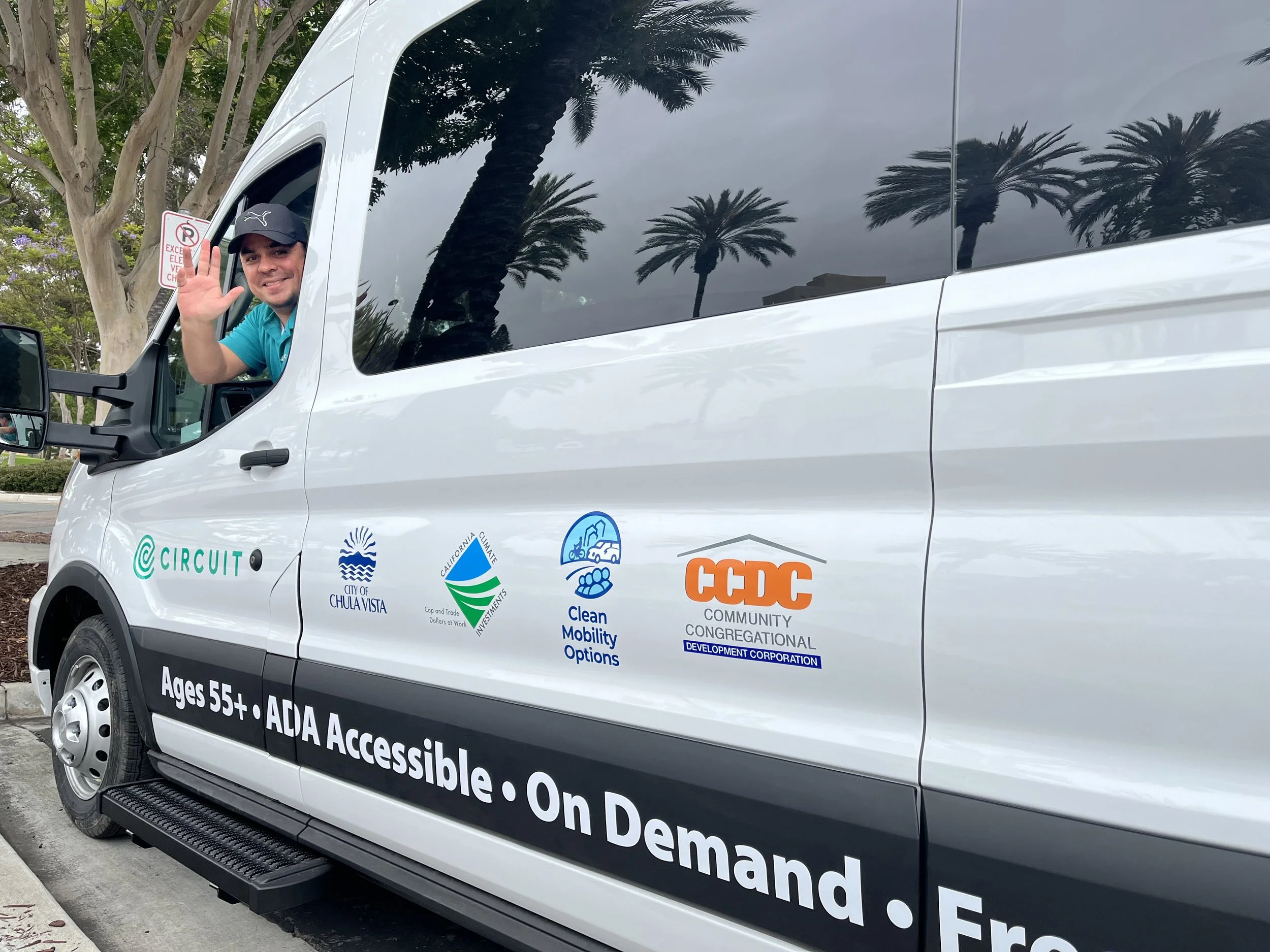
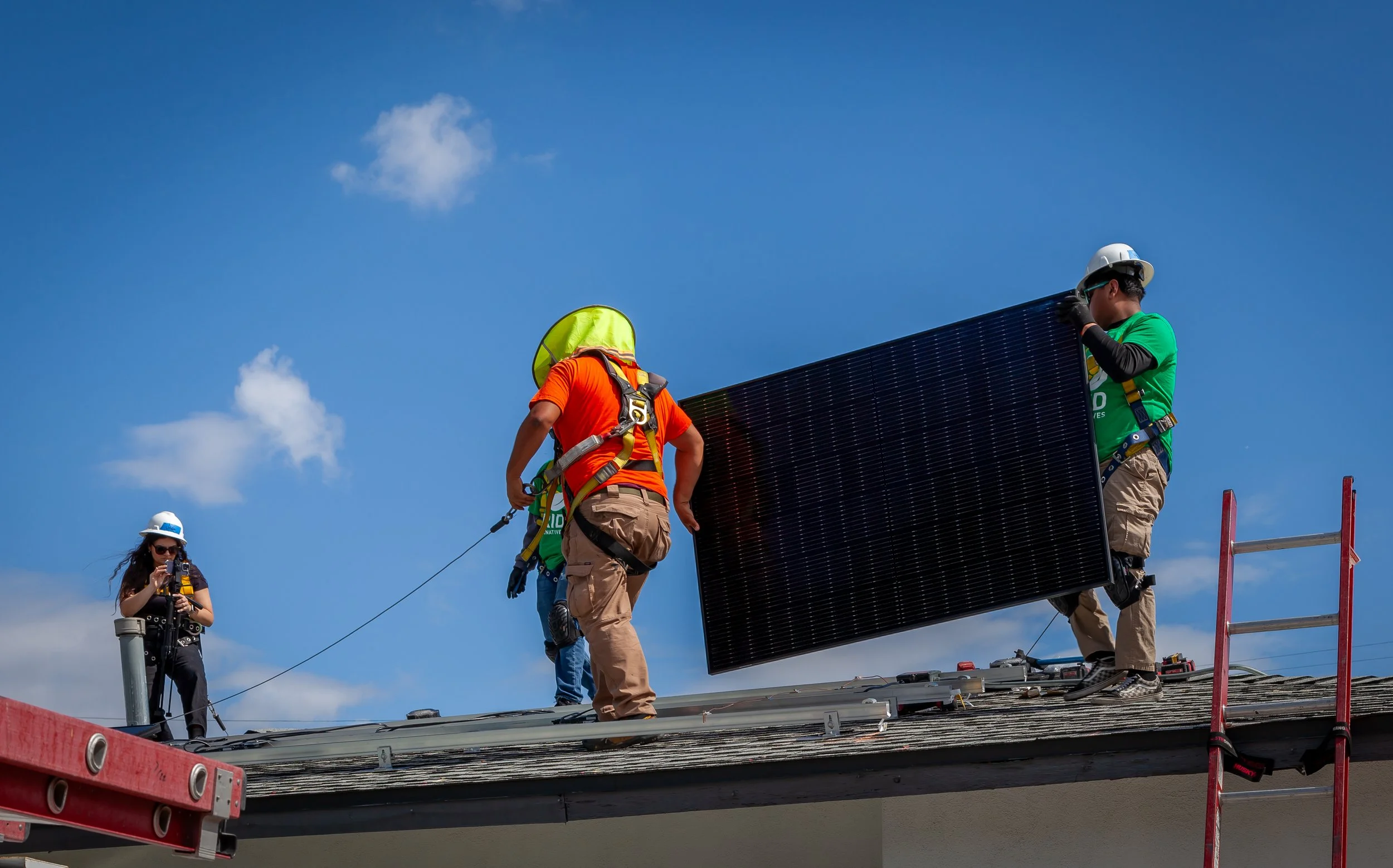
Explore the following California Climate Investments programs that are working to avoid burdens.


Other Resources
The following list includes both State and external resources that are intended to provide ideas for administering agencies and further support to avoid burdens. The resources were identified by researching available literature and through engagement with State agencies and community-based organizations.
We Want to Hear From You!
Due September 15, 2026
The public comment period is open for the draft Supplemental Guidance and all resources included on this page. Submit feedback by using this form or emailing ggrfprogram@arb.ca.gov.
Are there other examples of burdens or harms that you’ve experienced?
Do you know of any other climate programs that are doing a good job at avoiding burdens?
Is there a resource or something else you’d like to see included on this page?
What else would you like to share about avoiding burdens?
Provide a comment: