
Across California, Tribes have led the way on climate action, despite facing limited resources and staff. The Tribal Capacity Building program is helping knock down those barriers, offering grants to six Tribes across the state to fund salaries and activities that help Tribes mitigate or adapt to climate change. The program, which is administered by the California Strategic Growth Council, also provides guidance to Tribes on how they can continue to secure funding over the long term for their climate-related projects.
Six Tribes were awarded a total of $1.45 million in the first round of the program, with each receiving up to $250,000 over a two-year grant term. The Six Tribes include both federally recognized and non-federally recognized Tribes across California. They include Cher-Ae Heights Indian Community of Trinidad Rancheria located on the North Coast; Confederated Villages of Lisjan Nation located in the Bay Area; Esselen Tribe of Monterey County located on the Central Coast; Mooretown Rancheria of Concow-Maidu Indians of California located in the Northern Sierras; Winnemem Wintu located in Northern California; and yak tityu tityu yak tiłhini Northern Chumash Tribe located on the Central Coast.
The grant funding has allowed many Tribes that previously only had volunteers, part-time staff or only one or two full-time workers to hire salaried staff. Five of the Tribes have already hired new staff that support a wide range of tasks from bookkeeping to grant writing to program management.
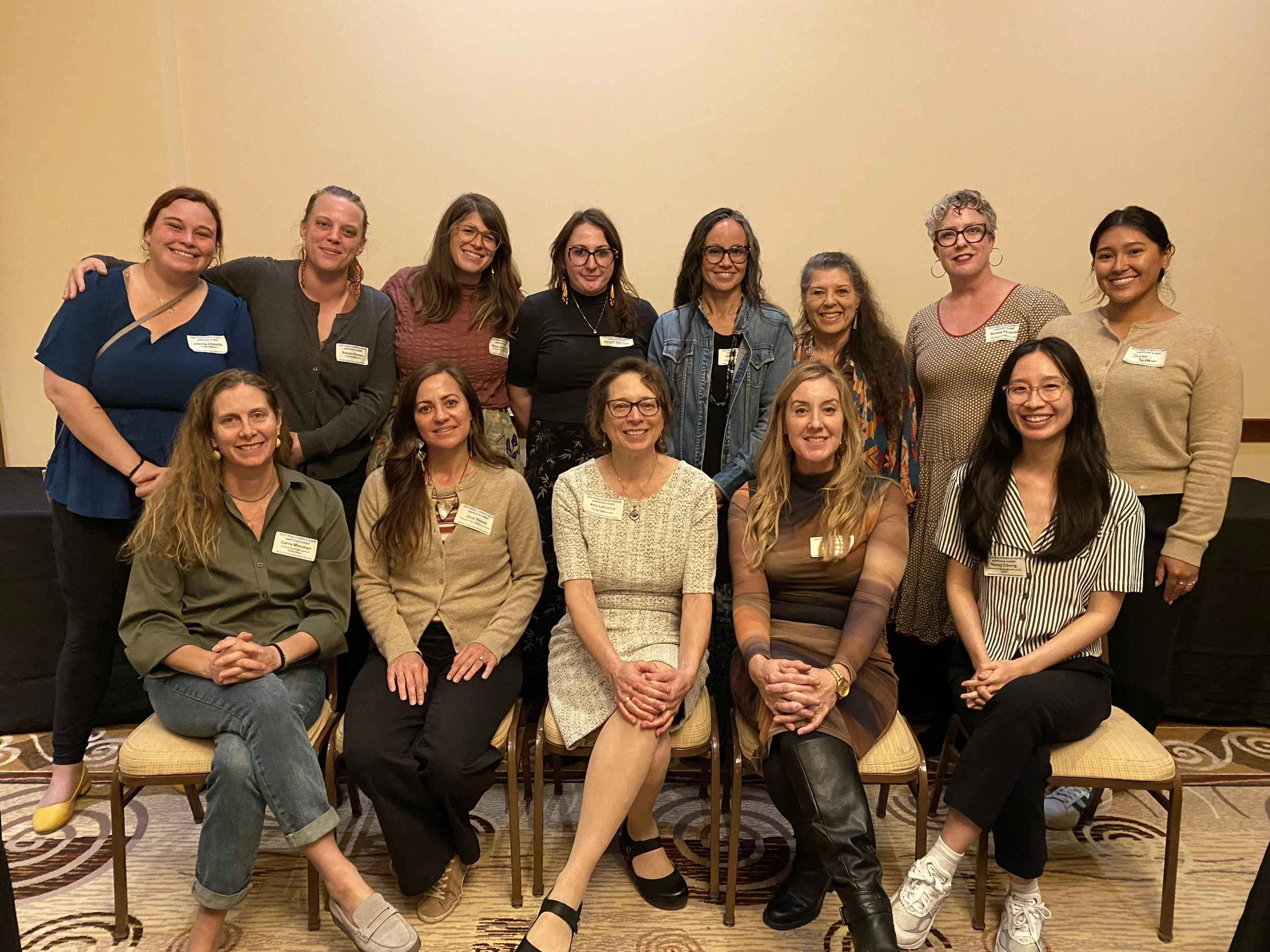
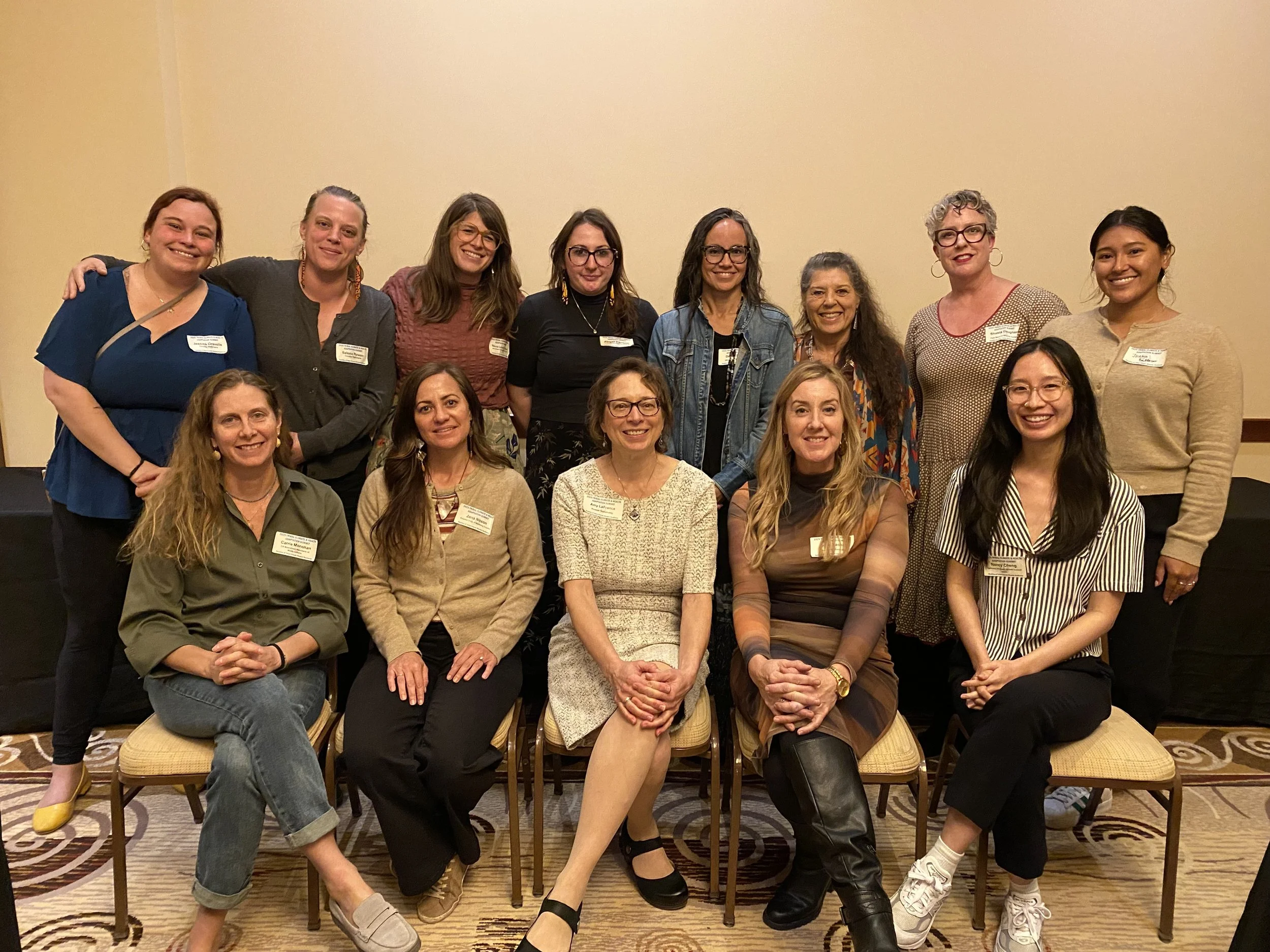
Group photo at the Tribal Capacity Building Program peer learning session. From upper left to right: Jessica Gravelle and Selena Rowan (Trinidad Rancheria Tribe), Becca Lucas Thomas and Abigail Harrison (yak tityu tityu yak tiłhini Tribe), Dessa Drake (Winnemem Wintu Tribe), Heidi Park (Esselen Tribe), Shasta Gaughen (Pala Tribe, TA Provider), Jocelyn Baltazar (CCRH, TA Provider). From lower left to right: Carrie Monohan (Mooretown Rancheria Tribe), Jana Nason (Esselen Tribe), Amy Becker LaFrance and Angie Hacker (Prosper Sustainably, TA Provider), Nancy Cheng (SGC, Grant Administrator).
Now at nearly the halfway point for the grant term, Tribes have been able to write and submit climate-related grant applications, build important partnerships, and develop strategic plans for achieving the Tribe’s climate goals. Quarterly peer learning sessions have also allowed the Tribes to learn from each other and build strong relationships.
From the start of the grant term in February of 2025, the six Tribes have worked closely with a technical assistance provider team to receive free and flexible support that responds to each Tribe’s needs. This technical assistance has included organizational operations support, grant application and management support, and guidance on how to promote staff and economic development.
Selena Rowan, Climate Resiliency Program Manager for the Trinidad Rancheria Natural Resources Department, expressed gratitude for the funding and technical guidance that the Tribal Capacity Building Program has offered. “Our Tribal Capacity Building Program partnership has been incredibly meaningful for us,” she said. “It’s allowed us to build lasting staff capacity in our new Climate Resiliency Program and also to strengthen the climate focus in each of our other programs in the Natural Resources Department.”