
In January of 2025, the Palisades fire ignited in Pacific Palisades, just east of Malibu. By the time it was contained, it had burned over 23,000 acres, destroyed nearly 7,000 structures, and killed 12 people. It is the third most destructive wildfire on record for California and the most destructive on record for the city of Los Angeles.
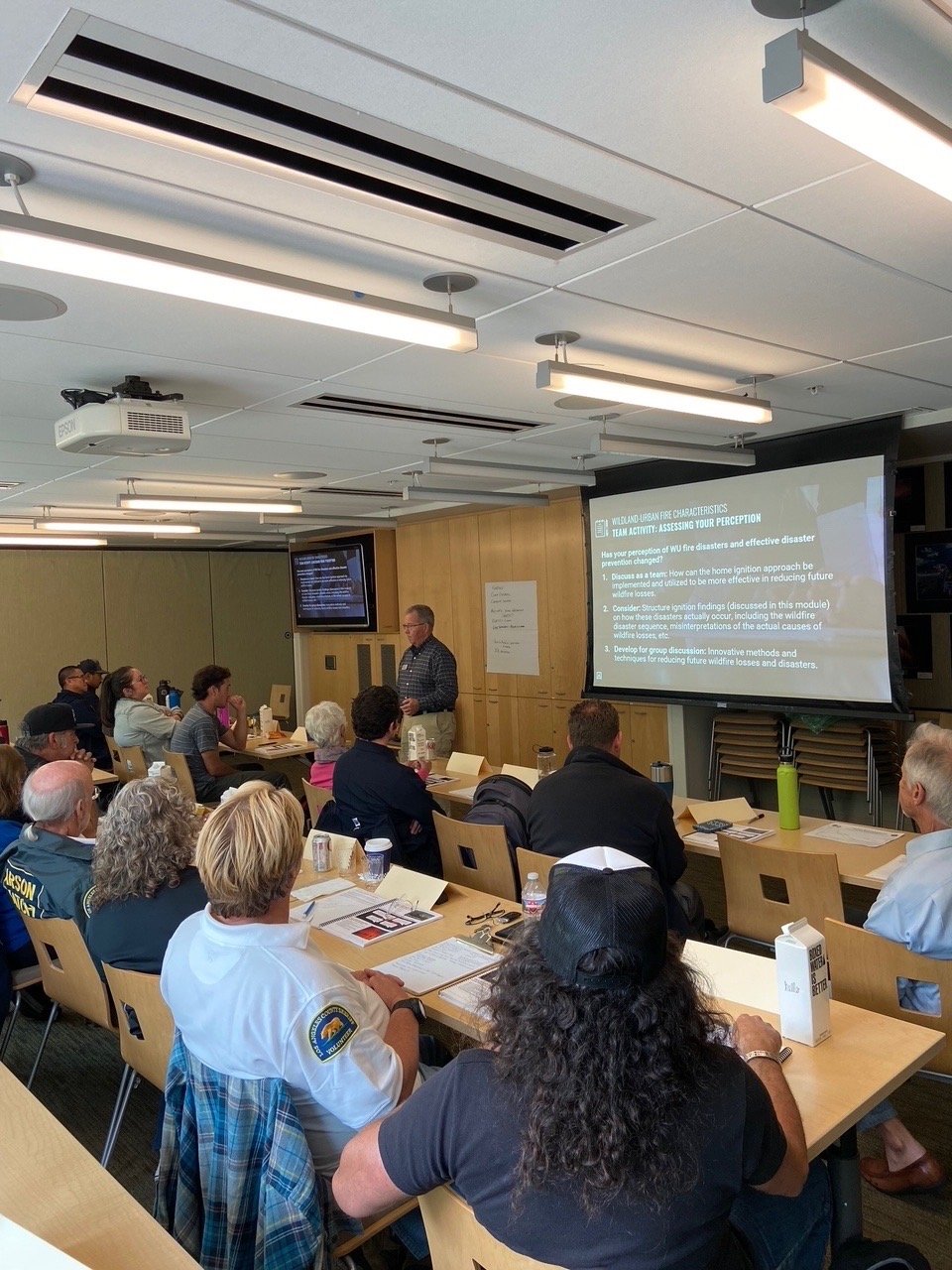
The year prior to the Palisades Fire, the California Department of Forestry and Fire Protection prepared about 100 participants for the possibility of a catastrophic wildfire, a common threat in the fire-prone Malibu hills. The City of Malibu used California Climate Investments funding provided through the Wildfire Prevention Grants program to host two National Fire Protection Association (NFPA) “Assessing Structure Ignition Potential from Wildfire (ASIP)” classes. The classes focused on identifying areas on and around the home that could ignite if struck by an ember from a nearby fire. Instructors educated students on how to reduce the risk posed by these flying embers, which are the leading cause of home destruction during wildfires.
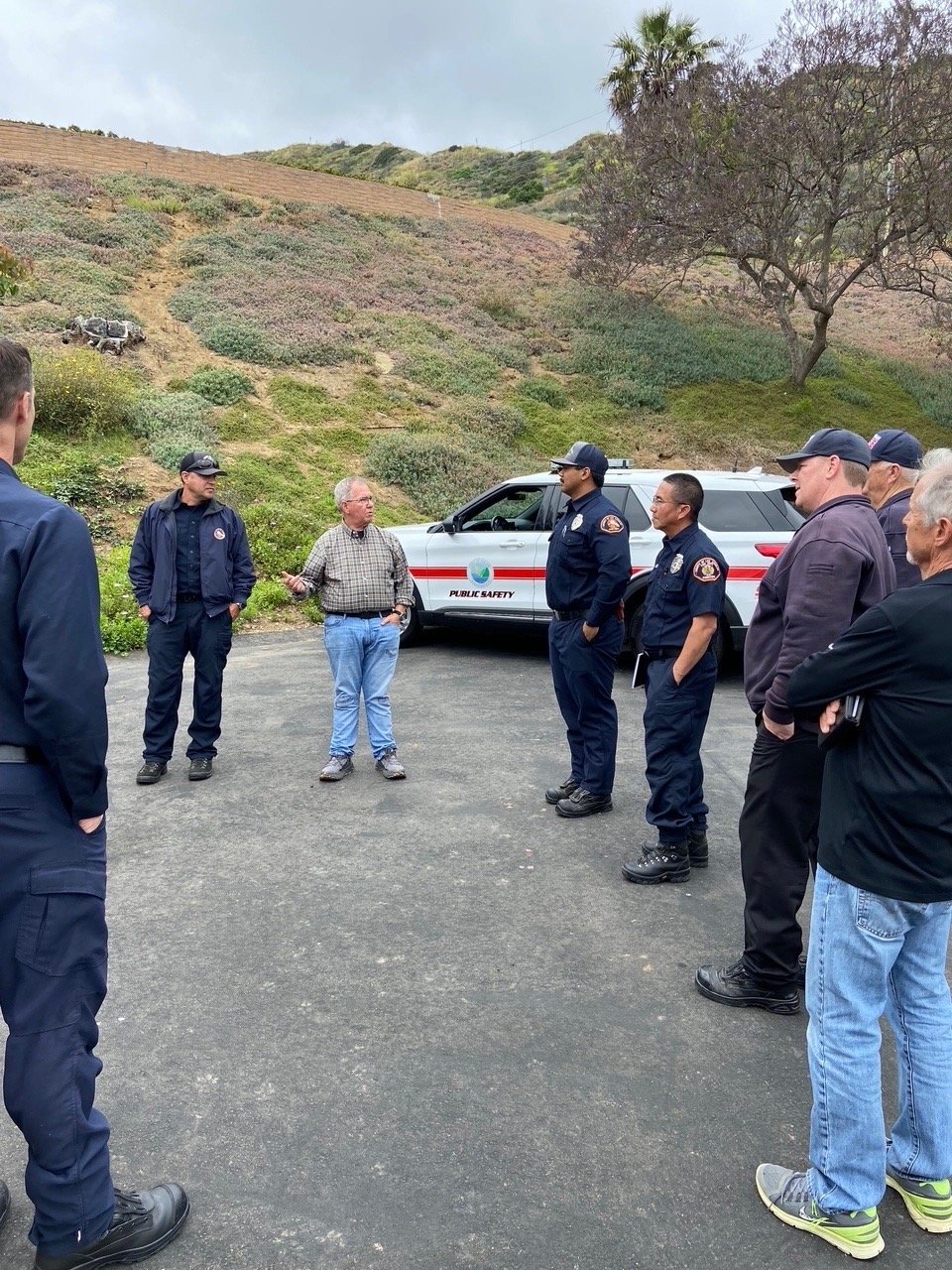
Presenter for ASIP class conversing with participants about home-hardening measures.
By offering the ASIP training locally, the City of Malibu equipped residents, volunteers, and partner agencies with the tools to recognize risks and implement practical solutions to make their homes more resilient against wildfire. Course materials and more information about NFPA’s wildfire training programs can be found on the NFPA website.
Participants of the training came from a variety of backgrounds and included local Malibu residents, Malibu Community Emergency Response Team (CERT) members, Los Angeles County Sheriff’s Arson Watch volunteers, Los Angeles Fire Department forestry and prevention staff, Pepperdine University’s fire team, the Chair of the Malibu Public Safety Commission, and two City Fire Safety Liaisons. The training included hands-on field exercises where participants practiced conducting structure assessments and identifying ember-vulnerable features. About 60 percent of the total grant award directly supported delivery of these specialized courses.
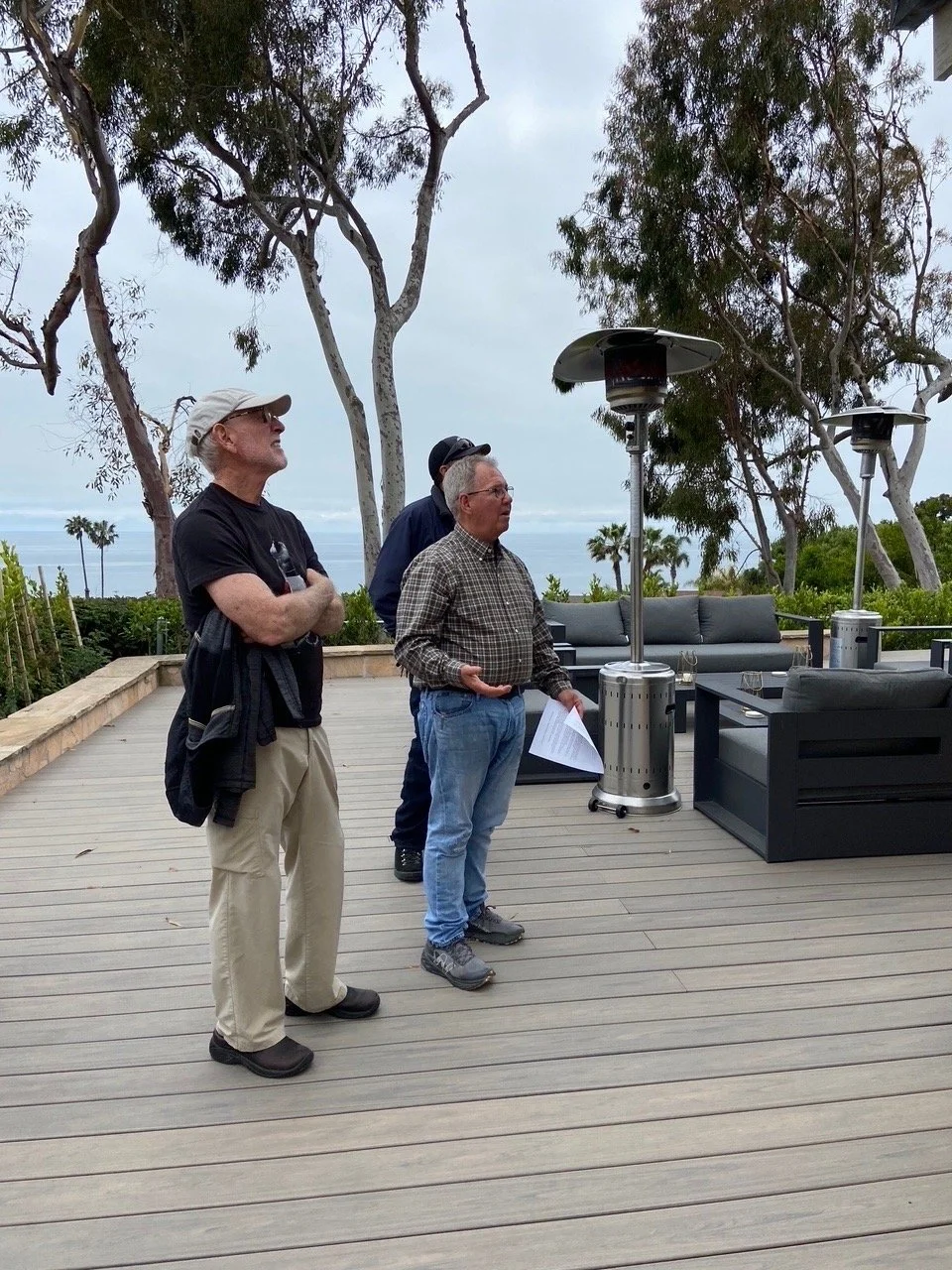
Participants identifying vulnerable ignition areas around a home as part of the class.
“These classes empowered residents to understand exactly how and why homes ignite during wildfires,” said a Malibu CERT volunteer. “Once you know what to look for, you can actually do something about it.”
Following the Franklin and Palisades fires, the Fire Safety Liaisons assessed 194 homes in impacted areas. A City survey found that 80 percent (155 homes) implemented most or all recommended mitigation measures. As a result, 65 percent of those homes survived undamaged, and 10 percent sustained only partial damage.
According to a Fire Safety Liaison, “The ASIP training reinforced that small, inexpensive changes—like clearing debris, screening vents, and modifying fences—can decide whether a home survives. That knowledge is transformative.”