Local governments

Partnership Helps Protect San Diego County Forests

Partnership Helps Protect San Diego County Forests

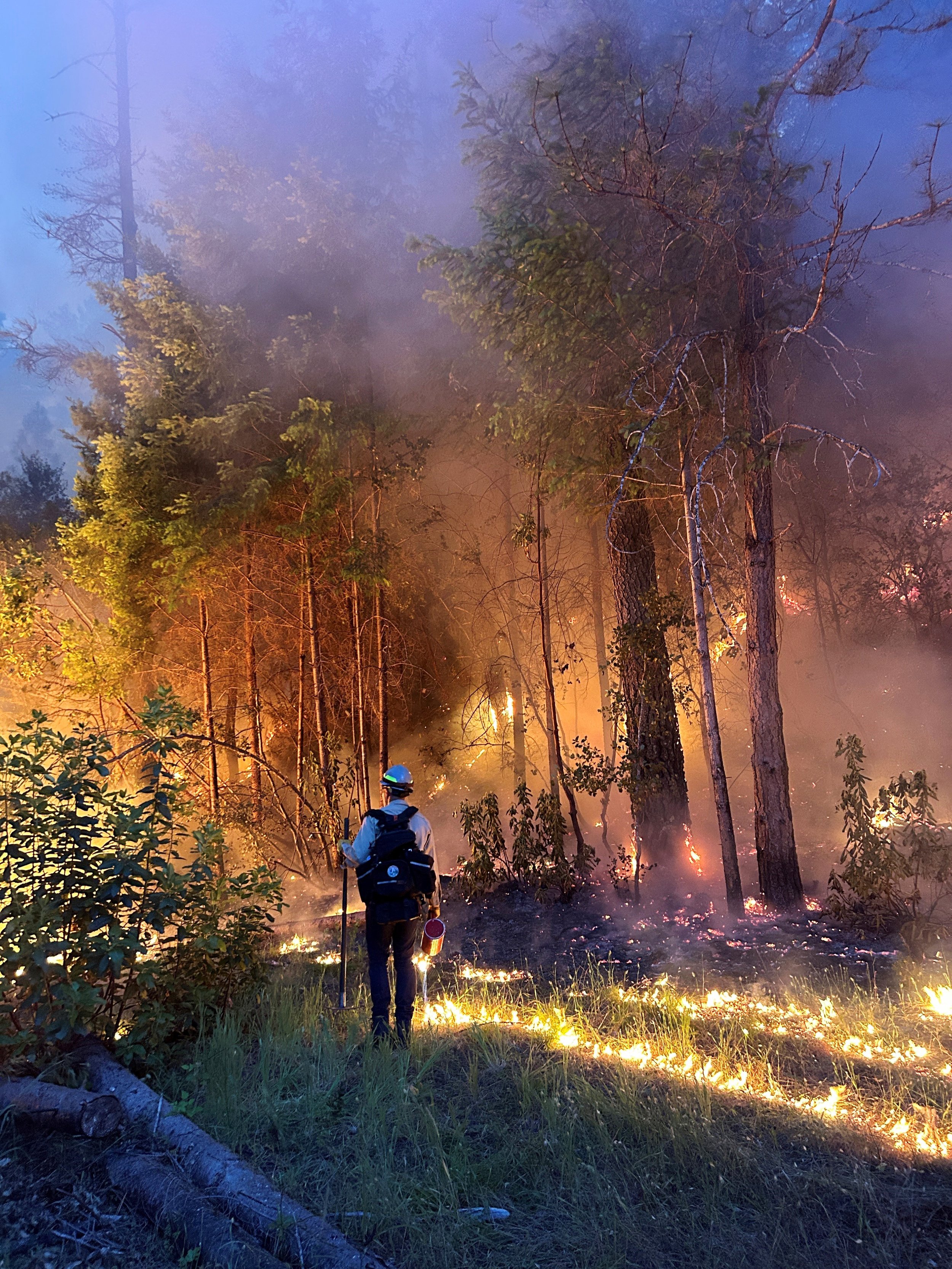
The Resource Conservation District of Greater San Diego County (RCD) is using their $1.4 million grant awarded in 2019 from the Regional Forest and Fire Capacity program to develop the region’s capacity to restore the health of its forests and protect them from severe wildfires in the future. To carry out this work, the RCD has partnered with several California Native American Tribes, the Cleveland National Forest, a private cattle company, and the Palomar Observatory to manage the region, which includes the last mixed conifer forest in San Diego County. The RCD is also developing training programs for several Fire Safe Councils in San Diego County serving 46 communities, so they can support this work.

Santa Barbara Cool Blocks Project Inspires Community Climate Action

Santa Barbara Cool Blocks Project Inspires Community Climate Action

In 2021, the Santa Barbara County Association of Governments completed the Cool Blocks Try Transit project, a neighborhood outreach and capacity building campaign supported by a $25,000 grant from the Low Carbon Transit Operations Program and in partnership with the Empowerment Institute’s Cool Blocks program. This project brought the participating 25-block neighborhood of Isla Vista together over a series of workshops to learn about and consider climate change mitigation and resilience measures they could adopt as individuals and as a community, which included using public transit. The project inspired the community to act, which in part led to their successful application to the Sustainable Transportation Equity Project, another California Climate Investments program.

Cleaner Passenger Trains through the Capitol Corridor Rail Project

Cleaner Passenger Trains through the Capitol Corridor Rail Project

In 2019, the Capitol Corridor Joint Powers Authority, in partnership with California Department of Transportation’s Division of Mass Transit, was selected by the Bay Area Air Quality Management District to receive $7.4 million from the Community Air Protection program to help replace two diesel-powered locomotives with two new Siemens Charger Tier 4 locomotives. These locomotives are now operating on the Capitol Corridor line from Auburn-Sacramento to Silicon Valley and run through disadvantaged and low-income communities in San Francisco, Oakland, Berkeley, and more. The new locomotives achieve a 90 percent reduction in particulate matter emissions and an 80 percent reduction in oxides of nitrogen emissions compared to the old, higher-polluting locomotives.

Turtle Rock Biomass Collection Site Helps Reduce Wildfire Severity

Turtle Rock Biomass Collection Site Helps Reduce Wildfire Severity

Alpine County was awarded $120,810 from the Fire Prevention Grants program to support the operation of The Turtle Rock Park Biomass Collection site. The facility provides communities in eastern Alpine County with a place to send green waste and biomass removed while creating defensible space around their properties to reduce the risk of future wildfire damage. By reducing the intensity of future wildfires, defensible space practices also reduce the emission of air pollutants and greenhouse gases.

Coyote Valley Prime Farmland Preserved in Perpetuity

Coyote Valley Prime Farmland Preserved in Perpetuity

Thanks to a $780,000 grant provided by the Sustainable Agricultural Lands Conservation (SALC) program, the Santa Clara Valley Open Space Authority (the Authority), in partnership with the Santa Clara Valley Transportation Authority and the Santa Clara County Planning Department, were able to purchase a 60-acre farm located in the Coyote Valley of Santa Clara County. This purchase adds to Coyote Valley’s growing network of protected lands and helps combat climate change by protecting prime farmland from being converted to more carbon-intensive land uses. This purchase also furthers the implementation of the comprehensive Santa Clara Valley Agricultural Plan finalized in January 2018, which Andrea Mackenzie, General Manager of the Authority defined as “a roadmap to protecting the multiple benefits that our region’s remaining farmlands and working lands provide.” This plan was also made possible by an award from the SALC program.

Expanding Capacity at the Turtle Rock Park Biomass Collection Site

Expanding Capacity at the Turtle Rock Park Biomass Collection Site

The project is a continuation of the Turtle Rock Park Biomass Collection site which serves communities in eastern Alpine County. The facility provides a location to collect green waste and biomass that is cleared from private property to create defensible space and thereby reduce wildland fire risk.

Electric School Buses Benefit Students and Air Quality in Sacramento County

Electric School Buses Benefit Students and Air Quality in Sacramento County

In May 2017, the Sacramento Metropolitan Air Quality Management District (AQMD) and its partners unveiled the first six of 29 electric school buses — what will be the largest electric school bus deployment in the U.S. — at a press event in north Sacramento.

Zero-Emission Technology at Ports Provide Cleaner Air for Vulnerable Residents

Zero-Emission Technology at Ports Provide Cleaner Air for Vulnerable Residents

The adjacent ports of Long Beach and Los Angeles combined are the largest fixed sources of air pollution in the South Coast Air Basin, one of the most polluted air basins in the United States, in large part because the trucks and equipment used at the ports burn diesel fuel. Recognizing this, the Sustainable Terminals Accelerating Regional Transformation demonstration project was awarded $50 million to replace trucks and equipment with zero‑emission technology. The funding, which comes from California Climate Investments, supports the deployment of 102 pieces of zero‑emission terminal equipment and trucks at seaports across California, including at the ports of Los Angeles and Long Beach. These funds are also supporting the development of new, cleaner tugboats; the deployment of two container vessels with cleaner‑burning engines; and advanced workforce development programs to support sustainable goods movement across California.

Paving the Way for Zero-Emission Freight Facilities in Long Beach

Paving the Way for Zero-Emission Freight Facilities in Long Beach

This program will deploy 38 electric yard trucks, 9 electric gantry cranes, 18 electric heavy lift forklifts, and 15 zero-emission Class 8 trucks. The program is also including a workforce development component with curriculum being developed to support the deployment of this technology with local school districts near the three port locations, community colleges and Long Beach State University.

San Gabriel Residents and Businesses Save Water and Energy with Appliance Rebates

San Gabriel Residents and Businesses Save Water and Energy with Appliance Rebates

More than 1,900 households in the San Gabriel Valley are saving money, water and energy through a new rebate program supported by Cap-and-Trade dollars.

El Centro Free Trees Program Provides Education, Shade, and Cleaner Air

El Centro Free Trees Program Provides Education, Shade, and Cleaner Air

The El Centro “Free Trees” program is an Urban Forest Expansion and Improvement project that will plant and maintain 1,000 climate appropriate trees within the city of El Centro.

Free Transit Helps Students DASH to Class

Free Transit Helps Students DASH to Class

The City of Los Angeles Department of Transportation (LADOT) is providing free, safe, and reliable transportation to students across Los Angeles. The “DASH to Class” program allows all K-12, college, and vocational students with a Student Reduced Fare pass to ride free on LADOT Transit’s DASH buses—even for non-school related trips.

Visalia-Fresno Shuttle Serves Students, Travelers, and Residents

Visalia-Fresno Shuttle Serves Students, Travelers, and Residents

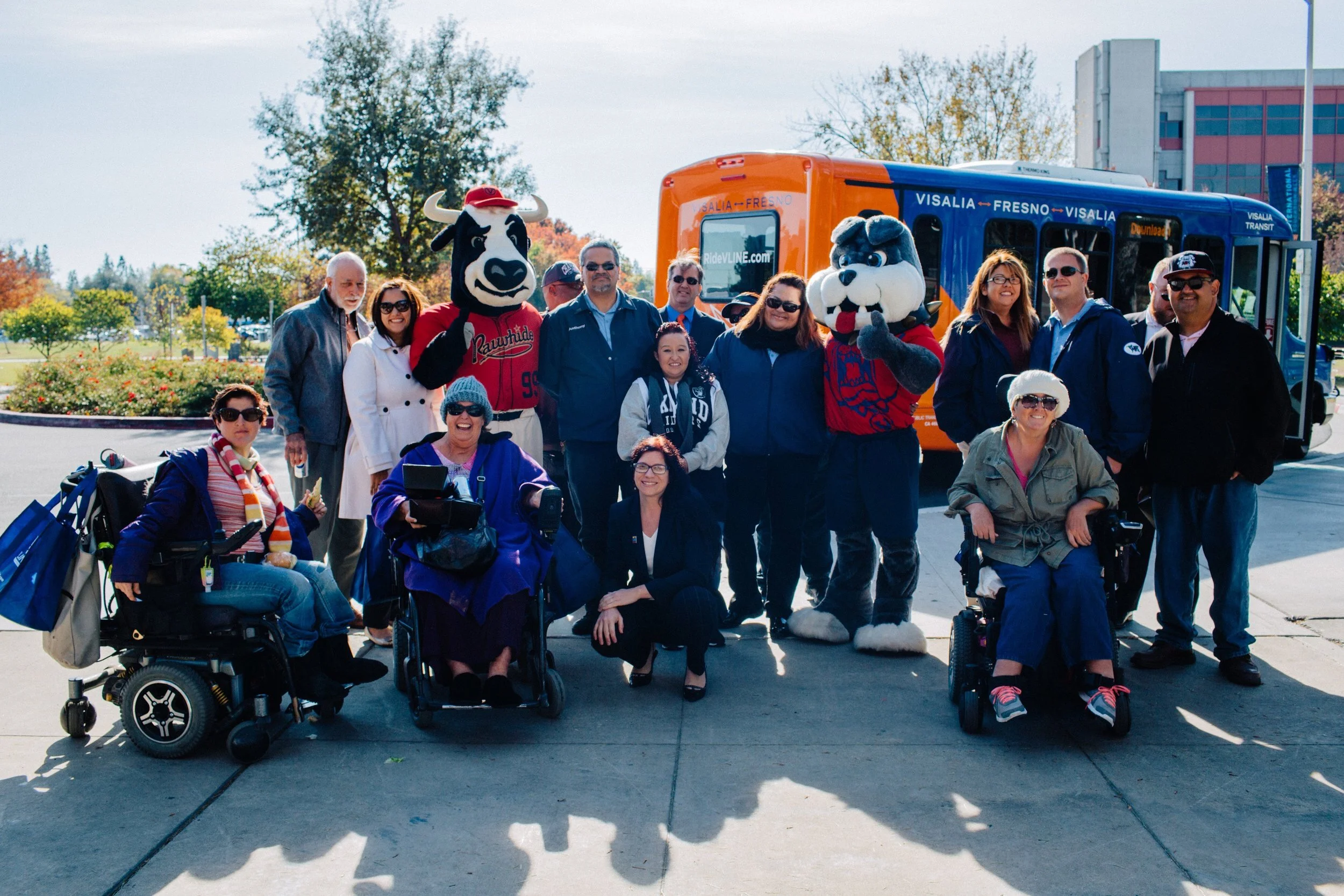
Deep in California’s Central Valley, the small City of Visalia took a big step when it started its Visalia-Fresno Shuttle Project in November 2015. The five-stop “V-line,” part of the Visalia Transit system, has a stop for everyone – students headed to Fresno State University, travelers bound for Fresno Yosemite International Airport, even visitors off to see Fresno’s leafy Courthouse Park.

Piloting Advanced Technology Drayage Trucks

Piloting Advanced Technology Drayage Trucks

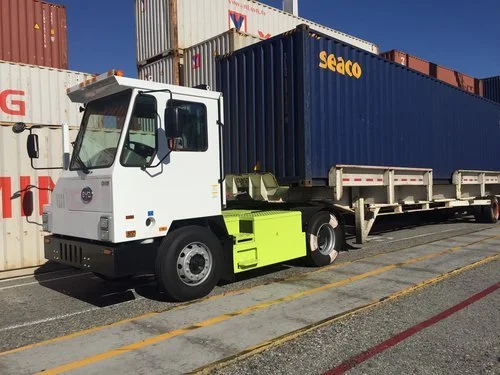
Neighborhoods and highways near the State’s busiest ports will soon benefit from an influx of 44 heavy-duty Class 8 zero-emission trucks thanks to CARB’s California Collaborative Advanced Technology Drayage Truck Demonstration Project.

Demonstrating Zero-Emission Port Technologies in Long Beach

Demonstrating Zero-Emission Port Technologies in Long Beach

Thanks to a demonstration project testing advanced technologies, the Port of Los Angeles is serving as a proving ground to show how large industrial facilities can operate sustainably.
The Green Omni Terminal Demonstration Project is a full-scale demonstration of zero- and near-zero emission technologies at a working marine terminal. At full build-out, the 40-acre terminal will be the world’s first marine terminal to generate all of its energy needs from renewable sources.

Building Coastal Resilience in Santa Cruz

Building Coastal Resilience in Santa Cruz

In light of critical dangers to the city of Santa Cruz’s roughly 4.6 miles of coastline posed by climate change, the city is using a $200,000 grant from California Climate Investments through the Coastal Resilience LCP Planning Grant Program to develop strategies and policies intended to protect public beach access, prevent community displacement, and build resiliency against future coastal hazards.

Clean Mobility Options Connect Rural Communities with Reliable Transportation

Clean Mobility Options Connect Rural Communities with Reliable Transportation

The San Joaquin Valley Air Pollution Control District was awarded $2.25 million to launch a pilot project, Ecosystem of Shared Mobility, which will provide San Joaquin Valley residents with new modes of travel, while also reducing air pollution and GHGs emissions.

BlueLA Car Share Pilot Expands Clean Mobility Options for Low-income Angelenos

BlueLA Car Share Pilot Expands Clean Mobility Options for Low-income Angelenos

The City of Los Angeles received a $1.7 million grant to start a zero-emission car share pilot project, BlueLA, to operate in four Los Angeles disadvantaged communities.

Our Community CarShare Program Supports Low-Income Sacramentans

Our Community CarShare Program Supports Low-Income Sacramentans

May 2017 marked the launch of the Our Community CarShare Sacramento Program. This new car sharing pilot program, available to low-income Sacramento residents, was great news to Susan Brown and came to her attention at the right time.