
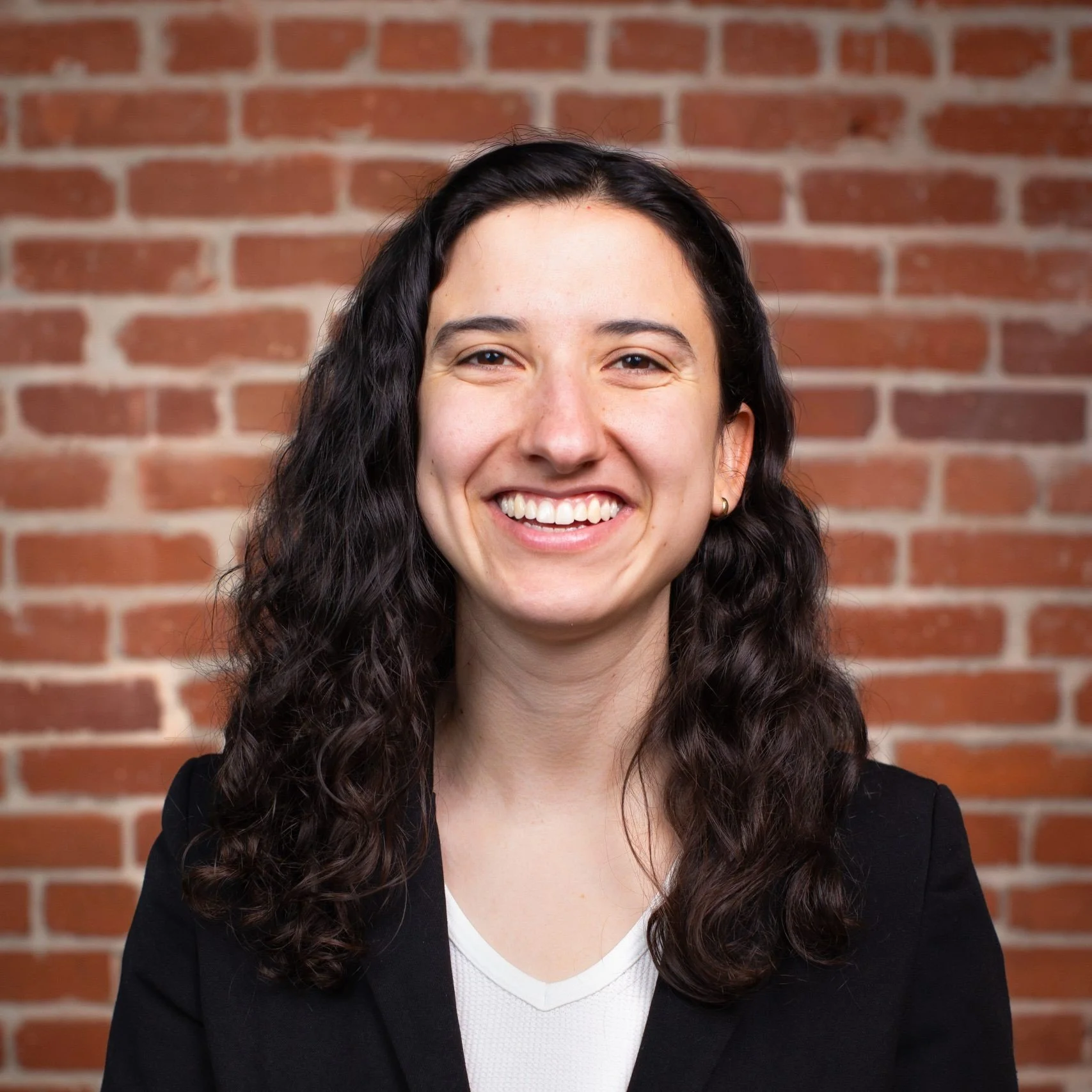
Lia Cohen
Manager of Climate Planning and Resilience, Climate Resolve
For low-income neighborhoods in Los Angeles, where there are less trees, parks, and homes with air conditioning than wealthier parts of the city, residents are at higher risk of suffering from heat-related illness. To keep people safe from heat, some communities are developing climate resilient parks, which act as gathering spaces to cool off when temperatures get hot. In 2020, residents and advocates in South L.A. set off on a two-year journey to plan for how an existing neighborhood park, the Baldwin Hills Parklands, could transform into a climate resilient one that is easier for heat-vulnerable communities to get to. The years of planning culminated in the Baldwin Hills Community Resilience and Access Plan, published in 2022. Climate Resolve has since worked to find funding to bring the ideas on its pages to life.
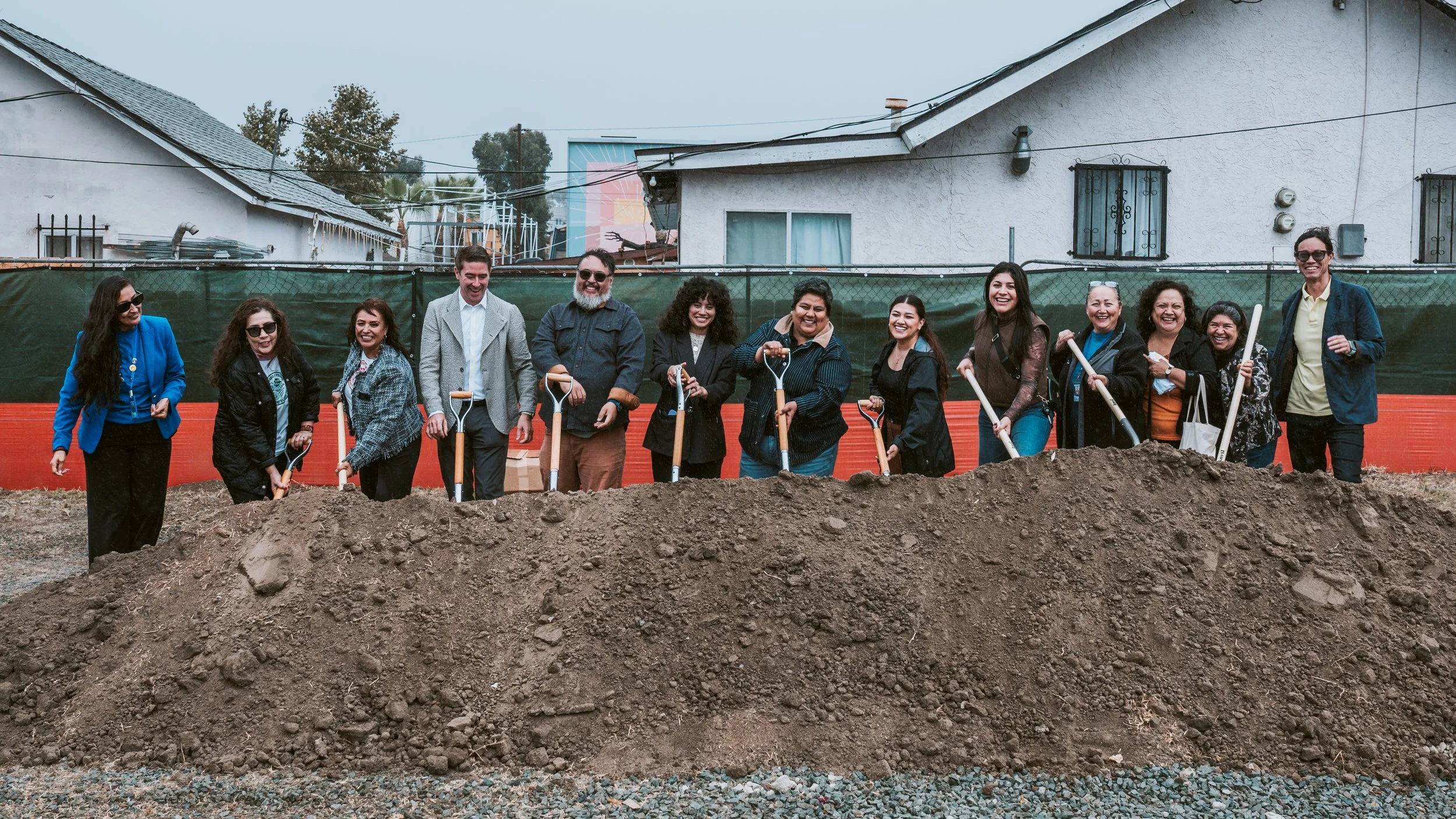
For Climate Resolve’s Climate Planning and Resilience Manager, Lia Cohen, who co-led the park’s planning process with residents, letting the project stop here was not an option. Lia and her team were committed to those who had put years of work into imagining a better future for their community. After years of searching for funding, Climate Resolve supported their partners at the Los Angeles County Parks and Recreation in successfully applying for the Extreme Heat and Community Resilience Program, which kicked off in 2025. The project will bring urgently needed tree plantings, hydration stations, and shaded recreation areas to the Baldwin Hills Parklands and two other heat-vulnerable L.A. County parks.
“A lot of the times with big infrastructure projects, community engagement is something that happens at the end or as a reaction. The most meaningful work I’ve gotten to do at Climate Resolve is when the project is born out of that engagement process from the beginning.”
As community engagement lead for the Baldwin Hills site, Lia is hosting events that generate excitement about the park and increase awareness of its new features in a meaningful and engaging way. Through activities like their Camping 101 and Emergency Preparedness classes, Climate Resolve helps communities better resonate with information about climate change and extreme heat. Lia believes that an interactive and fun approach is critical for raising awareness about heat’s health impacts and how community resources can help keep people safe.
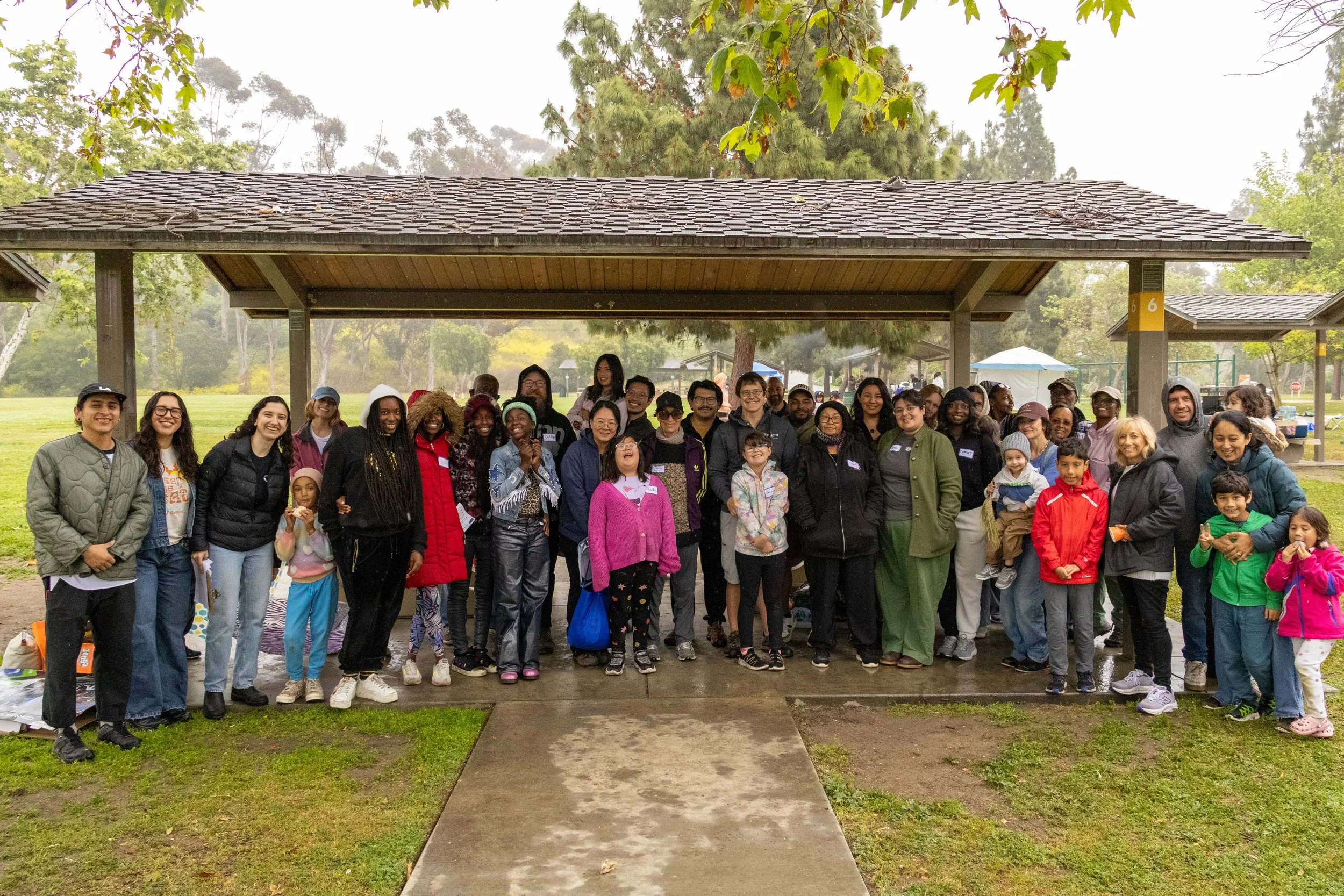
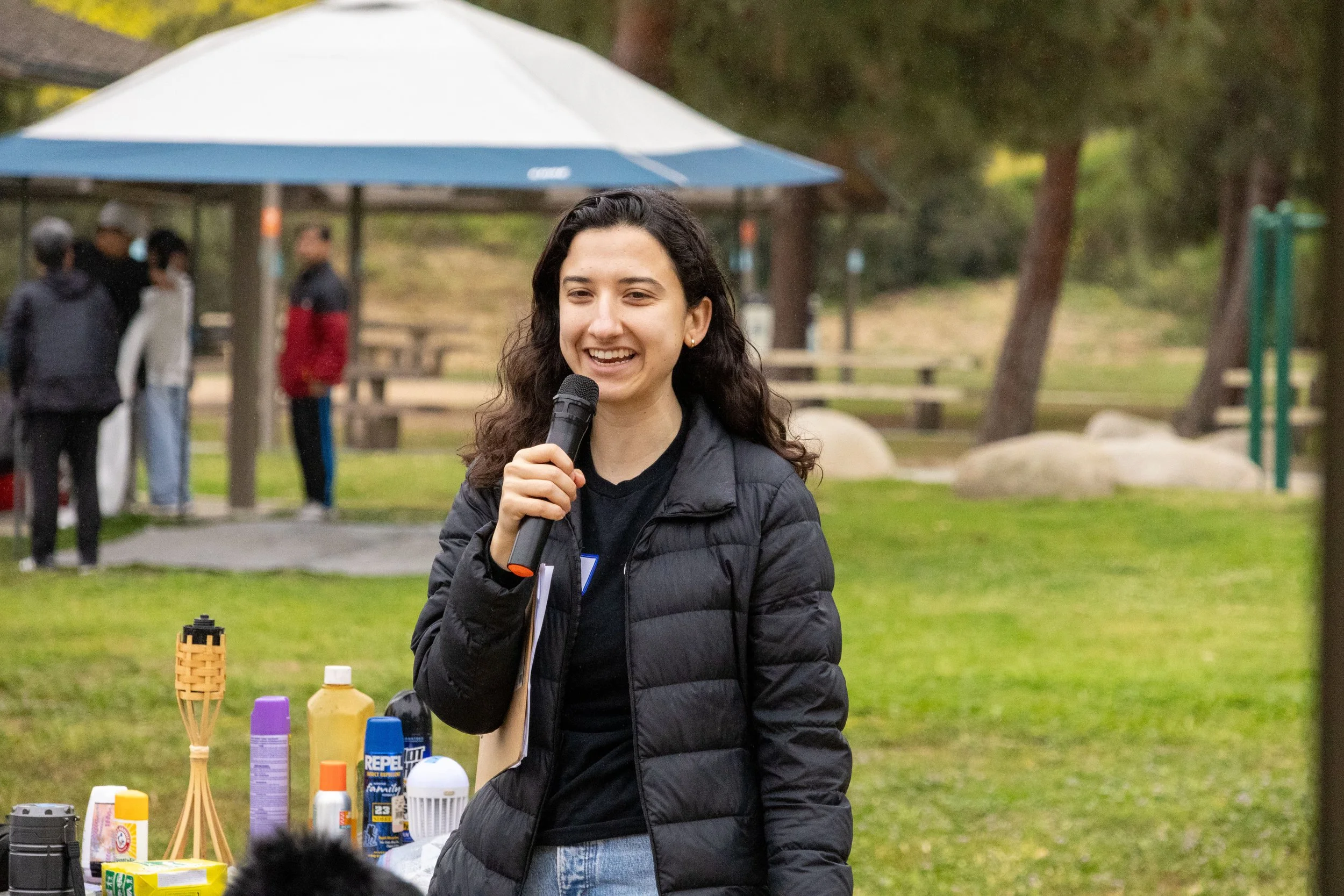
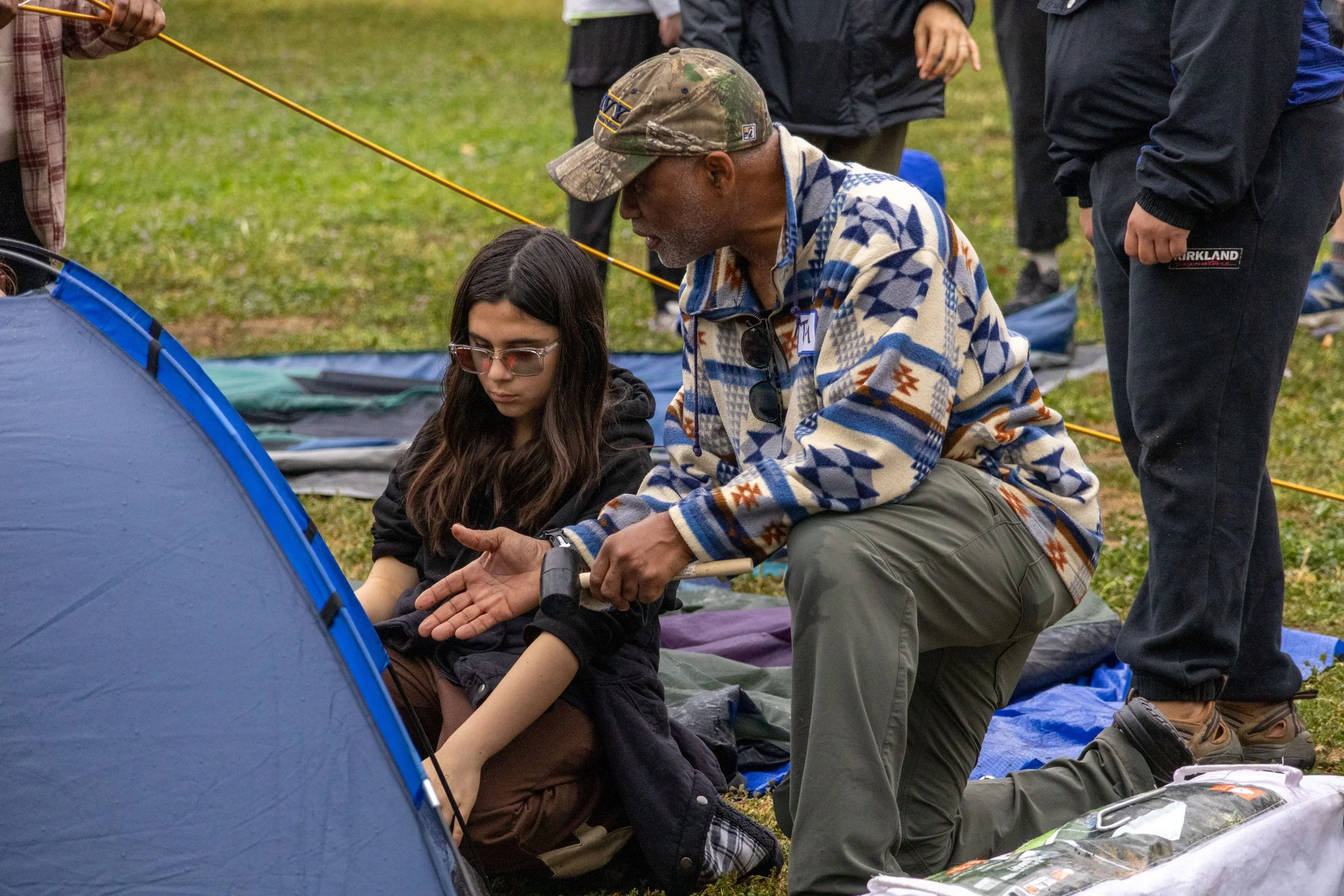
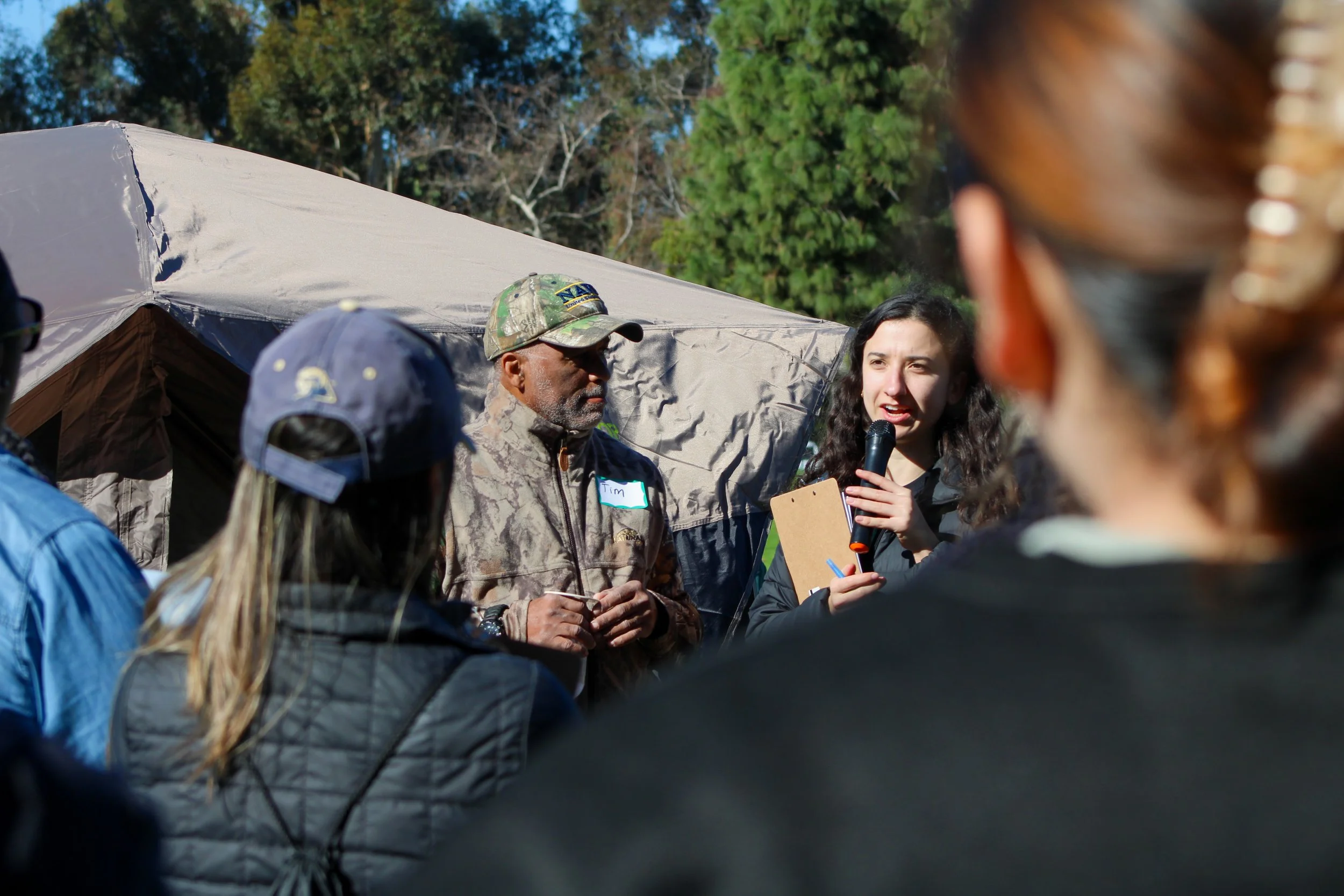
Building trust is also foundational to designing community engagement events in South L.A., where institutions have often worked against the interests of residents. For Lia and Climate Resolve, this trust is developed through partnerships with local resident-led organizations that help deepen their understanding of the different communities they serve. The local organizations help Climate Resolve spread the word about events and projects, develop relevant educational information and activities, and ensure event sites are accessible and safe.
The Baldwin Hills Climate Resilient Park may still have been just a plan, if not for Lia, the residents, and organizations who dedicated the years necessary to bring this community resource to life. Lia hopes that the project can help the state better understand the role that climate resilient parks can play in protecting vulnerable communities from extreme heat and expanding access to the joys of green space.
-
The implementation project at Baldwin Hills Parklands and two other L.A. County parks was funded by the Extreme Heat and Community Resilience Program.
-