
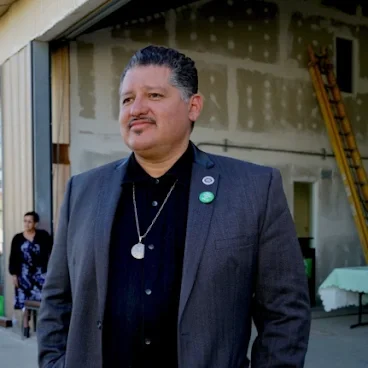
Rey León
Mayor of Huron & CEO of LEAP Institute
In the middle of the Central Valley, surrounded by miles of agricultural fields, lies Rey’s little corner of the world, where his vision for transportation, environmental, and economic justice is coming to life. Huron, California is a farmworker community of less than seven thousand, where residents have long relied on raiteros to get to work and other appointments outside of the city’s boundaries. Raiteros are neighbors, friends, and colleagues who own cars and provide rides for those who don’t. This informal system of support is common in rural communities where car ownership is low and reliable transit options are limited.
Over 15 years ago, Rey, who had by that point established himself as an instrumental environmental justice advocate, realized that things should be different in his hometown. Why should individuals bear the burden of car ownership, he thought, when it makes it harder for low-income families to break out of poverty? Workers should be using their incomes to invest in their families and futures, not on transportation and the costly maintenance of vehicles.
“It’s possible for a small place to make big changes. To come up with big ideas and have a big impact- all from our little corner of the world.”
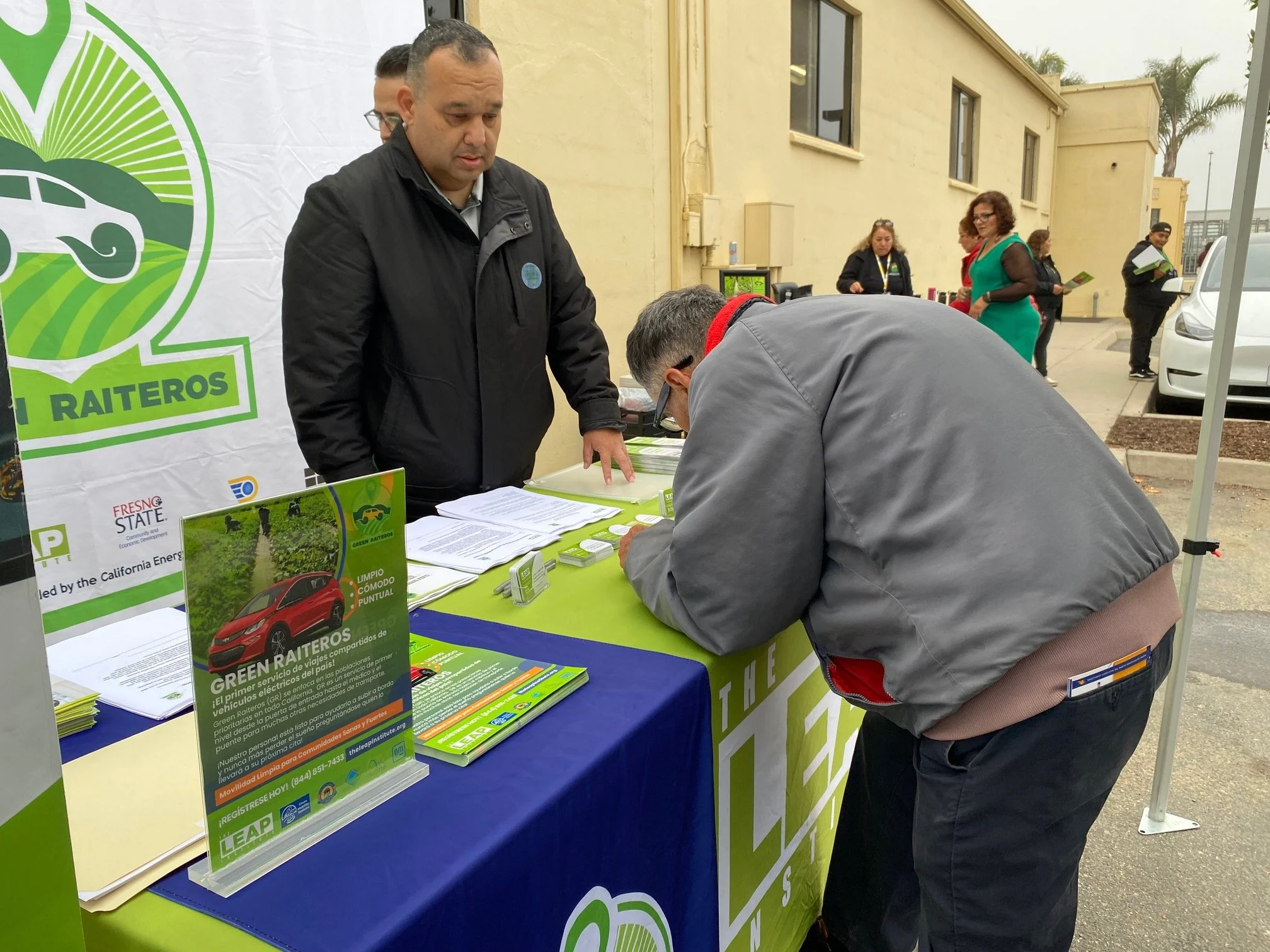
After over a decade of advocacy, Rey and his organization, The Latino Equity, Advocacy, and Policy (LEAP) Institute, have launched a zero-emissions community fleet called the Green Raiteros, where Huron residents get paid to be raiteros and transport community members to medical appointments. Along the way, Rey encountered many who tried to dissuade him from taking on the challenge of bringing resources to his community. Instead, all the no’s fueled Rey to keep, “‘yessing’ it- working to make it happen.”
LEAP now operates community fleets comprised of 36 vehicles in three regions of the state and hopes to continue to grow so more farmworker communities can feel invested in and cared for. The Green Raiteros program is a powerful example of how clean mobility projects, when designed by and for the community, can create genuine change and advance justice in the state's most disadvantaged communities.
-
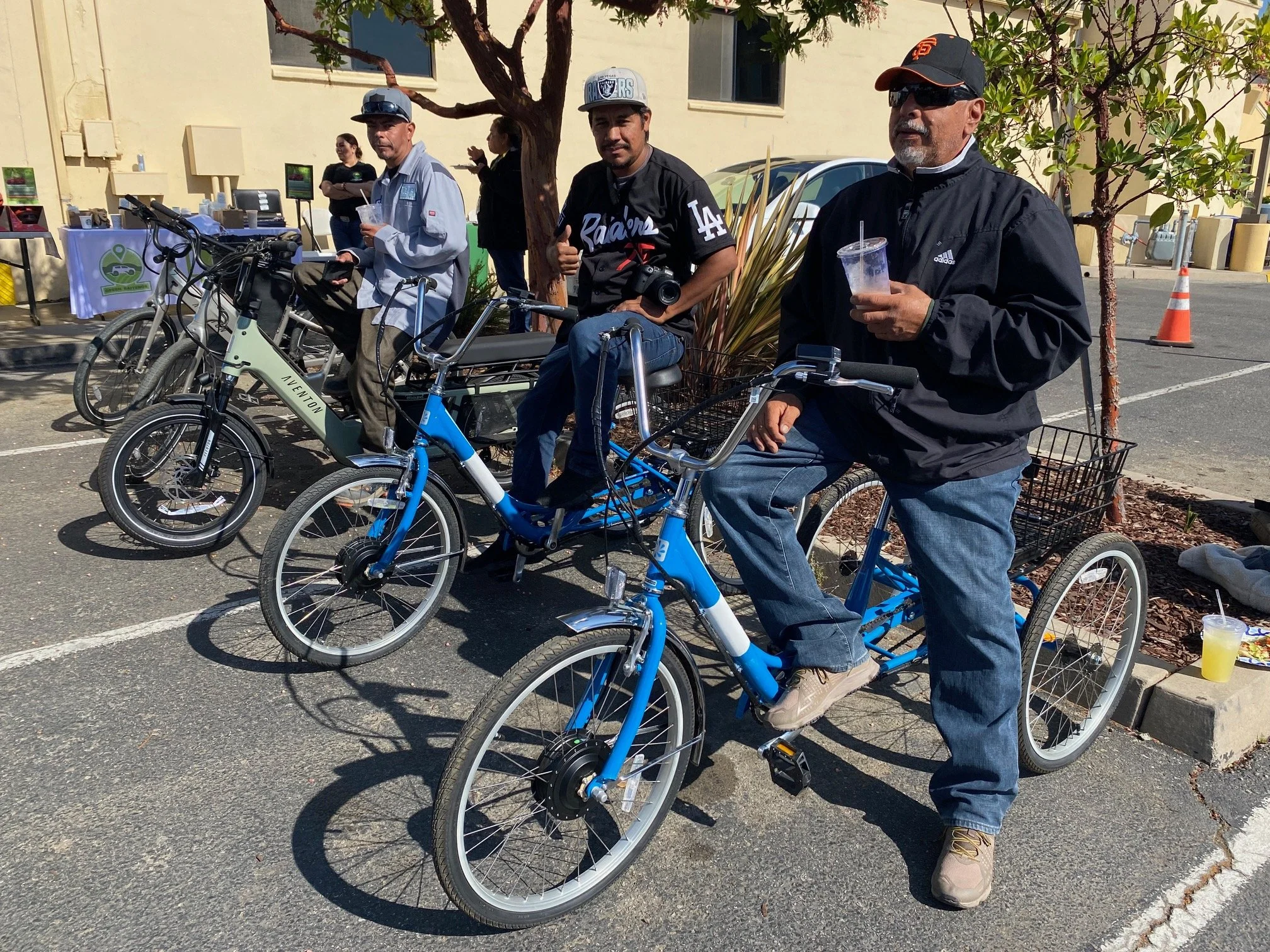
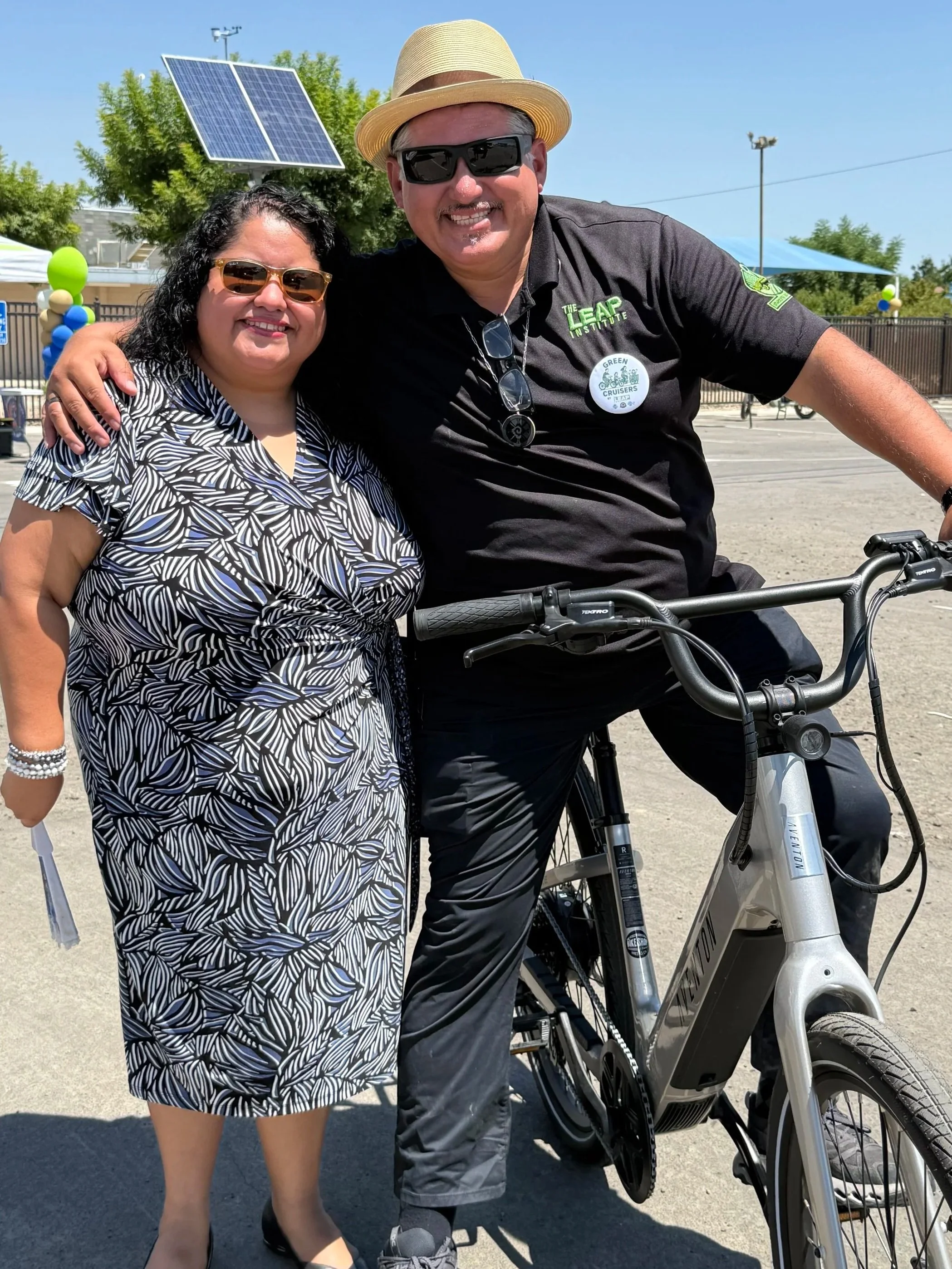
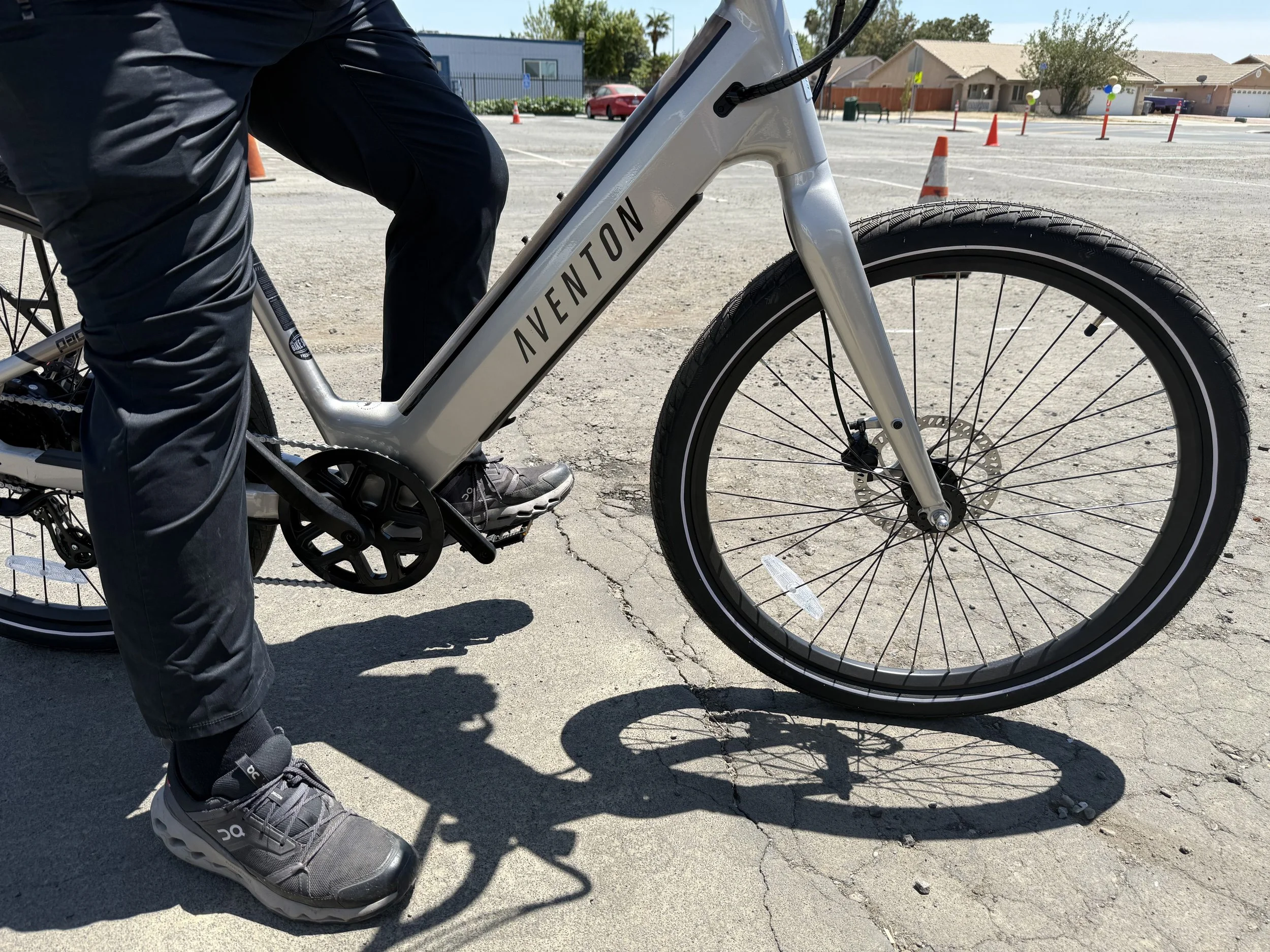
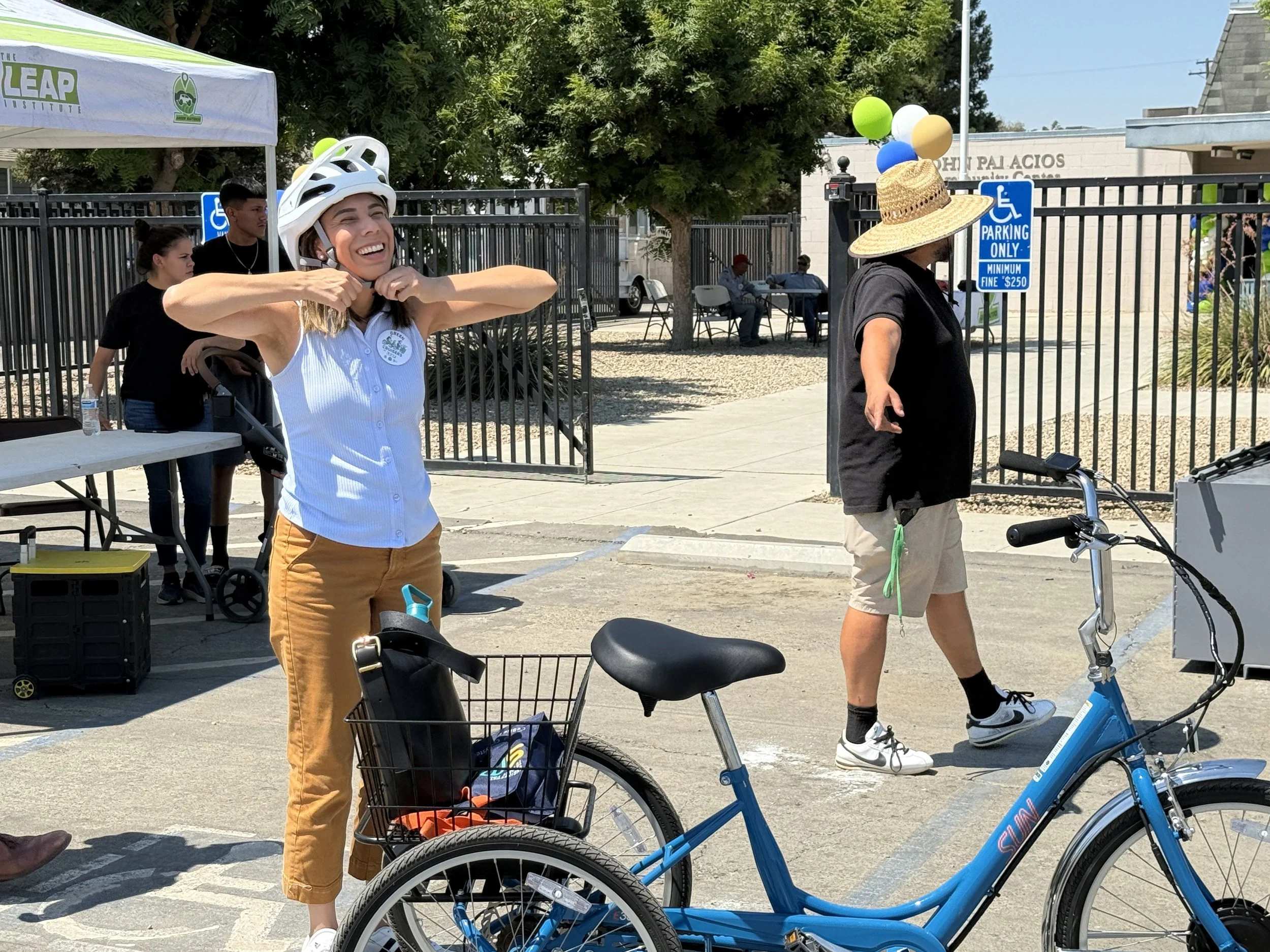
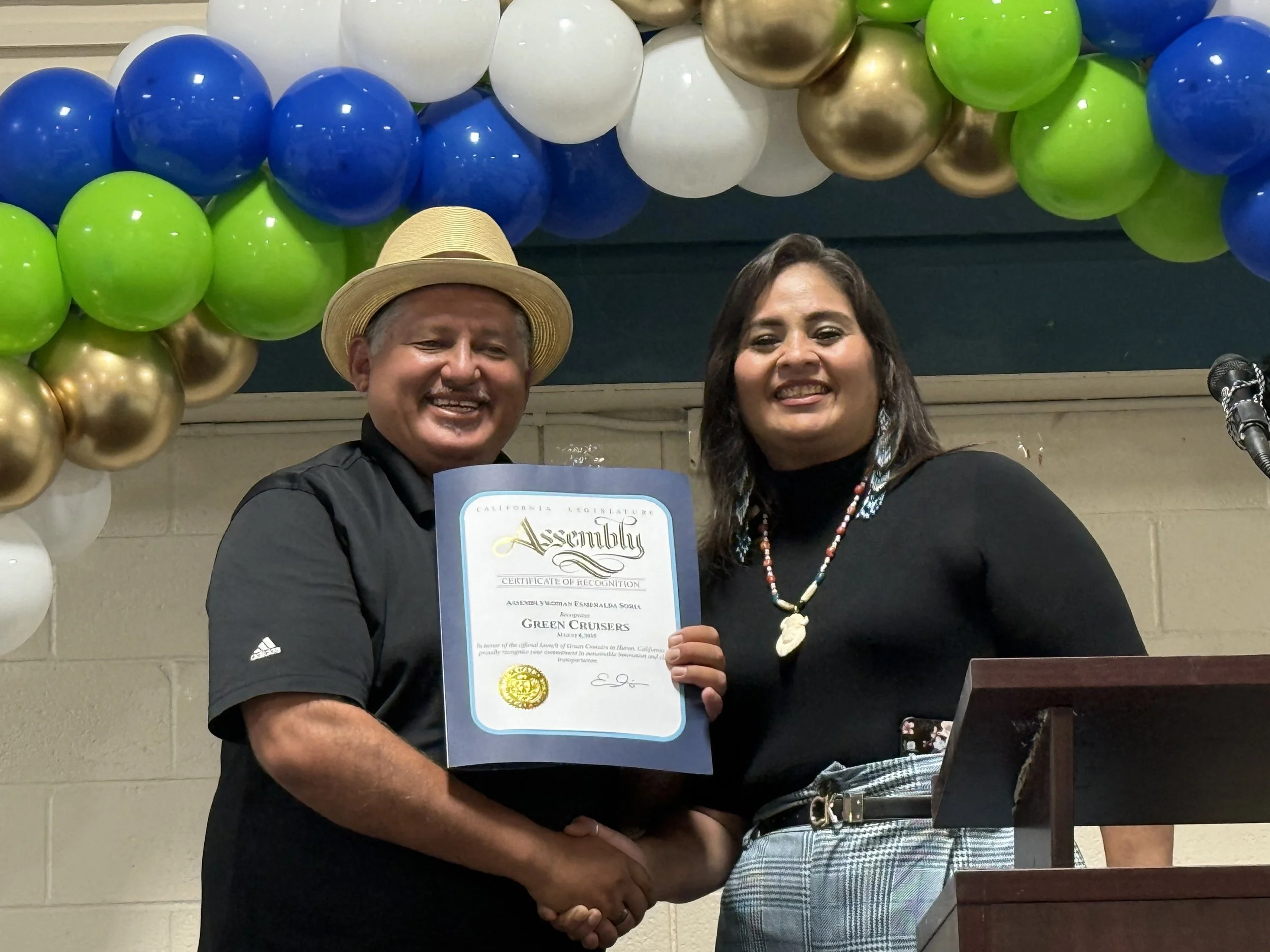
The Green Raiteros and Green Cruisers Program has received funding through the Clean Mobility Options program.
-
Check out the Green Raiteros website to learn how to get involved.