Workforce Development
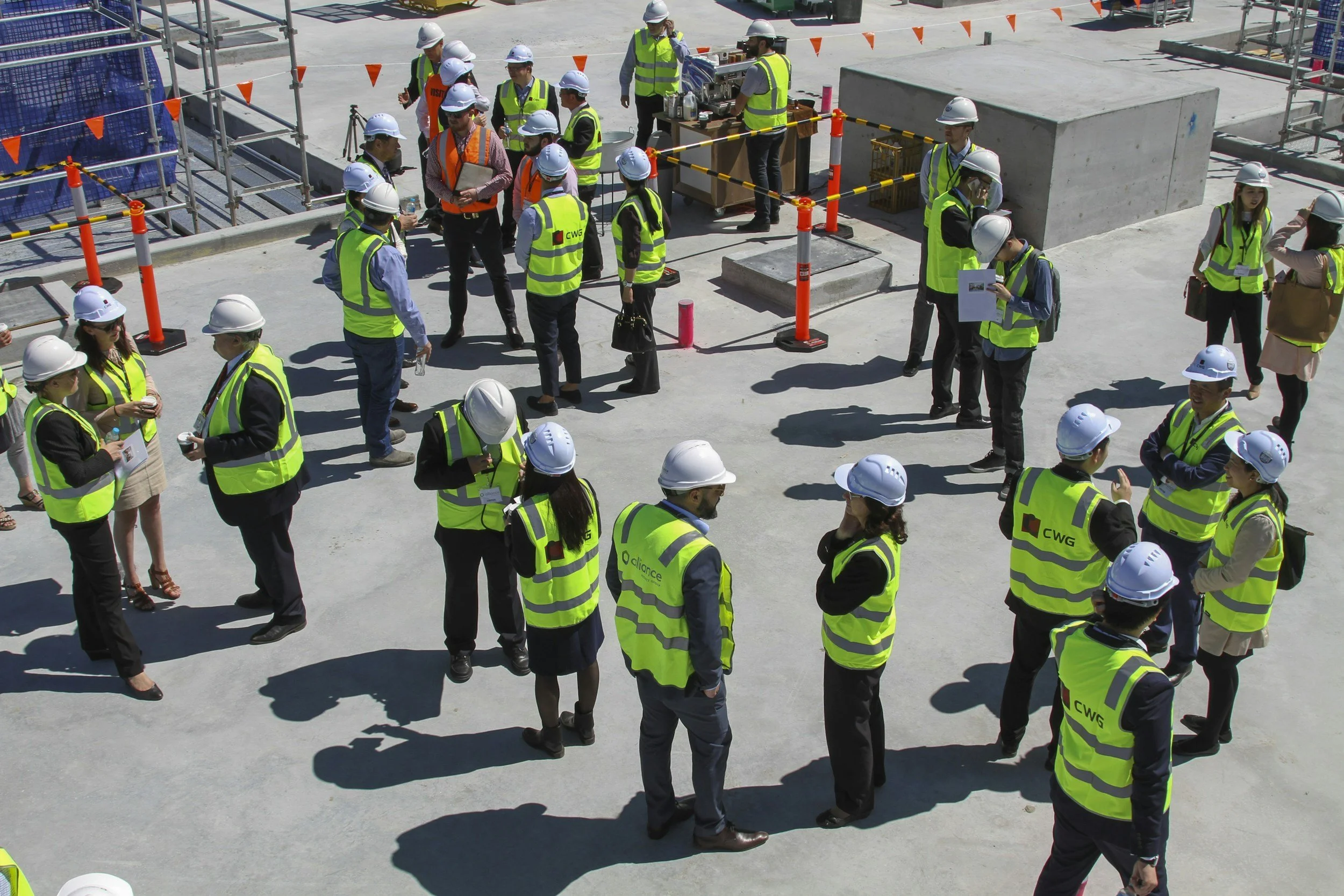
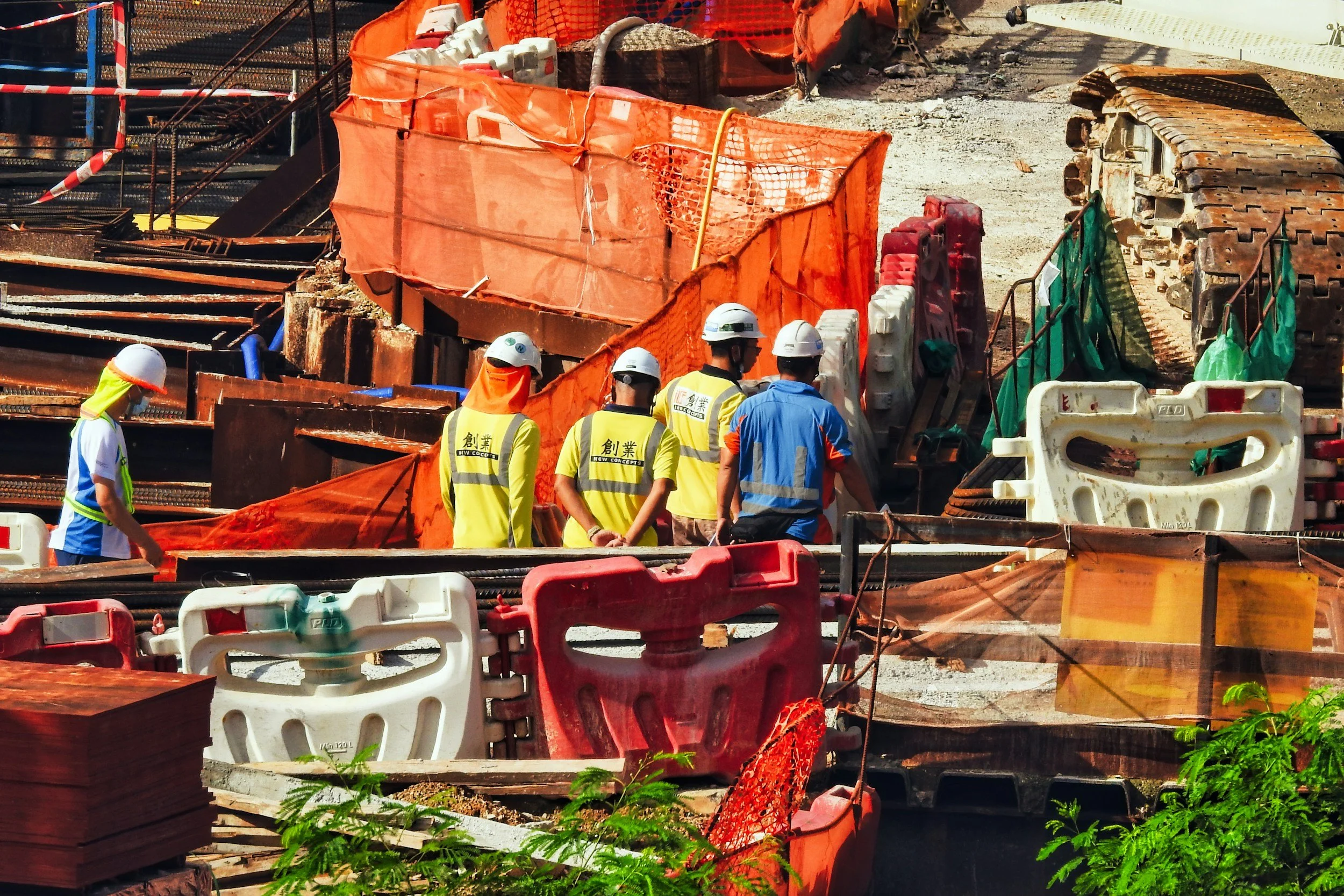
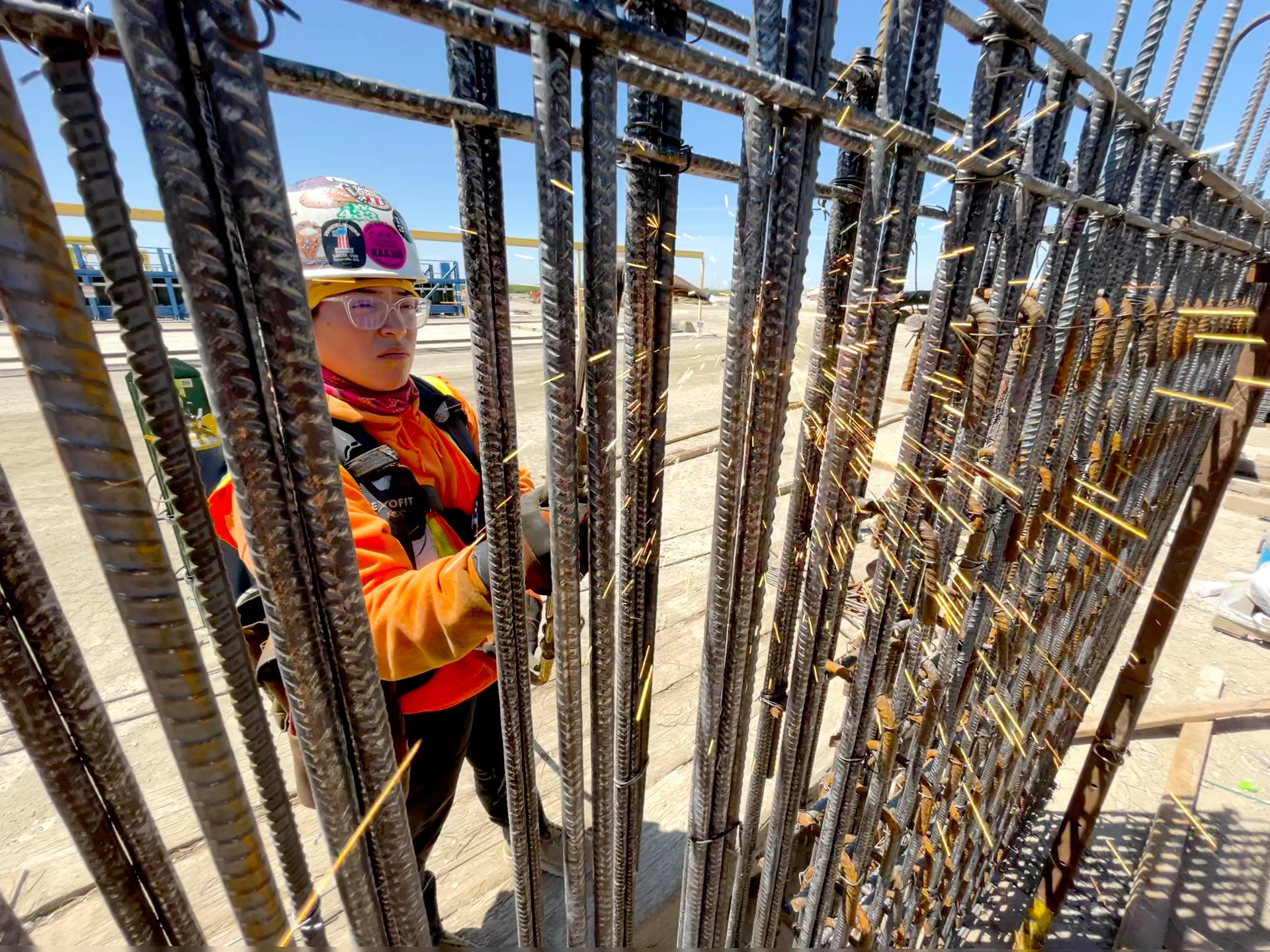
As California’s economy continues to transition to support clean energy and transportation, improved mobility, and sustainable land use and management, workforce needs will evolve. The types of available jobs and skills needed to obtain and progress in those careers will also change. California Climate Investments is helping to facilitate this transition through dedicated workforce development and training, establishing partnerships with training programs and academic institutions, and investing in projects that provide employment opportunities while facilitating greenhouse gas emissions reductions. For example, some programs are focused specifically on developing the workforce for a low carbon future, funding job training and workforce development in building energy efficiency and forestry sectors.
Workforce Development Updates
In response to the passage of Assembly Bill 680 in 2021, CARB updated the Funding Guidelines for Agencies that Administer California Climate Investments to incorporate workforce standards that support the creation of high-quality jobs in applicable California Climate Investments programs.
Investments in Action: Projects Supporting Workforce Development
California Workforce Development Board
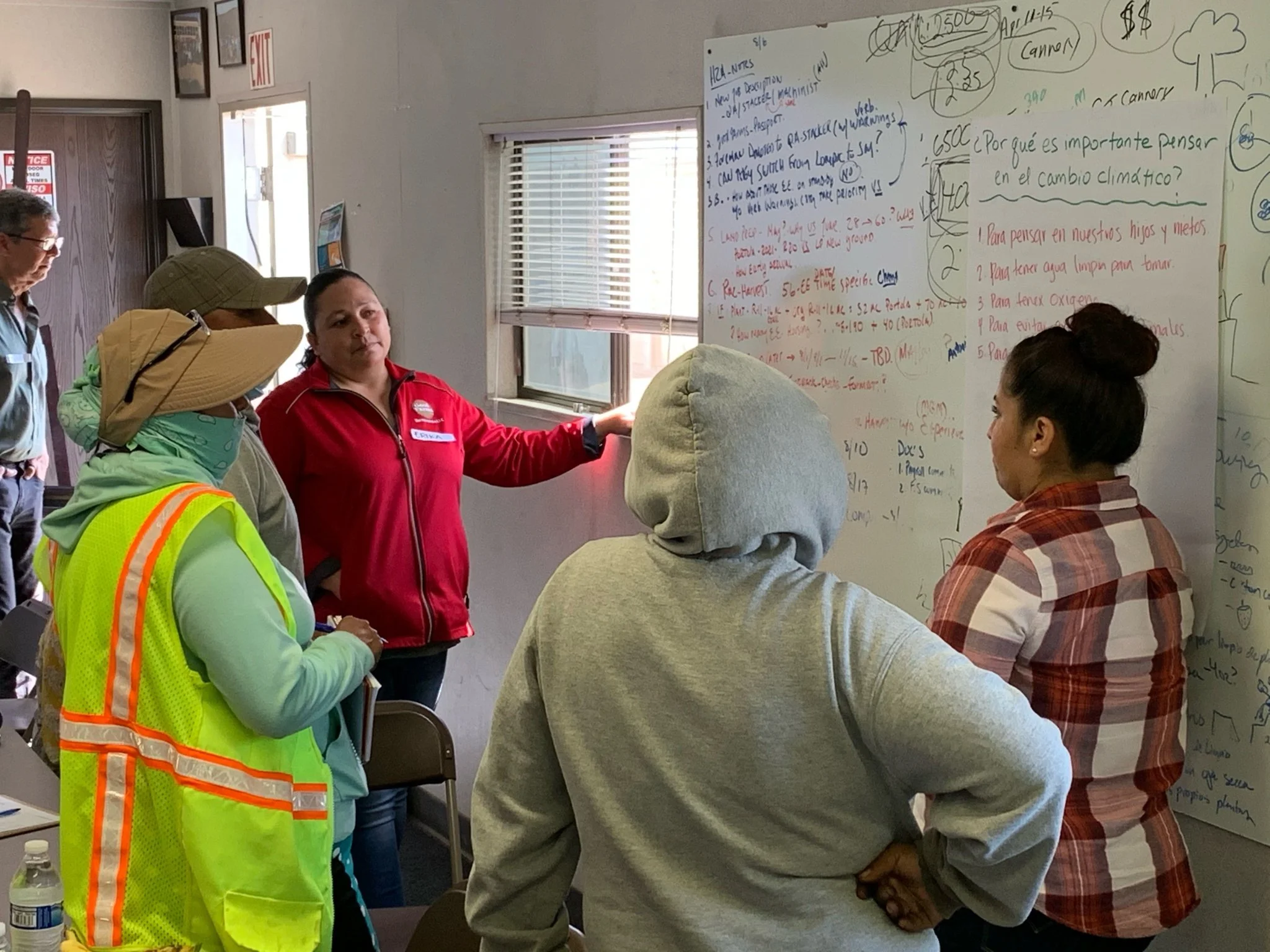
The High Road Training Partnerships Program granted nearly half a million dollars through the Equitable Food Initiative (EFI) to engage farmworkers and produce industry employers in the documentation and categorization of foundational, crop-specific, and technical skills. This work will support improved job quality for workers, a more professionalized workforce for employers, and the recognition of skills needed in environmentally sound agricultural production.
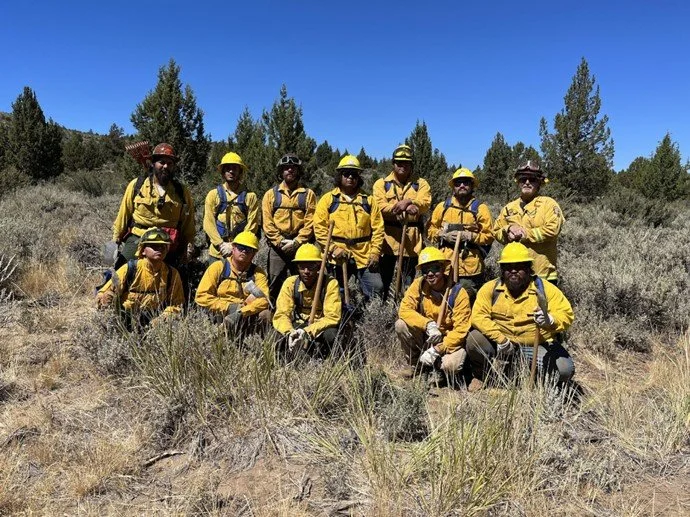
With support from California Climate Investments, the California Conservation Corps (CCC) is reducing wildfire risks by removing hazardous fuels in Paradise, Lake Tahoe, and Arcadia as part of the Training and Workforce Development Program. Through fuels reduction projects, Corpsmembers have treated over 90 acres of fire-prone land, creating defensible space and improving community safety. These efforts not only protect residents but also provide young adults with hands-on experience in forestry and wildfire mitigation, preparing them for careers in fire management and conservation.
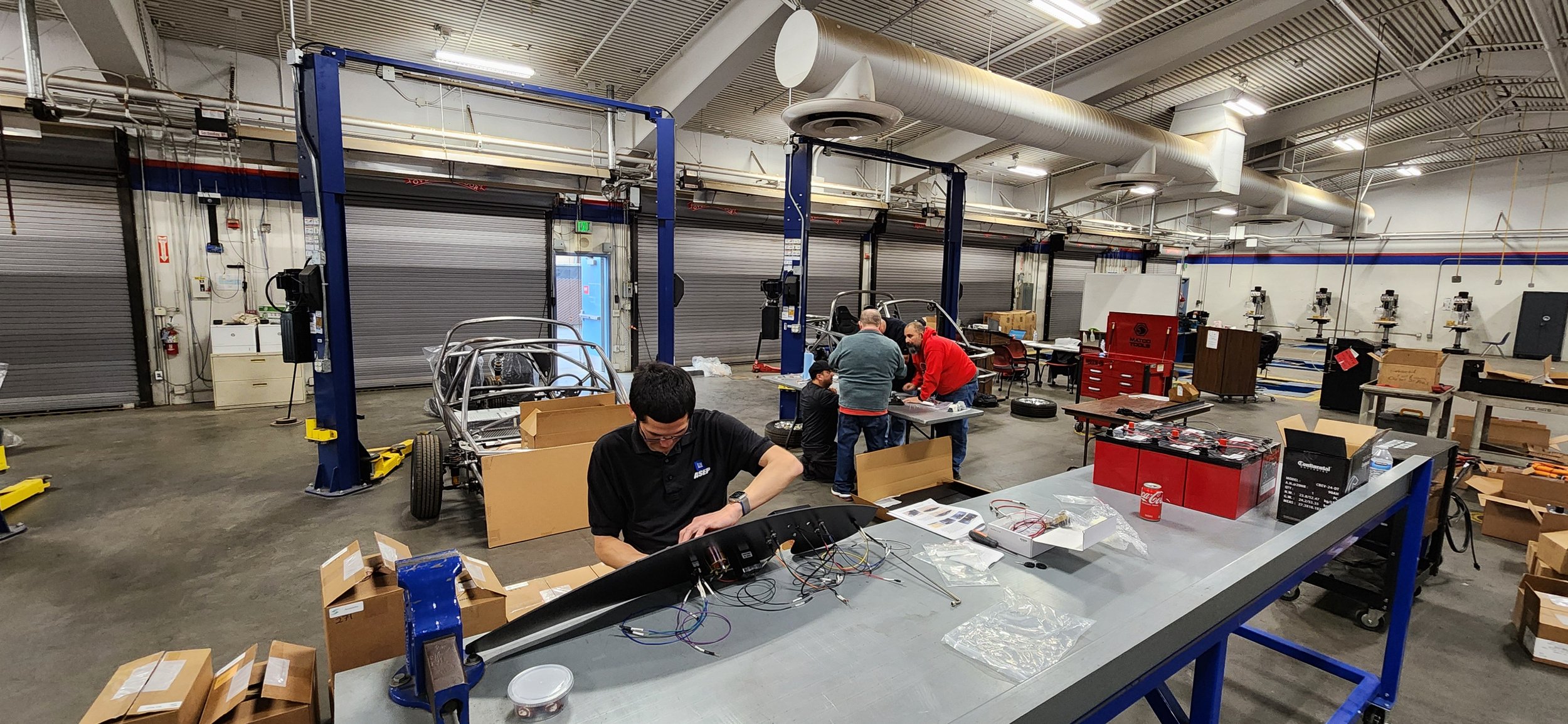
Through the Inclusive, Diverse, Equitable, Accessible, and Local (IDEAL) ZEV Workforce Pilot Project administered by the California Energy Commission and co‑funded by CARB, Fresno City College has offered three high schools in Fresno County the opportunity to introduce their automotive students to ZEV technology. Training was provided in December 2023 for high school teachers at each of the three schools, and they were provided with tools and equipment to offer the new ZEV curriculum starting in spring 2024.
California Workforce Development Board
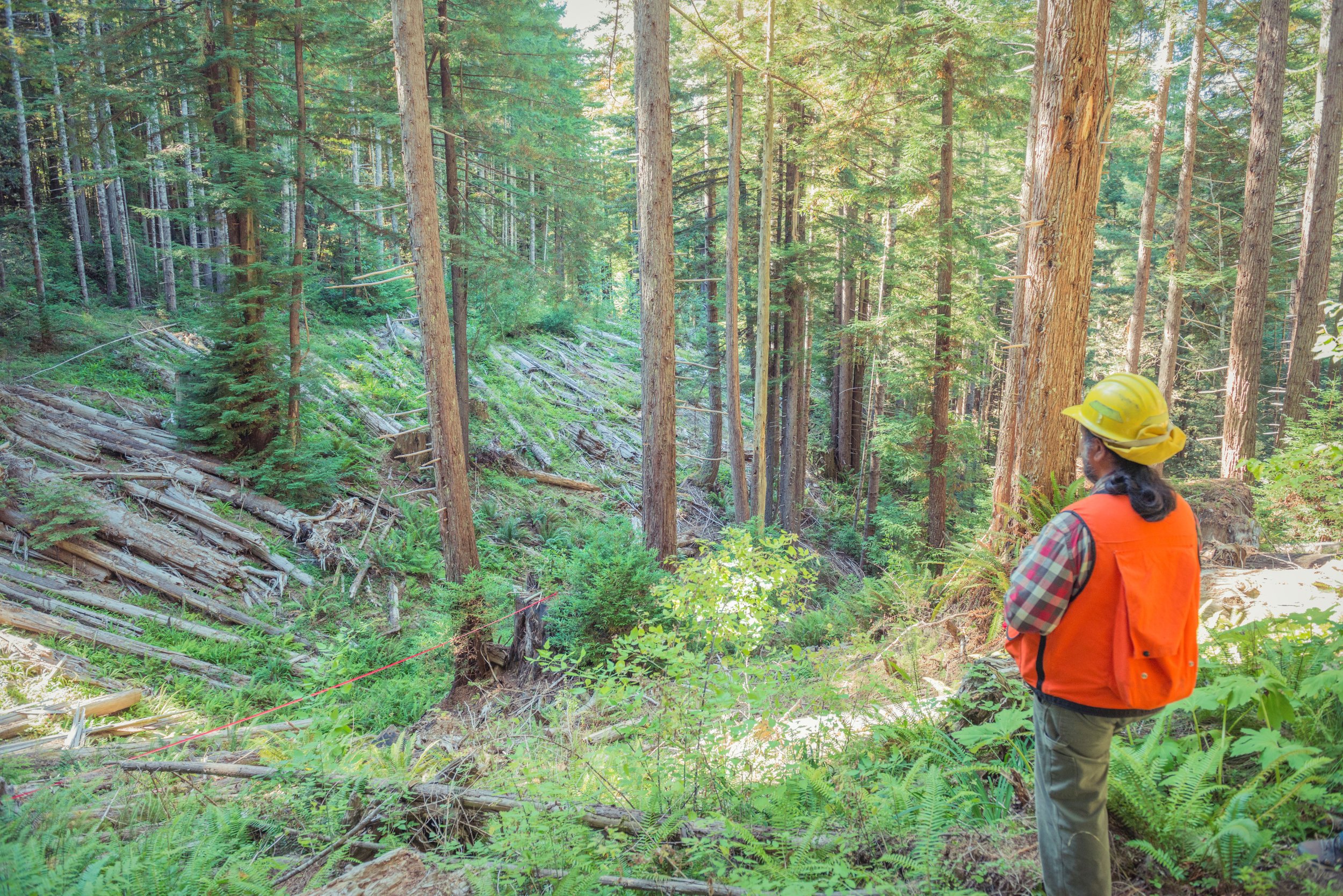
The High Road to Tribal Forest Restoration and Stewardship project provides foundational training and skill building tied directly to work experience in forest health and landscape restoration. Through a partnership between Tribes, nonprofits, and regional employers, the project is working to increase employment opportunities and build capacity for Tribal Forest restoration crews. The project has formally engaged with fourteen Tribes, with training participants from over twenty Tribes.
Kompogas SLO Inc. received $3 million through the Organics Grants program to build a high-solids anaerobic digester, to be known as the Lancaster Organic Waste Facility, at the existing Lancaster Landfill and Recycling Center in Antelope Valley. With this new anaerobic digester, Kompogas SLO Inc. will be able to process residential food and green waste collected by Waste Management Inc. throughout Antelope Valley, including in the cities of Lancaster and Palmdale, and turn it into renewable natural gas and high-grade compost.
Using $1.25 million from the Low-Carbon Economy Workforce program, the Expanding Energy Storage and Microgrid Training and Certification project is increasing the number of participating Electrical Joint Apprenticeship Training Centers from six to 21 centers located across the State. These training centers will help electricians and apprentices earn a certification demonstrating they have the skills to safely handle and diagnose modern energy storage systems and battery technologies.
The California Alliance for Community Composting (Alliance)is helping community groups develop or expand 50 community composting sites in disadvantaged and low-income communities across California using funds from the Community Composting for Green Spaces Grant Program. Altogether, these sites are expected to prevent nearly 11,000 tons of organic waste from going to landfills by creating compost, which prevents the release of greenhouse gases during its decomposition. The Alliance’s work will also provide communities with additional benefits, including free compost, job training, and more.
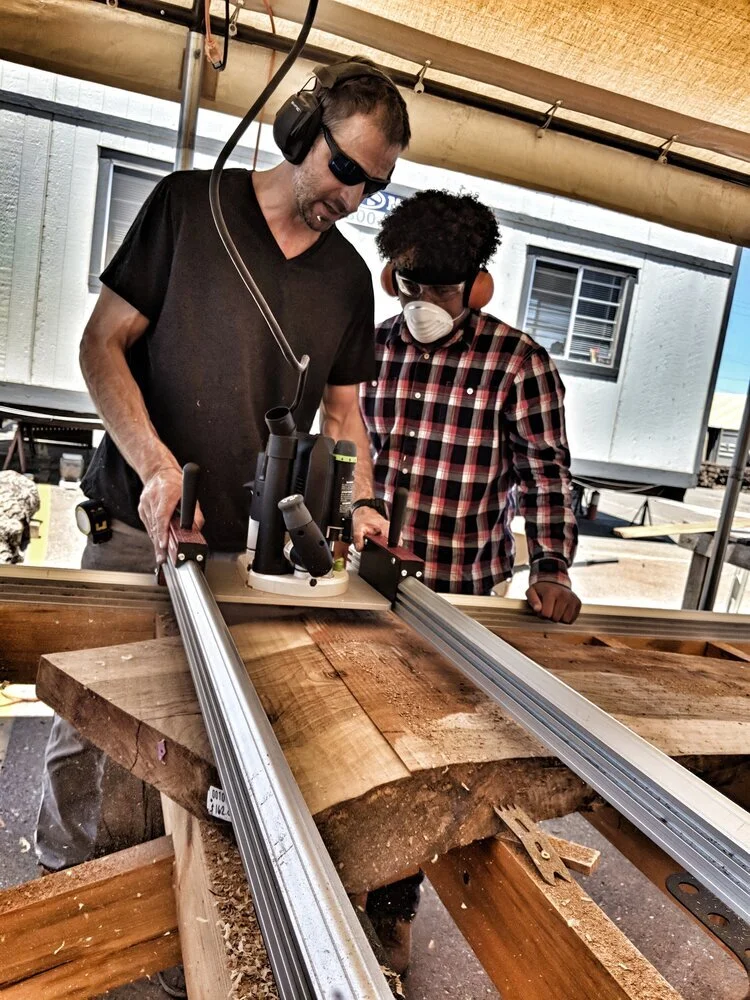
Funded in part by a nearly $1,000,000 grant from California Department of Forestry and Fire Protection’s Urban and Community Forestry Program, the Conservation Corps of Long Beach (CCLB) is implementing an urban wood recovery apprenticeship program that has the potential to be a model for other programs across California. This program is teaching Corpsmembers how to remove hazardous trees throughout the city, control insects and diseases, and divert woody biomass from landfills to help keep greenhouse gases sequestered in the wood. Additionally, trees will be replaced to mitigate poor air quality, a lack of urban green space, and improve storm water retention in disadvantaged communities. Ultimately, this program will provide a foundation for Corpsmembers interested pursuing jobs in urban forestry.
Thanks to $50,000 from the California Air Resources Board’s Fluorinated Gas Reduction Incentive Program, Stater Bros. Markets installed a climate-friendly refrigeration system at a new supermarket in Whittier that will result in a reduction of greenhouse gas emissions that is the equivalent to taking more than 1,000 vehicles off the road for one year. Since refrigerants are among the fastest growing climate pollutants worldwide it is important to have projects like this one to demonstrate that transitioning the grocery sector toward cleaner refrigerants is an effective strategy for mitigating climate change.
This program will deploy 38 electric yard trucks, 9 electric gantry cranes, 18 electric heavy lift forklifts, and 15 zero-emission Class 8 trucks. The program is also including a workforce development component with curriculum being developed to support the deployment of this technology with local school districts near the three port locations, community colleges and Long Beach State University.
With $4.1 million from California Natural Resources Agency’s Urban Greening program, this project is helping bring the community’s vision to fruition and will benefit thousands of community residents. The project will create a safe and green public space where neighbors can come together and a designated route for residents to bike and walk in a safe environment.
Urban Wood Rescue, a program administered by the Sacramento Tree Foundation, is transforming dead trees from around the Sacramento region into useful lumber.
The Allison Apartments, located in San Diego, were completely renovated and energy conserving refrigerators, LED lighting, and heat pump water heaters funded by LIWP were installed. Another CSD contracted partner, GRID Alternatives, installed an 87-kilowatt rooftop solar PV system and provided a workforce development opportunity to ten trainees, nine of whom subsequently found employment in the solar industry.
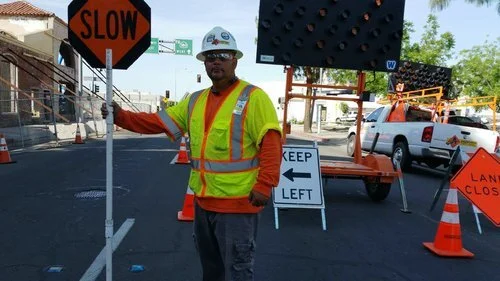
The High‑Speed Rail Authority is responsible for planning, designing, building and operating the first high‑speed rail in the nation. When complete, it will run from San Francisco to the Los Angeles basin in under three hours, providing a clean alternative to driving or flying. Funded in part by California Climate Investments, the project is already contributing to economic development and a cleaner environment, creating jobs, and preserving agricultural and protected lands.
The High Speed Rail Authority continues to use the cleanest equipment available to reduce its emissions, plant trees near the rail line to sequester carbon, and create jobs to provide opportunities and job skills to disadvantaged workers.
Fernando Madrigal, Jr. personifies the opportunities associated with high-speed rail. After 12 years of service with the Marine Corps, Fernando found work as a security guard. He then signed up for a 10-week training program sponsored by PG&E to introduce workers to the various constructions trades.
Students continue to flock to classes and training that can lead to jobs on California’s High-Speed Rail project and other infrastructure projects. Two years ago, Yovani Moreno took Pre-Apprenticeship Training classes at the Construction and General Laborers’ Local 294 union hall in Fresno.
Imperial Western Products, Inc. is demonstrating how clean energy technology can help food processing facilities advance California’s climate and energy goals.
Food Forward, which recovers produce and makes it available to hunger relief agencies in eight southern California counties, is expanding its Wholesale Produce Market Recovery Program. With the help of California Climate Investments, Food Forward will open a new “Produce Depot” near the wholesale produce market in downtown Los Angeles and double its food recovery capacity. In addition to fighting food insecurity in southern California, the project will benefit disadvantaged communities and the environment by supporting jobs and combating climate change.
Netafim Irrigation, Inc. received a total of $2,011,647 from California Climate Investment through the Recycled Fiber, Plastic, and Glass Grant Program. This money supports its operations as a closed‑loop recycling solution for used irrigation tubing that serves commercial farming operations in the Central Coast region of California. Netafim’s grant is expanding an established and successful recycling operation. As a result of this expansion in Netafim’s operations, the project is estimated to divert 83,059 tons of material from landfills and reduce greenhouse gas emissions by 66,447 metric tons of carbon dioxide equivalent.
Shark Solutions utilizes patented Shark Glass Separation technology, which processes flat laminated glass such as windshields, building glass, and safety glass.
Calgren Dairy Fuels (CDF) is the first California dairy digester pipeline cluster that upgrades dairy biogas to biomethane for utility pipeline injection. It is currently the only one of its kind in California, and with 20 digesters serving 22 dairies, it is the largest collective dairy biogas operation in the country.
The digester projects provide substantial environmental benefits by improving local air quality. Replacing the open-air lagoons of waste with a covered lagoon digester reduces manure-related emissions. Also, utilizing the methane in near-zero emissions natural gas vehicles replaces diesel vehicles and reduces NOX emissions by an estimated 90%.
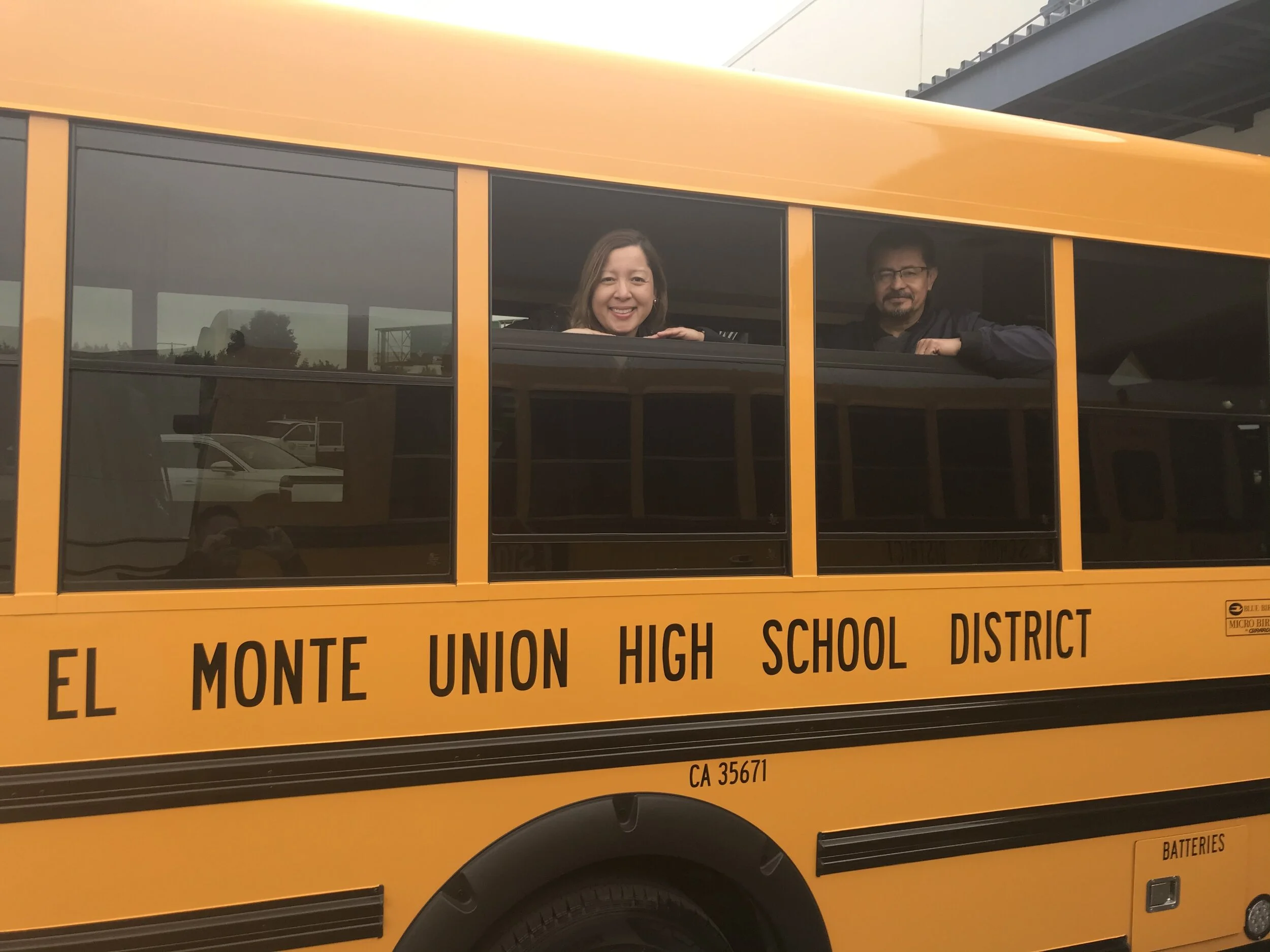
Thanks to $9.8 million from California Climate Investments, El Monte Union High School District will be able to implement their Clean Mobility in Schools project, one of three projects awarded to school districts across California in 2020. These funds will help El Monte Union High School District purchase battery electric school buses and charging infrastructure, energy storage infrastructure, develop an active transportation plan, and much more, across six high schools and one bus garage.
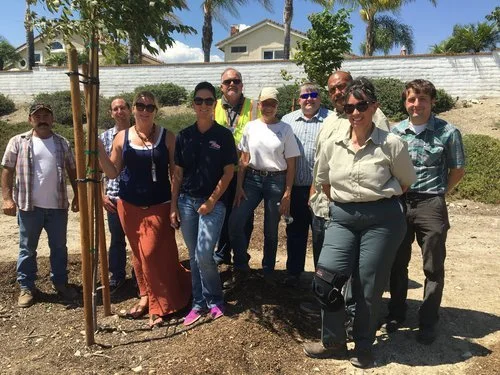
Spreading the green has a whole new meaning in part of Southern California. That’s because the Incredible Edible Community Garden (IECG) and CAL FIRE are using a $615,000 grant to plant shade trees throughout communities in south San Bernardino County.
Eugene is looking forward to a career in the energy industry. He is one of several dozen members of the California Conservation Corps (CCC) making a difference in their community, improving the environment, and developing marketable job skills.
Nestled along Little Sandy Creek along the northern edge of Fresno County sits the Town of Auberry. To prevent catastrophe from hitting the communities on the western edge of the Sierra National Forest, the California Department of Forestry and Fire Protection partnered with the California Conservation Corps to reduce the flammable woody material in the area.
The Transform Fresno initiative, with $66.5 million in Transformative Climate Communities (TCC) investments, allowed a broad group of stakeholders to collaborate on an integrated suite of projects meant to reduce disparities in these neighborhoods.
In the fifth round of its Sustainable Agricultural Lands Conservation program, the California Strategic Growth Council approved a $1,550,000 grant from California Climate Investments to the Land Trust of Santa Barbara County to purchase an easement that will permanently protect the 999‑acre Jalama Cañon Ranch. This year, with support from the California Department of Conservation and in partnership with the White Buffalo Land Trust, the Land Trust of Santa Barbara County focused on laying the groundwork for the agricultural easement so it can protect these agricultural and natural lands from conversion to more greenhouse gas‑intensive uses.
Programs that Fund Workforce Development and Training
Learn about all past and present programs that fund workforce development and training, including programs that are not actively receiving California Climate Investments funding.
Funds career development in the environmental sector for members of vulnerable communities.
Funds placement of full-time service members with public agency, nonprofit, tribal, and educational institution partners to support community engagement efforts.
Grants that support training program that increase access to high-quality jobs for underserved populations.
Funds fire engine procurement, training for local fire agencies, resources for emergency operations, and disaster relief for the California Mutual Aid System.
Grants to fire departments within High Hazard Severity Zones to protect communities from wildfires by pre-positioning emergency services crews and equipment during red flag events.
Funds California Conservation Corp, which enrolls young adults for a year of service resulting in job skills and work experience implementing forest fuel reduction, habitat restoration, and energy efficiency projects.
Funds community-led planning and capacity building projects that increase transportation equity in disadvantaged and low-income communities.
Funds commercial demonstrations of advanced vehicles, engines, equipment, transportation systems, and accompanying infrastructure in disadvantaged communities.
Funds workforce training and development to increase access to careers in the clean transportation and mobility sector for low-income individuals.
California Climate Investments Job Quality Principles
Workforce development efforts should achieve social, economic, and environmental co-benefits by improving job quality and access to high-quality jobs for priority populations, women, those facing barriers to employment, and others that have been underserved or underrepresented. A high-quality job facilitates an individual’s economic mobility by providing, at minimum, compensation at or above the regional median wage and offers vacation and sick leave, training opportunities, and retirement benefits featuring an employer contribution. Access to high-quality jobs and training opportunities fosters economic security.
Read the Funding Guidelines for Agencies that Administer California Climate Investments to learn more about California Climate Investments Job Quality Principles, which include wage and benefit standards, training pathways and upward mobility, local and targeted hiring mechanisms, supportive organizational culture, worker voice and representation, and workplace safety.
What is Assembly Bill 680?
Assembly Bill 680 directed CARB to work with the California Workforce Development Board to update the Funding Guidelines to provide guidance on the following workforce standards for certain California Climate Investments programs:
Fair and responsible employer standards
Inclusive procurement policies
Prevailing wage for construction work
Community workforce agreements for construction projects > $1,000,000
Preference for projects with educational/training partnerships
Preference to applicants that demonstrate creation of high-quality jobs
Applicability
The bill is limited to programs that receive continuous Greenhouse Gas Reduction Fund appropriations. Assembly Bill 680 and subsequent legislation exempted three of these programs, leaving the following four programs subject to the Assembly Bill 680 requirements:
Assembly Bill 680 then establishes exemptions for projects that involve federal funding, 100% affordable unit housing projects, technical assistance, research, and applicants that are not employers. The end result of these exemptions is a specific subset of projects for which there is a compliance obligation under the bill. Although these standards are only required for a subset of California Climate Investments programs and projects, all programs are encouraged to incorporate the job quality principles in the Funding Guidelines for Agencies that Administer California Climate Investments to support a robust workforce in the new, low-carbon economy and improve access to high-quality jobs.
Jobs Reporting
Some agencies administering California Climate Investments projects report information on jobs, which reflects actual employment associated with a project. View the most up-to-date jobs reporting template here.
In addition to jobs reporting, CARB also tracks the economic impacts of California Climate Investments through the Jobs Co-Benefit Assessment Methodology. This methodology uses information about general project expenses and known relationships between various economic sectors to prospectively estimate the number of direct, indirect, and induced jobs supported by California Climate Investments projects.
Directly Supported Jobs: Labor needed to complete work for a California Climate Investments project (e.g., housing construction, ecosystem restoration).
Indirectly Supported Jobs: Labor related to the supply chains that support projects. Funding a project generates demand for materials and equipment to complete the project, leading to expanded production and employment in upstream industries (e.g., manufacturing construction equipment, zero‑emission vehicle parts, solar panel components).
Induced Jobs: Labor related to the spending of income from directly and indirectly supported jobs which in turn stimulates demand for goods and services in the wider California economy.
Though the Job Co-Benefit Assessment Methodology provides general estimates of the direct, indirect, and induced jobs, it cannot estimate when these jobs will occur, how long the jobs will last, or any metrics related to job quality. Read the Annual Report to the Legislature on California Climate Investments Using Cap and Trade Auction Proceeds to view the latest modeled jobs estimates.
Jobs Reporting Resources and Policy Guidance
Featured Resources
California Air Resources Board
Table that provides the 2025 regional median wage by county using the regional median wage methodology.
California Air Resources Board
Table that provides the 2025 regional median wage by county using the regional median wage methodology.
California Air Resources Board
This supplemental guidance provides a standard methodology for administering agencies to determine regional median wage.
California Air Resources Board
Guides that walk administering agencies, applicants, and funding recipients through calculating project benefits to priority populations.
California Air Resources Board
Benefit Criteria Tables are used by administering agencies and applicants to determine if a project selected through a solicitation released on or before February 28, 2025 will meaningfully address an important community or household need and provide a benefit.
California Air Resources Board
Administering agencies must use CARB tools to develop effective programs and demonstrate compliance with program requirements. View tools for estimating GHG emissions reductions and co-benefits, determining benefits to priority populations, and reporting outcomes.
California Air Resources Board
Provides uniform methods that can be applied statewide and are accessible by all applicants and funding recipients, uses existing and proven tools or methods, where available, and identifies the appropriate data needed to calculate co-benefits.
State & Federal Program Implementation Resources
The resources included below were developed by state and federal agencies and include recommendations for public programs on how to design, monitor, and evaluate programs to support high-quality jobs.
Featured Resources
Mental Health Services Oversight and Accountability Commission
Overview of standards organizations can implement to support employee mental health and create a positive workplace culture.
Department of Civil Rights
Process to file a complaint related to workplace harassment, discrimination, or retaliation.
Department of Industrial Relations
Pre-apprenticeships and registered apprenticeships are overseen by DIR’s Division of Apprenticeship Standards. Learn how to become an apprentice or start an apprenticeship program.
Department of Industrial Relations
DIR oversees compliance with labor laws. Workers may report a violation to DIR. View laws, regulations, and policies and other resources for workers and employers.
Department of Industrial Relations
California employers have many different responsibilities under the California Occupational Safety and Health Act of 1973 and Title 8 of the California Code of Regulations. Learn about these employer responsibilities related to health and safety.
Department of Industrial Relations
CalOSHA oversees workplace safety. Learn about CalOSHA, access safety and health guidance and resources, and find information for workers and employers.
Department of Industrial Relations
DIR maintains authority over labor requirements related to public works. Learn more about public works and prevailing wage.
Department of Industrial Relations
The Public Works manual outlines requirements relating to public works and prevailing wage.
Department of Industrial Relations
The Department of Industrial Relations (DIR) posts prevailing wage determinations twice a year that regulate covered workers. View determinations and find answers to frequently asked questions.
California Workforce Development Board
Learn about the elements of a high-quality job and how high road training partnerships approach is creating a workforce development system that ensures job quality and an ecosystem of economic prosperity.
California Workforce Development Board
The California Workforce Development Board (CWDB) includes job quality as one of the three elements of its High Road vision. Ranging from transportation to healthcare, hospitality to construction, the High Road approach embodies the sector strategy championed by the Board: industry partnerships that deliver equity, climate resilience, and job quality. Along with these program investments, CWDB is producing a body of policies and principles to guide alignment across the workforce and education system.
Contact Us!
Contact us with your comments, ideas, or questions using the form below:
We would like your input on how to best foster equitable workforce development through California Climate Investments programs. Please let us know any thoughts, concerns, or suggestions in the comment box below.