

Outreach and Engagement Resources
Whether you are an administering agency or a potential applicant, planning and conducting public outreach and community engagement is integral in ensuring programs and projects incorporate community needs and feedback into design and that programs project provide direct, meaningful, and assured benefits to community members.
What is Outreach and Engagement?
Outreach is an important component of all California Climate Investments programs. For example, there is a great deal of public interest in learning about funding opportunities. The earlier the information is made publicly available, the easier it is for people to get involved and prepare funding proposals or submit applications.
Community engagement is the process of working collaboratively with a diverse group of interested parties to address issues affecting their well-being. It is a dynamic process rooted in relationship-building that facilitates communication, interaction, feedback, and involvement between a community and their government. It involves sharing information, building relationships and partnerships, and involving collaborators in planning and making decisions with the goal of improving the outcomes of policies and programs. To ensure projects provide direct, meaningful, and assured benefits to a community, California Climate Investments projects should directly engage the community in all phases of development and implementation.
California Climate Investments Outreach and Engagement Tools

California Air Resources Board
Calendar containing upcoming California Climate Investments funding timelines, public participation opportunities such as workshops, public comment periods, listening sessions, and more.

California Air Resources Board
Current opportunities to participate in identifying areas for improvement of existing materials and ideas for tools and resources to help achieve the objectives and principles of California Climate Investments.

California Air Resources Board
Subscribe to the newsletter and read past newsletters in English and Spanish.

California Air Resources Board
Bingo game to help children learn about California Climate Investments and how California is combating climate change.

California Air Resources Board
A fortune teller game to help children learn about California Climate Investments and how California is combating climate change.
Determine the Level of Participation
Public participation can be any process that directly engages the public in decision-making and gives full consideration to public input in making that decision. Some participation strategies will be better suited for a given program or project type than others.
Explore additional information on the spectrum of public involvement to consider.

California Air Resources Board
Guidance to support a consistent approach to community engagement to build trust and strong relationships with communities and ensure equitable outcomes for all California

U.S. Environmental Protection Agency
This document illustrates EPA’s spectrum of public involvement, which is characterized by five different “outcomes” that result from public involvement in agency decisions. It parallels the IAP2 Spectrum, but is tailored to the specific needs of a regulatory agency.

U.S. Environmental Protection Agency
This guide provides tools for public participation and public outreach in environmental decision-making. It will help you identify some of the best practices for planning, skills and behaviors that government agencies can use to design and implement a meaningful public participation program.

California Air Resources Board
Recommendations and lesson learned for incorporating community leadership into many different stages of a program or project.

International Association for Public Participation (IAP2)
IAP2's Spectrum of Public Participation was designed to assist with the selection of the level of participation that defines the public's role in any public participation process.
Plan for and Conduct Outreach and Engagement
Explore promising practices and lessons learned for conducting outreach and engagement in climate programs and projects.
California Air Resources Board
Guidance to support a consistent approach to community engagement to build trust and strong relationships with communities and ensure equitable outcomes for all California

California Climate Investments
Excerpts from the Transformative Climate Communities Program Guidelines that establish minimum requirements for a Community Engagement Plan to ensure applicants involve residents from the project area and key stakeholders in all phases of TCC proposal development and implementation.
California Air Resources Board
Recommendations and lesson learned for incorporating community leadership into many different stages of a program or project.

California Department of Public Health
Designed to support effectively implementing the strategies in the Engaging Communities for Health Equity and Environmental Justice: A Guide for Public Agencies.
Investments in Action: Community Engagement Project Profiles

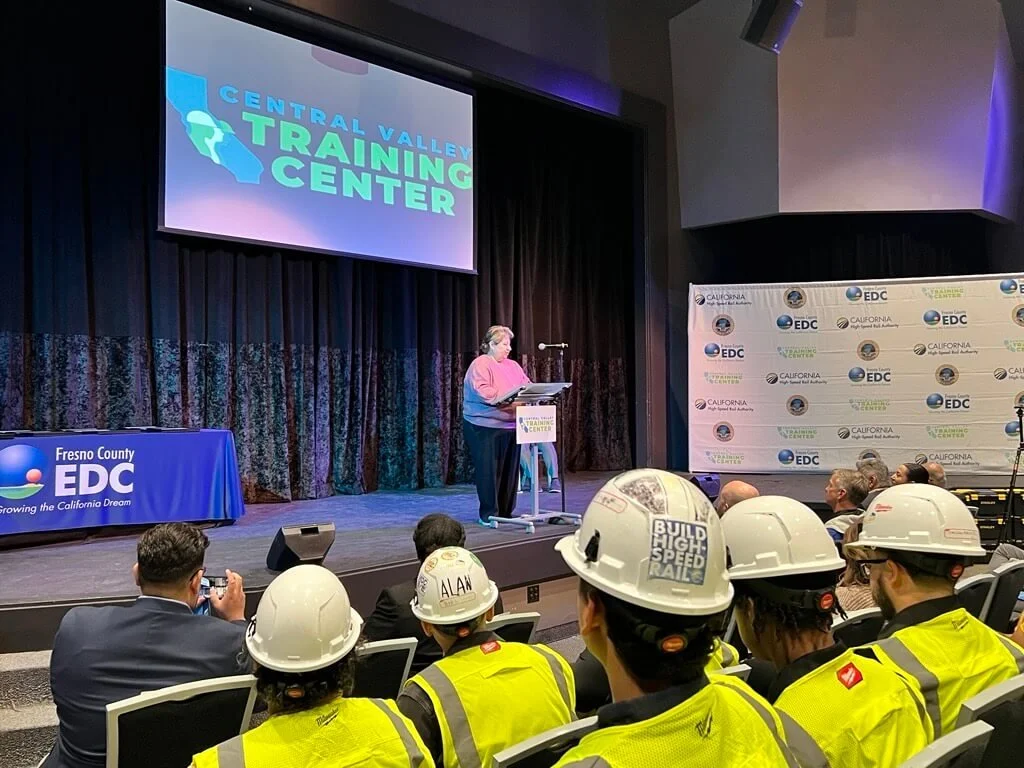
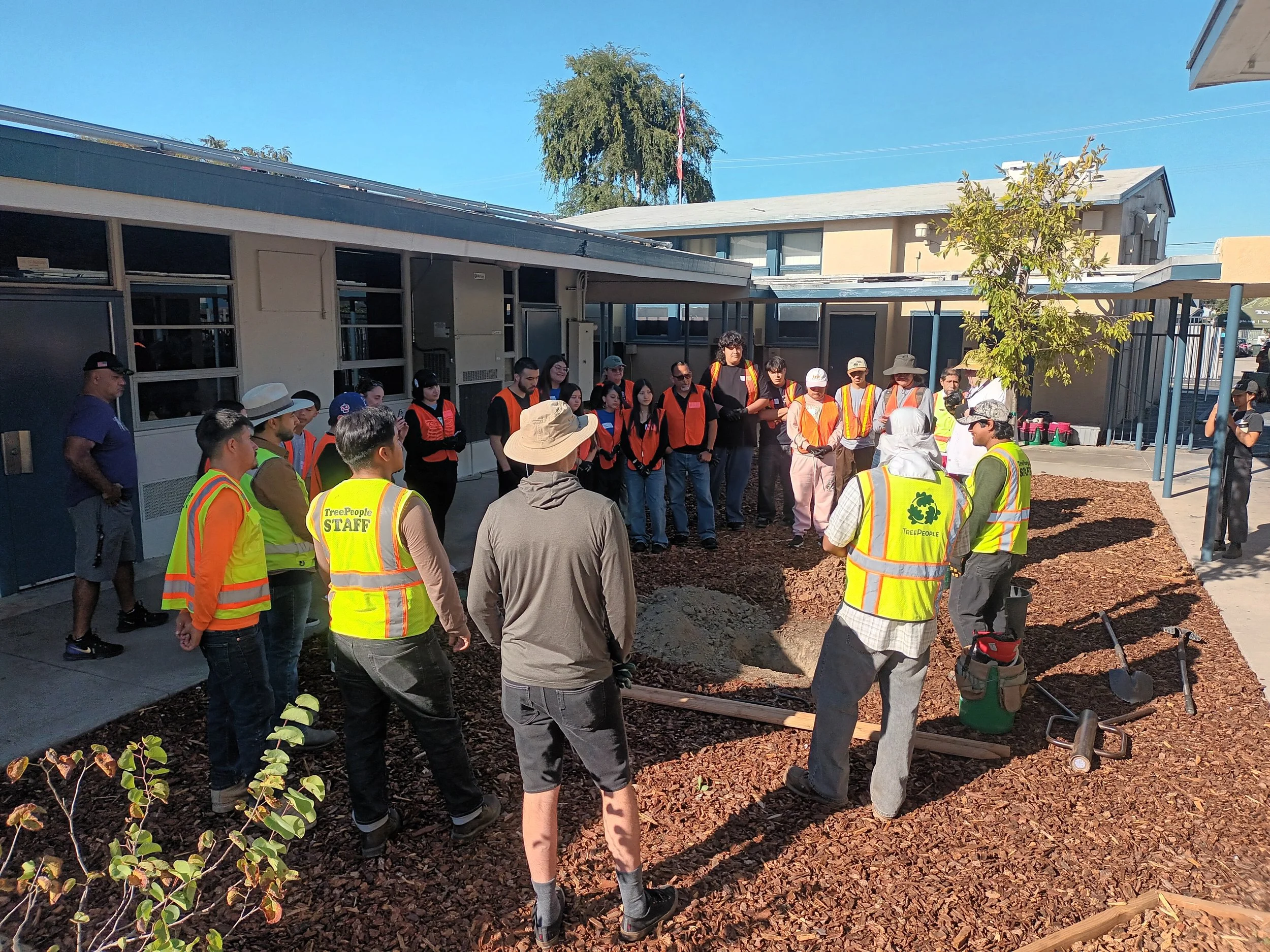
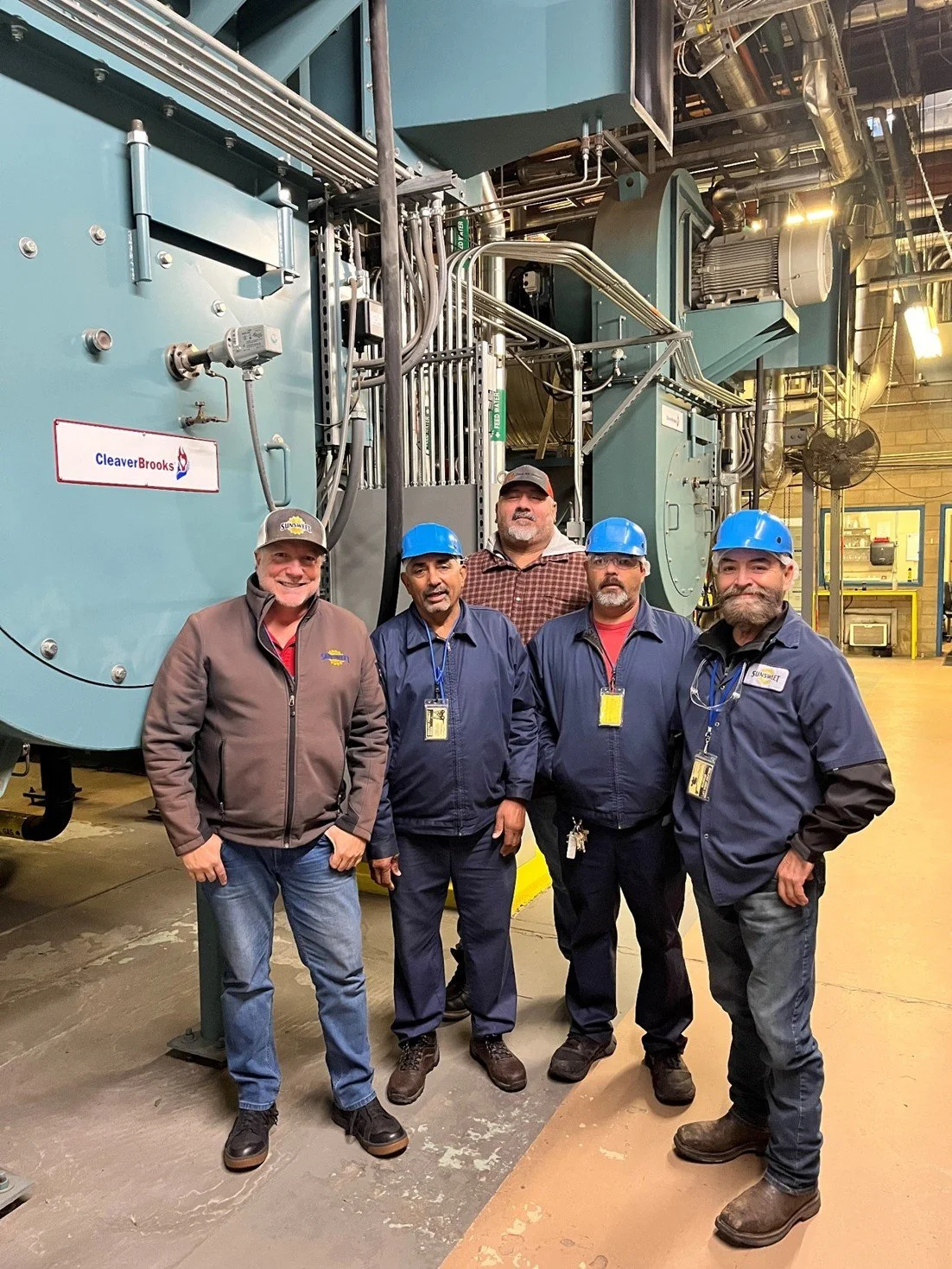
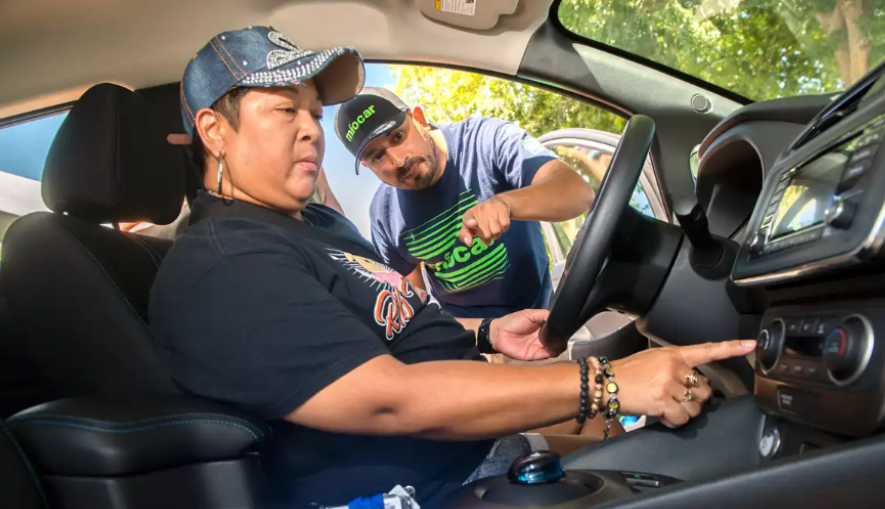
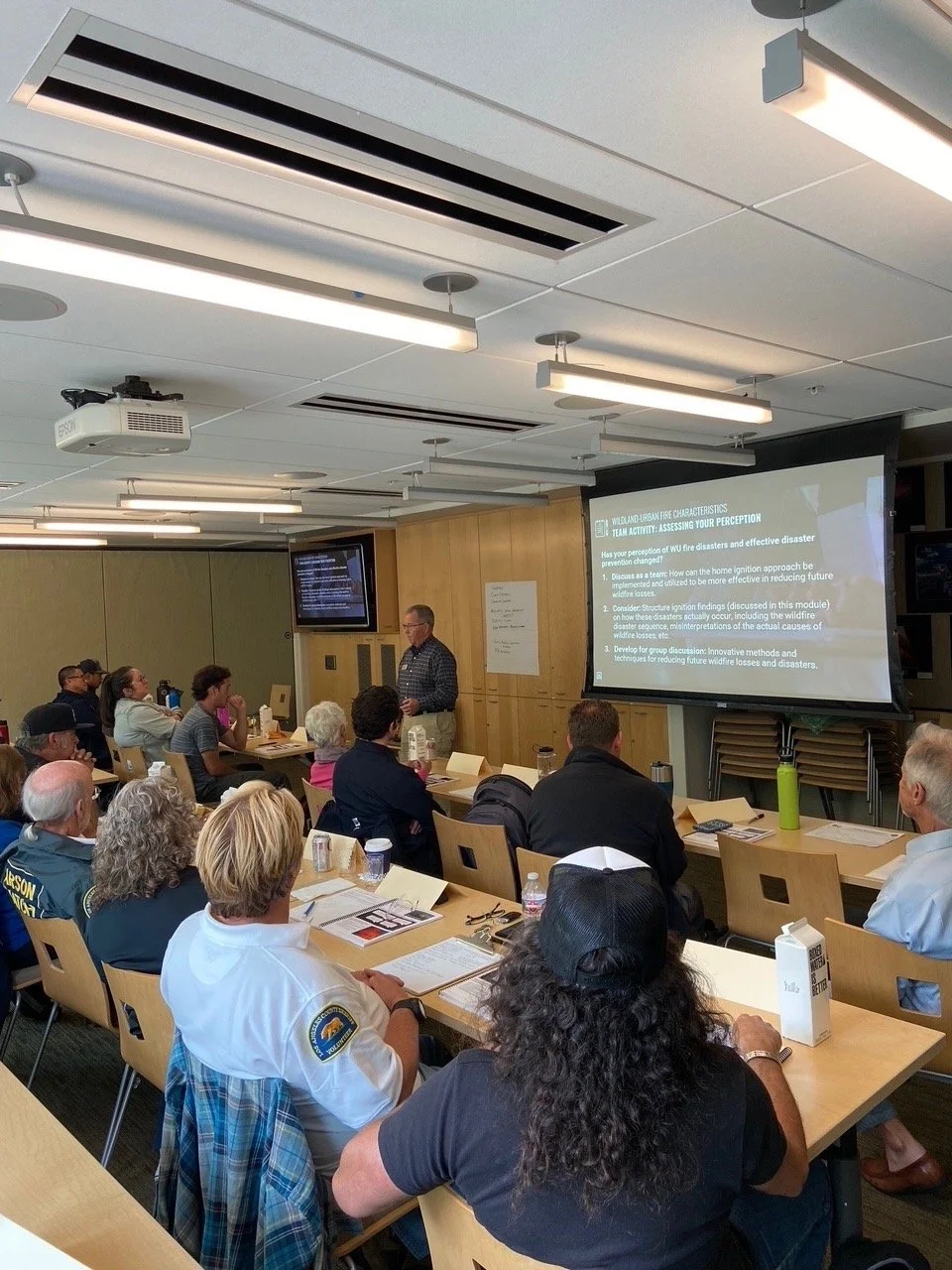
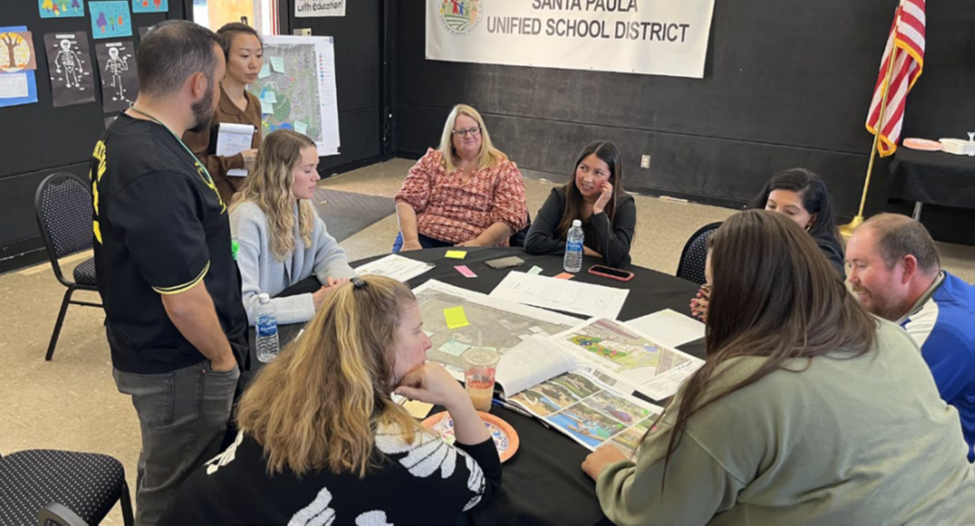



Strategic Growth Council
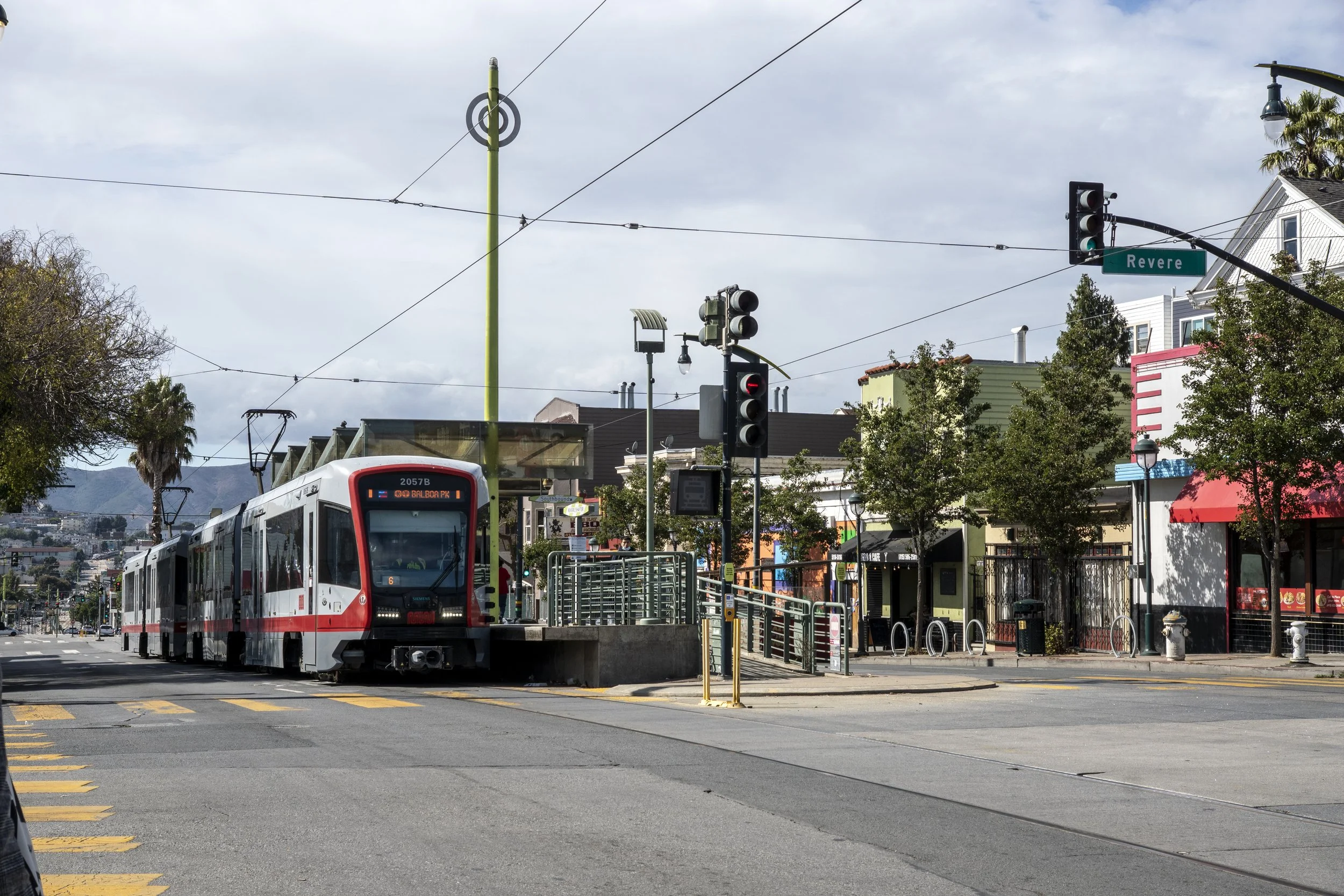
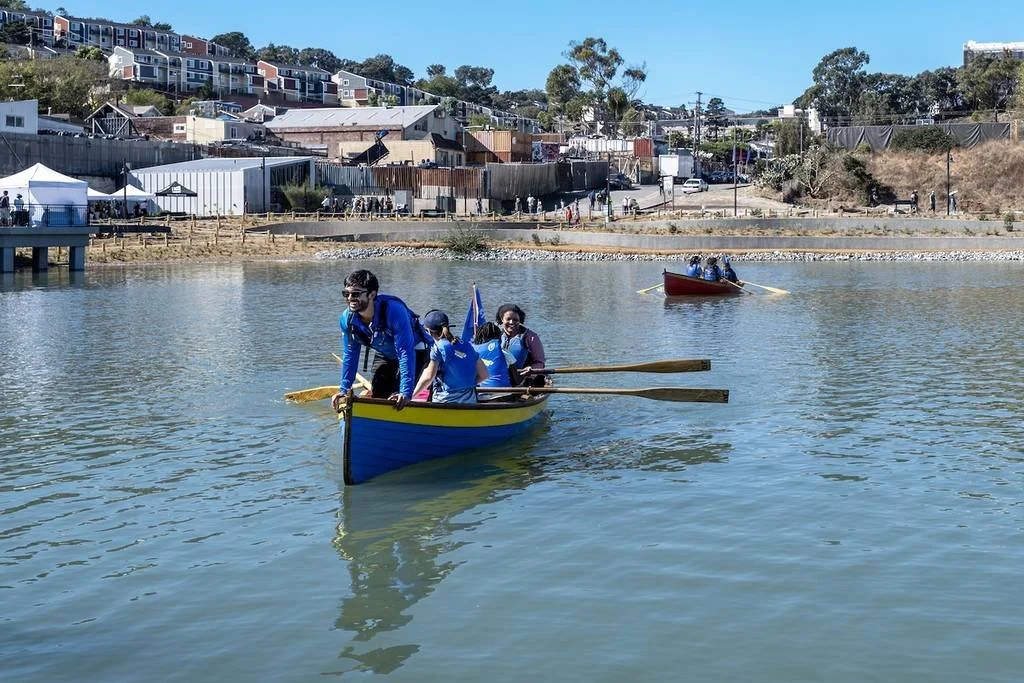
The Sacramento Integrated Multimodal Place-Based Living Project is a Transformative Climate Communities initiative aimed at strengthening community engagement, increasing affordable housing, and expanding public transit in the River District neighborhood of Sacramento. One of the key features of the project, the Dos Rios Light Rail Station, will significantly increase residents’ accessibility to Downtown Sacramento and the greater Sacramento Area. The Mirasol Village Community Garden represents another success of the initiative, giving residents the opportunity to cultivate fresh produce and forge community bonds.
California Workforce Development Board
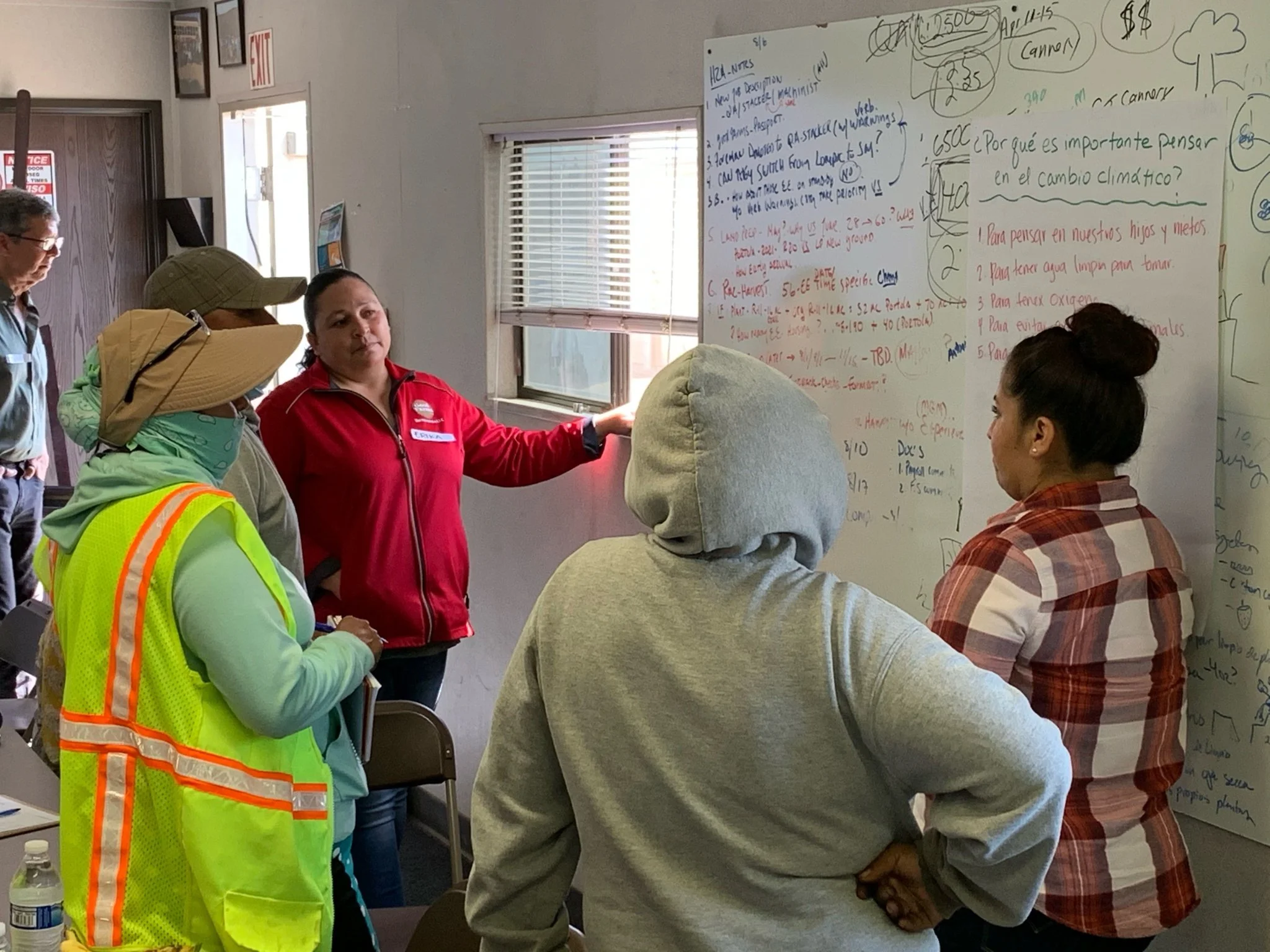
The High Road Training Partnerships Program granted nearly half a million dollars through the Equitable Food Initiative (EFI) to engage farmworkers and produce industry employers in the documentation and categorization of foundational, crop-specific, and technical skills. This work will support improved job quality for workers, a more professionalized workforce for employers, and the recognition of skills needed in environmentally sound agricultural production.

California Department of Community Services and Development
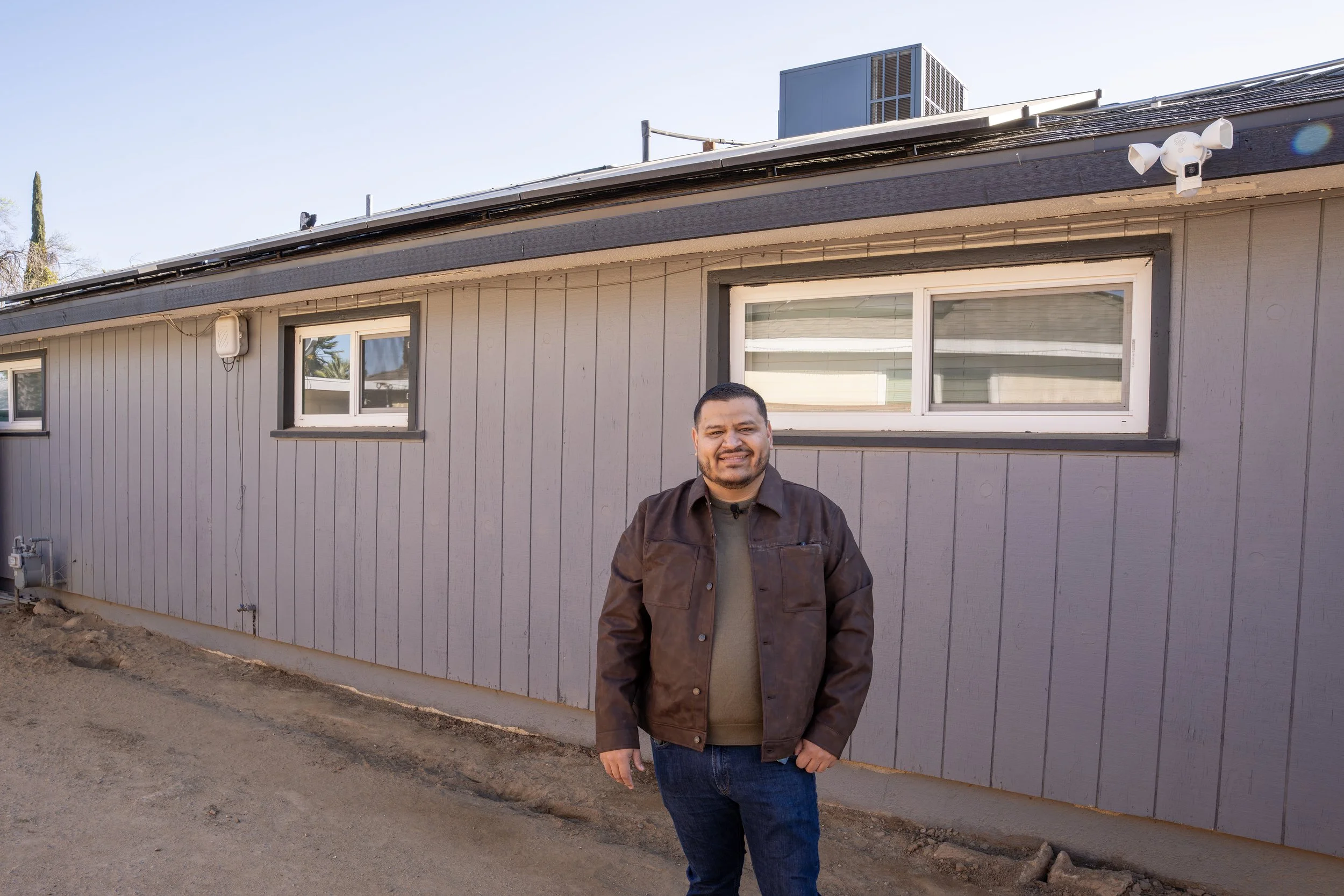
The Low-Income Weatherization Program’s Multifamily Energy Efficiency and Renewables Program has been instrumental in increasing climate resilience and renewable energy use in low-income communities across California and incentivizes owners of low-income multifamily housing to retrofit their properties with energy efficiency technologies and solar panels. These upgrades reduce GHG emissions while lowering energy costs, delivering tangible benefits to communities that need them most.

California Natural Resources Agency
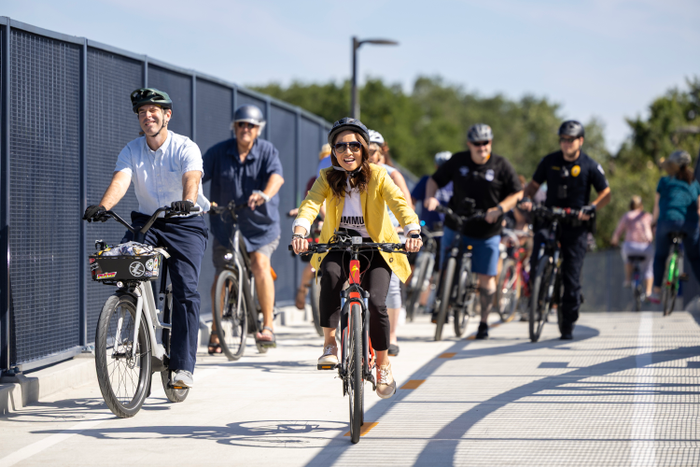
Amigos de Los Rios, a Southern California-based nonprofit, is using California Climate Investments funding received through the Urban Greening Program, administered by the California Natural Resources Agency, to create an Emerald Necklace, a 17-mile loop of parks and greenways connecting disadvantaged communities to urban green spaces. The nonprofit recently transformed the exterior of Mary Jackson Elementary School in Altadena and revitalized a section of the Rio Honda Bike Path, integrating native plants and natural infrastructure to capture carbon and filter groundwater.

California Department of Food and Agriculture
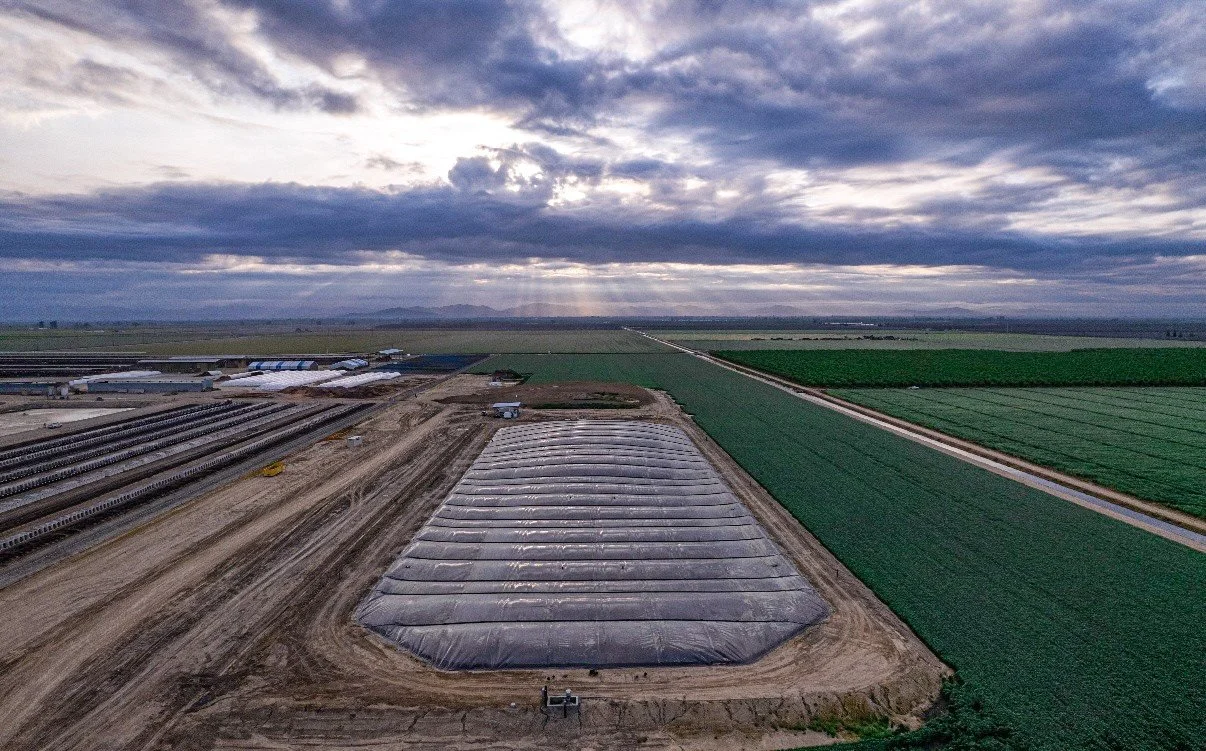
Vander Woude Dairy, a family-owned and operated business in Merced, California, has leveraged California Climate Investments (CCI) funding through the Dairy Digester and Development Program (DDRP) to implement an innovative covered lagoon digester for methane capture. The digester will process manure solids daily, capturing methane to be converted into Renewable Compressed Natural Gas for vehicle use at the dairy.

California Department of Food and Agriculture
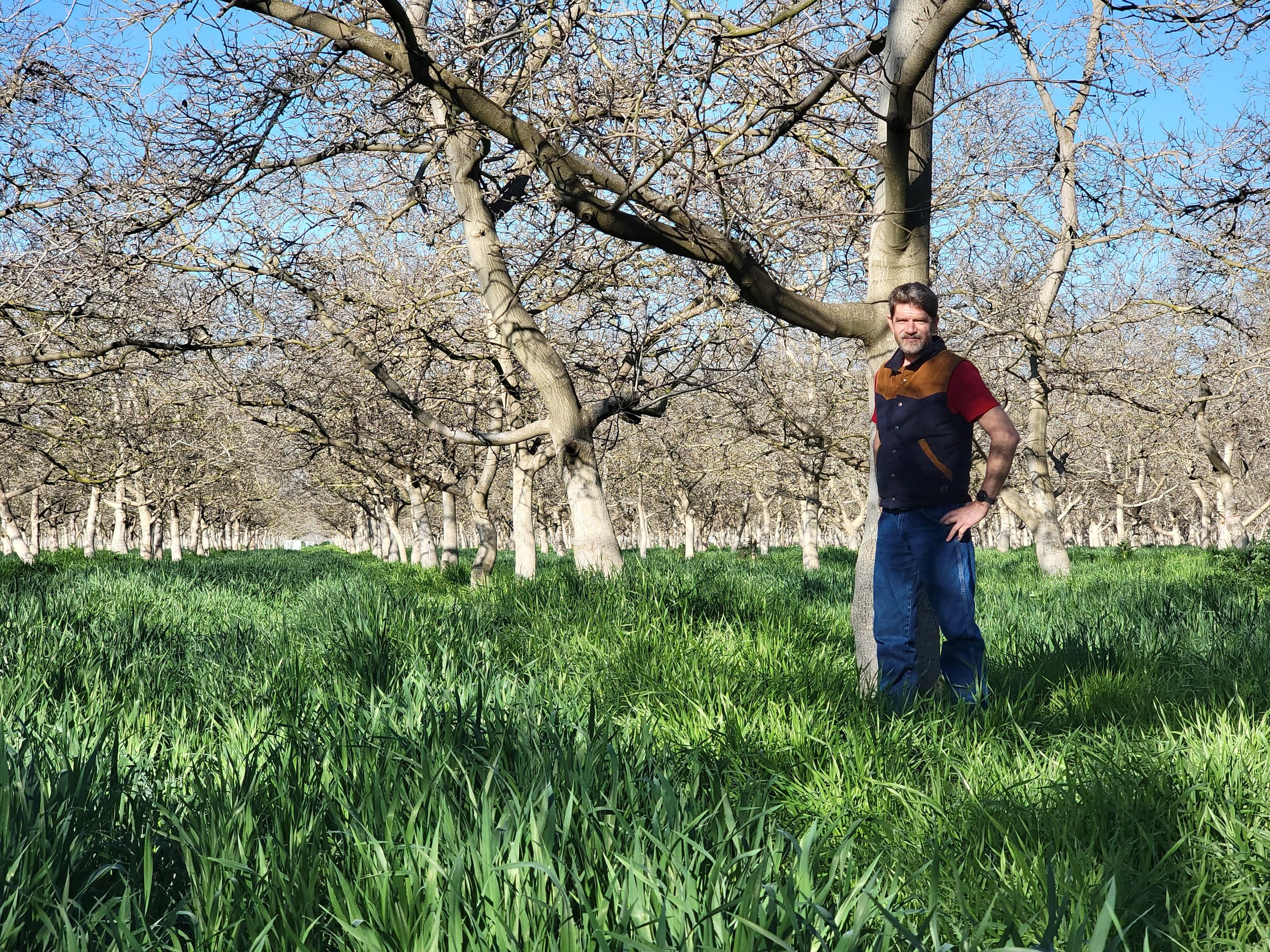
The Triple C Dairy Compost Barn and Solid Separation Project received California Climate Investments funding in 2019 through the Alternative Manure Management Program (AMMP). Triple C Ranch, an organic dairy located in Sonoma County, used the funding to install a new compost bedded pack barn to house a portion of the herd during winter months, automate scrape collection of manure from barn alleyways, and add a solid-liquid separator that would reduce the amount of collected manure entering anaerobic storage.

California Air Resources Board
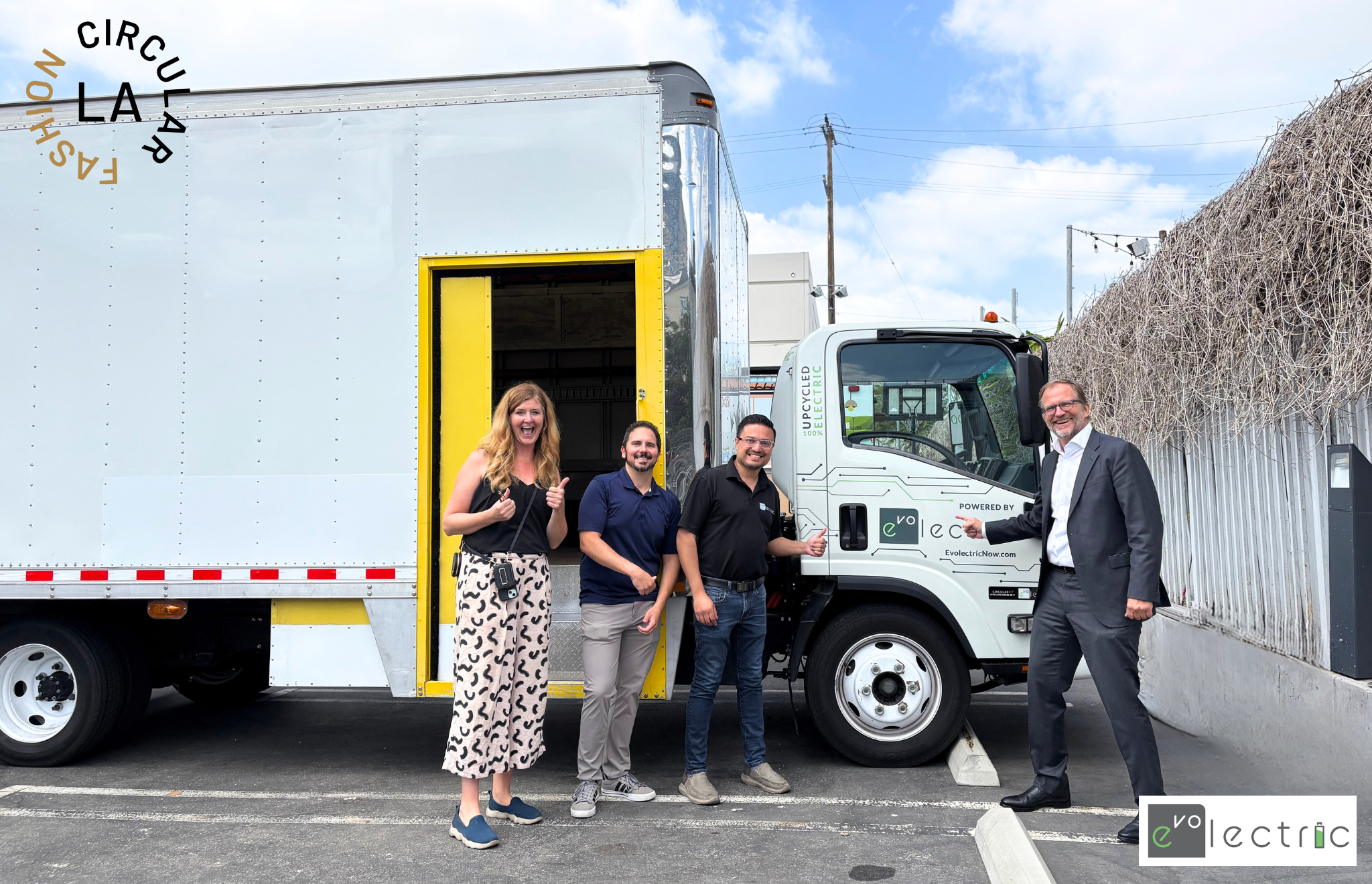
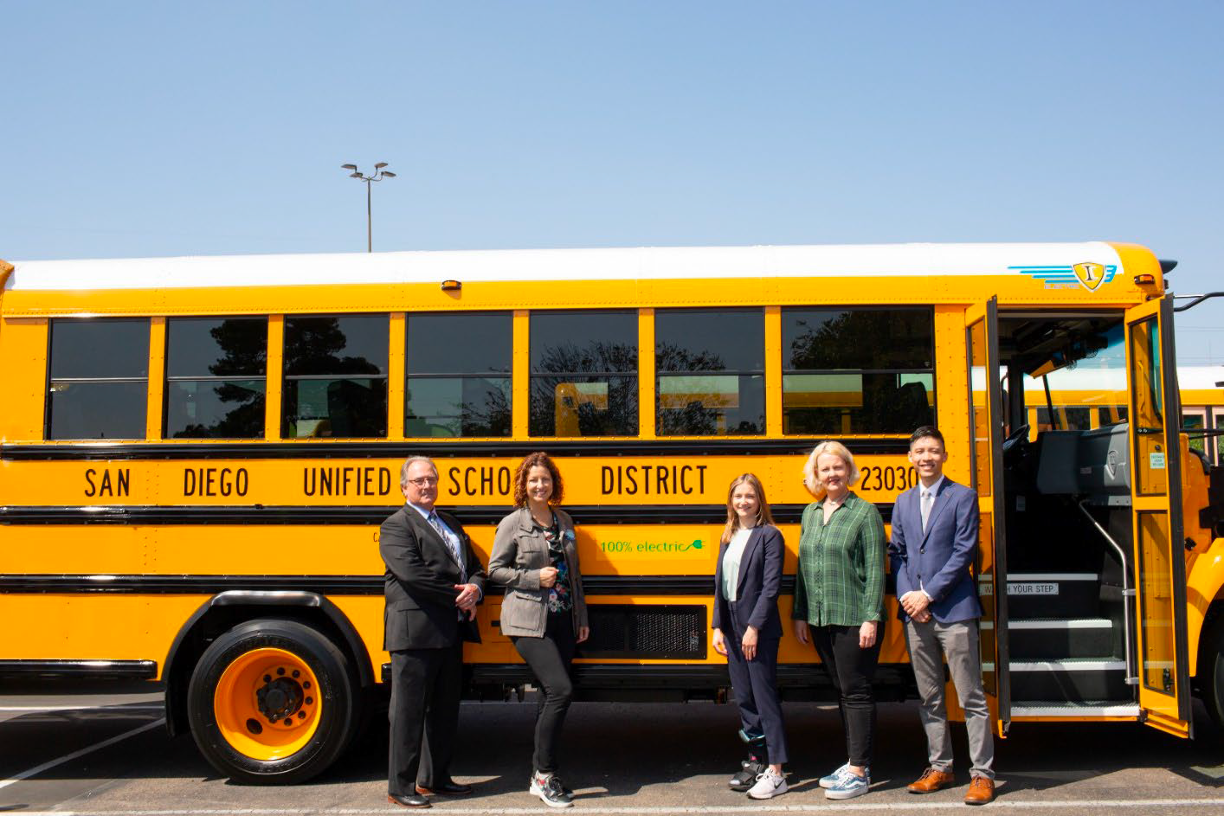
California Climate Investments funding has supported the deployment of over 1,100 zero-emission school buses at over 300 public school districts and local education agencies across the state. In both rural and urban communities across California, school districts are operating more zero-emission fleets, supporting the health and safety of students and reducing fleet operating costs.
California Air Resources Board
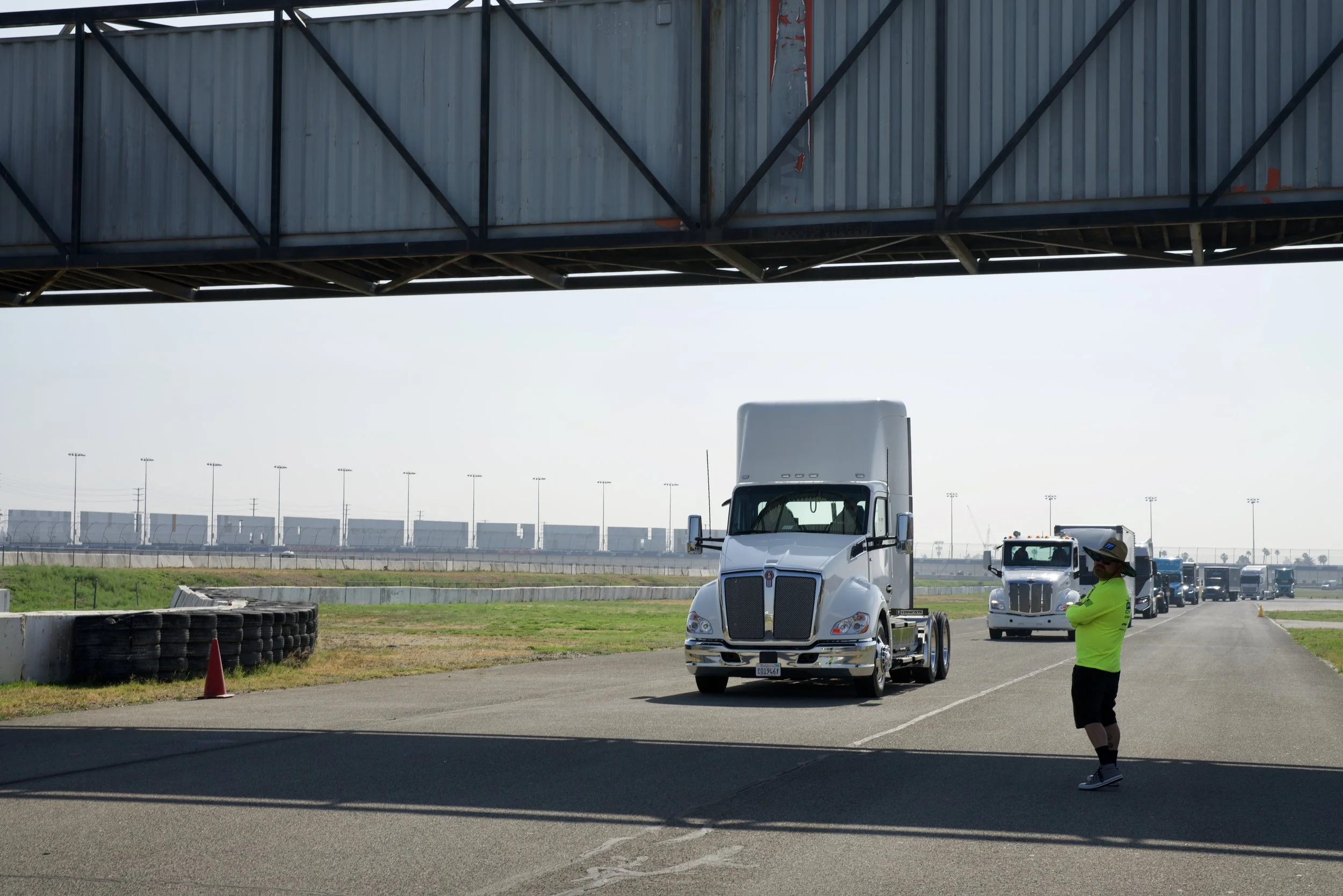
In August 2023, the California Air Resources Board (CARB) and transportation nonprofit CALSTART launched Cal Fleet Advisor, which offers free technical assistance to help owners and operators integrate more zero-emission medium- and heavy-duty vehicles into their fleets. The program, which receives California Climate Investments funding as part of the administration of the Clean Truck and Bus Voucher Incentive Project (HVIP), provides helpful services to ease the transition to cleaner technology for fleets across the state.

California Air Resources Board
The Port of Los Angeles (POLA) has taken a significant step toward a greener future with the deployment of five brand-new Taylor ZLC 996 Electric Top Handlers. Supported by $2.5 million in California Climate Investments funding through the Clean Off-Road Equipment Voucher Incentive Project (CORE), this initiative marks a milestone in reducing greenhouse gas emissions and improving air quality in and around California ports.