
Waste Diversion Programs
California Climate Investments programs are targeting greenhouse gas emissions through waste diversion efforts. CalRecycle is reducing methane emissions through a portfolio of programs that include food waste prevention and community composting, as well as organic waste digesters and co-digestion at wastewater treatment plants. Captured methane from these projects can be used to offset fossil fuel emissions from the transportation and energy sectors, further reducing greenhouse gas emissions. Grants for recycling facilities also reduce emissions by offsetting the emission associated with extraction and processing of virgin materials.
Open and Upcoming Funding Opportunities for Waste Diversion Projects
Explore programs that are now accepting applications for grants, loans, incentives, and more.
Investments in Action: Funded Waste Diversion Projects

California Department of Resources Recyling and Recovery
The Organics Grant Program began allocating California Climate Investments funding to in-vessel composting projects for the first time ever in its most recent solicitation. We were able to interview two grantees, from California State University – Sacramento (CSUS) and the University of Southern California (USC), about their projects and how in-vessel composting will change waste processing at their site and positively impact their communities.
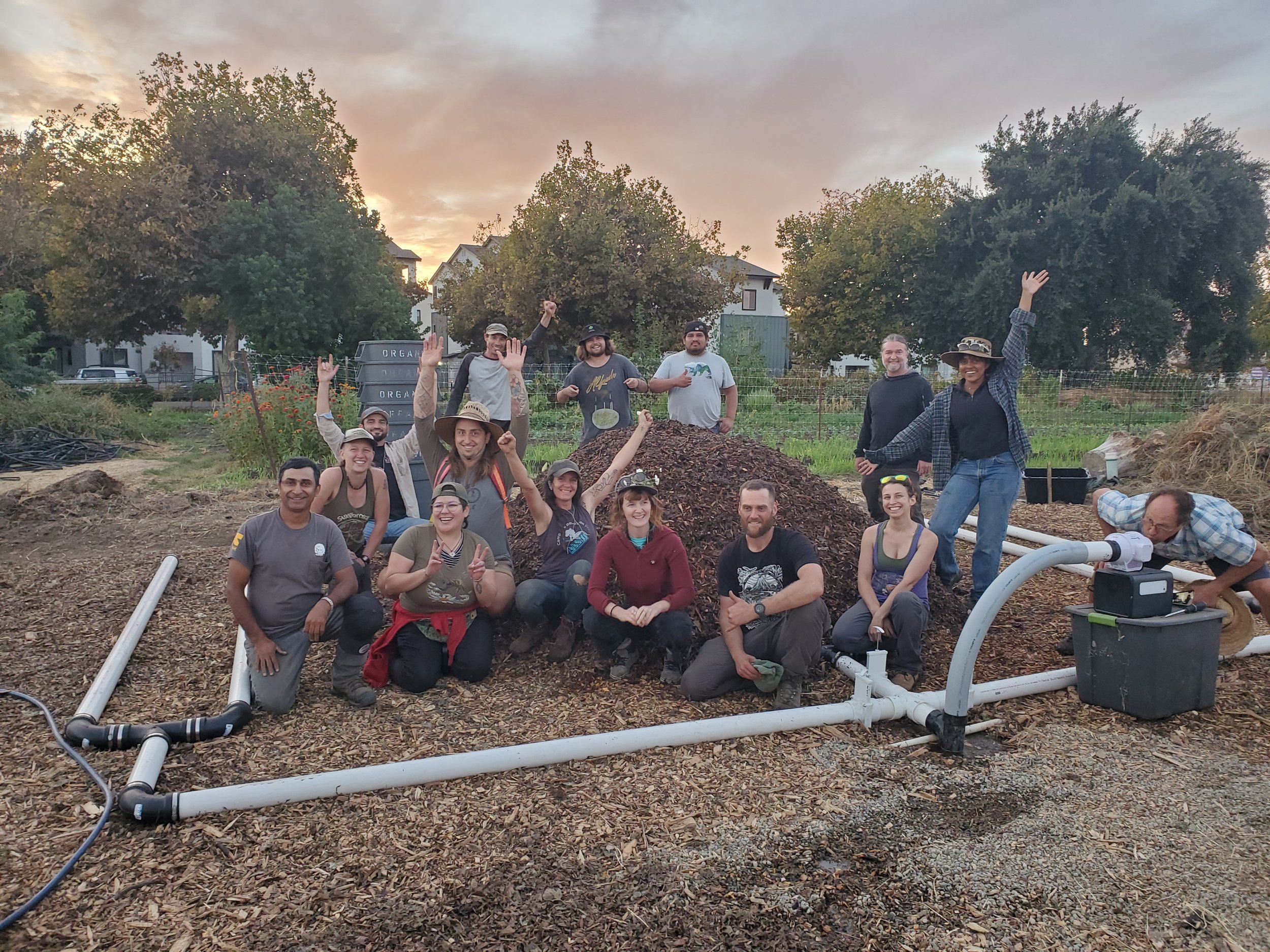
California Department of Resources Recycling and Recovery’s (CalRecycle) Community Composting for Green Spaces Grant Program is funding community composting at hundreds of sites across California. In the first cycle of funding, the grant program awarded $1.5 million to the People, Food, and Land Foundation, which supported community composting at 117 sites throughout California, planted 488 trees, created 4,418 cubic yards of compost, and reduced emissions by 2,508 MTCO2e of GHG emissions. An additional $4.2 million was awarded to the California Alliance for Community Composting and LA Compost in the second cycle of the program. Through the establishment or expansion of community composting sites, communities receive benefits such as part time jobs and training on composting practices, fresh produce from adjacent gardens, training on farming practices, an increase in shade from tree planting, and the development of green spaces.
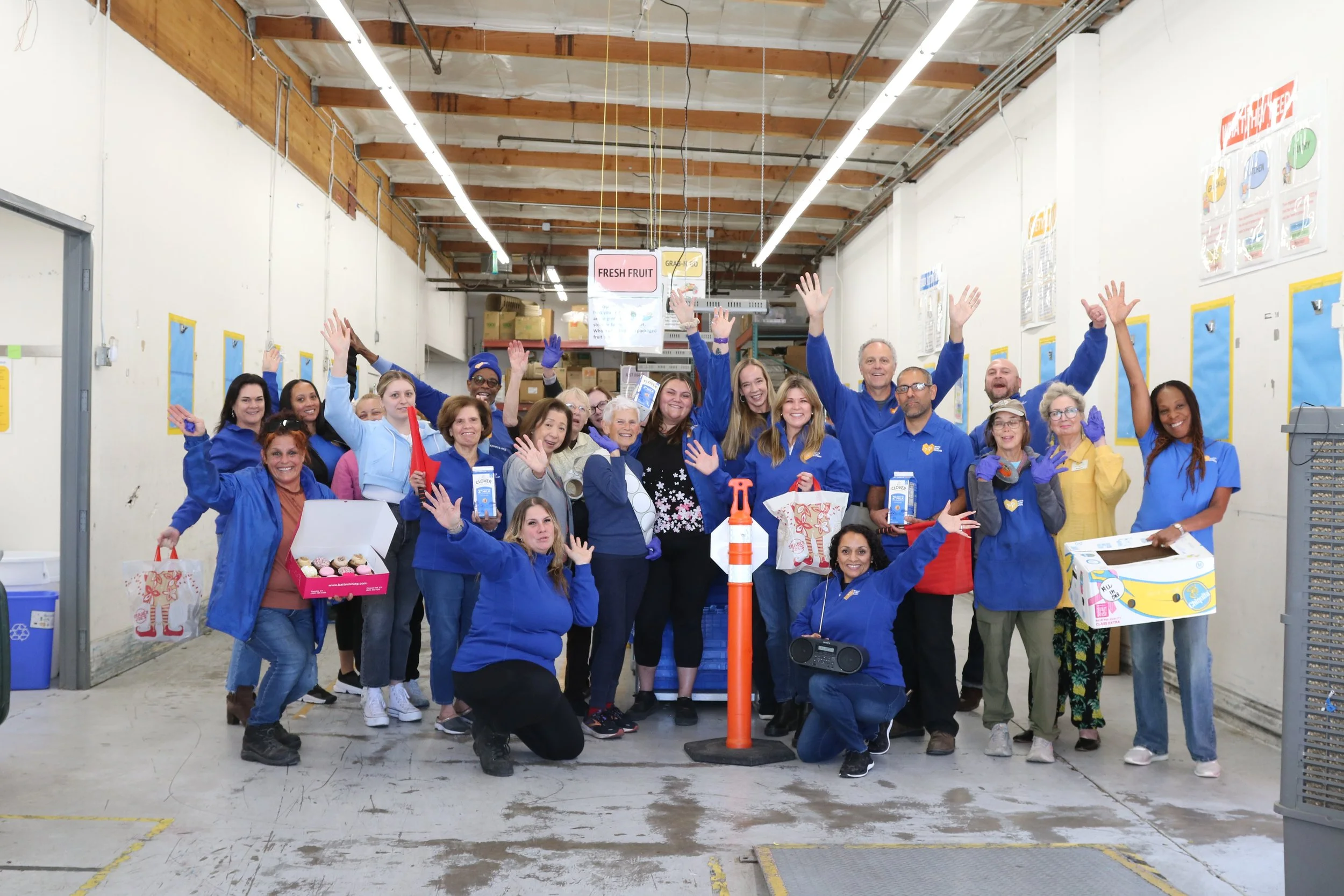
CalRecycle’s Food Waste Prevention and Rescue Grant Program funds projects that lower overall greenhouse gas emissions in California through food waste prevention and rescue projects, which reduce the amount of food disposed in landfills. Receiving multiple grants from the program since fiscal year 2016-17, White Pony Express: Food Recovery for All is a food waste rescue project operating out of Pleasant Hill, California. It has received a total of $701,530 from California Climate Investments, as well as additional funding from CalRecycle’s Edible Food Recovery Grant Program.

Ross Ranch is an 854-acre working ranch that lies within the City of Redding’s sphere of influence, or the identified expansion area for the city. The property is leased to cattle ranchers and beekeepers, with 30 acres used by neighboring Shasta College for cattle grazing. In 2018, the California Strategic Growth Council awarded the Shasta Land Trust an approximately $5.6 million Sustainable Agricultural Lands Conservation Program (SALC) grant to acquire an agricultural conservation easement that permanently protects Ross Ranch from development.
California Department of Resources Recycling and Recovery
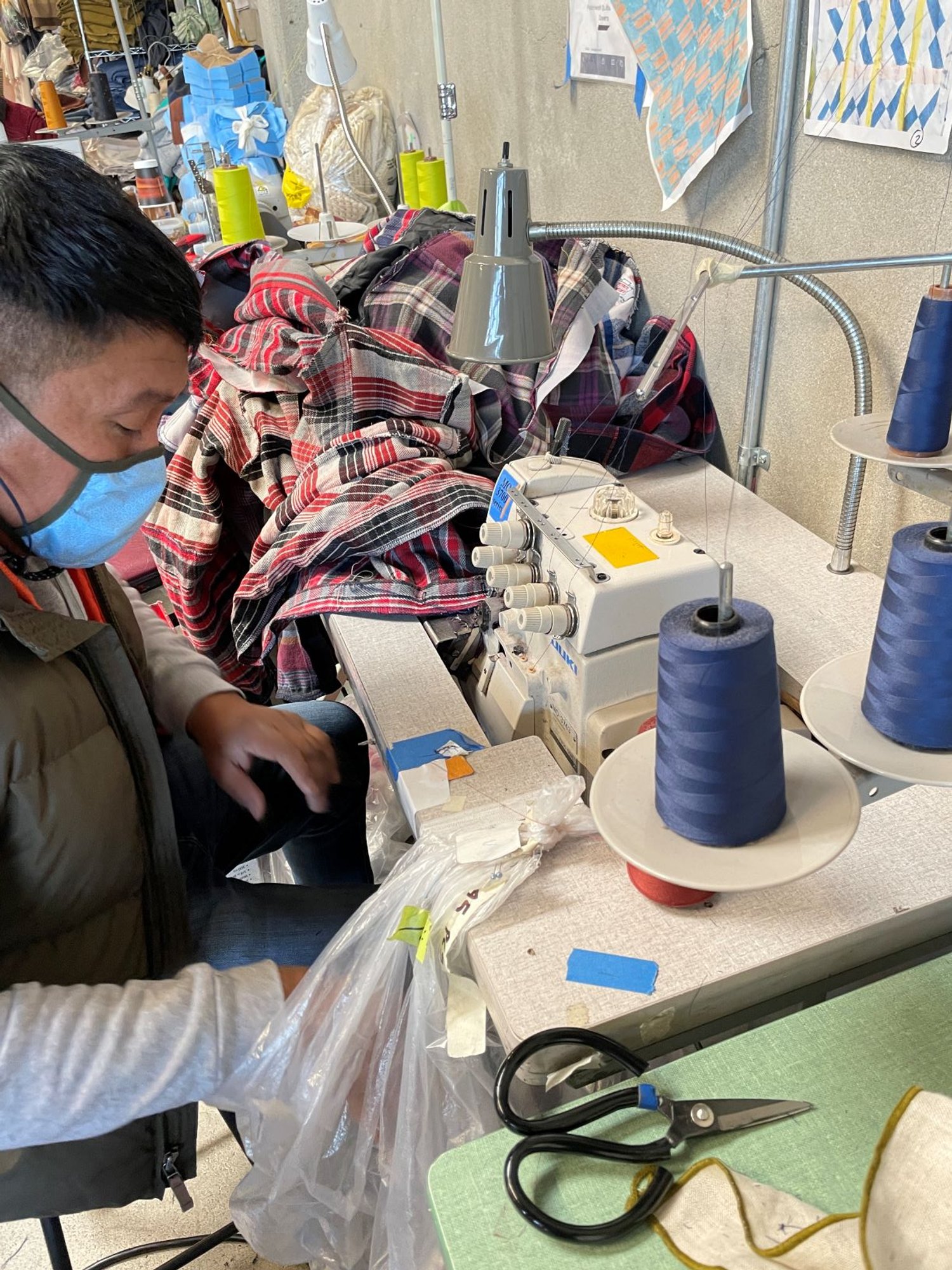
Thanks to $1,315,378 from the Recycled Fiber, Plastic and Glass Grant Program, Suay is expanding their operations diverting textiles from landfills. Suay is a closed-loop recycling operation in Los Angeles that collects used garments and cleans, repairs, and re-sews these textiles remaking them into new products. The finished products are repaired clothing and remade products, such as pillows and dog beds that use stuffing from shredded garments that could not be repaired.

The California Department of Resources Recycling and Recovery (CalRecycle) awarded $488,635 of California Climate Investment funds to Habitat for Humanity East Bay/Silicon Valley, Inc. as part of the first cycle of the Reuse Grant Program. This project is diverting wood products from landfills to their ReStore retail stores for reuse by the community. Habitat for Humanity East Bay/Silicon Valley, Inc. is a nonprofit, donation-based collection, and resale operation with three sites in Oakland, Concord, and San Jose, serving the San Francisco Bay Area.

California Department of Resources Recycling and Recovery
The non-profit Fresno Metropolitan Ministry (Fresno Metro), in partnership with the Central California Food Bank, is using a $300,000 grant from the Food Waste Prevention and Rescue Grant Program to expand their capacity to rescue and distribute more edible food through their Food to Share program. Over the grant term, Fresno Metro will add 20 new food recovery school sites from Fresno Unified and Central Unified School Districts, set up 5 new food distribution sites at local community-based organizations, and increase direct food recoveries by adding 2 new retail locations and 6 urban gleaning sites.

Kompogas SLO Inc. received $3 million through the Organics Grants program to build a high-solids anaerobic digester, to be known as the Lancaster Organic Waste Facility, at the existing Lancaster Landfill and Recycling Center in Antelope Valley. With this new anaerobic digester, Kompogas SLO Inc. will be able to process residential food and green waste collected by Waste Management Inc. throughout Antelope Valley, including in the cities of Lancaster and Palmdale, and turn it into renewable natural gas and high-grade compost.

The California Alliance for Community Composting (Alliance)is helping community groups develop or expand 50 community composting sites in disadvantaged and low-income communities across California using funds from the Community Composting for Green Spaces Grant Program. Altogether, these sites are expected to prevent nearly 11,000 tons of organic waste from going to landfills by creating compost, which prevents the release of greenhouse gases during its decomposition. The Alliance’s work will also provide communities with additional benefits, including free compost, job training, and more.

Replate, Inc., a nonprofit food rescue organization that matches surplus food from businesses with communities in need, has received two grants from CalRecycle totaling $800,000 to recover edible food that would have otherwise been sent to a landfill.
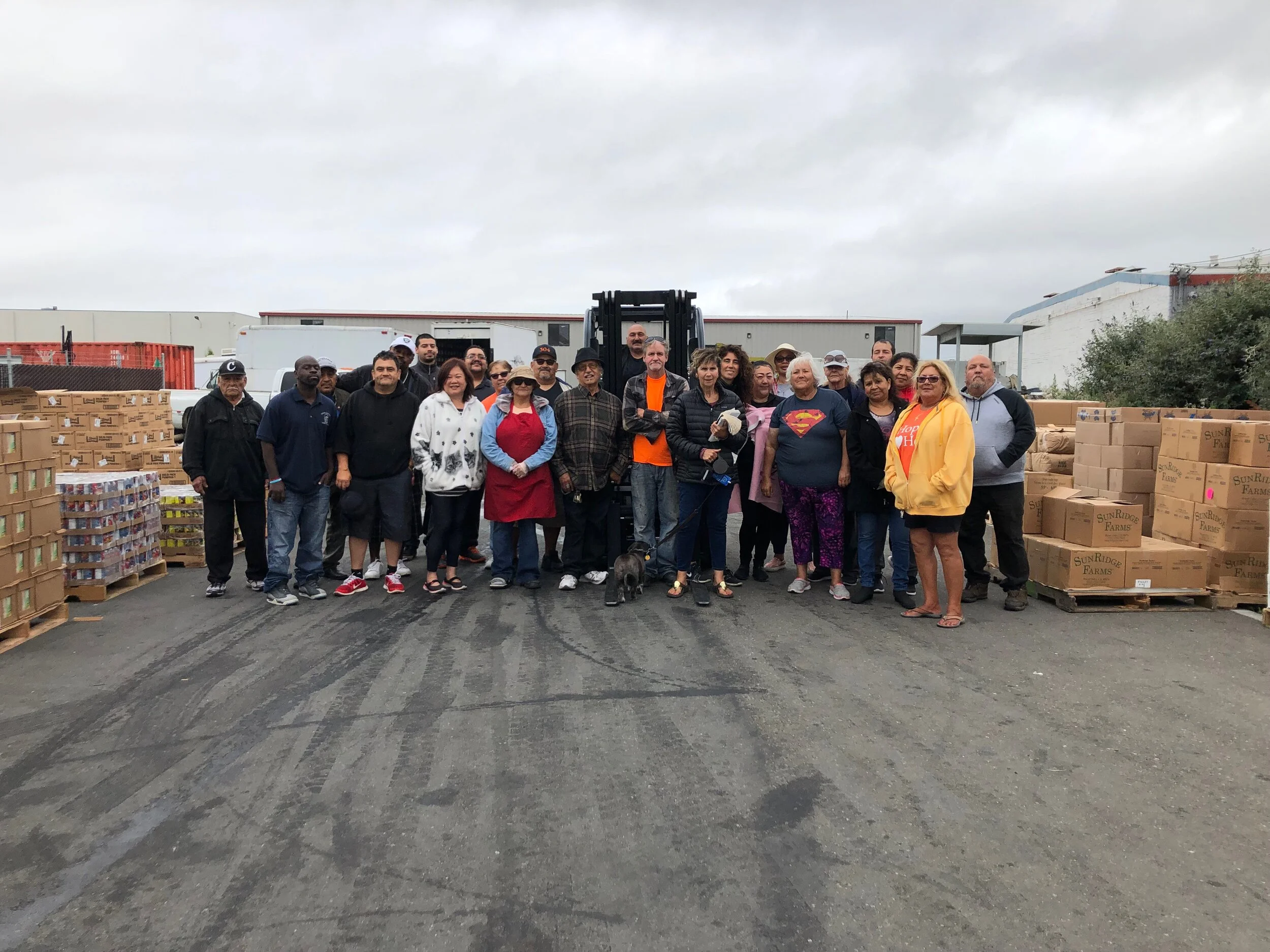
Twenty years ago, Hope 4 the Heart began providing food rescue services to their Hayward, California community and surrounding areas. In 2019, they received $329,766 from California Climate Investments through the Food Waste Prevention and Rescue Grant Program.

Food Forward, which recovers produce and makes it available to hunger relief agencies in eight southern California counties, is expanding its Wholesale Produce Market Recovery Program. With the help of California Climate Investments, Food Forward will open a new “Produce Depot” near the wholesale produce market in downtown Los Angeles and double its food recovery capacity. In addition to fighting food insecurity in southern California, the project will benefit disadvantaged communities and the environment by supporting jobs and combating climate change.

Netafim Irrigation, Inc. received a total of $2,011,647 from California Climate Investment through the Recycled Fiber, Plastic, and Glass Grant Program. This money supports its operations as a closed‑loop recycling solution for used irrigation tubing that serves commercial farming operations in the Central Coast region of California. Netafim’s grant is expanding an established and successful recycling operation. As a result of this expansion in Netafim’s operations, the project is estimated to divert 83,059 tons of material from landfills and reduce greenhouse gas emissions by 66,447 metric tons of carbon dioxide equivalent.

Shark Solutions utilizes patented Shark Glass Separation technology, which processes flat laminated glass such as windshields, building glass, and safety glass.

Move over Farm-to-Fork! There is a new sustainability movement emerging in California that is reducing waste, cutting GHG emissions, and providing access to new green jobs in communities across the State. You can see it on display at Command Packaging’s manufacturing facility south of downtown Los Angeles in Vernon. Think of it as “Ag-to-Bag.”

SANCO Services received $3 million from California Climate Investments through the Organics Grants program to help fund equipment vital to the operation of a new anaerobic digestion system under construction at the Escondido Resource Recovery Transfer Station.

Rialto Bioenergy Facility, LLC (Rialto) received a $4 million grant to fund the installation of an anaerobic digester and a freezer to salvage food that would otherwise go to the landfill. These will both be important to the operational success of Rialto’s new Southern California facility, which is expected to recycle 300,000 tons of organic waste from the region annually.

The second phase of a massive $100 million organic waste recycling infrastructure project is now online in Riverside County. Southern California waste management and recycling company CR&R just doubled capacity to transform the region’s food and green waste into biofuel.

One of the most advanced composting operations in California is scaling up its operations in Fresno County. Early in 2017, Mid Valley Disposal is opening its new 10-acre, 68,000 square foot composting facility in Kerman, California. In addition to creating 47 new jobs in California’s agricultural heartland, the project serves as a model of sustainability in California’s innovative fight against climate change.
All Waste Diversion Programs
Learn about all past and present waste diversion programs, including programs that are not actively receiving California Climate Investments funding.
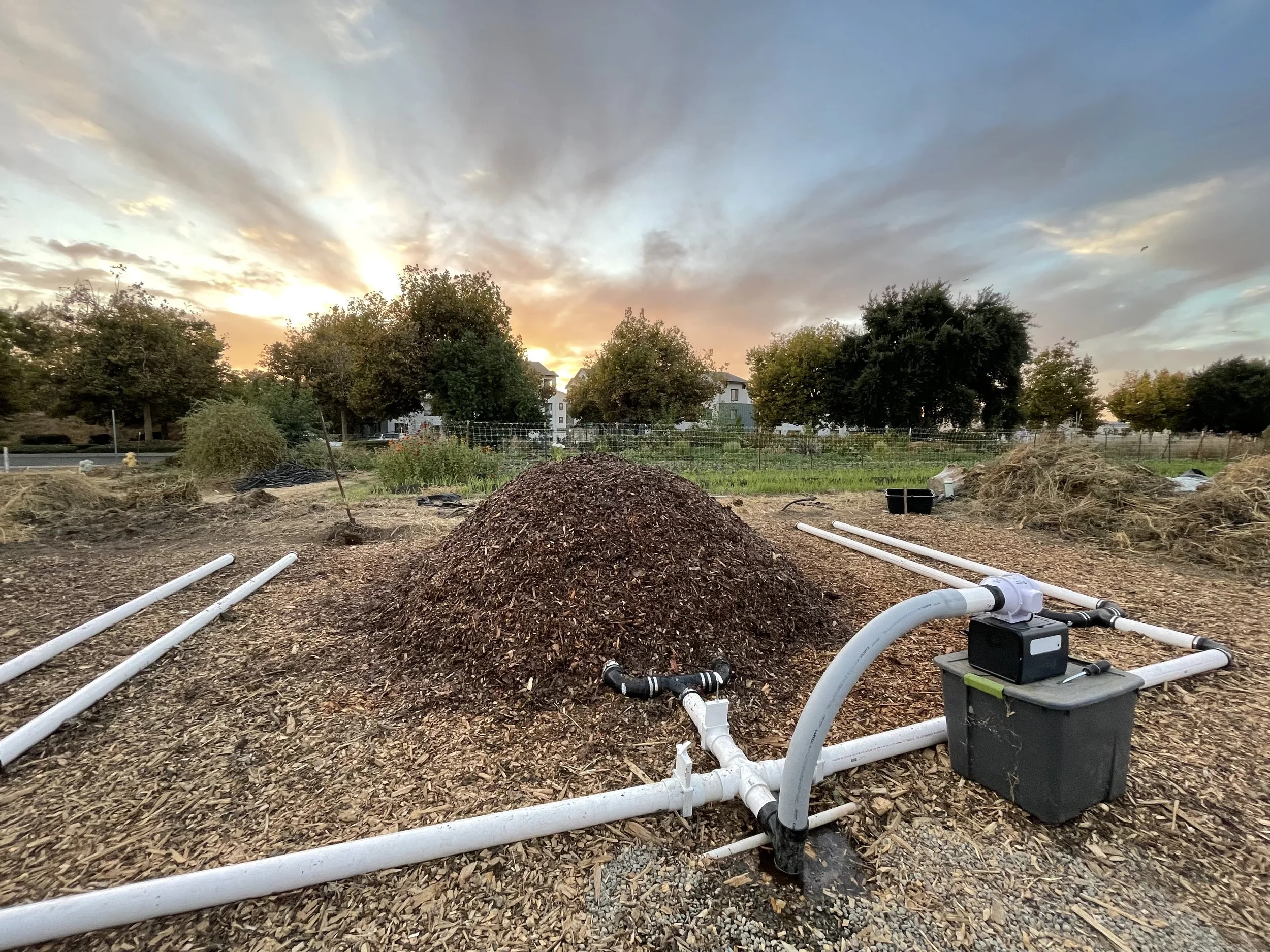
Grants that support the construction, renovation, or expansion of co-digestion facilities to preprocess and digest food material into biofuels or bioenergy.
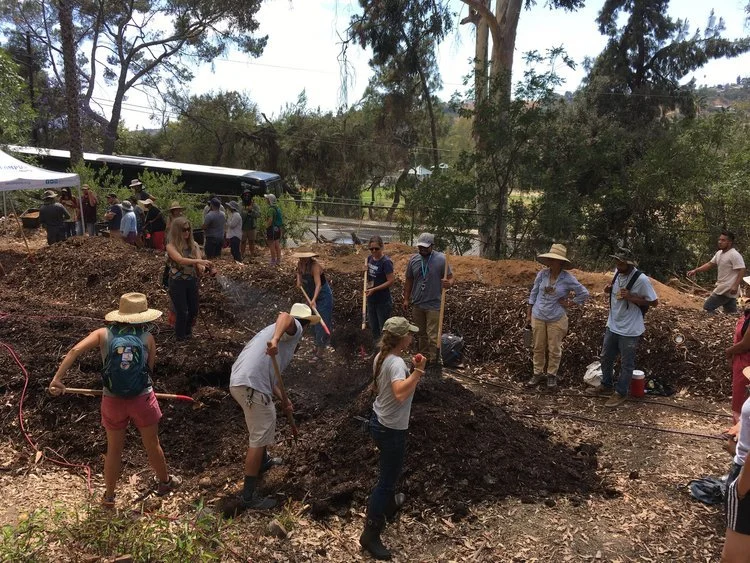
Grants that support the creation of new or expanded capacity of small-scale composting programs in green spaces within disadvantaged and low-income communities.

Grants that support activities that prevent food waste from being generated and/or becoming landfill waste and distribution of rescued food to people.

Grants that support the construction, renovation, or expansion of facilities to preprocess, digest, or compost organics into compost, soil amendments, biofuels, or bioenergy.
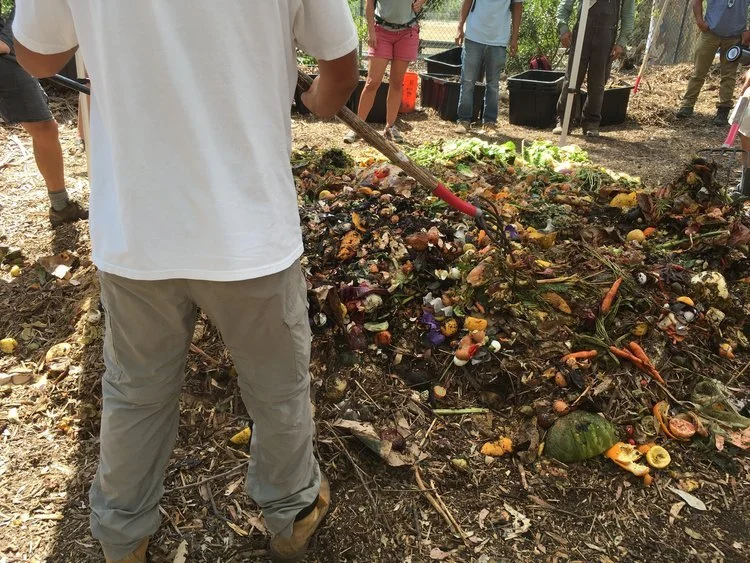
Loans to fund the construction, renovation, or expansion of facilities for the preprocessing, digesting, or composting of organics or the manufacture of value-added finished products using recycled fiber, plastic, or glass.

Grants that support construction, renovation, or expansion of facilities to process or manufacture value-added products from California-derived, newly diverted fiber, plastic, or glass waste.

Grants that support replacement of single use containers, food service ware, and packaging with durable, reusable products and recovery of lumber, wood flooring, or wood furniture from landfills or through deconstruction projects for reuse.

Grants that support capacity planning, collection, edible food recovery, education and outreach, enforcement and inspection, program evaluation/gap analysis, procurement requirements, and record keeping.