Sustainable Communities Programs
California Climate Investments are building sustainable communities that are delivering a multitude of benefits in addition to reducing greenhouse gas emissions. California Climate Investments are enhancing connectivity to public transit, bike and pedestrian infrastructure, and green spaces through transportation capital improvements, transit and mobility vouchers, and urban greening activities. California Climate Investments also fund affordable housing units and accessible low-carbon modes of transportation, while also providing other benefits such as workforce development services.
Open and Upcoming Funding Opportunities for Sustainable Communities Projects
Explore programs that are now accepting applications for grants, loans, incentives, and more

Funds planning and implementation projects that reduce the impacts of extreme heat and increase community resilience.

Financial incentives for EV charging stations with priority for shovel-ready projects in disadvantaged and low-income communities.


Grants that support mobile source air pollution reduction measures for communities identified through the AB 617 Community Emissions Reduction Programs.
Investments in Action: Funded Sustainable Communities Projects


Strategic Growth Council
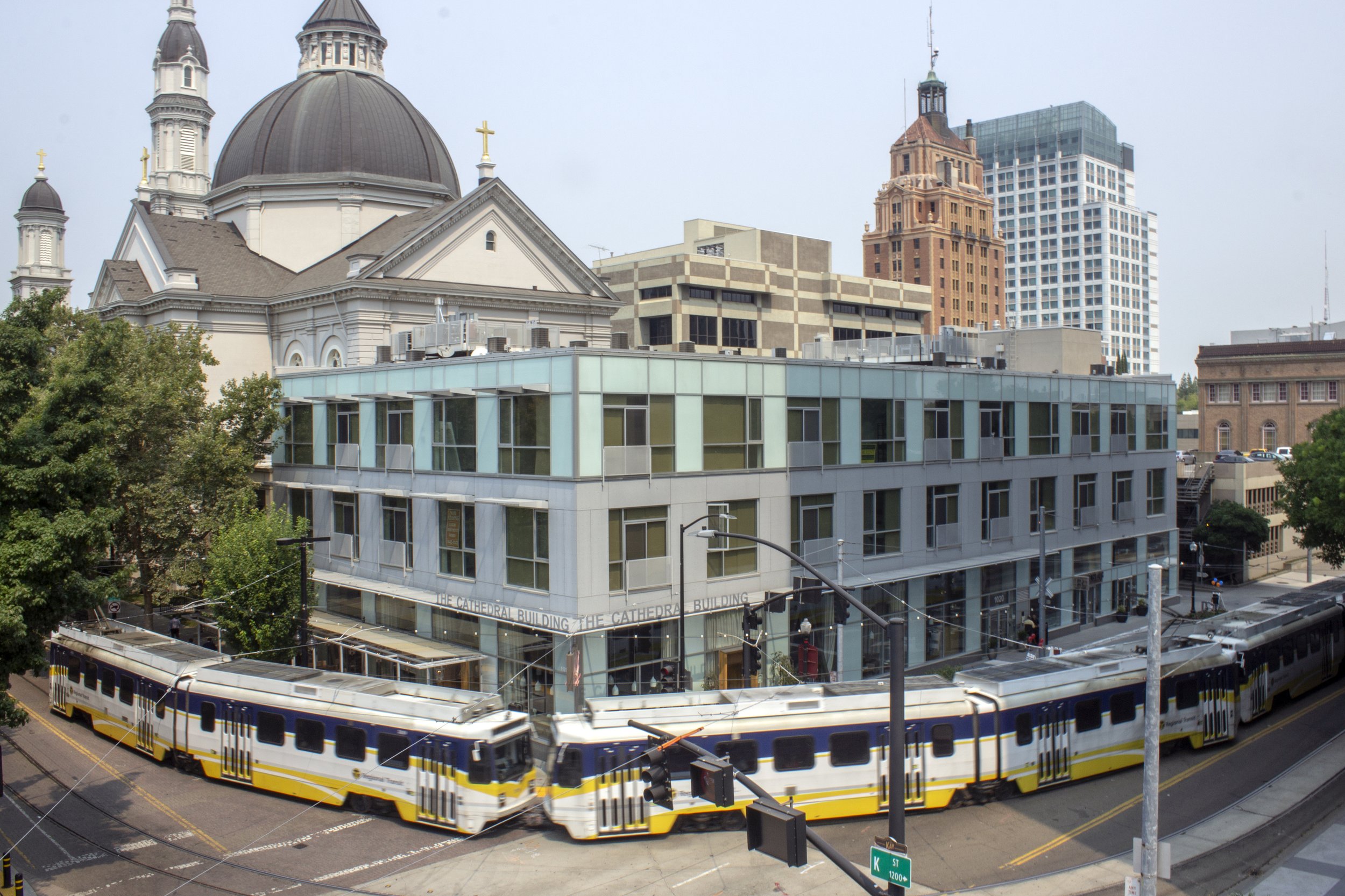
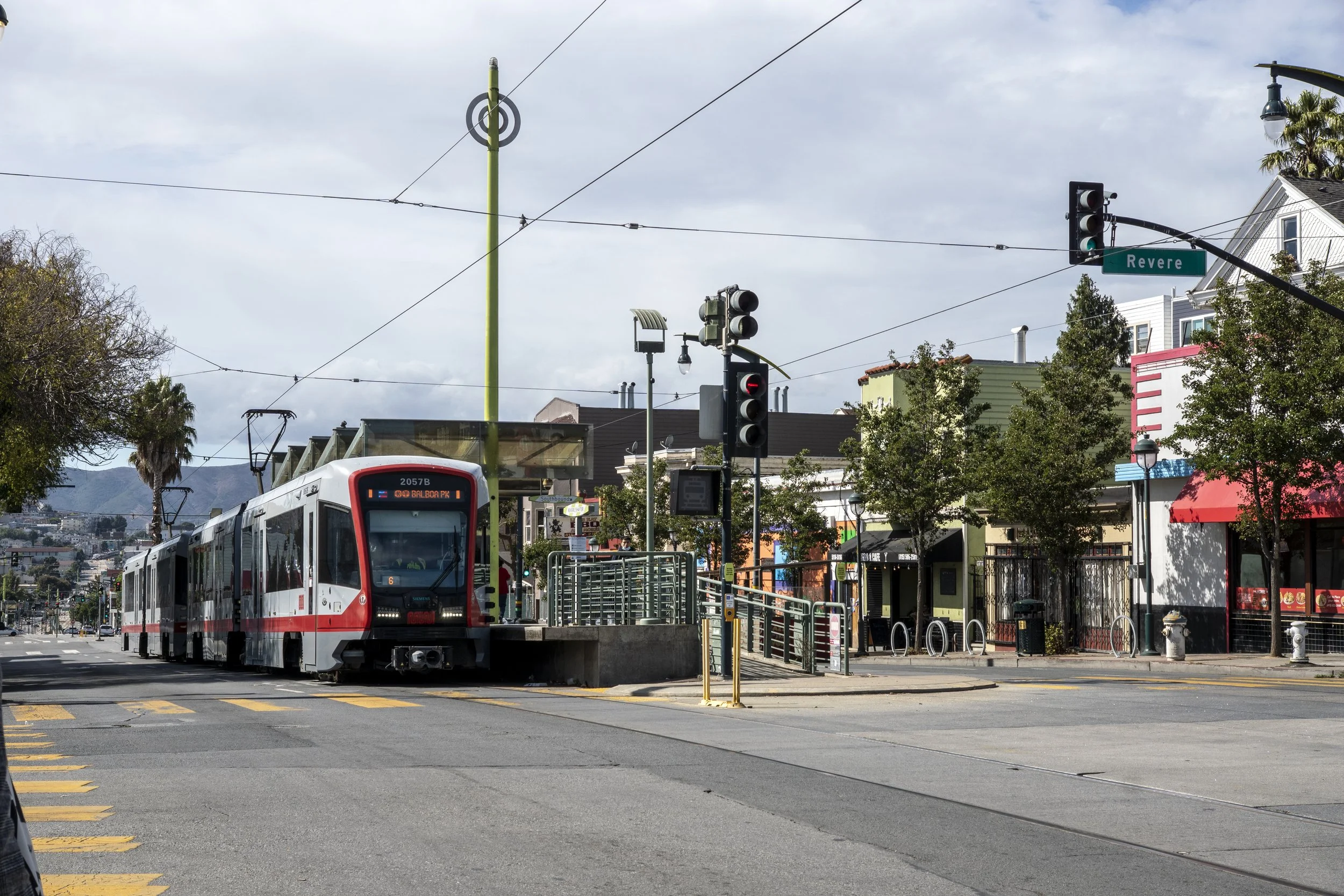
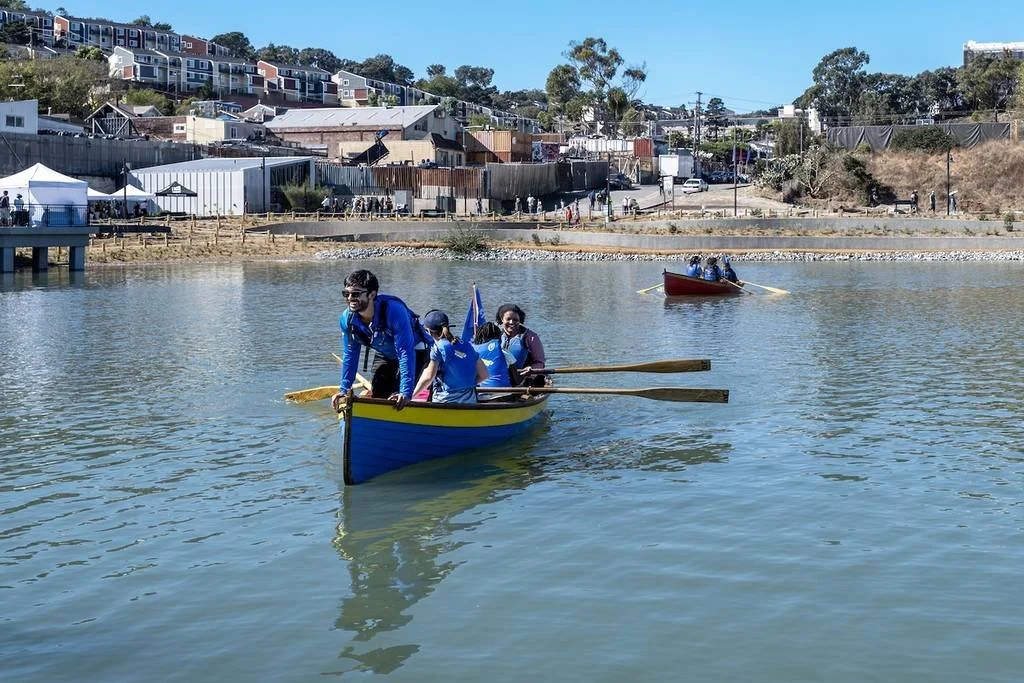
The Sacramento Integrated Multimodal Place-Based Living Project is a Transformative Climate Communities initiative aimed at strengthening community engagement, increasing affordable housing, and expanding public transit in the River District neighborhood of Sacramento. One of the key features of the project, the Dos Rios Light Rail Station, will significantly increase residents’ accessibility to Downtown Sacramento and the greater Sacramento Area. The Mirasol Village Community Garden represents another success of the initiative, giving residents the opportunity to cultivate fresh produce and forge community bonds.
California Workforce Development Board
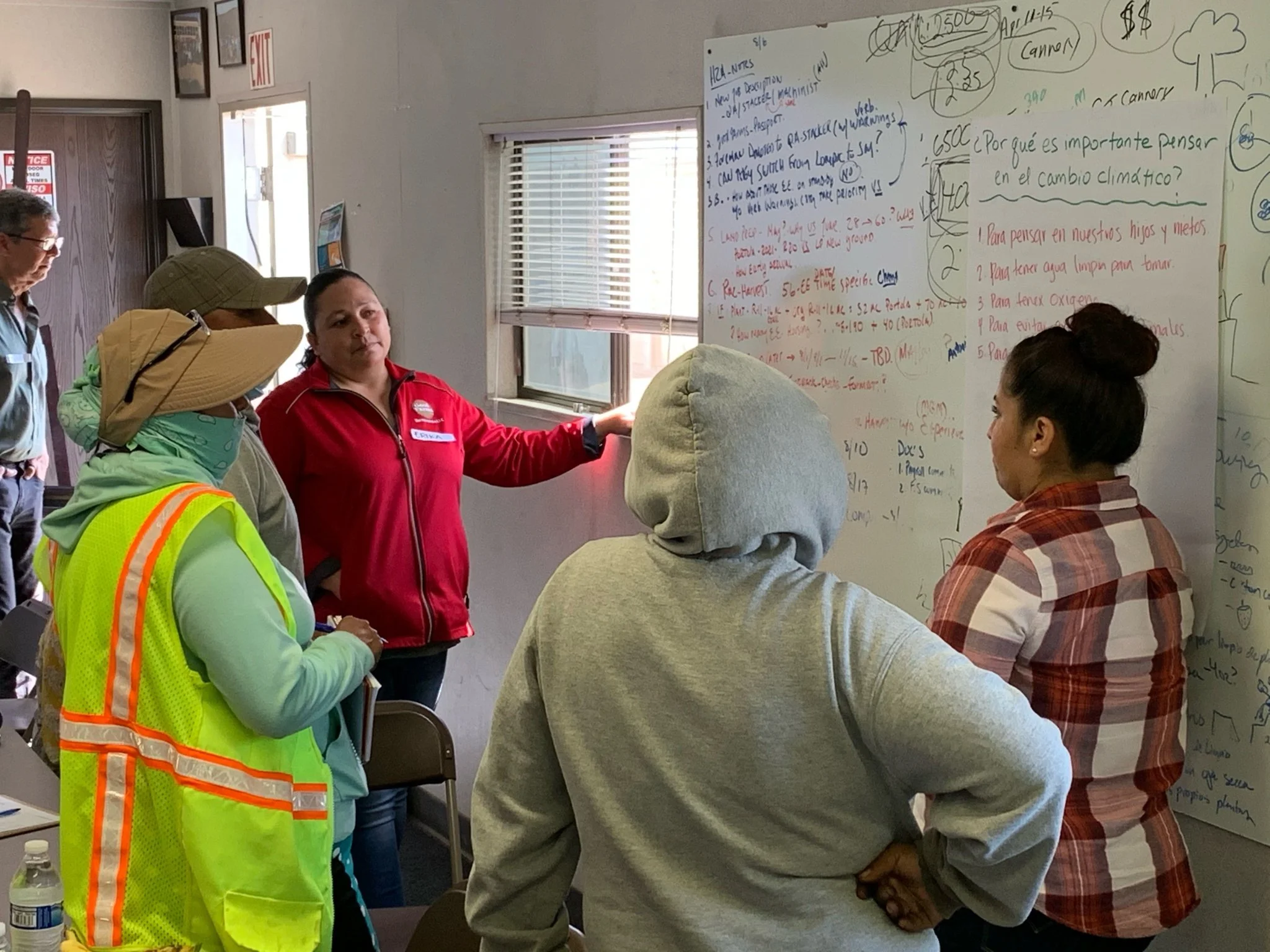
The High Road Training Partnerships Program granted nearly half a million dollars through the Equitable Food Initiative (EFI) to engage farmworkers and produce industry employers in the documentation and categorization of foundational, crop-specific, and technical skills. This work will support improved job quality for workers, a more professionalized workforce for employers, and the recognition of skills needed in environmentally sound agricultural production.

California Department of Food and Agriculture
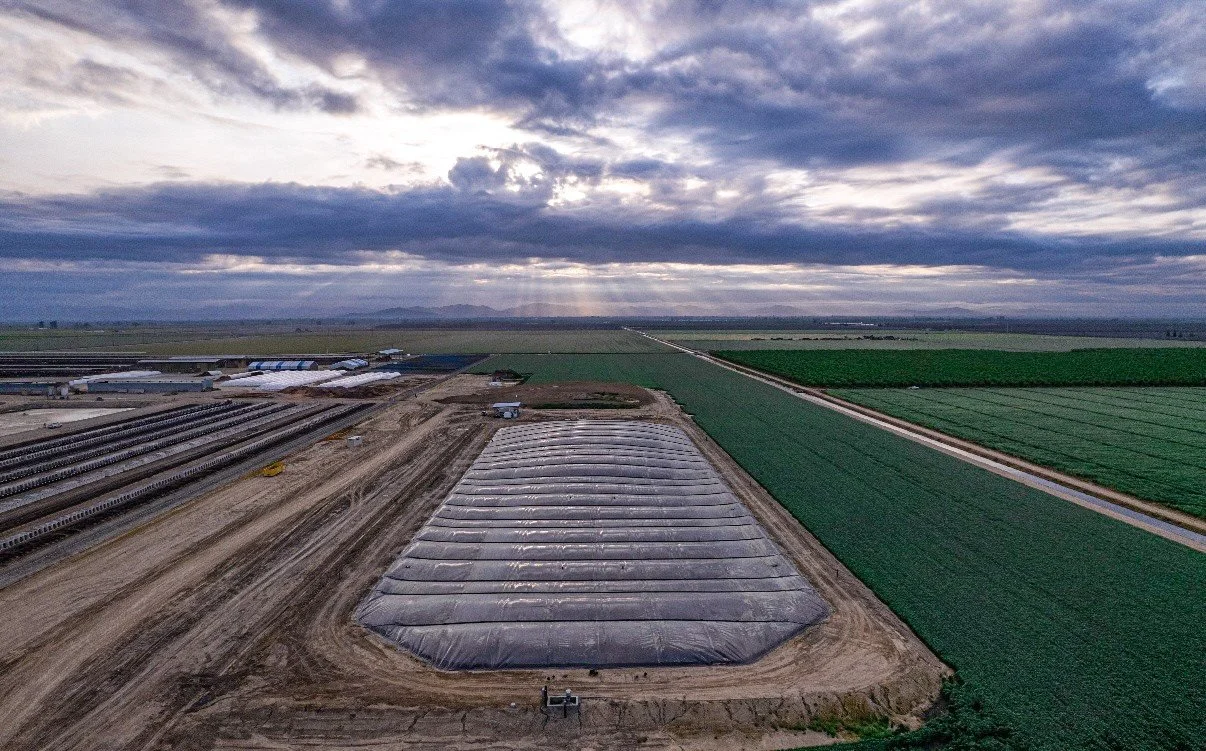
Vander Woude Dairy, a family-owned and operated business in Merced, California, has leveraged California Climate Investments (CCI) funding through the Dairy Digester and Development Program (DDRP) to implement an innovative covered lagoon digester for methane capture. The digester will process manure solids daily, capturing methane to be converted into Renewable Compressed Natural Gas for vehicle use at the dairy.

California Department of Food and Agriculture
The Triple C Dairy Compost Barn and Solid Separation Project received California Climate Investments funding in 2019 through the Alternative Manure Management Program (AMMP). Triple C Ranch, an organic dairy located in Sonoma County, used the funding to install a new compost bedded pack barn to house a portion of the herd during winter months, automate scrape collection of manure from barn alleyways, and add a solid-liquid separator that would reduce the amount of collected manure entering anaerobic storage.

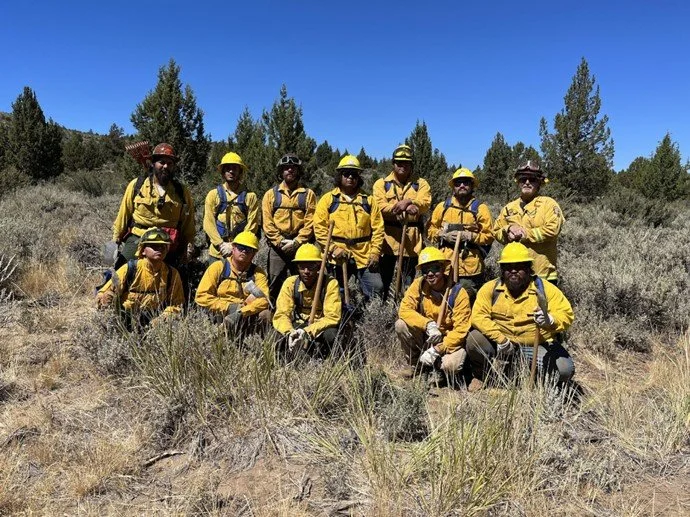
With support from California Climate Investments, the California Conservation Corps (CCC) is reducing wildfire risks by removing hazardous fuels in Paradise, Lake Tahoe, and Arcadia as part of the Training and Workforce Development Program. Through fuels reduction projects, Corpsmembers have treated over 90 acres of fire-prone land, creating defensible space and improving community safety. These efforts not only protect residents but also provide young adults with hands-on experience in forestry and wildfire mitigation, preparing them for careers in fire management and conservation.

California High-Speed Rail Authority
Funded in part by California Climate Investments, the High‑Speed Rail Project has made investments to contribute to economic development and a cleaner environment, support jobs, and conserve and protect agricultural lands. Implementation of the High‑Speed Rail Project provides a variety of benefits to Californians. Estimated GHG emissions reductions from the High‑Speed Rail Project are 84 to 102 MMTCO2e over its first 50 years of operating life, as detailed in the 2023 California High‑Speed Rail Sustainability Report.

In the heart of California, the San Joaquin Valley is a region where agriculture is not just an industry but a way of life for many. CARB’s Funding Agricultural Replacement Measures Emissions Reductions (FARMER) Program funds transformative initiatives that foster the adoption of innovative farming techniques, integrating advanced agricultural technologies, and promote community engagement and has been making monumental steps towards more sustainable agriculture across the valley.
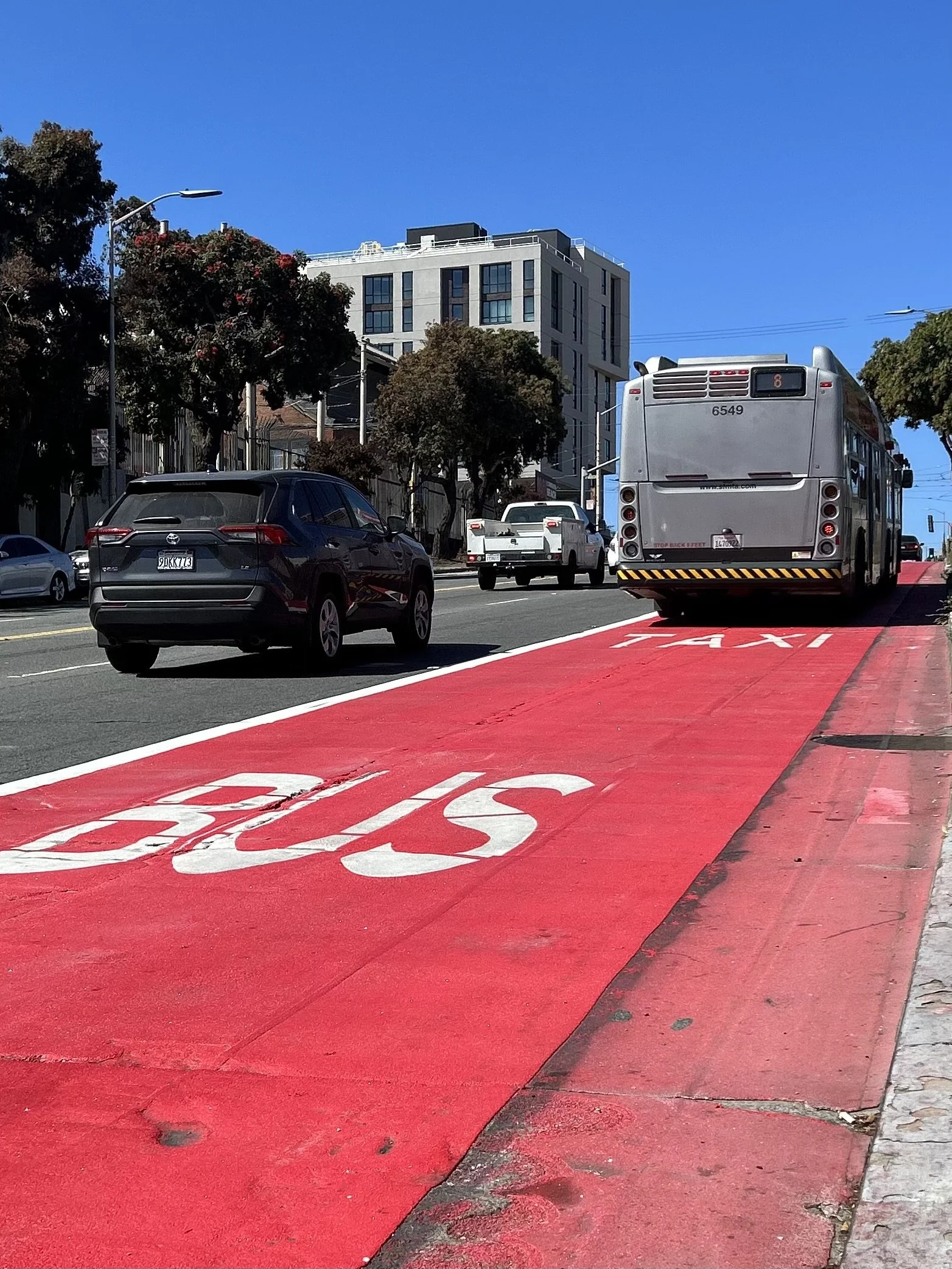
In October 2023, the City of San Francisco’s Balboa Park Neighborhood held a ribbon cutting for 131 new affordable homes adjacent to the Balboa Park Bay Area Rapid Transit (BART) Station, known as Kapuso at the Upper Yard. These homes were built thanks to
$29.9 million from SGC’s Affordable Housing and Sustainable Communities (AHSC), in its fifth round of funding. The AHSC program funds the construction of affordable housing near transit as a key strategy to reduce GHG emissions by reducing vehicle miles traveled, and Kapuso at the Upper Yard is a key example of the need for this work.

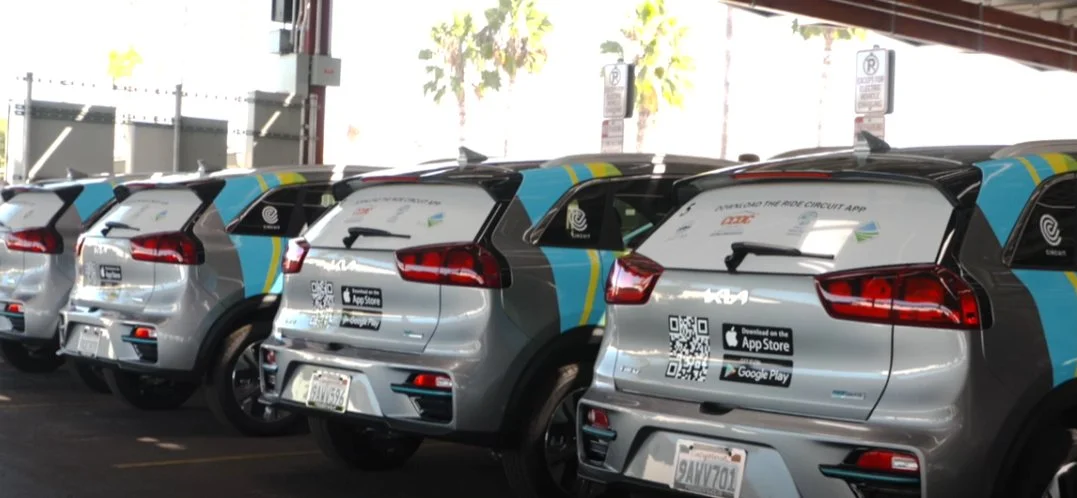
Since 2015, the City of Los Angeles (LA), in partnership with the LA Department of Transportation and the Mayor’s Office, has received a total of $4.7 million from CARB’s Clean Mobility Options program for a zero‑emission car share pilot project. This project, known as BlueLA, is operating in 13 underserved communities that face significant air quality burdens and have historically been excluded from environmental benefits. BlueLA provides a clean and affordable mobility option in these communities, which include Downtown, Pico Union, West Lake, and Koreatown.

In 2020, Sarah Light, agronomy advisor at the University of California Cooperative Extension, partnered with the Colusa County Resource Conservation District, Davis Ranch, Richter Ag, and the United States Department of Agriculture Natural Resource Conservation Service to apply for a CDFA Healthy Soils Program Demonstration Grant. The team received $99,832 of grant funding to conduct a demonstration project on cover crops on two fields in the Sacramento Valley from fall 2020 to spring 2024.

Through the Inclusive, Diverse, Equitable, Accessible, and Local (IDEAL) ZEV Workforce Pilot Project administered by the California Energy Commission and co‑funded by CARB, Fresno City College has offered three high schools in Fresno County the opportunity to introduce their automotive students to ZEV technology. Training was provided in December 2023 for high school teachers at each of the three schools, and they were provided with tools and equipment to offer the new ZEV curriculum starting in spring 2024.

Ross Ranch is an 854-acre working ranch that lies within the City of Redding’s sphere of influence, or the identified expansion area for the city. The property is leased to cattle ranchers and beekeepers, with 30 acres used by neighboring Shasta College for cattle grazing. In 2018, the California Strategic Growth Council awarded the Shasta Land Trust an approximately $5.6 million Sustainable Agricultural Lands Conservation Program (SALC) grant to acquire an agricultural conservation easement that permanently protects Ross Ranch from development.
California Workforce Development Board
The High Road to Tribal Forest Restoration and Stewardship project provides foundational training and skill building tied directly to work experience in forest health and landscape restoration. Through a partnership between Tribes, nonprofits, and regional employers, the project is working to increase employment opportunities and build capacity for Tribal Forest restoration crews. The project has formally engaged with fourteen Tribes, with training participants from over twenty Tribes.

California Strategic Growth Council
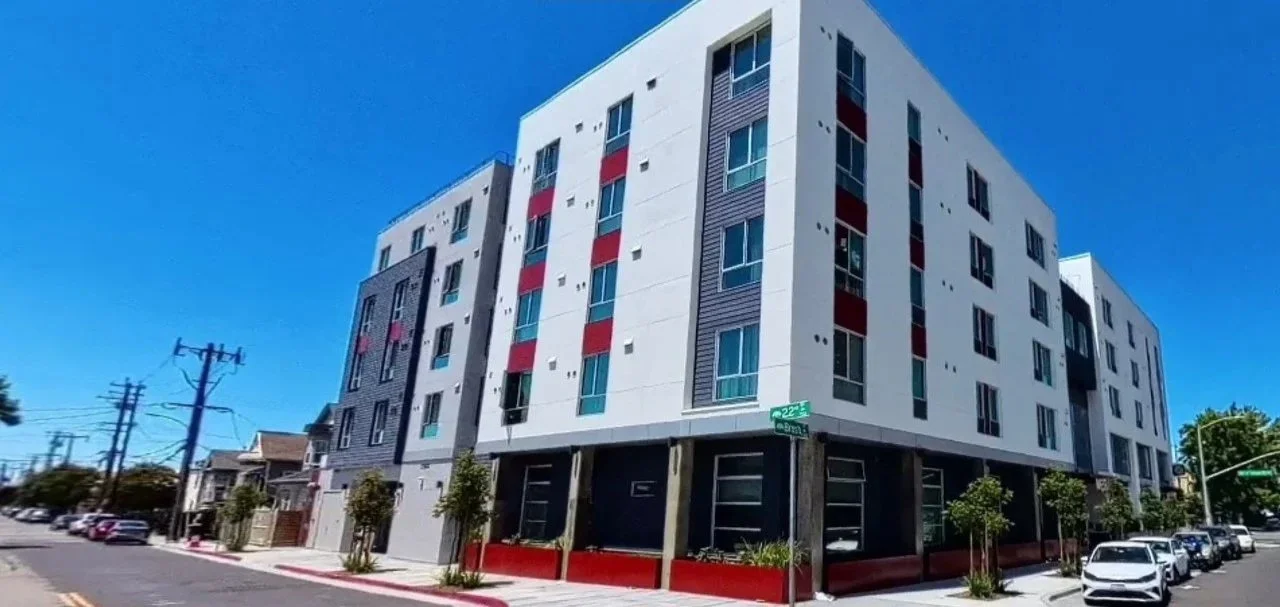
72 affordable homes for families and veterans are now available in downtown Riverside. The Mission Heritage Plaza project is a partnership between Wakeland Housing and Development Corporation, the City of Riverside, and Riverside Transit Agency, working to reduce greenhouse gas emissions through transportation mode-shift and construction of affordable housing within the urban core of Riverside.

California Department of Transportation
In 2022, the California Department of Transportation issued its 1,000th award through LCTOP to Stanislaus Regional Transit Authority (StanRTA) for their Free Fares Project. Through the Free Fares Project, StanRTA provides free, safe, and reliable transportation services for residents to travel to educational institutions, employment centers, medical offices, grocery stores, and shopping malls. Transit fares are often a barrier to residents in disadvantaged communities but with the support from LCTOP, the Free Fares Project has made it possible for riders to use public transportation without any financial hardship.
California Air Resources Board
Through California Climate Investments the City of Chula Vista received close to $1 million through the Clean Mobility Voucher Pilot Program to launch an on-demand community shuttle service in the northwest region of the city.

Kompogas SLO Inc. received $3 million through the Organics Grants program to build a high-solids anaerobic digester, to be known as the Lancaster Organic Waste Facility, at the existing Lancaster Landfill and Recycling Center in Antelope Valley. With this new anaerobic digester, Kompogas SLO Inc. will be able to process residential food and green waste collected by Waste Management Inc. throughout Antelope Valley, including in the cities of Lancaster and Palmdale, and turn it into renewable natural gas and high-grade compost.

Using $1.25 million from the Low-Carbon Economy Workforce program, the Expanding Energy Storage and Microgrid Training and Certification project is increasing the number of participating Electrical Joint Apprenticeship Training Centers from six to 21 centers located across the State. These training centers will help electricians and apprentices earn a certification demonstrating they have the skills to safely handle and diagnose modern energy storage systems and battery technologies.

Supported in part by nearly $23 million award from the Affordable Housing and Sustainable Communities Program, Resources for Community Development (RCD) will provide 87 affordable rental homes in the city of Berkeley through the Maudelle Miller Shirek Community project. In addition to large, family-sized apartments and permanent supportive housing for formerly homeless residents, the ground floor of the building will become the headquarters of Healthy Black Families, Inc., a South Berkeley-based nonprofit dedicated to the health of Black families in the community. This project will help Black families and formerly homeless individuals live healthier lives and receive health services through on-site programs and services offered by Healthy Black Families, Inc.,, RCD’s resident services, and the City of Berkeley Mental Health department and third-party service providers.

The California Alliance for Community Composting (Alliance)is helping community groups develop or expand 50 community composting sites in disadvantaged and low-income communities across California using funds from the Community Composting for Green Spaces Grant Program. Altogether, these sites are expected to prevent nearly 11,000 tons of organic waste from going to landfills by creating compost, which prevents the release of greenhouse gases during its decomposition. The Alliance’s work will also provide communities with additional benefits, including free compost, job training, and more.

Funded in part by a nearly $1,000,000 grant from California Department of Forestry and Fire Protection’s Urban and Community Forestry Program, the Conservation Corps of Long Beach (CCLB) is implementing an urban wood recovery apprenticeship program that has the potential to be a model for other programs across California. This program is teaching Corpsmembers how to remove hazardous trees throughout the city, control insects and diseases, and divert woody biomass from landfills to help keep greenhouse gases sequestered in the wood. Additionally, trees will be replaced to mitigate poor air quality, a lack of urban green space, and improve storm water retention in disadvantaged communities. Ultimately, this program will provide a foundation for Corpsmembers interested pursuing jobs in urban forestry.

Thanks to $50,000 from the California Air Resources Board’s Fluorinated Gas Reduction Incentive Program, Stater Bros. Markets installed a climate-friendly refrigeration system at a new supermarket in Whittier that will result in a reduction of greenhouse gas emissions that is the equivalent to taking more than 1,000 vehicles off the road for one year. Since refrigerants are among the fastest growing climate pollutants worldwide it is important to have projects like this one to demonstrate that transitioning the grocery sector toward cleaner refrigerants is an effective strategy for mitigating climate change.

Thanks to a $780,000 grant provided by the Sustainable Agricultural Lands Conservation (SALC) program, the Santa Clara Valley Open Space Authority (the Authority), in partnership with the Santa Clara Valley Transportation Authority and the Santa Clara County Planning Department, were able to purchase a 60-acre farm located in the Coyote Valley of Santa Clara County. This purchase adds to Coyote Valley’s growing network of protected lands and helps combat climate change by protecting prime farmland from being converted to more carbon-intensive land uses. This purchase also furthers the implementation of the comprehensive Santa Clara Valley Agricultural Plan finalized in January 2018, which Andrea Mackenzie, General Manager of the Authority defined as “a roadmap to protecting the multiple benefits that our region’s remaining farmlands and working lands provide.” This plan was also made possible by an award from the SALC program.

This program will deploy 38 electric yard trucks, 9 electric gantry cranes, 18 electric heavy lift forklifts, and 15 zero-emission Class 8 trucks. The program is also including a workforce development component with curriculum being developed to support the deployment of this technology with local school districts near the three port locations, community colleges and Long Beach State University.
All Sustainable Communities Programs
Learn about all past and present sustainable communities programs, including programs that are not actively receiving California Climate Investments funding.

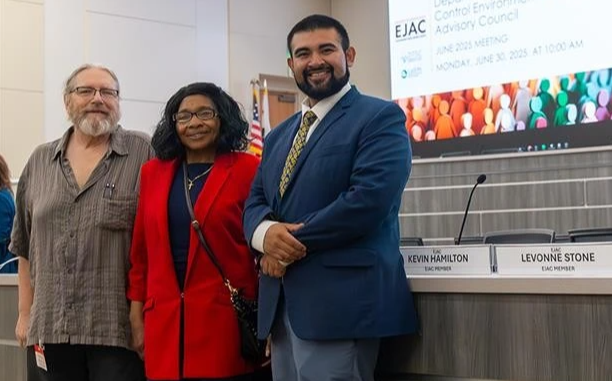
Funds establishment of the Environmental Justice Advisory Council to advice the DTSC Board of Environmental Safety on matter related to exposure to toxic substance and fair treatment in vulnerable communities.

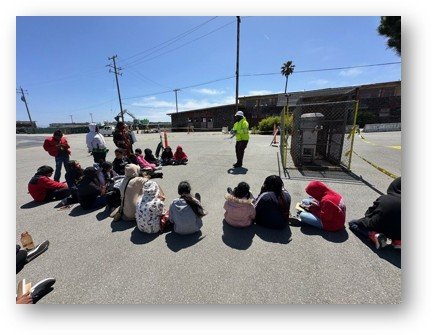
Grants for eligible communities to hire technical advisors that will support communication about cleanup activities at sites overseen by DTSC.
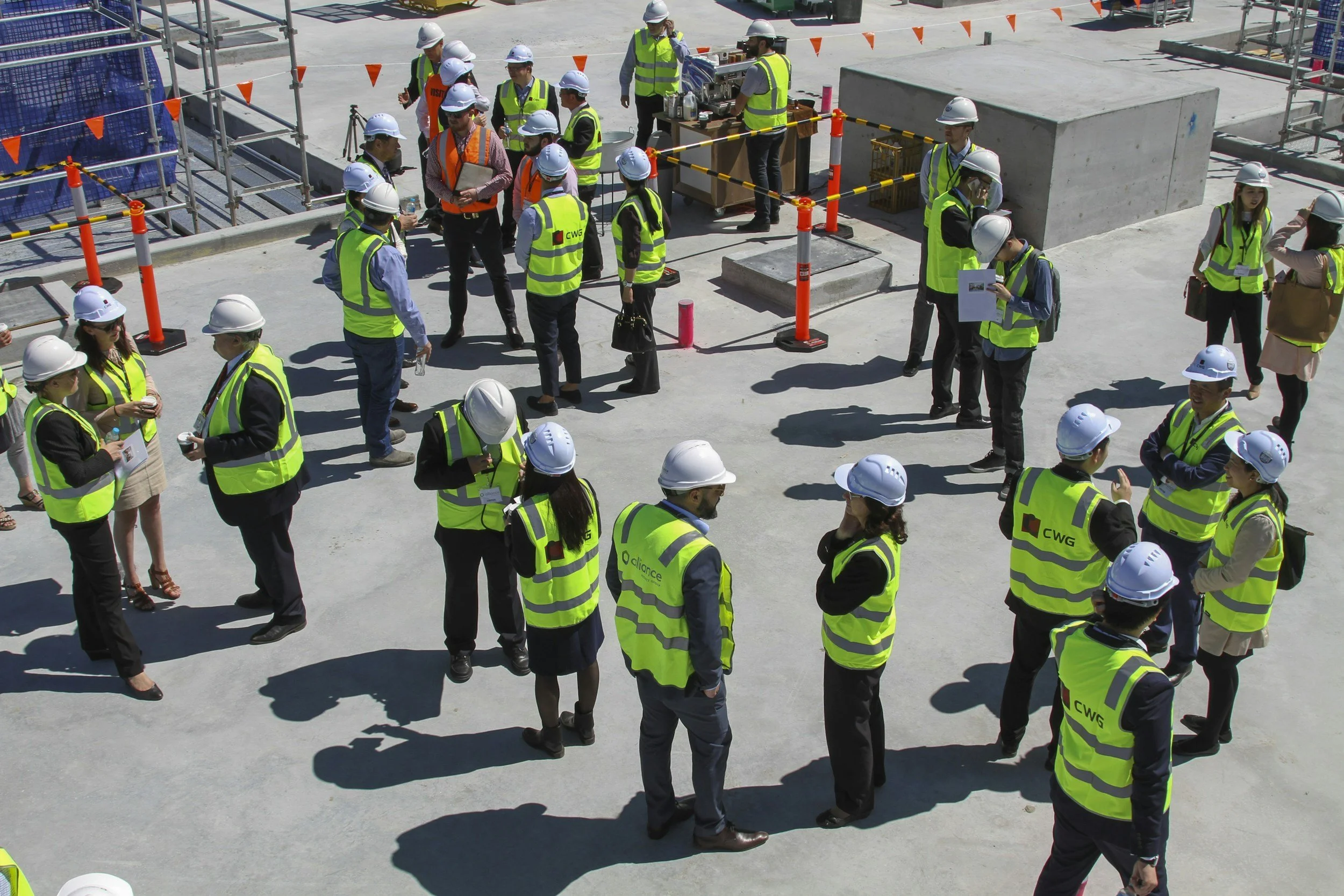
Funds career development in the environmental sector for members of vulnerable communities.
Funds planning and implementation projects that reduce the impacts of extreme heat and increase community resilience.
Financial incentives for EV charging stations with priority for shovel-ready projects in disadvantaged and low-income communities.

Funds establishment, enhancement, and expansion of community spaces and parks, tree planting, green infrastructure in streets and alleys, and the construction of active transportation infrastructure.

Supports local air districts in administering their Community Air Protection Program and supports community steering committees, monitoring, and reporting activities.
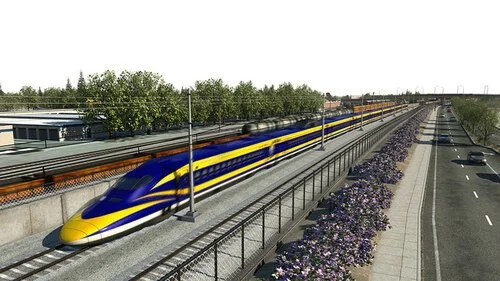

Grants for affordable housing and transportation projects near jobs, schools, and other daily destinations.
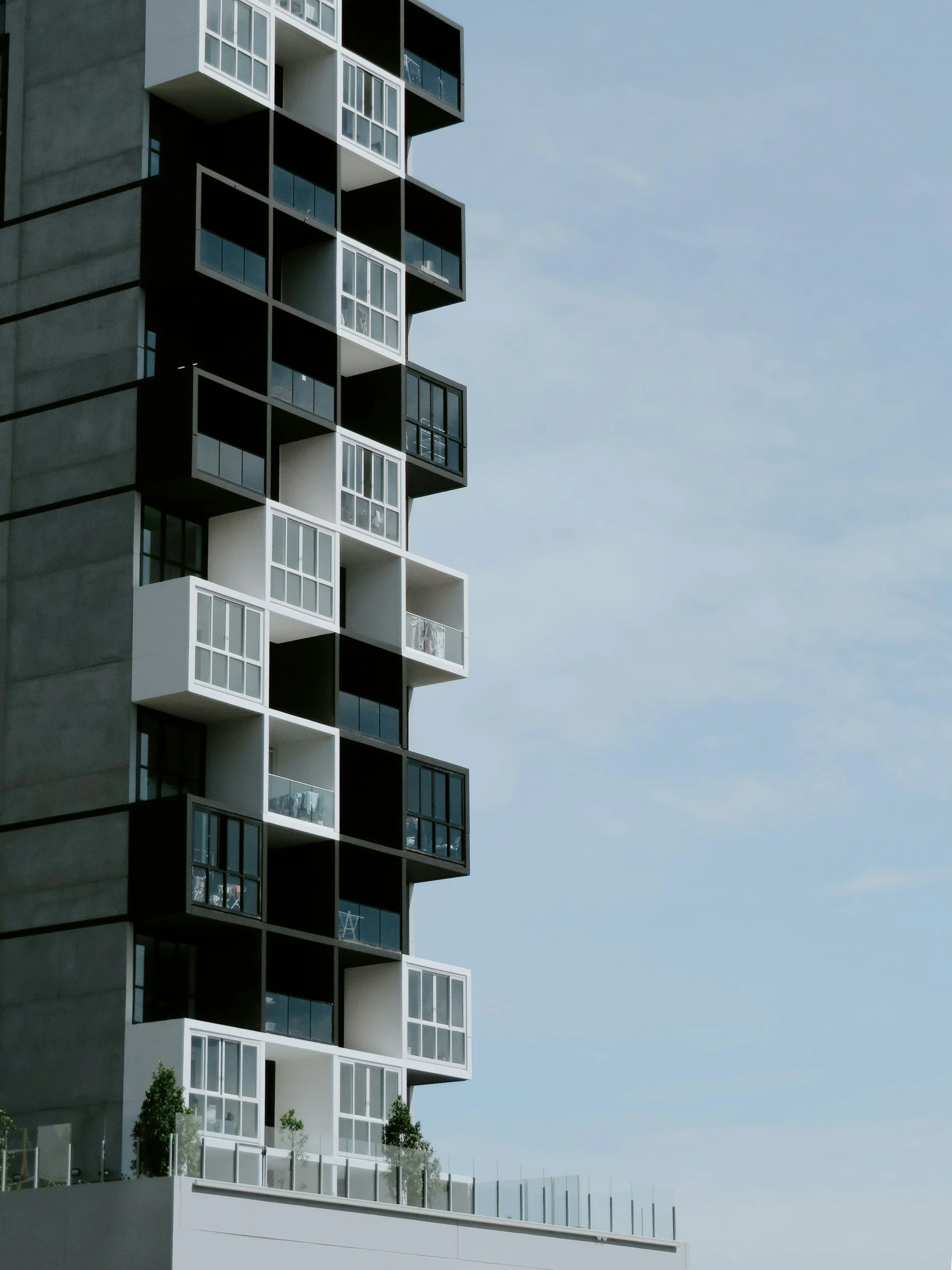

Grants that support planning and implementation of community development projects in disadvantaged communities.

Funds capacity building and air quality improvement activities for California community-based organizations, nonprofits, and California tribal governments that participate in the Community Air Protection Program.
Grants that support mobile source air pollution reduction measures for communities identified through the AB 617 Community Emissions Reduction Programs.

Funds commercial demonstrations of advanced vehicles, engines, equipment, transportation systems, and accompanying infrastructure in disadvantaged communities.

Grants that support planning and implementation of community transportation needs and increase transportation equity through access to key local destinations.
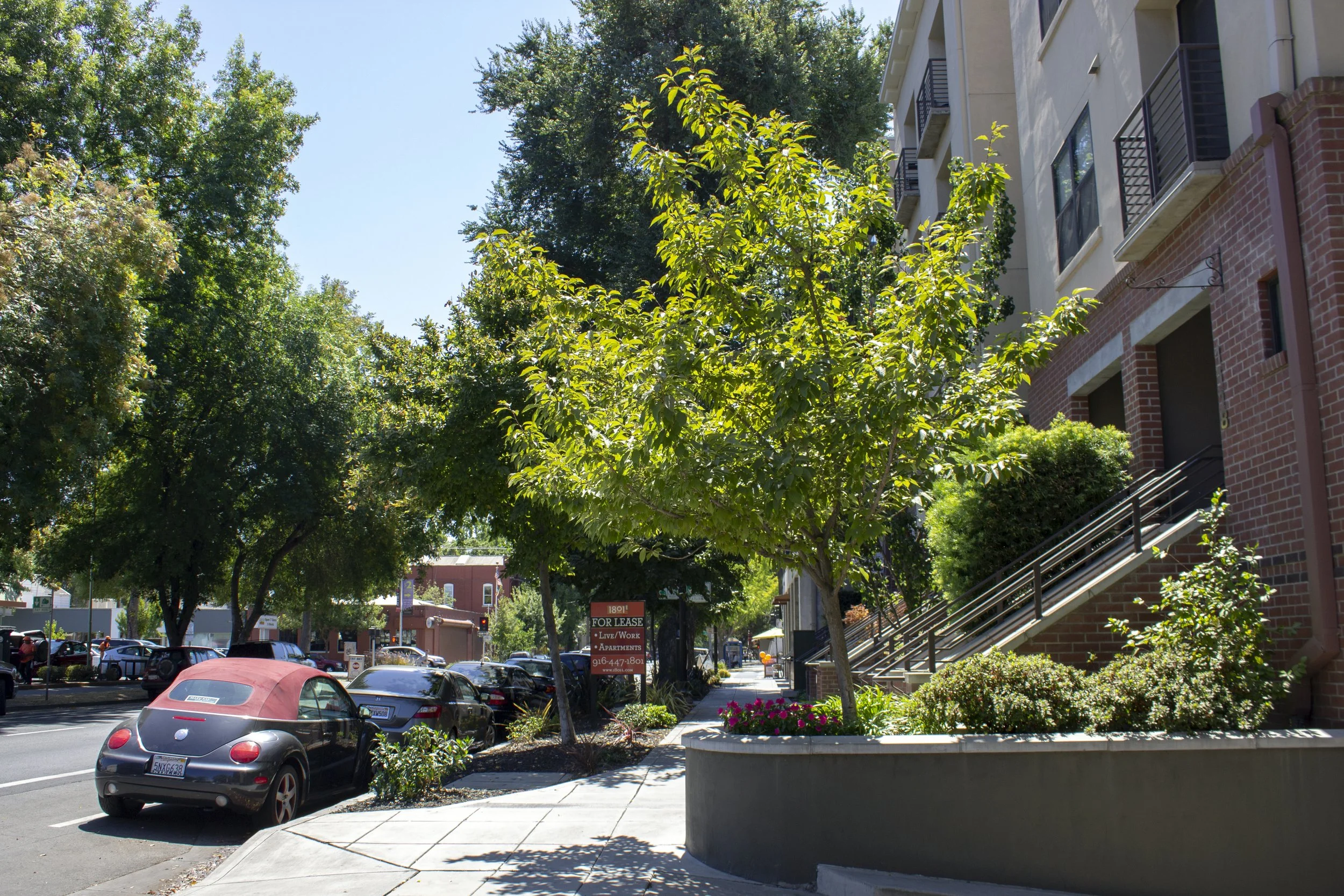
Grants for local agencies and non-profits that support street tree planting and utilization of urban tree waste for wood products and bioenergy.

Funds hazardous fuel removal, fire prevention public education, fire prevention and wildfire safety planning.