

Planning and Research Programs
California's forward-thinking approach to addressing climate change is supported through strategic research and planning initiatives across the state. California Climate Investments fund innovative research and planning activities that aim to reduce greenhouse gas emissions and enhance climate resilience for all Californians. Through gathering and analyzing data, conducting studies, and incorporating community-based knowledge, research efforts help develop and refine climate mitigation and adaptation strategies, facilitating new pathways in understanding climate impacts and creating adaptive solutions. Planning initiatives further empower local governments, non-profits, communities, and academic institutions to design and implement effective strategies that align with local priorities and California’s ambitious climate goals.
Open and Upcoming Funding Opportunities for Planning and Research Projects
Explore programs that are now accepting applications for grants, loans, incentives, and more

Funds conservation and management of natural and working lands and technical assistance for land managers.

Grants that support the development of sea level rise adaptation plans and projects to build resilience with a dedicated funding pathway for Tribes to assess and plan for impacts on cultural resources.

Grants for land use planning, capacity building, and land acquisition projects that protect agricultural land from conversion to non-agricultural uses.
Investments in Action: Funded Planning and Research Projects

California Department of Forestry and Fire Protection
In 2021, the Forest Health Research Program awarded California Climate Investments funding towards research aimed at determining how to leverage existing carbon incentives to increase utilization of woody biomass residues. The project, which seeks to increase biomass utilization throughout the state, examines the return on investment for a variety of low-value forest products for which the market is unpredictable or simply doesn’t exist.

Since 2015, the City of Los Angeles (LA), in partnership with the LA Department of Transportation and the Mayor’s Office, has received a total of $4.7 million from CARB’s Clean Mobility Options program for a zero‑emission car share pilot project. This project, known as BlueLA, is operating in 13 underserved communities that face significant air quality burdens and have historically been excluded from environmental benefits. BlueLA provides a clean and affordable mobility option in these communities, which include Downtown, Pico Union, West Lake, and Koreatown.

California Strategic Growth Council
With funding from the Climate Change Research Program, PSE Healthy Energy is working with the Asian Pacific Environmental Network and Communities for a Better Environment to identify opportunities to build solar+storage resilience hubs at schools and community centers across California.

California Department of Forestry and Fire Protection
A $5 million CAL FIRE Forest Health Program grant is supporting the Western Klamath Restoration Partnership in their efforts to restore fire resilience at the landscape scale along the Klamath River. This project is part of a larger effort by the Western Klamath Restoration Partnership to improve forest health and resilience across a 1.2 million acre planning area that includes much of the Karuk Tribe’s ancestral homelands.

California Department of Forestry and Fire Protection
With a $100,000 grant from CAL FIRE’s Forest Health Research Program, Joelene Tamm a master's student at UC Riverside and Squaxin Island Tribal member, is partnering with the La Jolla band Luiseño Indians to investigate how indigenous cultural burning practices and traditional ecological knowledge can be used to support management of the invasive goldspotted oak borer, an invasive beetle.

State Coastal Conservancy
Thanks to $488,760 from the Climate Ready Program, the Big Sur Land Trust has taken a big step towards transforming Carr Lake into a new park and greenspace for residents in the heart of the City of Salinas. The community has long imagined transforming Carr Lake into a multi-benefit green space, serving as a “central park” in the heart of Salinas.

San Francisco Bay Conservation and Development Commission
With support from Climate Resilience Program, the Adapting to Rising Tides project at the San Francisco Bay Conservation and Development Commission is providing research, guidance, tools, and staff support to help Bay Area agencies and organizations understand, communicate, and begin to resolve complex climate change issues.

With a $990,350 award from the Climate Change Research Program, the Resilient Restoration project – led by the Climate Science Alliance Tribal Working Group, University of California Riverside, and San Diego State University – is promoting Tribal resilience by developing knowledge and supporting actions that enhance persistence of cultural practices with a focus on preserving the ecosystems and species that are integral to Tribal communities.

The Elk Creek Fuel Break, one of the 35 emergency fuel reduction projects prioritized in the Governor’s 2019 Community Wildfire Prevention and Mitigation Report, was completed in part with $325,000 in California Climate Investments funds. California Department of Forestry and Fire Protection implemented the project to protect lives, property, and valuable agricultural resources in the communities of Elk Creek and Stonyford, which are adjacent to the Mendocino National Forest. During the 2020 Butte/Tehama/Glenn Lightning Complex Fire, the Elk Creek Fuel Break helped contain the fire with eight miles of fire line.

In Los Angeles County, transitioning to clean, renewable energy will improve air quality and reduce the overall carbon footprint in California’s most populous region. With a $638,878 award from California Climate Investments through the Climate Change Research Program, a partnership led by the University of California, Los Angeles and Liberty Hill Foundation is helping to make this transition equitable, affordable, and beneficial for people living in the area’s priority populations. That means engaging these communities at all stages of the research.

The Toxic Tides research project, led by the University of California (UC), Berkeley Sustainability and Healthy Equity Laboratory is working to better understand how vulnerable communities living near hazardous sites may be affected under different sea levels rise scenarios.

Supported by nearly $2.6 million from California Climate Investments, the California Environmental Protection Agency is working with University of California researchers to carry out two studies that will help California reach its goal of achieving carbon neutrality by 2045. In particular, these studies will examine ways to reduce emissions from the transportation sector, the largest source of greenhouse gas emissions in California. The studies will also quantify air pollution and economic impacts for multiple greenhouse gas emissions reduction scenarios.

Launched in January 2019, the South Central Los Angeles Project to Understand the Sources and Health Impacts of Local Air Pollution (SCLA‑PUSH) aims to help South Central LA organizations and community residents better understand the state of air quality and health in their community and engage in air monitoring and data analysis to advance community‑driven solutions in air quality policy. The project was awarded $300,000 by the AB 617 Community Air Grant Program and is led by Physicians for Social Responsibility–Los Angeles (PSR‑LA).

At the University of California’s Blodgett Forest Research Station in the central Sierra Nevada Mountains, the long running Fire and Fire Surrogate study has provided critical information to forest managers and landowners on the use of prescribed fire and restoration thinning. With a $454,772 grant from California Climate Investments through the California Department of Forestry and Fire Protection’s Forest Health Research Program, Dr. John Battles, Dr. Scott Stephens, and other researchers are continuing this important work with an eye towards understanding the value of repeated application of fuel reduction treatments on Sierra Nevada mixed‑conifer forests. Forest managers and landowners throughout the state and beyond will be able to use the results of this study to inform their management actions and policy decisions in the face of warming climate and increasing wildfires.

The “Teakettle Experiment” continues important work that began over 20 years ago to quantify the effects of prescribed fire and thinning on the ecosystem in the Teakettle Experimental Forest in the southern Sierra Nevada Mountains. This long-term research project is examining six different treatment options, including different intensities of thinning and prescribed fire.
All Planning and Research Programs
Learn about all past and present planning and research programs, including programs that are not actively receiving California Climate Investments funding.
Funds conservation and management of natural and working lands and technical assistance for land managers.


Funds project that advance ocean and coastal resilience and adaptation, consistent with the 2020-2025 Ocean Protection Council Strategic Plan.

Funds planning and implementation projects that reduce the impacts of extreme heat and increase community resilience.
Grants that support the development of sea level rise adaptation plans and projects to build resilience with a dedicated funding pathway for Tribes to assess and plan for impacts on cultural resources.
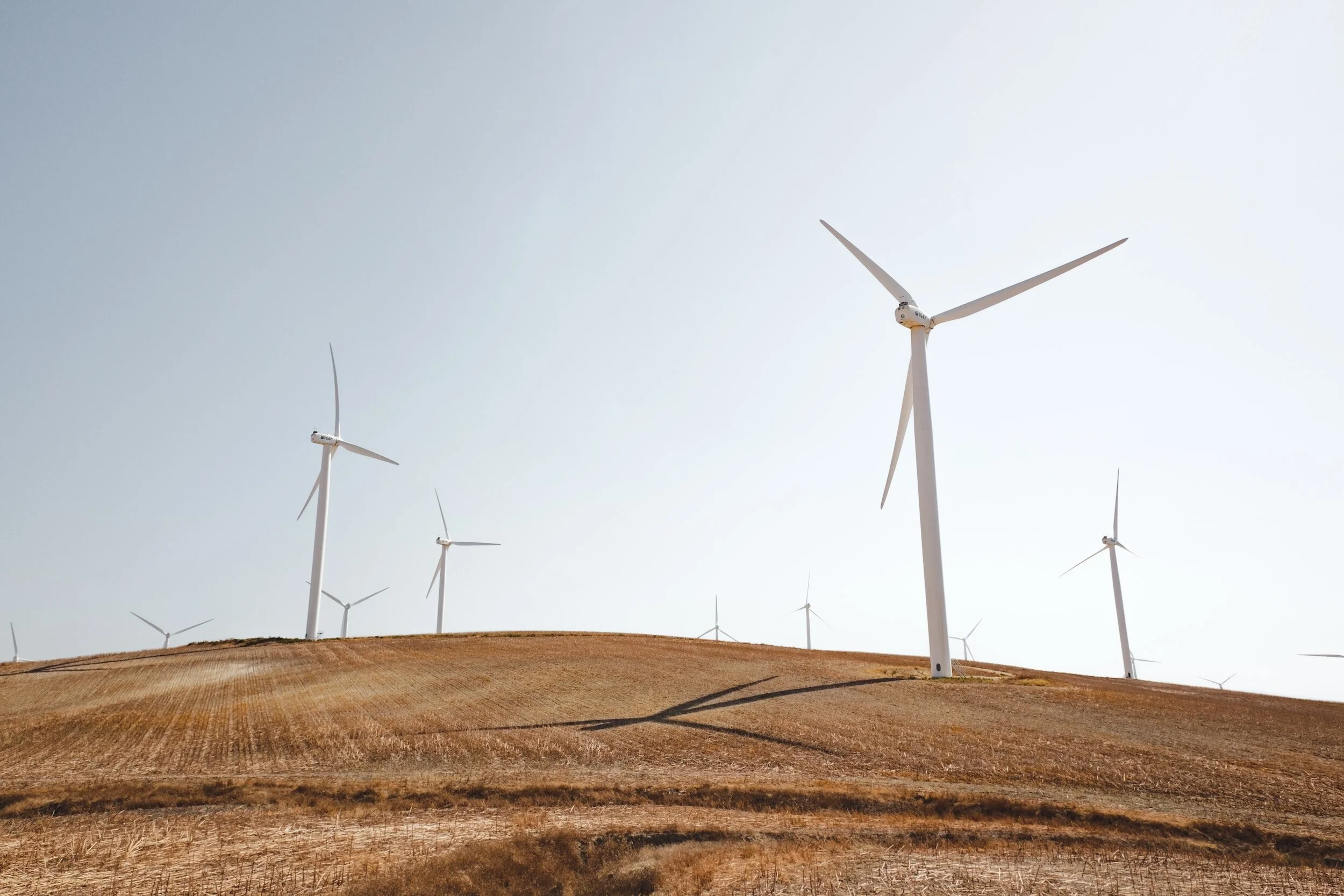
Funds research studies to identify strategies that significantly reduce transportation-related fossil fuel demand and emissions and responsibly manage the decline of transportation-related fossil fuel supply in support of the State's goal to achieve climate neutrality by 2045.

Funds community-led research projects that focus on integrated land-use planning and climate adaptation and resiliency.
Grants for land use planning, capacity building, and land acquisition projects that protect agricultural land from conversion to non-agricultural uses.

Funds sea level rise vulnerability assessments, technical studies, economic analyses, adaptation planning and reports, public outreach and engagement, and Local Coastal Programs policy development.

Grants that support planning and implementation of community development projects in disadvantaged communities.

Vouchers for zero-emission transportation services such as bike and scooter sharing, electric carsharing and carpooling, on-demand shuttles using electric vans or buses, and fixed-route and traditional transit services, including school buses.

Funds community-led planning and capacity building projects that increase transportation equity in disadvantaged and low-income communities.


Funds hyperlocal air monitoring in communities beyond those selected under the Community Air Protection Program.

Funds pre-commercial demonstrations of advanced vehicles, engines, equipment, and transportation systems such as electric locomotives and zero-emission port equipment.

Funds research that supports implementation of the California Forest Carbon Plan and Prescribed Fire Monitoring program.

Funds hazardous fuel removal, fire prevention public education, fire prevention and wildfire safety planning.

Grants that support climate adaptation projects such as urban greening, natural infrastructure, wetland enhancement, and sea level rise adaptation.
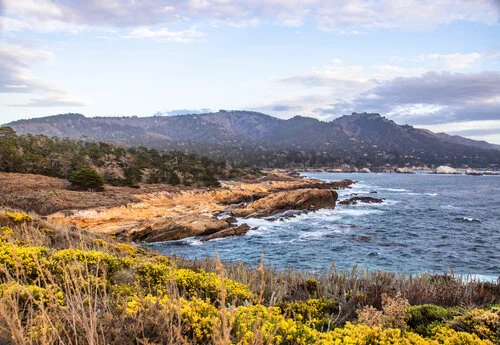
Funds vulnerability assessments and adaptation planning that support regional resilience in the San Franciso Bay Area.

Funds demonstration trials evaluating additives and dietary modifications that have the potential to reduce enteric methane emissions in the dairy and livestock sectors.