
Nature-based Strategies Programs
By implementing nature-based strategies, many California Climate Investments programs are sequestering carbon, increasing resilience to climate impacts, improving ecosystem function, and preventing greenhouse gas emissions. Programs also provide financial incentives for on-farm management practices that sequester carbon, including soil conservation practices, establishment of herbaceous and woody cover, and compost application. These programs, along with several others, support natural landscapes that provide life sustaining resources including clean air, water, and food while contributing to a carbon neutral future.
Open and Upcoming Funding Opportunities for Nature-based Strategies
Explore programs that are now accepting applications for grants, loans, incentives, and more

Funds conservation and management of natural and working lands and technical assistance for land managers.

Grants for land use planning, capacity building, and land acquisition projects that protect agricultural land from conversion to non-agricultural uses.

Funds development of a Forest Management Plan and Registered Professional Forester supervision of reforestation, stand improvement, conservation, and habitat improvement activities.

Funds coverage of losses resulting from a prescribed or cultural burn that escaped control.
Investments in Action: Funded Nature-based Strategies


California Natural Resources Agency
Amigos de Los Rios, a Southern California-based nonprofit, is using California Climate Investments funding received through the Urban Greening Program, administered by the California Natural Resources Agency, to create an Emerald Necklace, a 17-mile loop of parks and greenways connecting disadvantaged communities to urban green spaces. The nonprofit recently transformed the exterior of Mary Jackson Elementary School in Altadena and revitalized a section of the Rio Honda Bike Path, integrating native plants and natural infrastructure to capture carbon and filter groundwater.

California Department of Forestry and Fire Protection
In August of 2024, the Canyon Fire ignited in the Tuolumne River Canyon, quickly becoming a threat to nearby subdivisions. Fortunately, the Tuolumne Fire Safe Council had received California Climate Investments funding through the Wildfire Prevention Grants program and completed the Ponderosa-Mira Monte Shaded Fuel Break just two years prior. The fuel break gave wildland firefighters leverage in slowing and ultimately extinguishing the blaze, saving area homes and lives.

California Department of Forestry and Fire Protection
Giant sequoias, the world’s largest trees and an iconic California species, face increasing risk due to severe wildfires brought on by unnaturally high fuel loads and climate change. To avoid further losses and promote new growth, a group of partners, with funding from California Climate Investments, is restoring and protecting southern Sierra sequoia forests.

California Department of Forestry and Fire Protection
In 2021, the Forest Health Research Program awarded California Climate Investments funding towards research aimed at determining how to leverage existing carbon incentives to increase utilization of woody biomass residues. The project, which seeks to increase biomass utilization throughout the state, examines the return on investment for a variety of low-value forest products for which the market is unpredictable or simply doesn’t exist.

Wildfires have burned over 40% of Butte County in the past decade, destroying homes, communities, and vital forestland. Since 2021, the Butte County Fire Safe Council has been restoring nearly 10,000 acres of forest with over $22 million in California Climate Investments funding, granted by CAL FIRE’s Forest Health Program. When the Park Fire raged across northern Butte County, efforts to reduce fuels aided firefighters in diverting the blaze from residences and saving mature trees. Using techniques like thinning, mastication, reforestation, and prescribed burns, these efforts are reducing hazardous fuels and strengthening wildfire resilience. Through continued investment in wildfire mitigation, the Butte County Fire Safe Council is helping to protect communities and ensure forest health for the future.
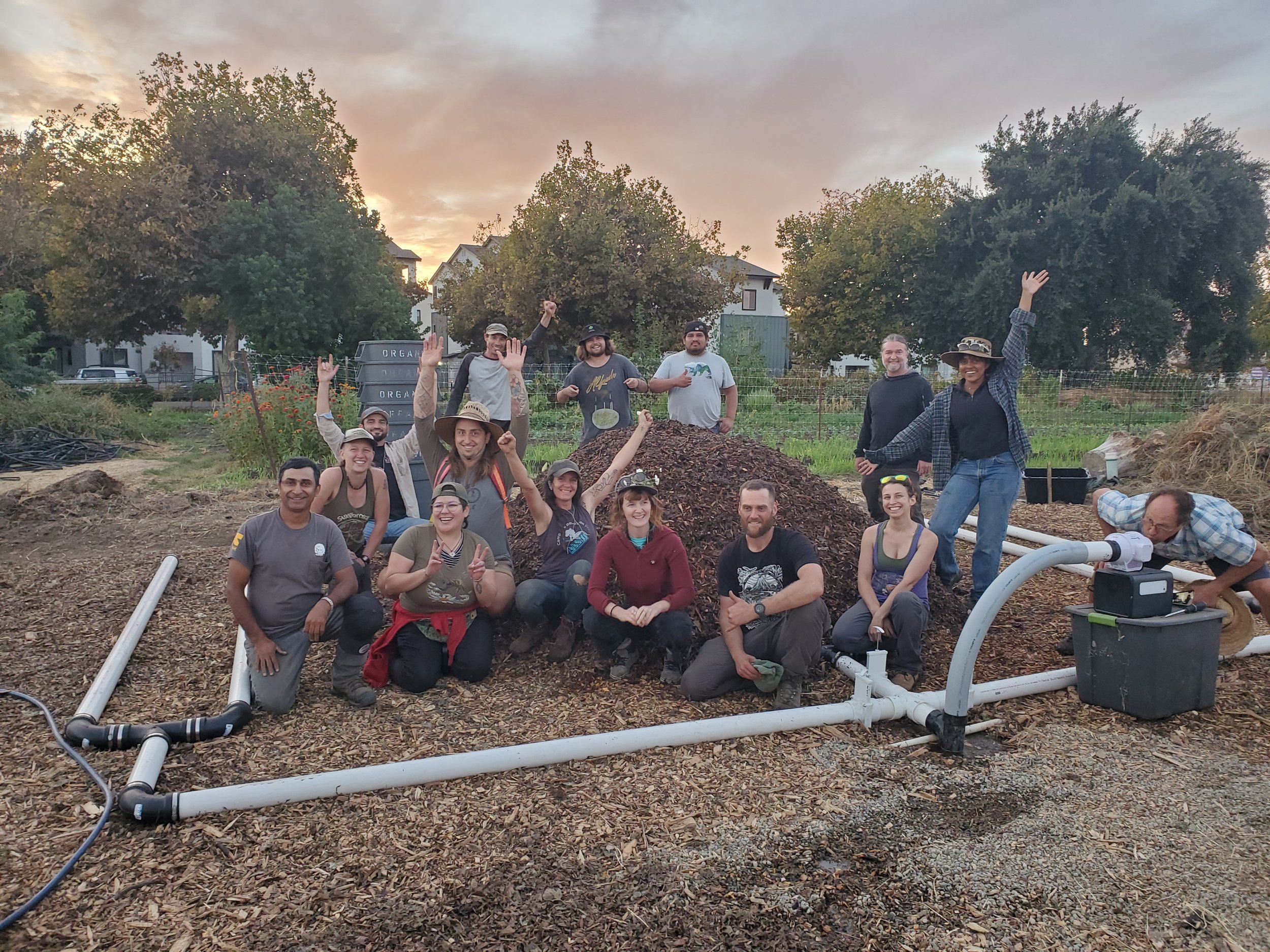
California Department of Resources Recycling and Recovery’s (CalRecycle) Community Composting for Green Spaces Grant Program is funding community composting at hundreds of sites across California. In the first cycle of funding, the grant program awarded $1.5 million to the People, Food, and Land Foundation, which supported community composting at 117 sites throughout California, planted 488 trees, created 4,418 cubic yards of compost, and reduced emissions by 2,508 MTCO2e of GHG emissions. An additional $4.2 million was awarded to the California Alliance for Community Composting and LA Compost in the second cycle of the program. Through the establishment or expansion of community composting sites, communities receive benefits such as part time jobs and training on composting practices, fresh produce from adjacent gardens, training on farming practices, an increase in shade from tree planting, and the development of green spaces.

In 2020, Sarah Light, agronomy advisor at the University of California Cooperative Extension, partnered with the Colusa County Resource Conservation District, Davis Ranch, Richter Ag, and the United States Department of Agriculture Natural Resource Conservation Service to apply for a CDFA Healthy Soils Program Demonstration Grant. The team received $99,832 of grant funding to conduct a demonstration project on cover crops on two fields in the Sacramento Valley from fall 2020 to spring 2024.

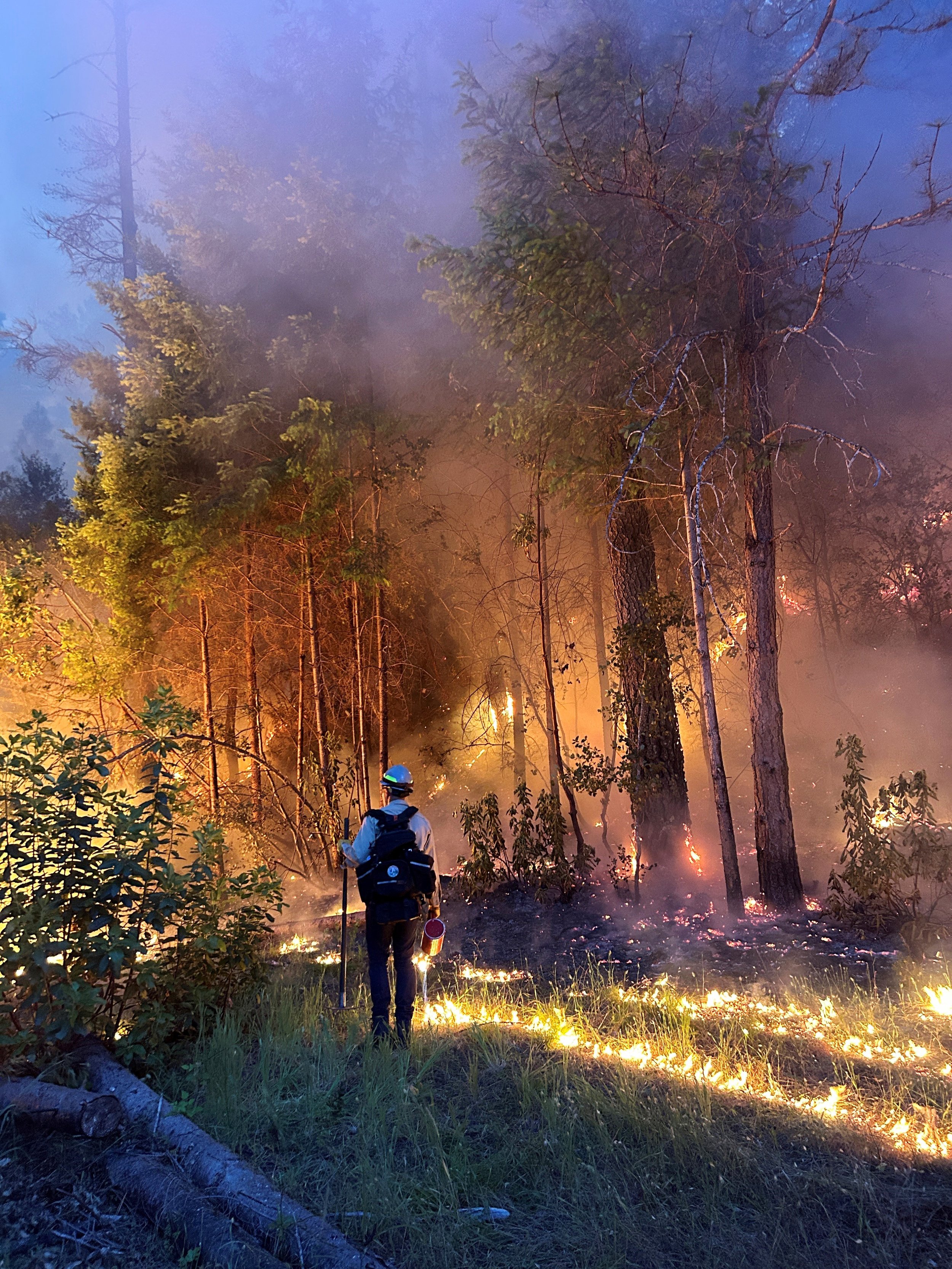
In the Hoopa Valley Tribe’s homelands, California Climate Investments funding is helping the Hoopa Valley Tribe re‑introduce fire to an important oak woodland ecosystem. The work is supported by a $1.36 million grant from CAL FIRE’s Forest Health Program. The eastern side of the Hoopa Valley, on the current Hoopa Valley Reservation in what is known today as Humboldt County, has historically been home to extensive oak woodlands. Fire has always played an important role on this landscape—the people burned the hillsides for generations to maintain the oak trees and promote growth of other culturally important plants.

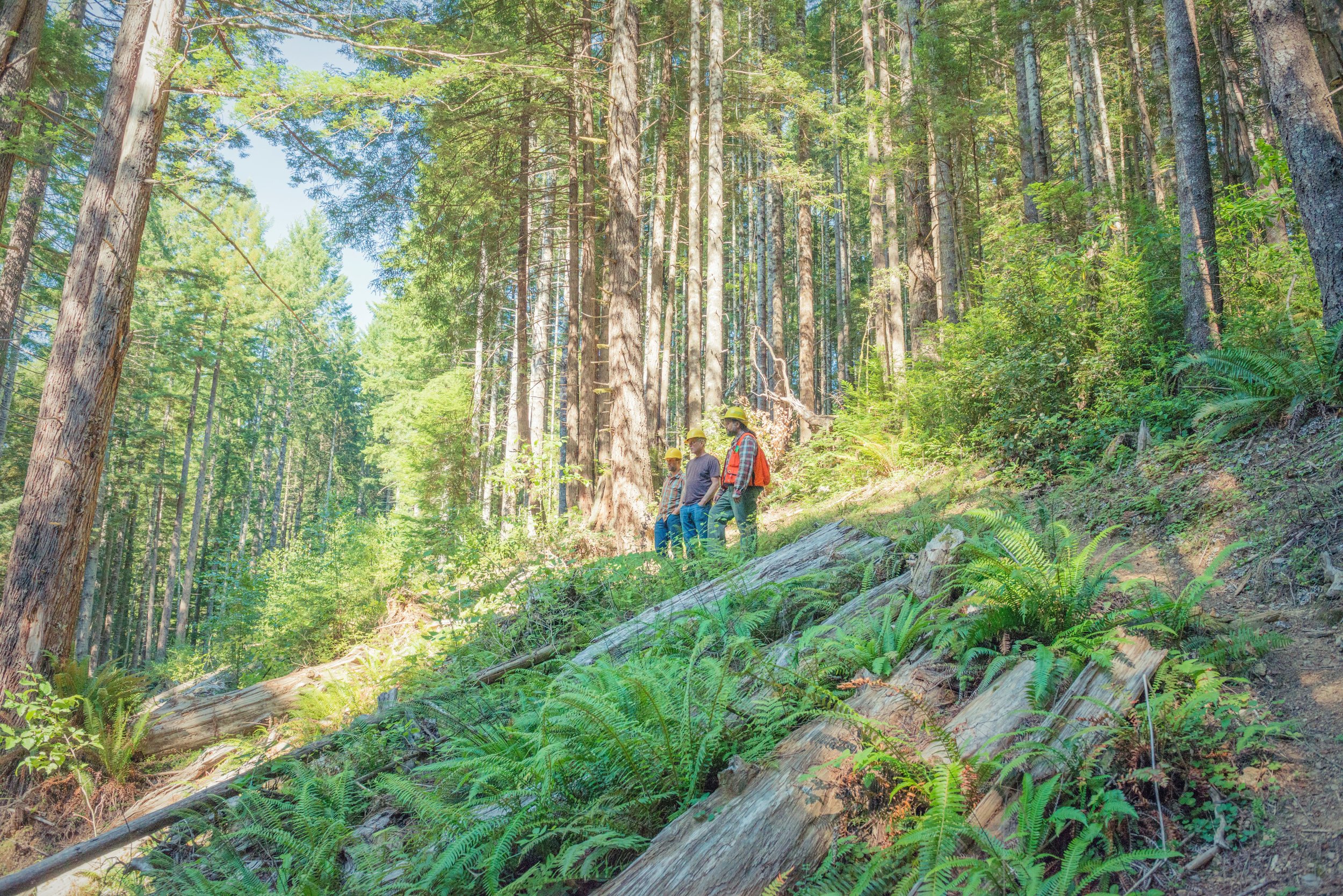
Old‑growth redwood forests store more above‑ground carbon than any other forest type on Earth. Unfortunately, only 5% of old‑growth redwood forests survived extensive colonial logging in the 19th and 20th Centuries. Now, thanks in part to California Climate Investments funding awarded through CAL FIRE’s Forest Health Program, a partnership is working to establish the old‑growth forests of the future on California’s northern coast.

Ross Ranch is an 854-acre working ranch that lies within the City of Redding’s sphere of influence, or the identified expansion area for the city. The property is leased to cattle ranchers and beekeepers, with 30 acres used by neighboring Shasta College for cattle grazing. In 2018, the California Strategic Growth Council awarded the Shasta Land Trust an approximately $5.6 million Sustainable Agricultural Lands Conservation Program (SALC) grant to acquire an agricultural conservation easement that permanently protects Ross Ranch from development.

California Department of Forestry and Fire Protection
A $4.3 million grant from CAL FIRE’s Forest Health Program to the Humboldt County Resource Conservation District is funding work to protect natural, cultural, and spiritual values in a key watershed in the Yurok Tribe’s ancestral homeland.
California Department of Fish and Wildlife
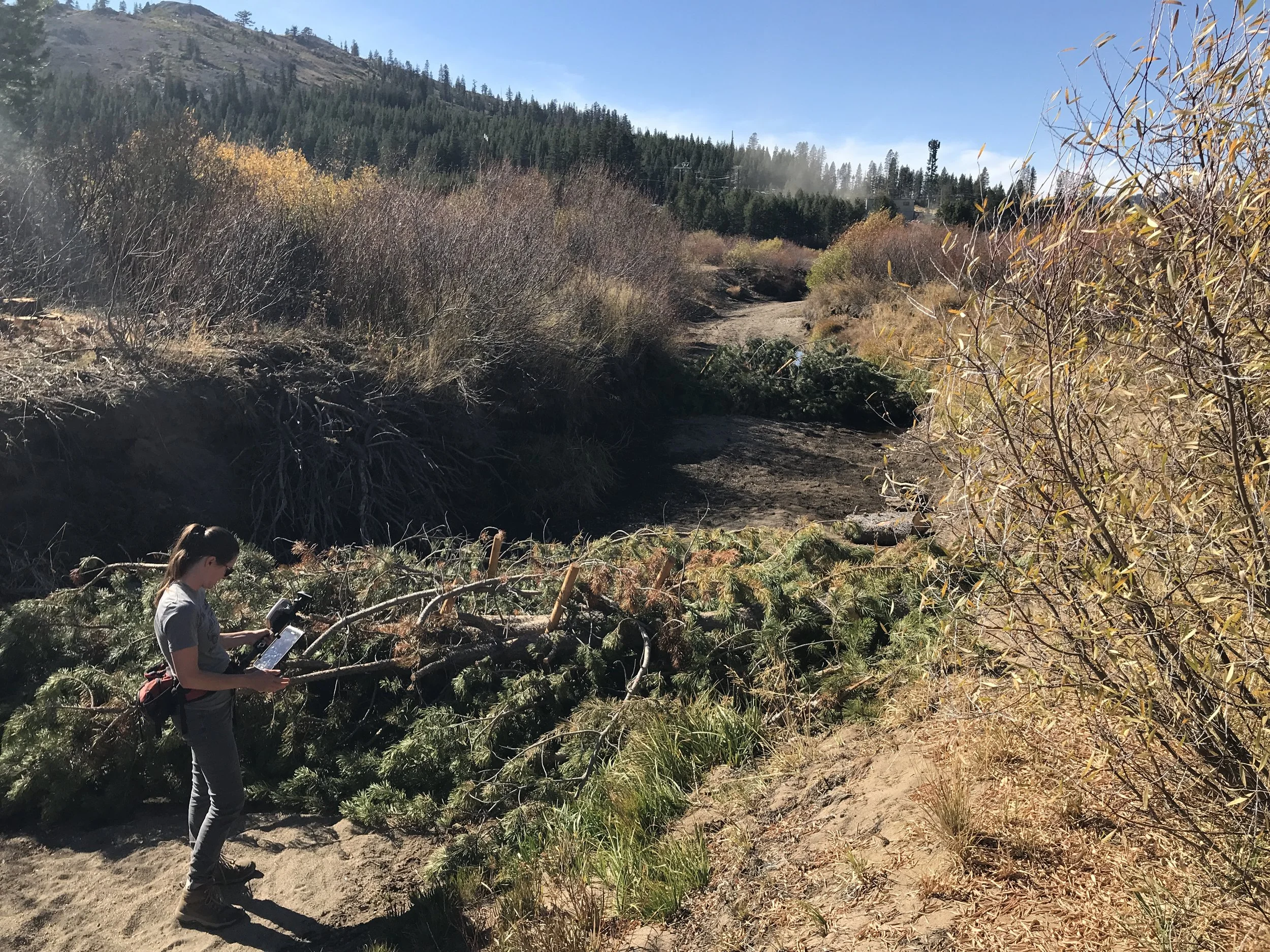
With $3.9 million in support from the Wetlands and Watershed Restoration Program, the South Yuba River Citizens League together with the Washoe Tribe and project partners are restoring 485 acres of the high-elevation meadow habitat in Placer and Nevada Counties. Project partners include the Tahoe National Forest/U.S. Forest Service (USFS), Wildlife Conservation Board, Truckee Donner Land Trust, UC Davis Center for the Watershed Sciences, Point Blue Conservation Science, University of Nevada Reno, and Nevada County.

California Department of Forestry and Fire Protection
A collaborative of landowners led by the San Diego Fire Safe Council and the Resource Conservation District of Greater San Diego County is implementing a landscape-scale restoration project aimed at improving forest health on Palomar Mountain. Forests in San Diego county have experienced heavy losses from catastrophic fires and invasive pest infestations. Now at the home of one of San Diego county’s last mixed conifer forests, project partners are working to ensure Palomar Mountain’s forests are resilient to future wildfires.

California Department of Forestry and Fire Protection
A $5 million CAL FIRE Forest Health Program grant is supporting the Western Klamath Restoration Partnership in their efforts to restore fire resilience at the landscape scale along the Klamath River. This project is part of a larger effort by the Western Klamath Restoration Partnership to improve forest health and resilience across a 1.2 million acre planning area that includes much of the Karuk Tribe’s ancestral homelands.

California Department of Forestry and Fire Protection
Forest resilience treatments funded through a $2 million grant from CAL FIRE’s Forest Health Program helped to save some of the world’s most iconic trees in one of the world’s most famous national parks. Protecting the ancient, majestic giant sequoias in the largest and most popular of Yosemite’s sequoia groves was an immediate concern for land managers when the Washburn Fire broke out near Mariposa Grove on July 7, 2022. Fortunately, a partnership that includes the Mariposa County Resource Conservation District, the National Park Service and local tribal forest crews had completed the important fuels reduction work that reduced the fire’s severity and helped firefighters protect the invaluable trees.

California Department of Forestry and Fire Protection
With a $100,000 grant from CAL FIRE’s Forest Health Research Program, Joelene Tamm a master's student at UC Riverside and Squaxin Island Tribal member, is partnering with the La Jolla band Luiseño Indians to investigate how indigenous cultural burning practices and traditional ecological knowledge can be used to support management of the invasive goldspotted oak borer, an invasive beetle.

State Coastal Conservancy
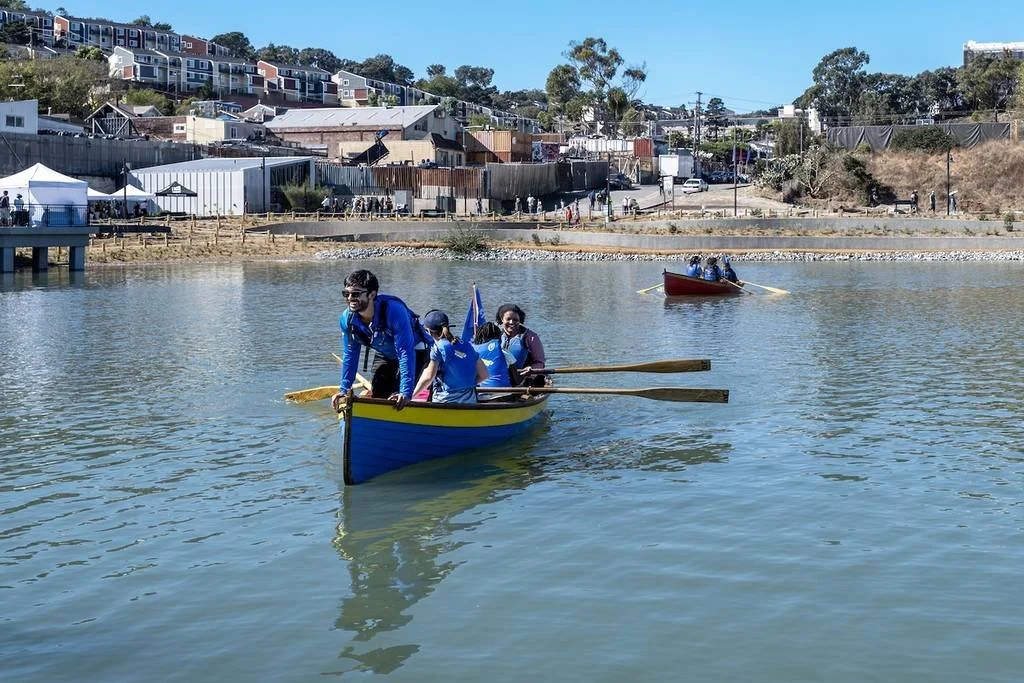
Thanks to $488,760 from the Climate Ready Program, the Big Sur Land Trust has taken a big step towards transforming Carr Lake into a new park and greenspace for residents in the heart of the City of Salinas. The community has long imagined transforming Carr Lake into a multi-benefit green space, serving as a “central park” in the heart of Salinas.

California Department of Fish and Wildlife
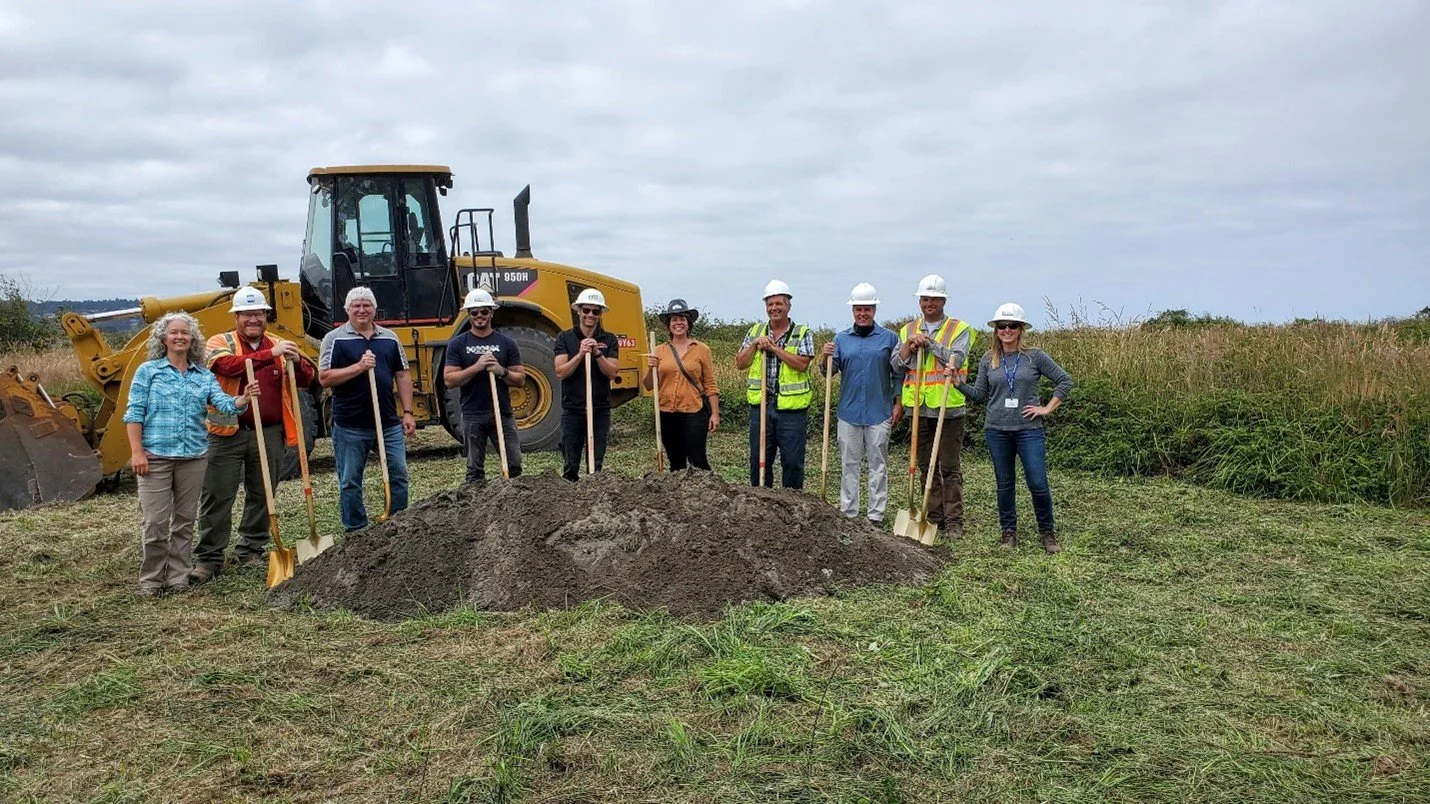
The California State Coastal Conservancy is restoring wetlands at Ocean Ranch along the Eel River with support from a $2 million grant from the California Department of Fish and Wildlife’s Wetlands Restoration Program. The Eel River was once one of the Pacific Coast’s greatest producers of salmon and steelhead. Over the years, extensive human activities have reduced the Eel River Delta. As the estuary shrank, so did populations of salmon and other native species, and carbon sequestration rates. At the same time, non-native species proliferated.

California Department of Forestry and Fire Protection
A $2.5 million grant from CAL FIRE’s Forest Health Program is supporting the San Mateo Resource Conservation District (RCD) and a network of regional partners in their efforts to improve forest resilience, increase carbon sequestration, and reduce wildfire risk to vulnerable communities in the Santa Cruz Mountains.

California Department of Forestry and Fire Protection
Supported by a $500,000 grant from the Forest Health Research Program, the Sequoia Foundation, in partnership with the California Department of Public Health and others, is investigating the impacts of increasing prescribed fire on air quality and public health outcomes. Although prescribed fire plans are designed to limit air quality impacts to communities, they still produce some level of smoke. In this project, this interdisciplinary team will collect information that can help minimize the impacts of this smoke through a combination of smoke modeling, exposure assessment, health analysis, and community engagement.

Supported by $3.57 million from the Greenhouse Gas Reduction Fund, the California Department of Food and Agriculture’s Climate Smart Agriculture initiative provides technical assistance to help farmers find funding and implement projects that support their work while helping to achieve the State’s climate goals. These funds, which were leveraged by California Department of Food and Agriculture and the Strategic Growth Council, support 10 Community Education Specialists, a group of technical experts with the University of California Division of Agriculture and Natural Resources. Since 2019, these Community Education Specialists have assisted over 850 farmers and ranchers across the State with applications to programs under the Climate Smart Agriculture initiative.

The Resource Conservation District of Greater San Diego County (RCD) is using their $1.4 million grant awarded in 2019 from the Regional Forest and Fire Capacity program to develop the region’s capacity to restore the health of its forests and protect them from severe wildfires in the future. To carry out this work, the RCD has partnered with several California Native American Tribes, the Cleveland National Forest, a private cattle company, and the Palomar Observatory to manage the region, which includes the last mixed conifer forest in San Diego County. The RCD is also developing training programs for several Fire Safe Councils in San Diego County serving 46 communities, so they can support this work.

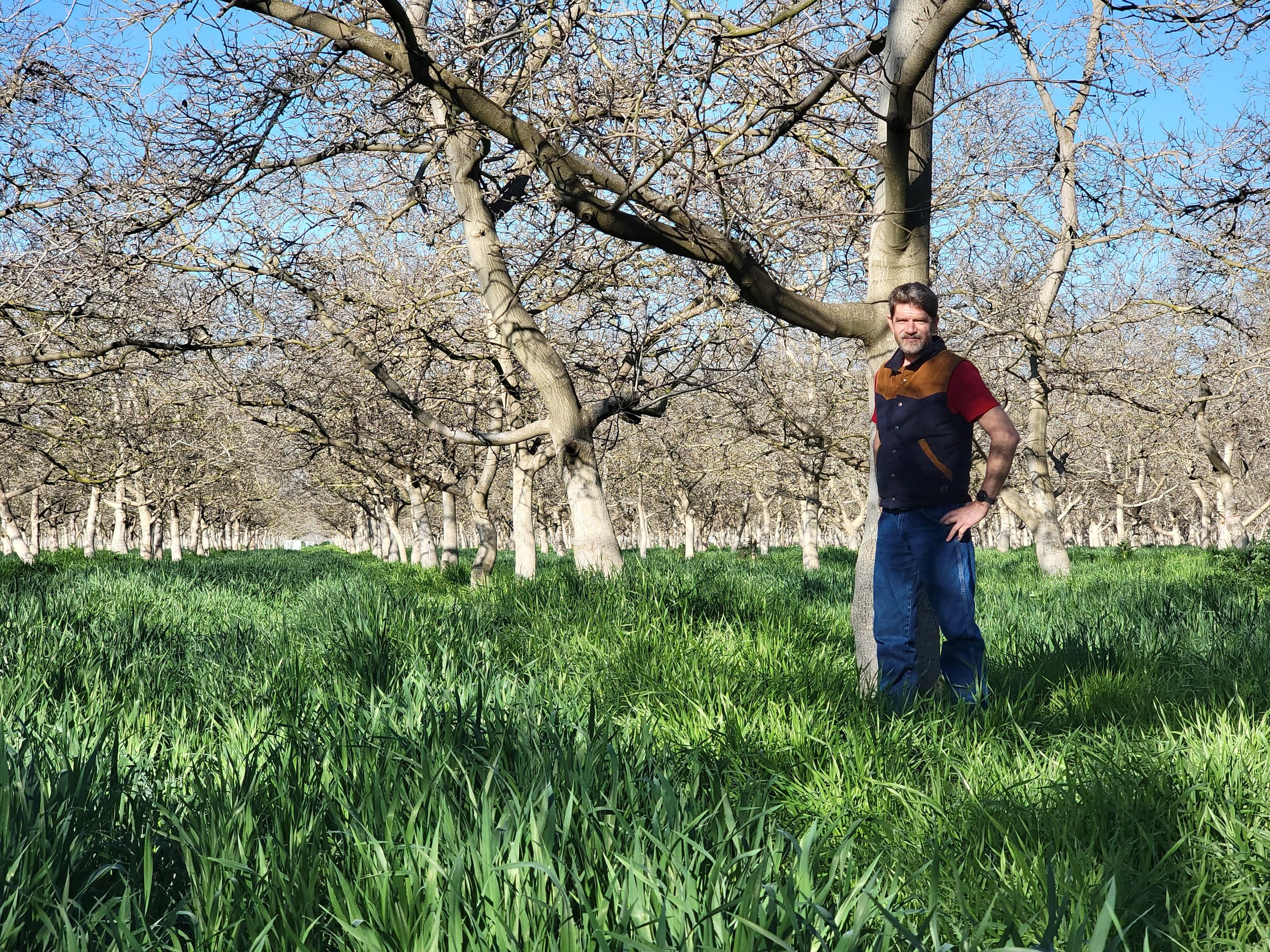
David Viguie of Viguie Farming is revitalizing soil health on 44 acres of a 28-year-old French prune orchard located in the city of Winters. Prior to receiving a Healthy Soils Program grant, David conventionally farmed his orchard. In his pursuit to restore the property's soil health, David applied to the Healthy Soils Program and received a $38,378 grant from California Climate Investments to achieve his goals of reducing greenhouse gas emissions and increasing soil carbon by removing a prune orchard through whole-orchard recycling.

With a $990,350 award from the Climate Change Research Program, the Resilient Restoration project – led by the Climate Science Alliance Tribal Working Group, University of California Riverside, and San Diego State University – is promoting Tribal resilience by developing knowledge and supporting actions that enhance persistence of cultural practices with a focus on preserving the ecosystems and species that are integral to Tribal communities.

Alpine County was awarded $120,810 from the Fire Prevention Grants program to support the operation of The Turtle Rock Park Biomass Collection site. The facility provides communities in eastern Alpine County with a place to send green waste and biomass removed while creating defensible space around their properties to reduce the risk of future wildfire damage. By reducing the intensity of future wildfires, defensible space practices also reduce the emission of air pollutants and greenhouse gases.
Nature-based Strategies Resources

Industrial Economics, Inc.
Fact sheet highlighting how California Climate Investments projects contribute to a host of ecosystem services, or the benefits that healthy functioning ecosystems provide that improve the well-being of California residents, communities, and economy.

Industrial Economics, Inc.
An analysis and evaluation of ecosystem service benefits California Climate Investments projects provide by funding nature-based climate solutions. The resulting report explores how carbon mitigation projects can generate ecological and environmental improvements that enhance the health, wealth, and well-being of California residents.
All Nature-based Strategies Programs
Learn about all past and present nature-based strategies programs, including programs that are not actively receiving California Climate Investments funding.

Funds two local assistance contracts to expand and secure access to land in California for producing food, fiber, medicine, and cultural resources.
Funds conservation and management of natural and working lands and technical assistance for land managers.


Funds flood conveyance improvement and habitat restoration in the Sacramento-San Joaquin Delta.

Funds habitat restoration and dust suppression projects to improve air quality and environmental conditions at the Salton Sea.

Funds establishment, enhancement, and expansion of community spaces and parks, tree planting, green infrastructure in streets and alleys, and the construction of active transportation infrastructure.

Funds projects that increase soil organic carbon, enhance fish and wildlife habitat, protect and improve water quality, increase flood protection, improve groundwater recharge, and develop resiliency to sea level rise in wetlands.
Funds fire engine procurement, training for local fire agencies, resources for emergency operations, and disaster relief for the California Mutual Aid System.
Grants for land use planning, capacity building, and land acquisition projects that protect agricultural land from conversion to non-agricultural uses.

Funds sea level rise vulnerability assessments, technical studies, economic analyses, adaptation planning and reports, public outreach and engagement, and Local Coastal Programs policy development.

Funds development of a Forest Management Plan and Registered Professional Forester supervision of reforestation, stand improvement, conservation, and habitat improvement activities.

Funds training for local planning, community fire prevention and preparedness, and maintenance of evacuation routes.

Funds CAL FIRE state demonstration forest activities, which offer research and demonstration opportunities for natural resource management while providing public recreation access, fish and wildlife habitat, carbon storage and sequestration, and watershed protection.


Funds research that supports implementation of the California Forest Carbon Plan and Prescribed Fire Monitoring program.

Funds CAL FIRE to purchase conservation easements and fee titles from sellers with productive forest lands.


Funds coverage of losses resulting from a prescribed or cultural burn that escaped control.
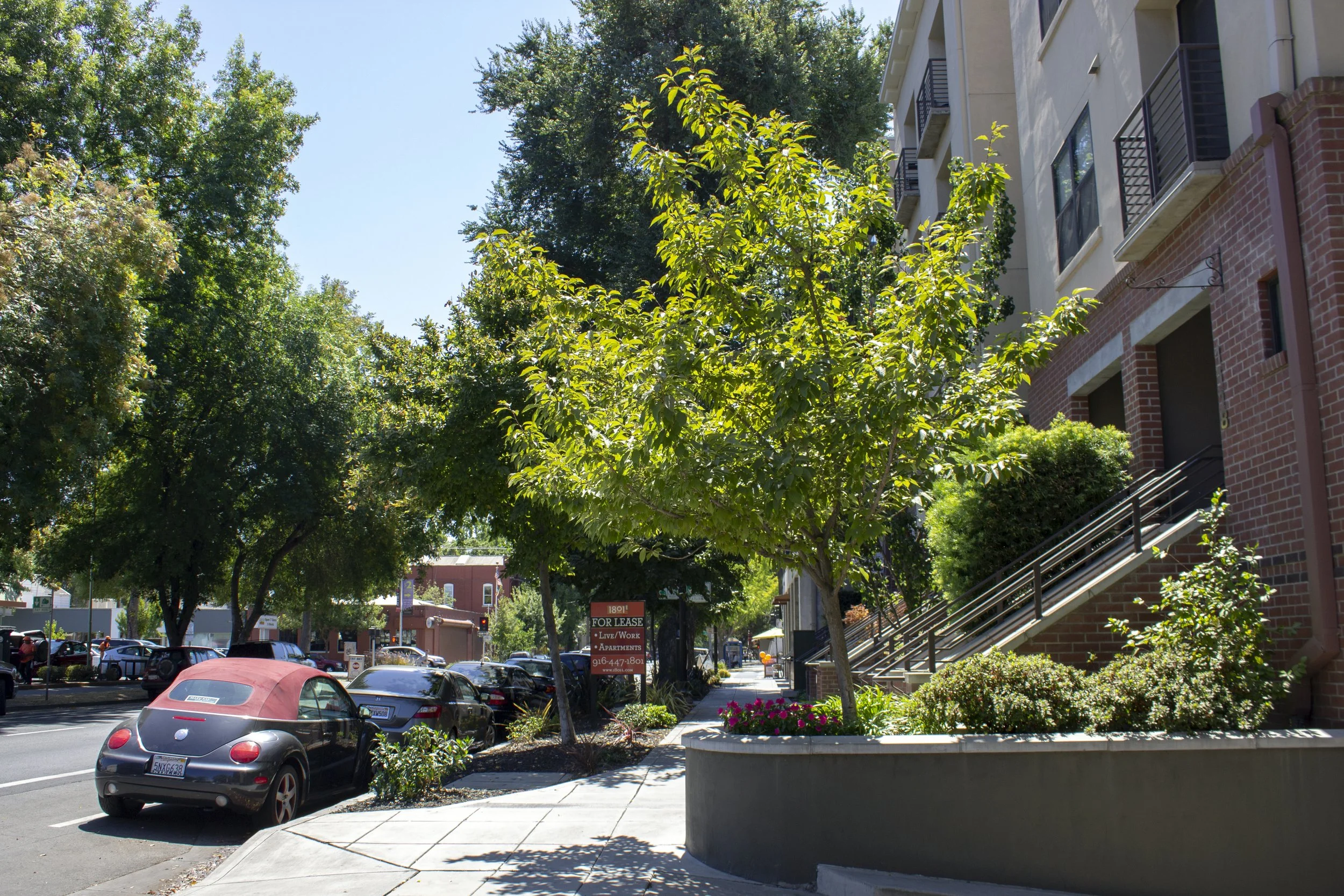
Grants for local agencies and non-profits that support street tree planting and utilization of urban tree waste for wood products and bioenergy.

Funds hazardous fuel removal, fire prevention public education, fire prevention and wildfire safety planning.

Funds CAL FIRE implementation of California Forest Improvement Program, Forest Legacy Program, Forest Stewardship Program, and Emergency Forest Restoration Teams.

Grants that support wood product and bioenergy projects and workforce development in the forestry sector.

Grants that support climate adaptation projects such as urban greening, natural infrastructure, wetland enhancement, and sea level rise adaptation.
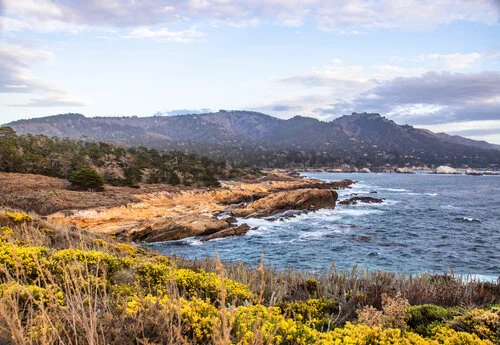
Funds vulnerability assessments and adaptation planning that support regional resilience in the San Franciso Bay Area.

Financial incentives that support on-farm management practices that sequester carbon, including soil management, establishment of herbaceous and woody cover, and demonstration projects.