

Transportation Programs
California Climate Investments support a suite of clean vehicle and mobility projects that reduce emissions from the transportation sector, including funding for active transportation, micromobility, and expanded transit. As part of the transition to a zero-emission transportation future, California Climate Investments are also supporting expansion of charging infrastructure, including funds for EV charging stations, hydrogen refueling stations for zero-emission hydrogen fuel cell electric vehicles, and charging opportunities in disadvantaged and low-income communities. California Climate Investments programs are also helping accelerate innovative technologies, including pre-commercial demonstrations of advanced vehicles, engines, equipment, transportation systems, commercial harbor crafts, and accompanying infrastructure.
Open and Upcoming Funding Opportunities for Transportation Projects
Explore programs that are now accepting applications for grants, loans, incentives, and more

Financial incentives for planning, purchase, and installation of publicly available charging equipment.

Financial incentives for EV charging stations with priority for shovel-ready projects in disadvantaged and low-income communities.

Incentives to retire gas vehicles and replace them with hybrid and zero-emission vehicles or alternative mobility options.

Vouchers toward the purchase of zero-emission equipment used in off-road freight transport. This can include forklifts, transport refrigeration units, gantry cranes, and terminal trucks.

Vouchers for clean truck and bus fleet purchases for public transit and innovative small e-fleets.

Grants for low-income consumers to purchase or lease a new or used hybrid, plug-in hybrid, or electric vehicles.
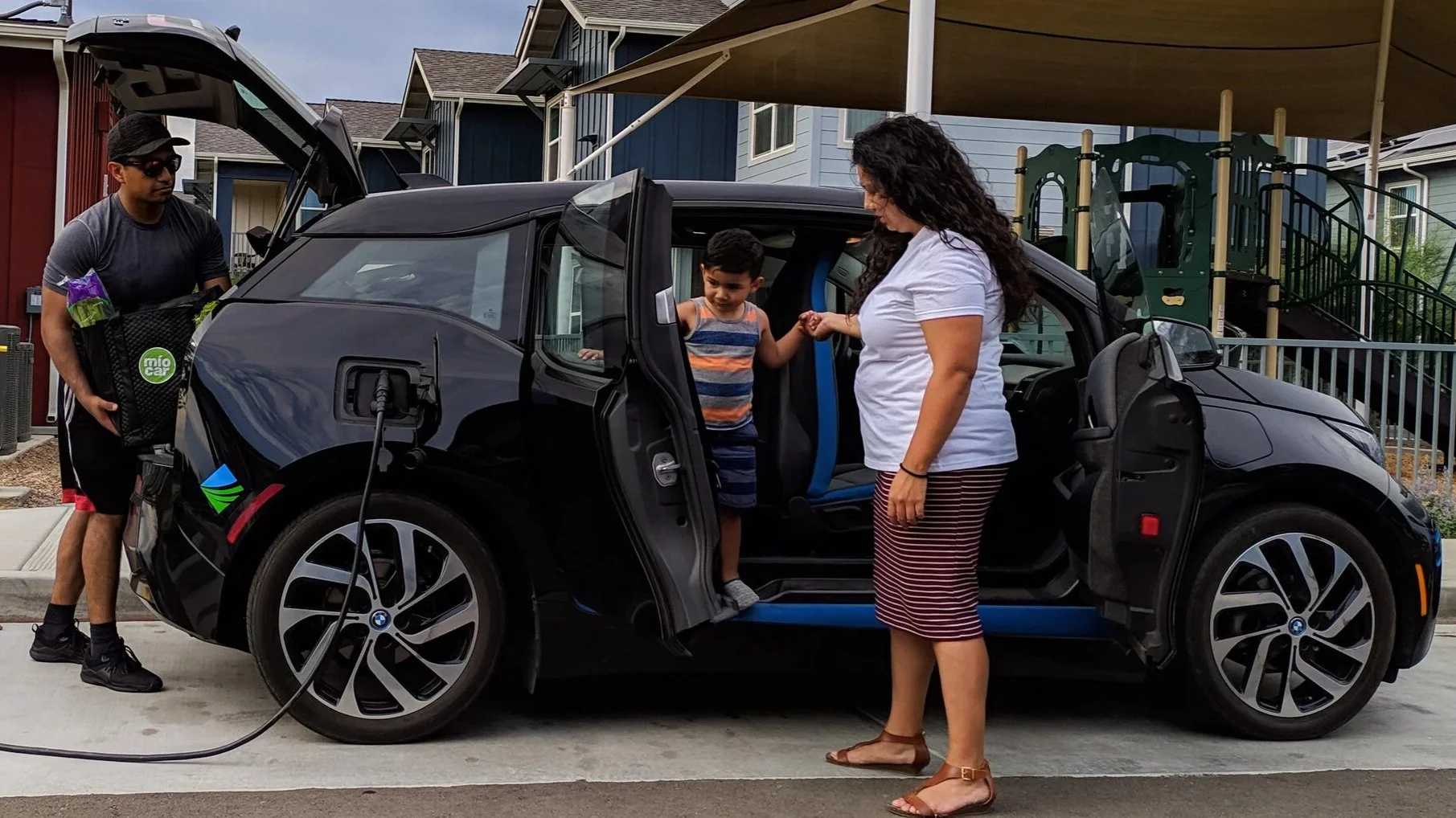

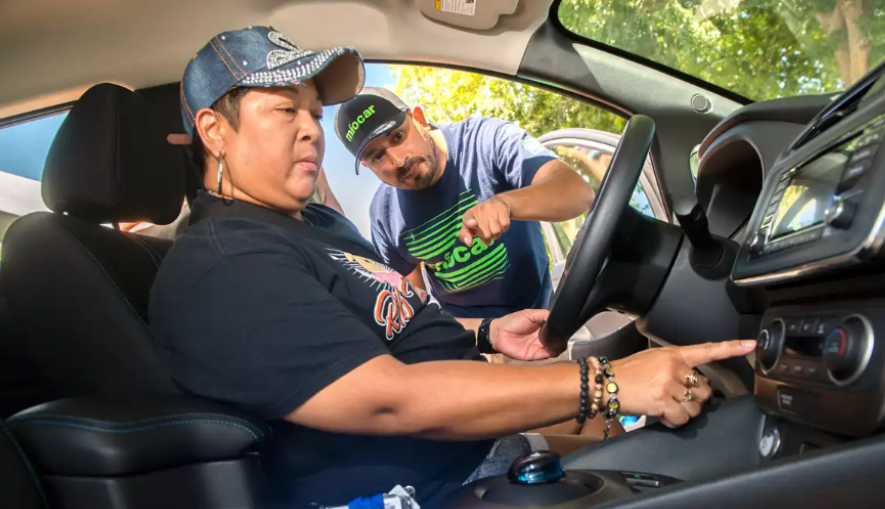
Funds administration of Access Clean California, which engages in outreach and capacity building activities for clean transportation and clean energy incentive programs.
Investments in Action: Funded Transportation Projects


Strategic Growth Council
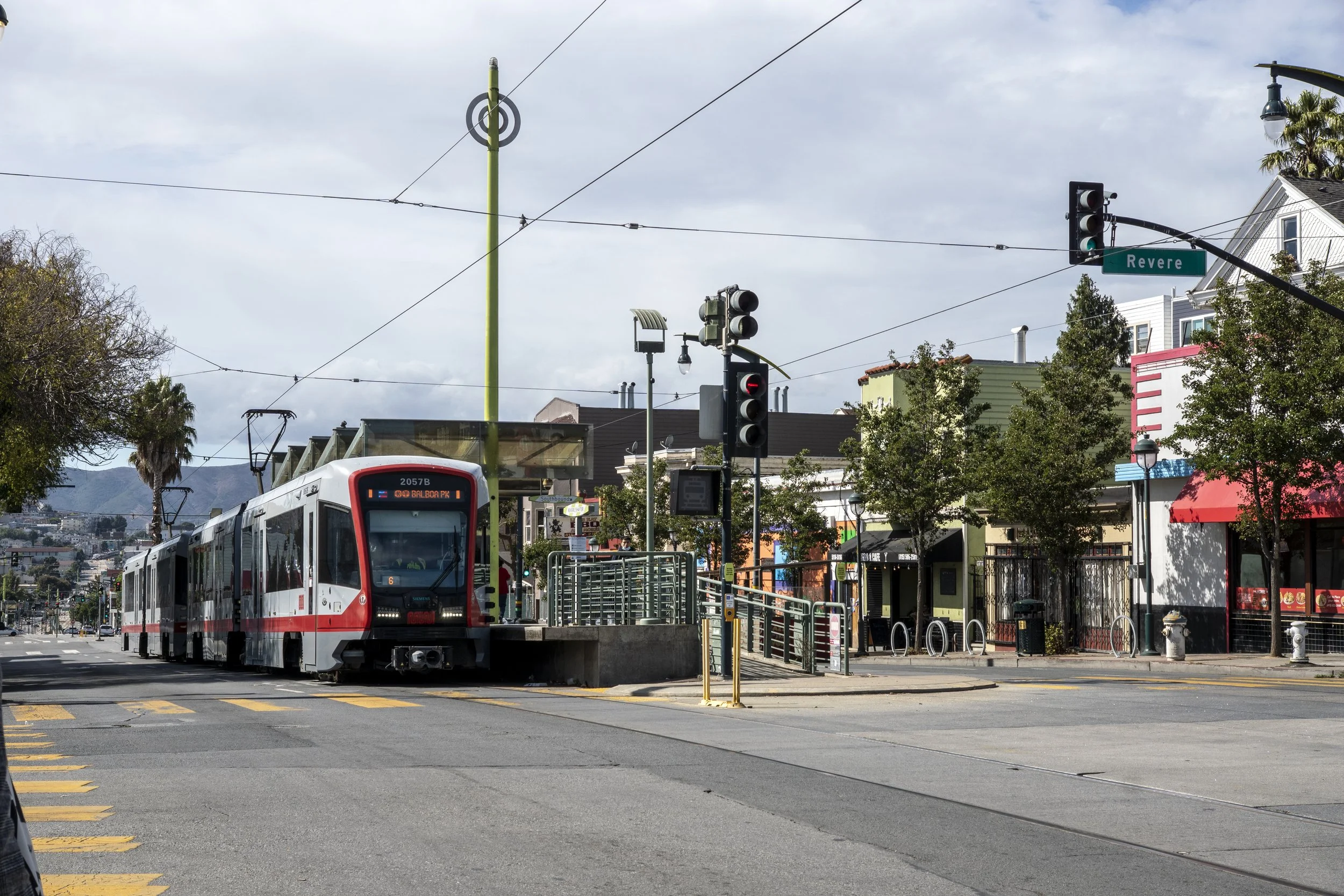
The Sacramento Integrated Multimodal Place-Based Living Project is a Transformative Climate Communities initiative aimed at strengthening community engagement, increasing affordable housing, and expanding public transit in the River District neighborhood of Sacramento. One of the key features of the project, the Dos Rios Light Rail Station, will significantly increase residents’ accessibility to Downtown Sacramento and the greater Sacramento Area. The Mirasol Village Community Garden represents another success of the initiative, giving residents the opportunity to cultivate fresh produce and forge community bonds.

California Air Resources Board
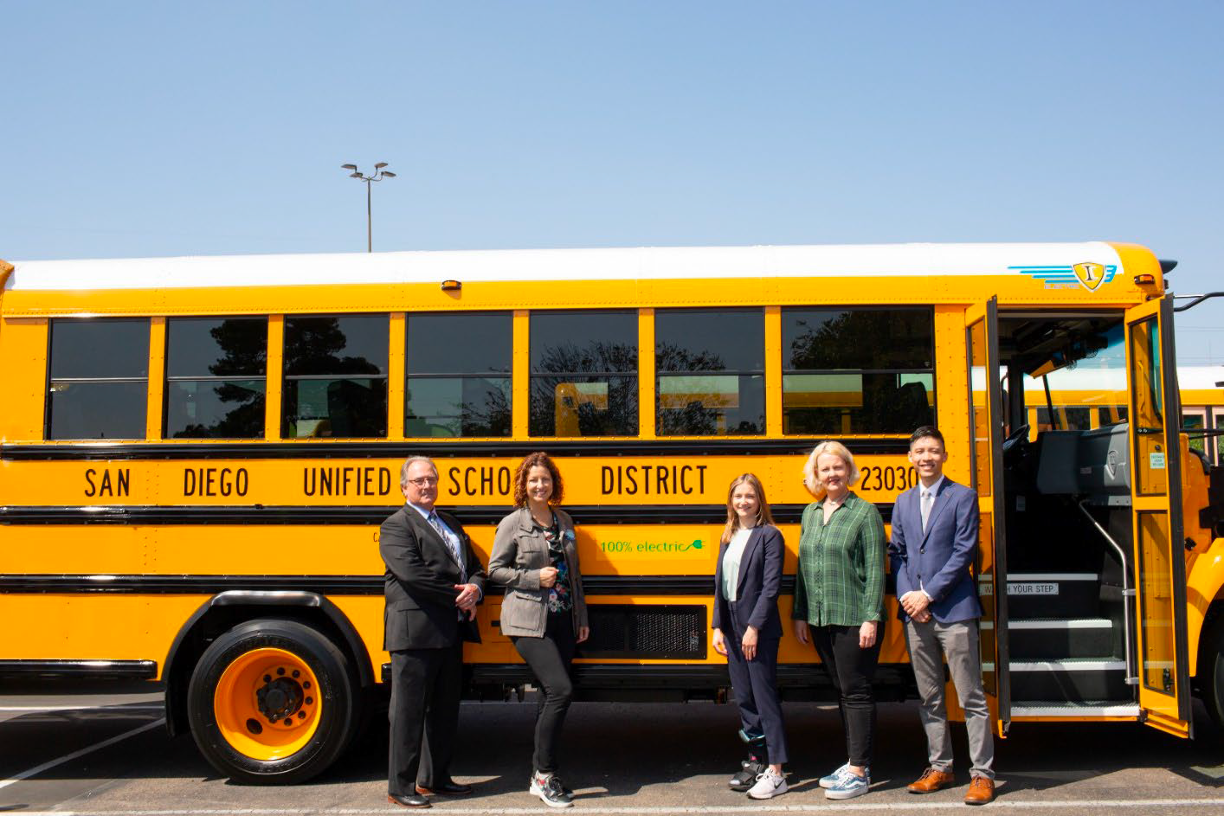
California Climate Investments funding has supported the deployment of over 1,100 zero-emission school buses at over 300 public school districts and local education agencies across the state. In both rural and urban communities across California, school districts are operating more zero-emission fleets, supporting the health and safety of students and reducing fleet operating costs.
California Air Resources Board
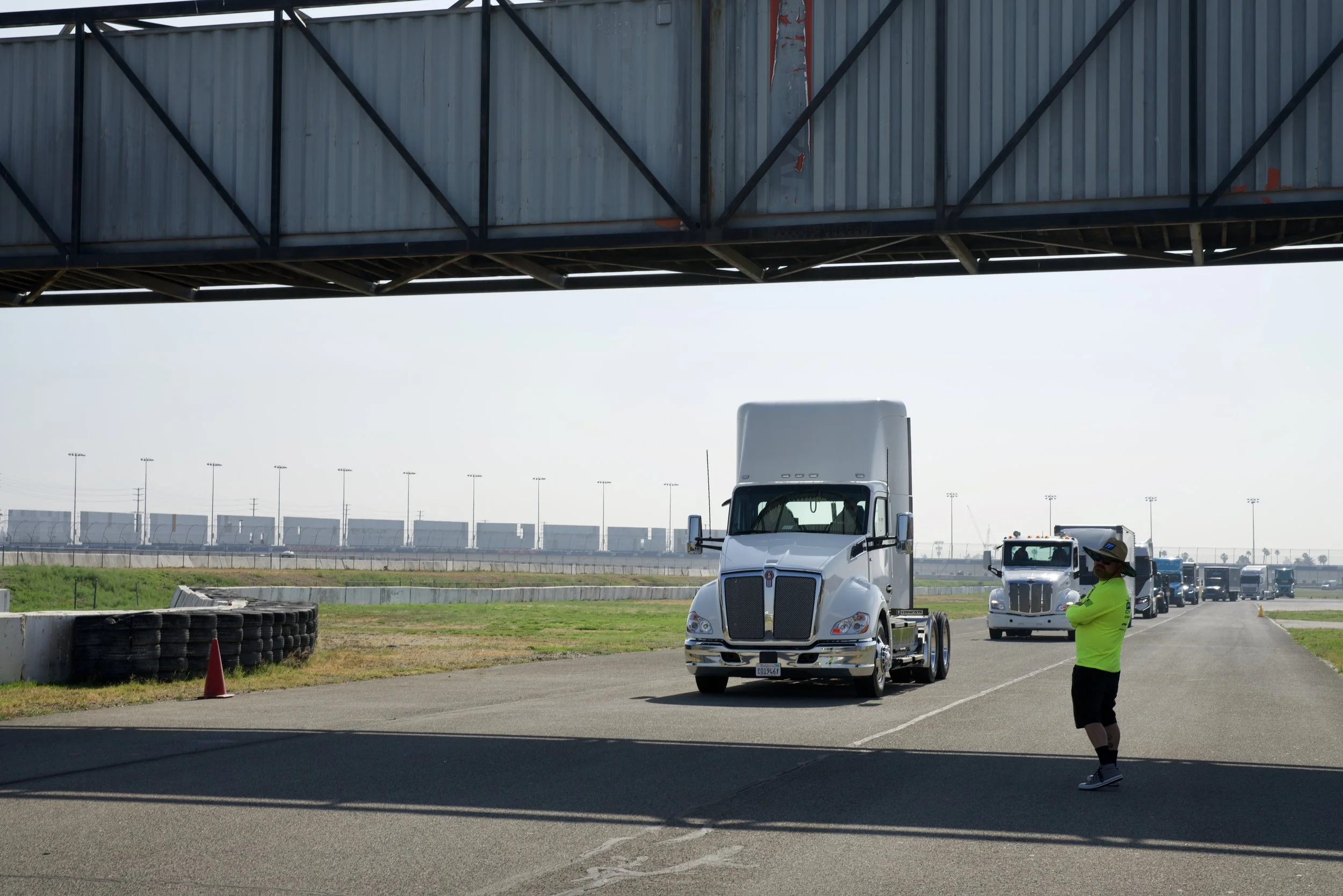
In August 2023, the California Air Resources Board (CARB) and transportation nonprofit CALSTART launched Cal Fleet Advisor, which offers free technical assistance to help owners and operators integrate more zero-emission medium- and heavy-duty vehicles into their fleets. The program, which receives California Climate Investments funding as part of the administration of the Clean Truck and Bus Voucher Incentive Project (HVIP), provides helpful services to ease the transition to cleaner technology for fleets across the state.

California Air Resources Board
The Port of Los Angeles (POLA) has taken a significant step toward a greener future with the deployment of five brand-new Taylor ZLC 996 Electric Top Handlers. Supported by $2.5 million in California Climate Investments funding through the Clean Off-Road Equipment Voucher Incentive Project (CORE), this initiative marks a milestone in reducing greenhouse gas emissions and improving air quality in and around California ports.

California High-Speed Rail Authority
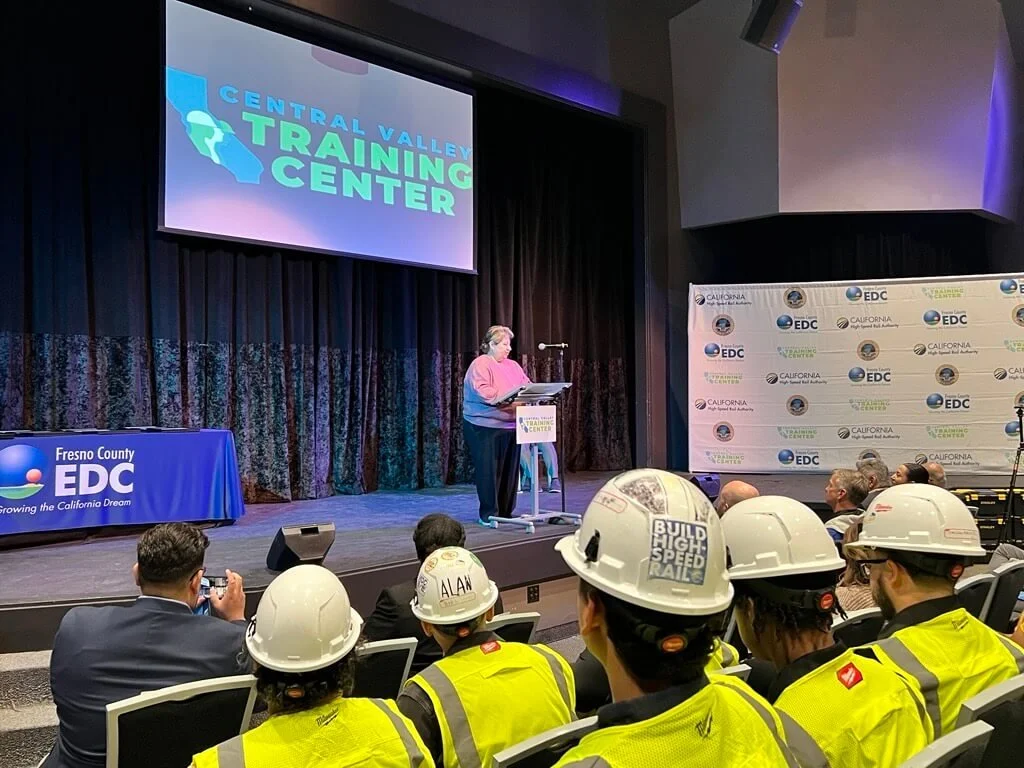
Funded in part by California Climate Investments, the High‑Speed Rail Project has made investments to contribute to economic development and a cleaner environment, support jobs, and conserve and protect agricultural lands. Implementation of the High‑Speed Rail Project provides a variety of benefits to Californians. Estimated GHG emissions reductions from the High‑Speed Rail Project are 84 to 102 MMTCO2e over its first 50 years of operating life, as detailed in the 2023 California High‑Speed Rail Sustainability Report.

In the heart of California, the San Joaquin Valley is a region where agriculture is not just an industry but a way of life for many. CARB’s Funding Agricultural Replacement Measures Emissions Reductions (FARMER) Program funds transformative initiatives that foster the adoption of innovative farming techniques, integrating advanced agricultural technologies, and promote community engagement and has been making monumental steps towards more sustainable agriculture across the valley.
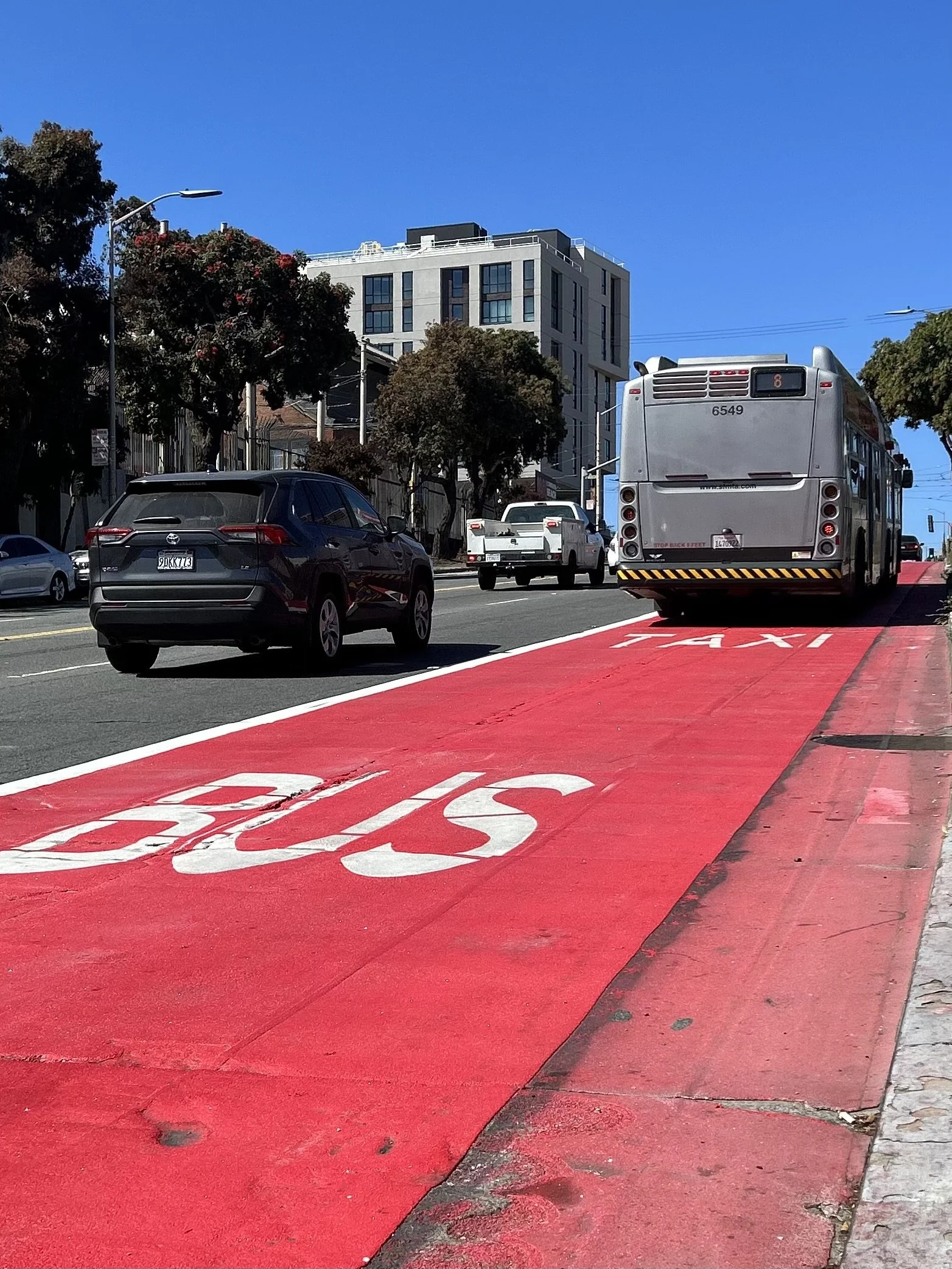
In October 2023, the City of San Francisco’s Balboa Park Neighborhood held a ribbon cutting for 131 new affordable homes adjacent to the Balboa Park Bay Area Rapid Transit (BART) Station, known as Kapuso at the Upper Yard. These homes were built thanks to
$29.9 million from SGC’s Affordable Housing and Sustainable Communities (AHSC), in its fifth round of funding. The AHSC program funds the construction of affordable housing near transit as a key strategy to reduce GHG emissions by reducing vehicle miles traveled, and Kapuso at the Upper Yard is a key example of the need for this work.

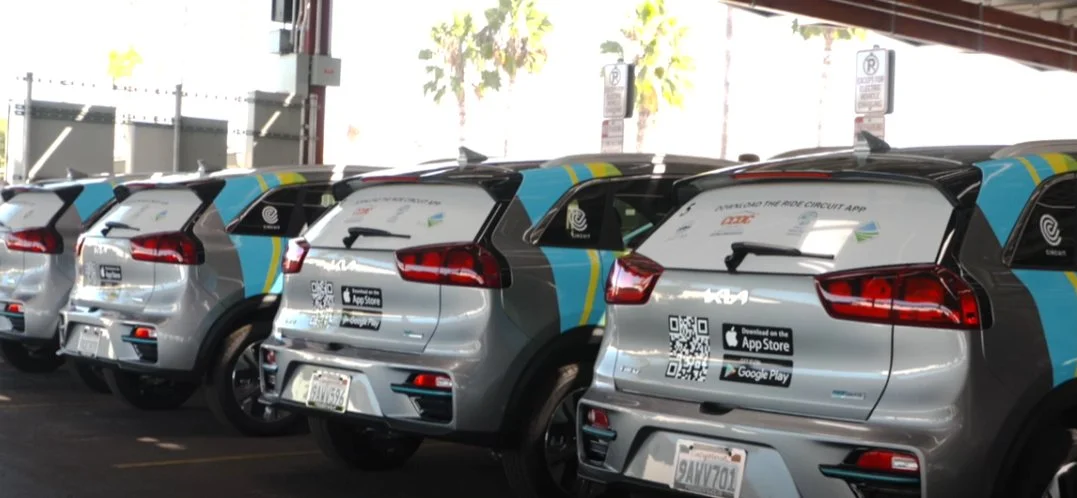
Since 2015, the City of Los Angeles (LA), in partnership with the LA Department of Transportation and the Mayor’s Office, has received a total of $4.7 million from CARB’s Clean Mobility Options program for a zero‑emission car share pilot project. This project, known as BlueLA, is operating in 13 underserved communities that face significant air quality burdens and have historically been excluded from environmental benefits. BlueLA provides a clean and affordable mobility option in these communities, which include Downtown, Pico Union, West Lake, and Koreatown.

In the heart of the San Joaquin Valley, a transformative project is underway to reshape public transportation in communities around Merced. Thanks to $3.1 million in funding from the California State Transportation Agency's Transit and Intercity Rail Capital Program (TIRCP)—half from California Climate Investments and half from SB 1 funds—the Transit Joint Powers for Merced County initiative addresses critical transit needs in disadvantaged communities. The initiative improves air quality and spurs economic growth by adding battery‑electric buses into The Bus, Merced County’s public transit system.

The Clean Truck and Bus Voucher project, also known as HVIP, has been a key facilitator in achieving California’s long‑term strategy of transitioning its trucking fleet to zero‑emission vehicles (ZEV). This transformation has been a multiyear process, starting with demonstration and pilot projects and moving to regulations combined with incentives.

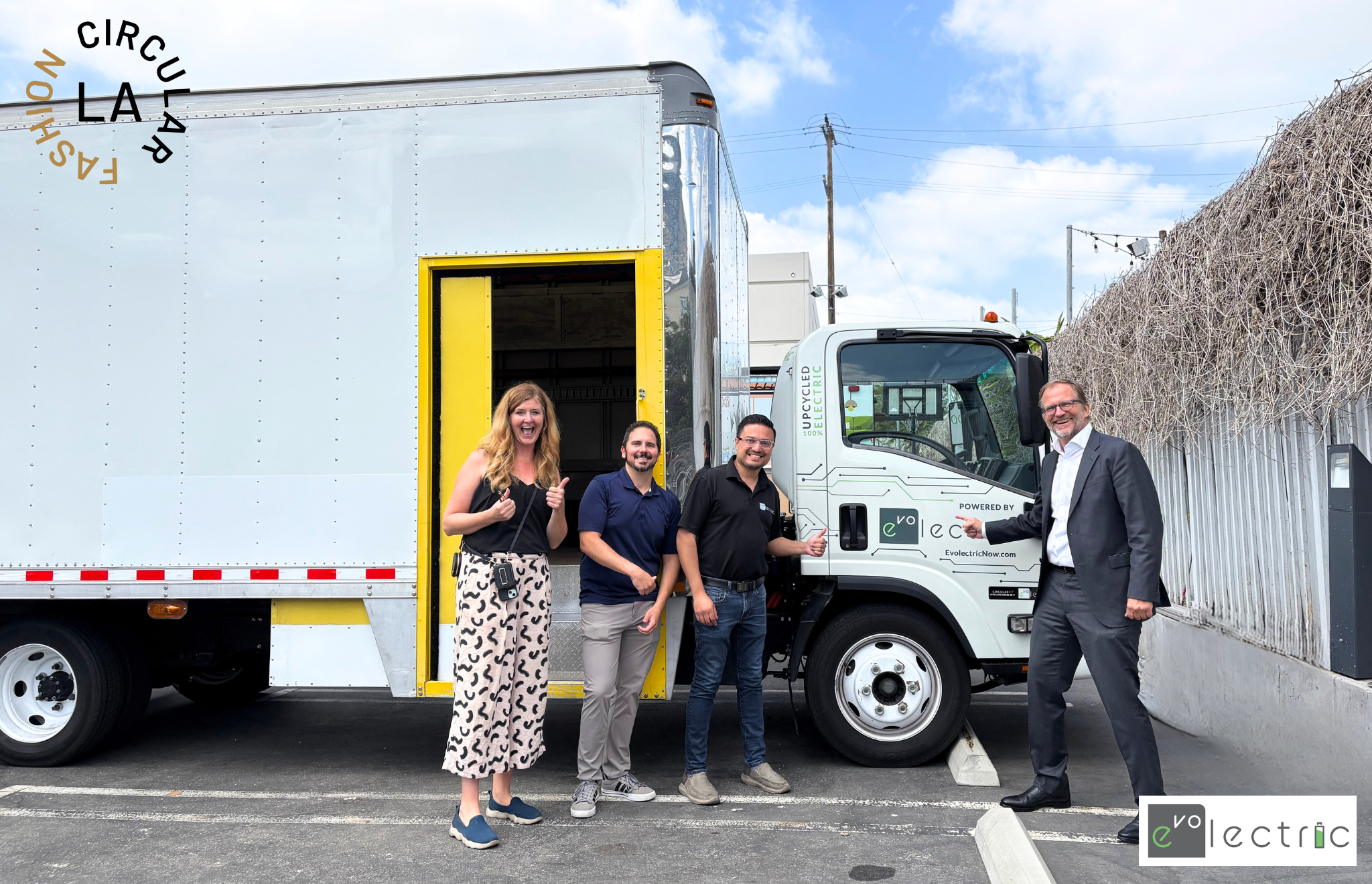
Through the Inclusive, Diverse, Equitable, Accessible, and Local (IDEAL) ZEV Workforce Pilot Project administered by the California Energy Commission and co‑funded by CARB, Fresno City College has offered three high schools in Fresno County the opportunity to introduce their automotive students to ZEV technology. Training was provided in December 2023 for high school teachers at each of the three schools, and they were provided with tools and equipment to offer the new ZEV curriculum starting in spring 2024.

With funding from the California State Transportation Agency’s Transit and Intercity Rail Capital Program, the Humboldt Transit Authority will procure eleven fuel cell electric buses for use throughout the North Coast and build the northern-most hydrogen fueling station for public and bus use in California. This project will also create a new intercity transit service to connect local riders from Eureka to Ukiah and points south, including the San Francisco Bay Area, with fuel cell electric buses.

California Air Resources Board
Thanks to funding from California Air Resources Board’s FARMER program, the Bay Area Air Quality Management District (BAAQMD) is funding some of the first zero‑emission agricultural tractor demonstration projects in the state. BAAQMD and CARB recently awarded $1 million to manufacturers to produce seven zero‑emission tractors which are now in operation at The Mushroom Farm LLC, Old School Vineyards LP, Arroyo Lindo Vineyards, Crocker Estate, and Wente Vineyards.

California Air Resources Board
With nearly $1 million in funds from the California Climate Investments Clean Mobility Options Voucher Pilot Program, the Los Angeles Cleantech Incubator, Housing Authority of the City of Los Angeles, and Pedal Movement are launching four e-bike hubs through Rancho San Pedro affordable housing’s shared ebike program, also known as the Good2Go Bikes program.

California State Transportation Authority
With $20,262,000 from CalSTA’s Transit and Intercity Rail Capital Program, the Tulare Cross Valley Corridor Zero-emission Bus Expansion Project is supporting the development of the long-planned east-west Cross Valley Corridor mixed freight and passenger bus and rail system.

California Air Resources Board
Omnitrans is working with several partners to develop a community-driven transportation plan for the public transportation system in the San Bernardino Valley. Omnitrans is the public transportation provider for the San Bernardino Valley region. The ConnecTransit Plan will identify and prioritize clean transportation improvements that address hurdles to equity and access within the Omnitrans service area and that will reduce greenhouse gas emissions. The ConnecTransit Plan will provide a blueprint for future implementation projects for which Omnitrans will seek grant funds.

California Air Resources Board
Thanks to over $3 million from the Sustainable Transportation Equity Project, the City of Commerce has partnered with Climate Resolve and TreePeople to provide more clean transportation options to the city’s residents. Situated in southeast Los Angeles County in an area known for its commercial and industrial operations, Commerce has a history of providing free and reliable public transit service to its residents.

California Department of Transportation
In 2022, the California Department of Transportation issued its 1,000th award through LCTOP to Stanislaus Regional Transit Authority (StanRTA) for their Free Fares Project. Through the Free Fares Project, StanRTA provides free, safe, and reliable transportation services for residents to travel to educational institutions, employment centers, medical offices, grocery stores, and shopping malls. Transit fares are often a barrier to residents in disadvantaged communities but with the support from LCTOP, the Free Fares Project has made it possible for riders to use public transportation without any financial hardship.
California Air Resources Board
Through California Climate Investments the City of Chula Vista received close to $1 million through the Clean Mobility Voucher Pilot Program to launch an on-demand community shuttle service in the northwest region of the city.

California Air Resources Board
Thanks to $12 million from the Advanced Technology Demonstration and Pilot Projects and $29 million in match funding from multiple project partners, the NorCAL Zero-Emission Regional and Drayage Operations with Fuel Cell Electric Trucks (NorCAL Zero) Project will support the largest commercial deployment of Class 8 hydrogen-powered fuel cell trucks in the country. These zero-emission trucks will improve the air quality of communities between Oakland and Bakersfield by displacing diesel-fueled trucks that emit harmful air pollutants.
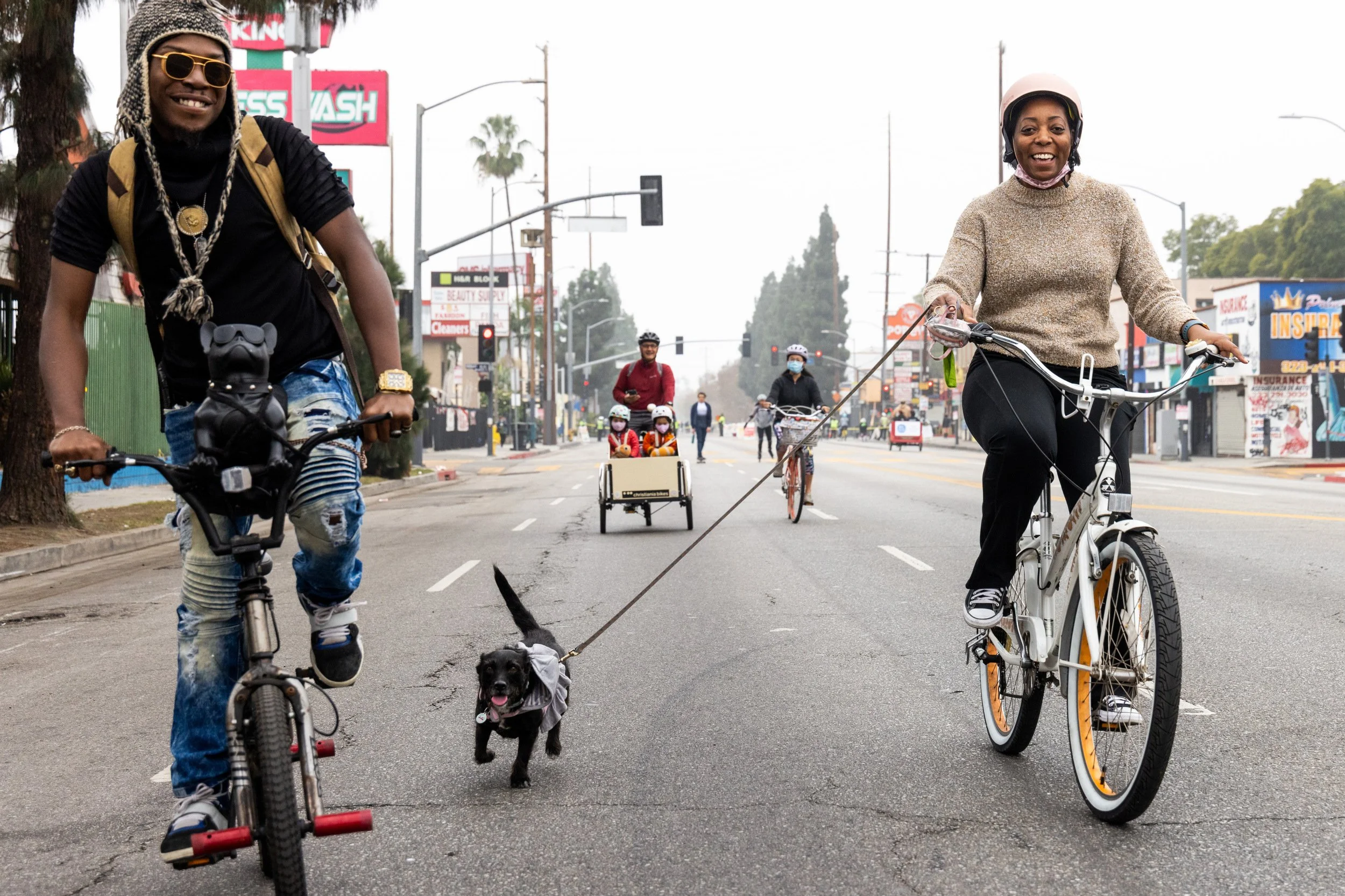
The Sustainable Transportation Equity Project (STEP) is designed to increase transportation equity in disadvantaged and low-income communities by funding planning and clean transportation projects and directly engaging community residents in clean transportation solutions. STEP achieves this via two grant types: Implementation Grants and Planning and Capacity Building Grants. Paid for by Cap-and-Trade dollars, the grants ultimately will help people get where they need to go — be it the doctor’s office or daycare — without using a personal vehicle.

In 2021, the Santa Barbara County Association of Governments completed the Cool Blocks Try Transit project, a neighborhood outreach and capacity building campaign supported by a $25,000 grant from the Low Carbon Transit Operations Program and in partnership with the Empowerment Institute’s Cool Blocks program. This project brought the participating 25-block neighborhood of Isla Vista together over a series of workshops to learn about and consider climate change mitigation and resilience measures they could adopt as individuals and as a community, which included using public transit. The project inspired the community to act, which in part led to their successful application to the Sustainable Transportation Equity Project, another California Climate Investments program.

The San Joaquin Valley Flexible Solutions for Freight Facilities project, supported with $22.6 million in funding from the Zero-and Near Zero-Emission Freight Facilities Project along with $22.6 million in matched funds from project partners, demonstrated advanced technologies on locomotives and hybrid and zero-emission equipment around rail yards. For one part of this multi-component project, the Wabtec Corporation designed, manufactured, and commissioned a battery-electric locomotive to operate in tandem with two diesel locomotives from BNSF Railway, operating like a hybrid vehicle.
All Transportation Programs
Learn about all past and present transportation programs, including programs that are not actively receiving California Climate Investments funding.
Financial incentives for planning, purchase, and installation of publicly available charging equipment.
Financial incentives for EV charging stations with priority for shovel-ready projects in disadvantaged and low-income communities.
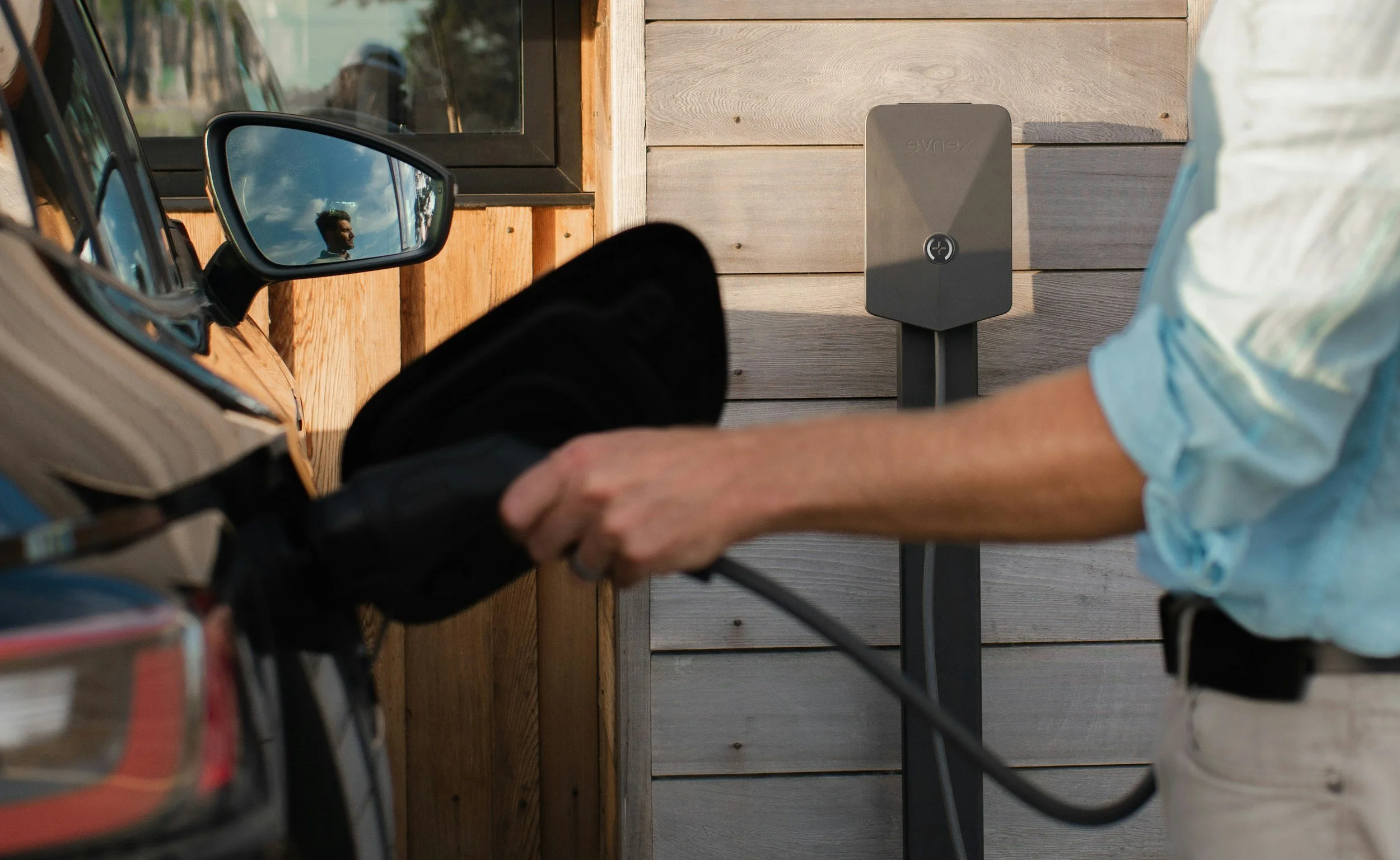
Financial incentives for electric consumers that support load reduction and backup generation to support the state's electrical grid during extreme events.

Grants that support infrastructure projects that deploy zero-emission vehicle charging and hydrogen refueling for medium-duty and heavy-duty commercial fleets.


Funds demonstration of business and technology models to promote large-scale deployment of EV charging infrastructure in multi-family housing.

Financial incentives for the purchase of qualifying zero-emission school buses and associated infrastructure.

Funds capital improvements that will modernize and reduce greenhouse gas emissions, vehicle miles traveled, and congestion from California’s intercity or commuter rail service, urban rail transit, or bus or ferry service.
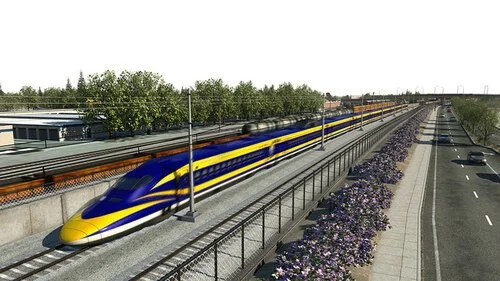

Funds construction of new bicycle paths or lanes, new pedestrian facilities, and new or expanded bike share programs.
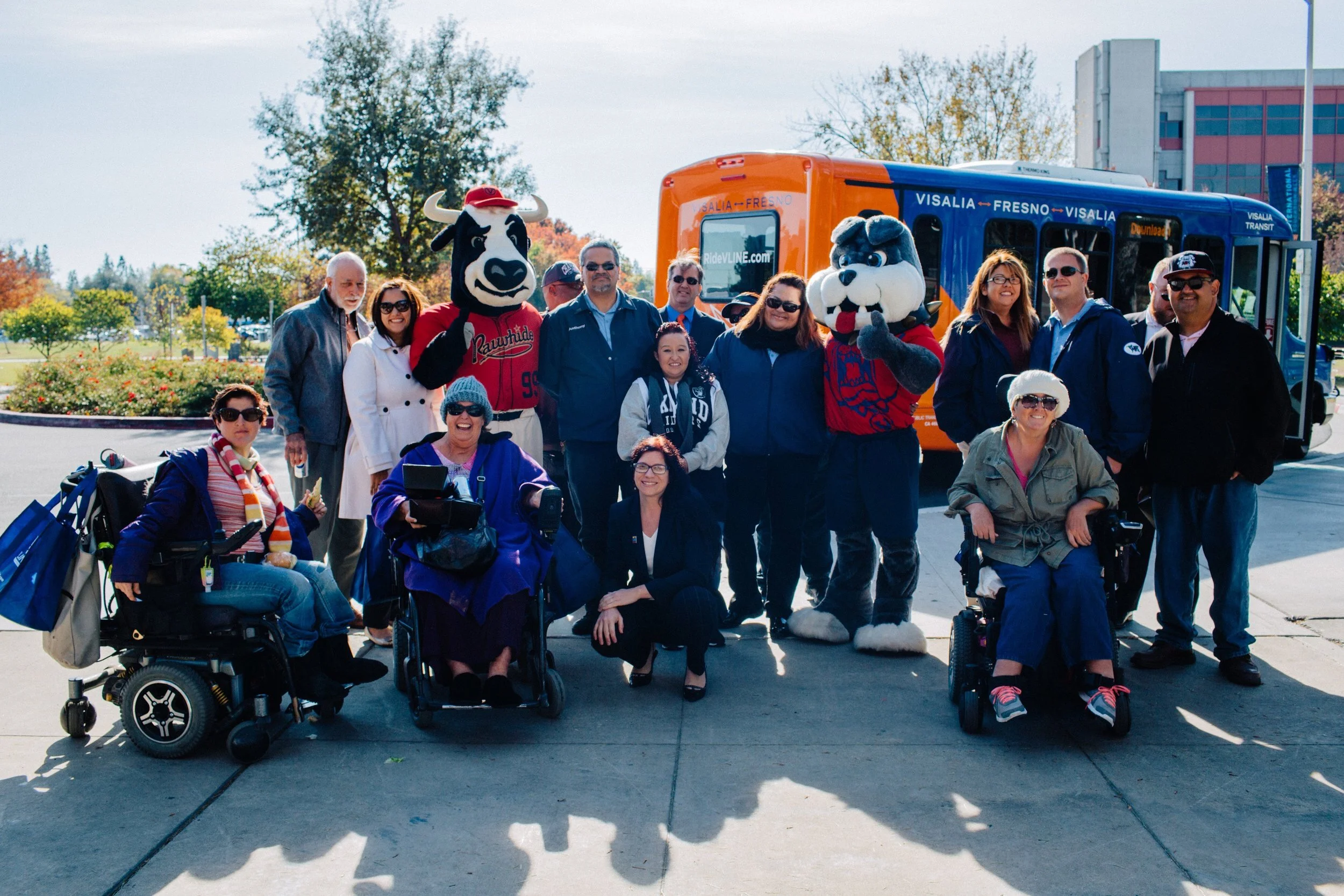
Funds operational and capital assistance for transit agencies to reduce greenhouse gas emissions and improve mobility, with a priority on serving disadvantaged communities.

Grants for affordable housing and transportation projects near jobs, schools, and other daily destinations.

Grants that support planning and implementation of community development projects in disadvantaged communities.

Provides hybrid fleet transportation for agricultural workers in disadvantaged and low-income communities in the San Joaquin Valley and other agricultural areas in California.
Incentives to retire gas vehicles and replace them with hybrid and zero-emission vehicles or alternative mobility options.

Grants for school districts and county offices to purchase electric vehicles to serve K-12 schools.

Vouchers for zero-emission transportation services such as bike and scooter sharing, electric carsharing and carpooling, on-demand shuttles using electric vans or buses, and fixed-route and traditional transit services, including school buses.
Vouchers toward the purchase of zero-emission equipment used in off-road freight transport. This can include forklifts, transport refrigeration units, gantry cranes, and terminal trucks.
Vouchers for clean truck and bus fleet purchases for public transit and innovative small e-fleets.
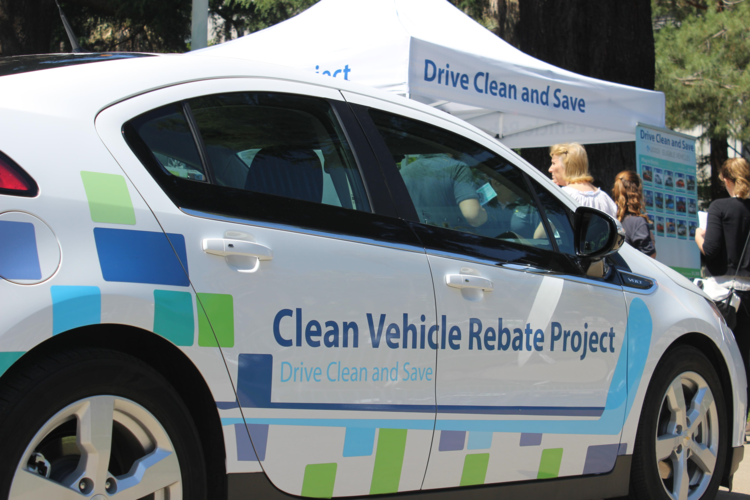
Rebates for the purchase or lease of new, eligible light-duty vehicles, including electric, fuel-cell, and plug-in hybrid electric vehicles.
Grants for low-income consumers to purchase or lease a new or used hybrid, plug-in hybrid, or electric vehicles.

Low-interest loans and vehicle price buy-downs for lower-income consumers to purchase a new or used zero-emission, plug-in hybrid electric, or hybrid vehicle.

Funds farmers to purchase of agricultural harvesting equipment, heavy-duty trucks, agricultural pump engines, tractors, and other equipment used in agricultural operations.
Funds administration of Access Clean California, which engages in outreach and capacity building activities for clean transportation and clean energy incentive programs.

Funds community-led planning and capacity building projects that increase transportation equity in disadvantaged and low-income communities.
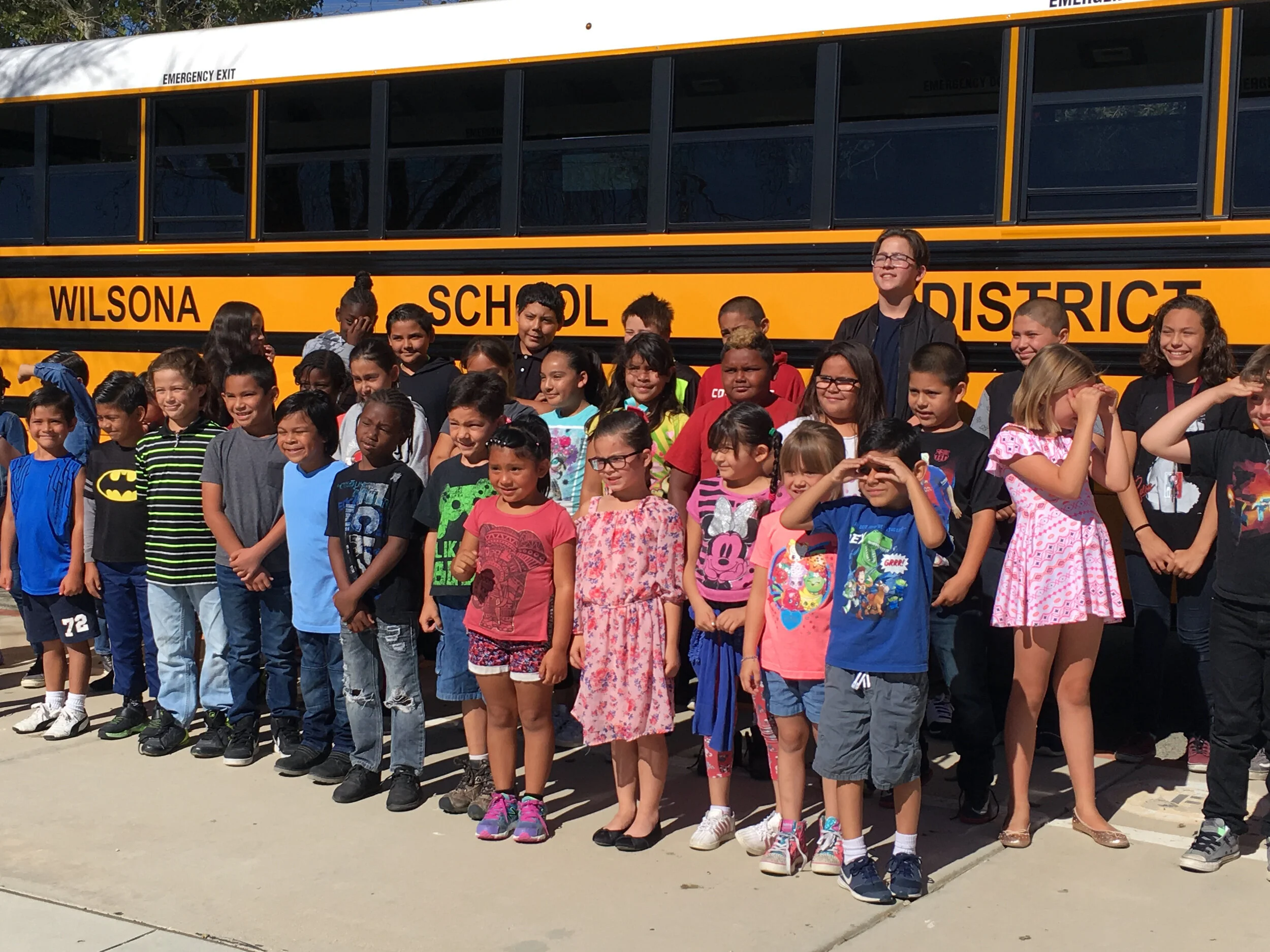
Funds replacement of school buses with hybrid or zero-emission models focusing on rural school districts.
Funds commercial demonstrations of advanced vehicles, engines, equipment, transportation systems, and accompanying infrastructure in disadvantaged communities.

Grants that support planning and implementation of community transportation needs and increase transportation equity through access to key local destinations.
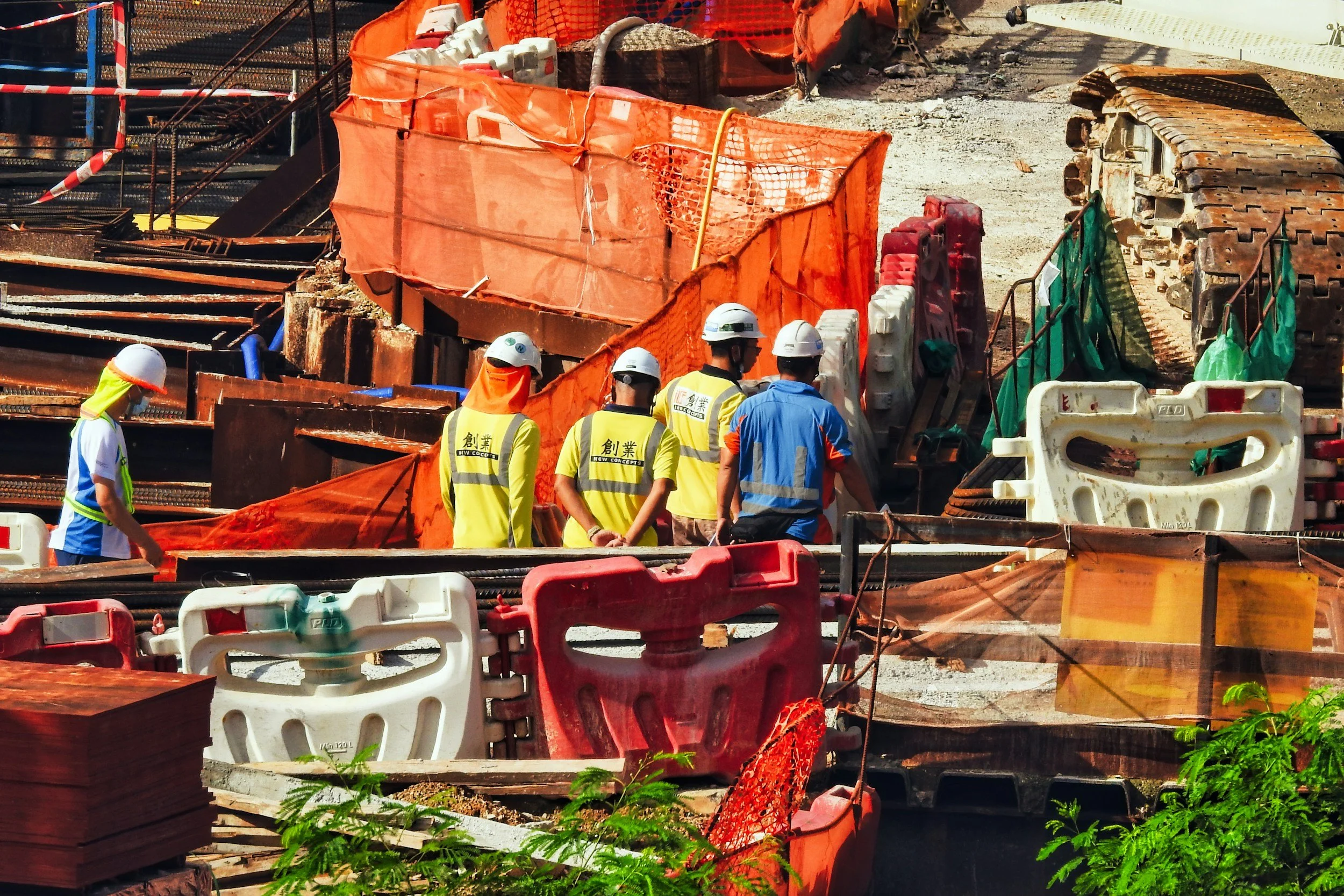
Funds workforce training and development to increase access to careers in the clean transportation and mobility sector for low-income individuals.