Energy Programs
California’s energy sector—including use of electricity and natural gas—accounts for about half of the State’s near-term greenhouse gas emissions. In October 2015, the Governor signed Senate Bill 350, which requires the State to double building energy efficiency and increase renewable energy to 50 percent by 2030. California Climate Investments provide funding for energy efficiency and clean energy generation, reduced energy and water use through installation of more efficient appliances and replacement of agricultural equipment. Residential energy efficiency programs support low-income homeowners in disadvantaged communities to improve their homes through weatherization and appliance and solar installation projects.
Open and Upcoming Funding Opportunities for Energy Projects
Explore programs that are now accepting applications for grants, loans, incentives, and more
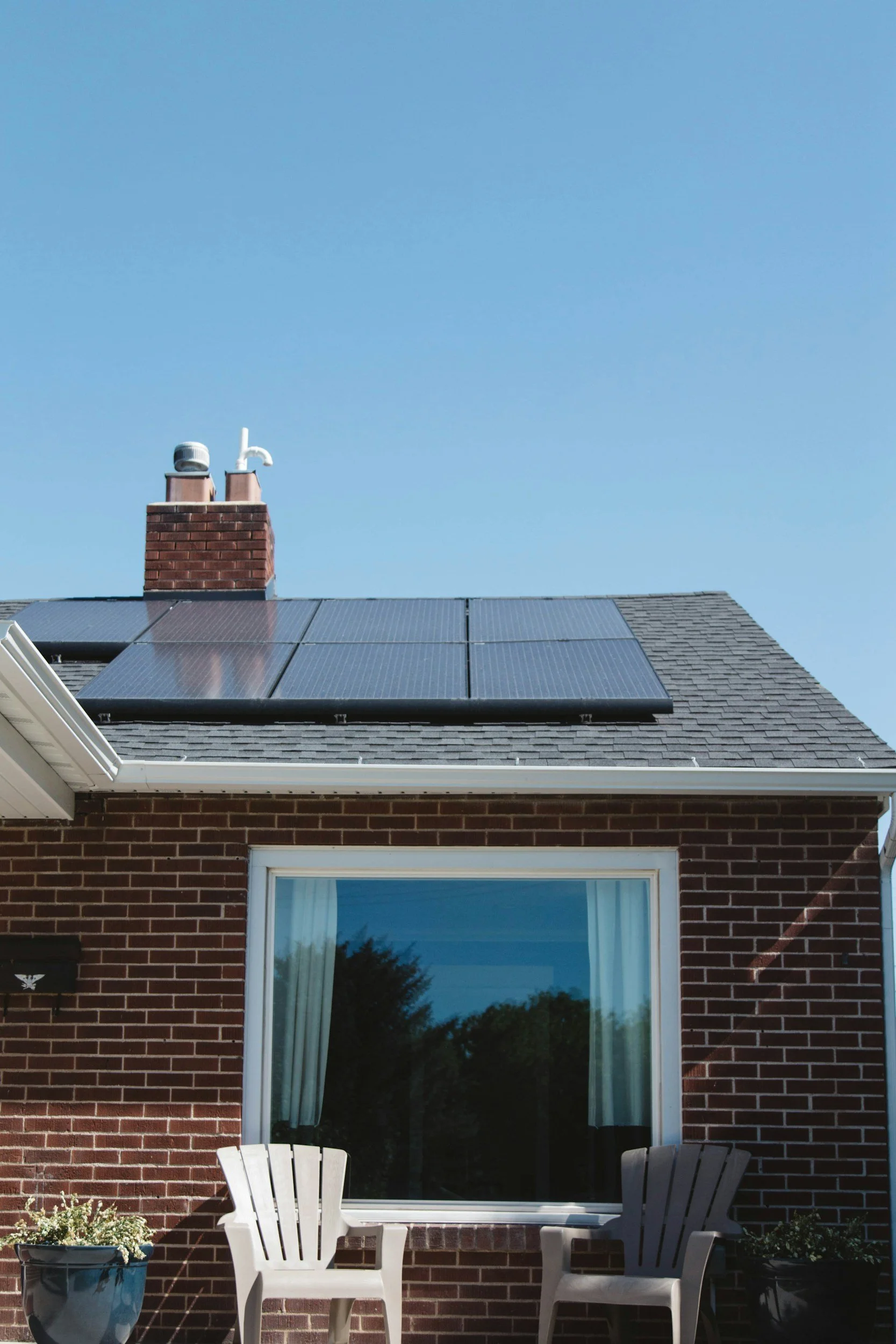
Financial incentives for installation of solar photovoltaic and energy storage systems in low-income households.

Financial incentives for planning, purchase, and installation of publicly available charging equipment.

Financial incentives for EV charging stations with priority for shovel-ready projects in disadvantaged and low-income communities.

Financial incentives for installation of all-electric appliances, energy efficiency and weatherization measures, and related building upgrades in low-income communities.

Grants that support food processors in implementing projects that reduce on-site energy consumption and greenhouse gas emissions.


Financial incentives for the purchase of qualifying zero-emission school buses and associated infrastructure.

Financial incentives for contractors installing heat pumps and heat pump water heaters to customers.

Funds installation of ultra-low global warming potential refrigerant technologies and refrigeration system retrofits in newly constructed and existing supermarkets.

Financial incentives for homeowners to replace wood stoves and fireplaces with cleaner home heating devices.

Funds no-cost energy conservation measures in income-qualified farmworker households in select counties.

Investments in Action: Funded Energy Projects


California Department of Community Services and Development
The Low-Income Weatherization Program’s Multifamily Energy Efficiency and Renewables Program has been instrumental in increasing climate resilience and renewable energy use in low-income communities across California and incentivizes owners of low-income multifamily housing to retrofit their properties with energy efficiency technologies and solar panels. These upgrades reduce GHG emissions while lowering energy costs, delivering tangible benefits to communities that need them most.

The 40 Prado Road Homeless Services Center, a shelter located in San Luis Obispo, serves up to 100 occupants at a time. While it was built in 2018 under the 2013 Energy Code and met energy efficiency standards of the time, it was under the Low‑Income Weatherization Program (LIWP) that the shelter was able to become even more energy efficient, adding a 120‑kilowatt solar system and other energy efficiency measures thanks to California Climate Investments funding. The success at this property—the first homeless shelter to receive funding under LIWP—has paved the way for many similar properties across the state to also receive funding.

Through the Inclusive, Diverse, Equitable, Accessible, and Local (IDEAL) ZEV Workforce Pilot Project administered by the California Energy Commission and co‑funded by CARB, Fresno City College has offered three high schools in Fresno County the opportunity to introduce their automotive students to ZEV technology. Training was provided in December 2023 for high school teachers at each of the three schools, and they were provided with tools and equipment to offer the new ZEV curriculum starting in spring 2024.

California Strategic Growth Council
With funding from the Climate Change Research Program, PSE Healthy Energy is working with the Asian Pacific Environmental Network and Communities for a Better Environment to identify opportunities to build solar+storage resilience hubs at schools and community centers across California.

California Department of Food and Agriculture
James (Jim) Miller received a State Water Efficiency and Enhancement Program (SWEEP) grant award of $97,614 for improvements at an orange and avocado orchard in Cayucos, California. The farm was dealing with a high energy cost and wanted to utilize irrigation tools to support more precise and efficient irrigation scheduling. Using the SWEEP funds, Jim and his son Daryn oversaw the installation of two solar energy arrays (14.72 kW and 16 kW); one for each of the on-farm wells. In addition, the recipients installed new high efficiency electric pumps with screen filters, a flow meter at each well, soil moisture sensors, and a weather station. With the addition of these tools, the farm made improvements to both the energy efficiency of their irrigation system and can make more informed irrigation decisions by relying on the sensors.

In 2019, the California Energy Commission awarded Pacific Coast Producers (PCP), the largest tomato canning facility in the country, a $5,721,713 grant from the Food Production Investment Program (FPIP) under the state’s California Climate Investments program to install an advanced energy-efficiency evaporation technology at PCP’s Woodland facility. The grant was supplemented by $3,080,923 in match funding from PCP.
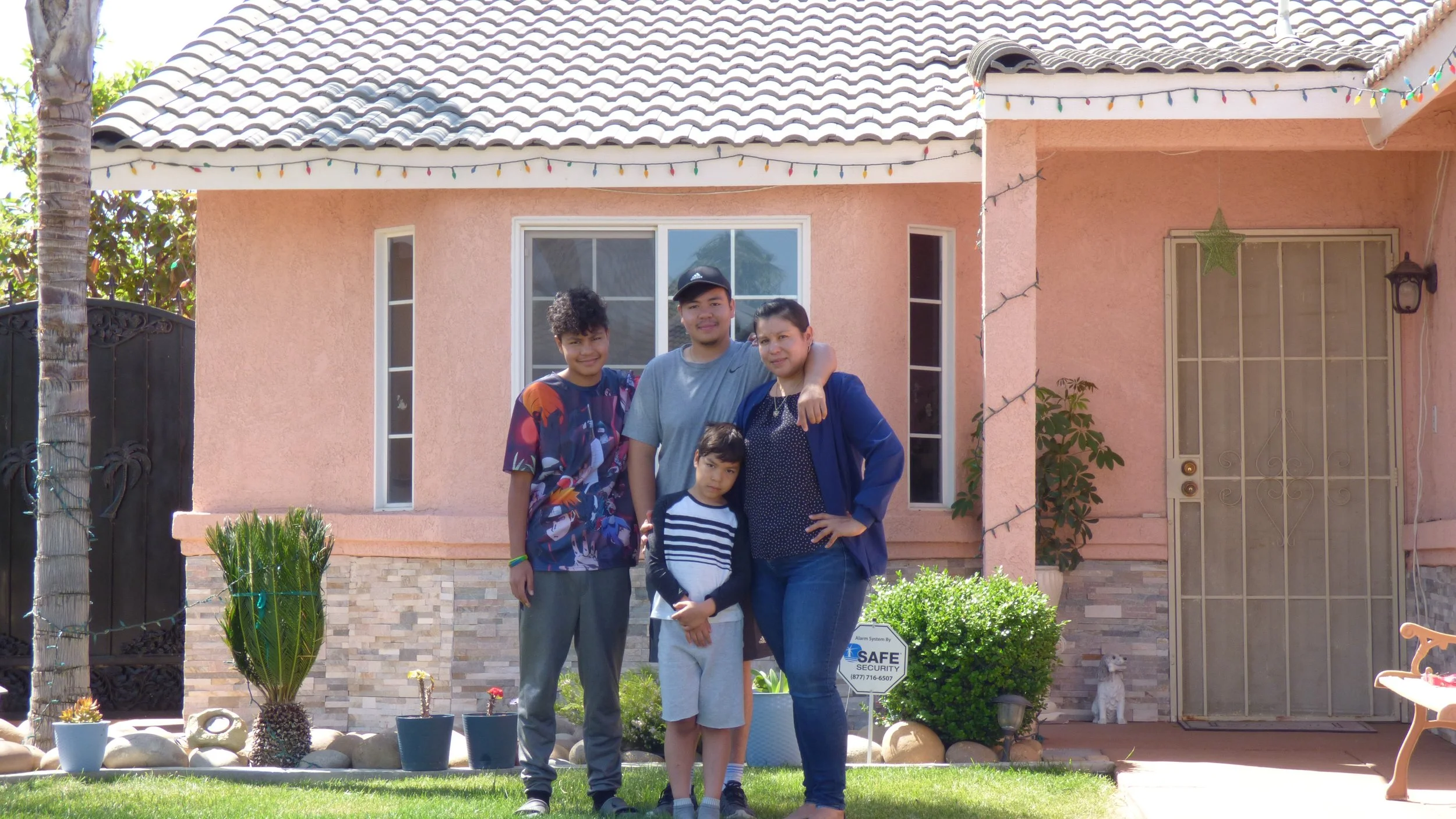
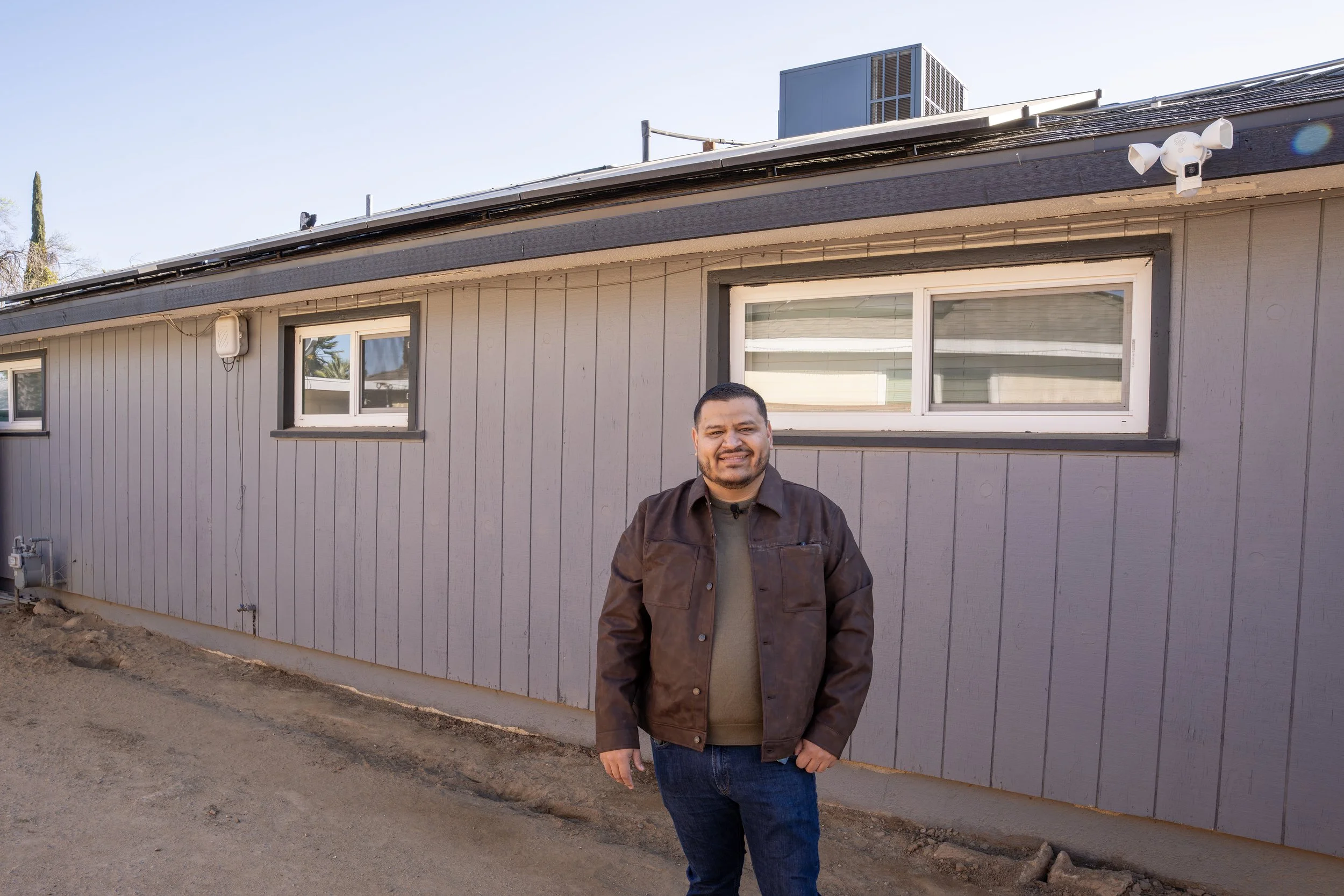
Thanks to funding from California Climate Investments through the Low-Income Weatherization Program (LIWP), Rocio Hernandez and her family reduced their home energy costs by installing a new rooftop solar system and energy efficiency upgrades. At first, Mrs. Hernandez thought the referral flyer her husband brought home after work as a seasonal farmworker during the grape harvest in Delano was too good to be true. A local farmworker agency provided information about the LIWP Farmworker Housing Component, a California Climate Investment program focusing exclusively on the installation of energy efficiency measures and solar photovoltaics (PV) to reduce greenhouse gas emissions for farmworker households at no cost.

People’s Self-Help Housing was awarded over $630,000 from the Low-Income Weatherization Program’s Multi‑Family Energy Efficiency and Renewables program to invest in the health and well-being of its low-income farmworker community in Santa Maria, known as Los Adobes de Maria. The homes of the 65 farmworker families living in Los Adobes de Maria will receive energy efficiency upgrades that will reduce energy consumption and lower their bills.

Using $1.25 million from the Low-Carbon Economy Workforce program, the Expanding Energy Storage and Microgrid Training and Certification project is increasing the number of participating Electrical Joint Apprenticeship Training Centers from six to 21 centers located across the State. These training centers will help electricians and apprentices earn a certification demonstrating they have the skills to safely handle and diagnose modern energy storage systems and battery technologies.

The Association of California Community and Energy Services partner agencies replaced 1,090 washing machines and 855 dishwashers with water- and energy-efficient machines . These energy and water savings will continuously provide cost savings across various communities in Kern, Madera, Contra Costa, Kings, San Francisco, and Merced counties and other low-income homes in San Mateo, Shasta, and Tehama counties.

More than 1,900 households in the San Gabriel Valley are saving money, water and energy through a new rebate program supported by Cap-and-Trade dollars.

“For the community; by the community” is the motto of the South-East Madera County United (SEMCU), a non-profit mutual benefit organization in the heart of the San Joaquin Valley. In May 2015, with a $218,594 grant from the DWR, members set out to provide water efficiency devices for approximately 75 percent of homes and businesses within SEMCU’s boundary, an area encompassing five disadvantaged community census tracts.

The Tenderloin Neighborhood Development Corporation’s (TNDC) commitment to help San Francisco’s low‑income communities thrive by building affordable housing was energized by an electrification project at its SOMA Studio and Family Apartments (SOMA Apartments) in 2020. The effort is supported by a $633,000 award from California Climate Investments through the Department of Community Services and Development’s Low Income Weatherization Program’s (LIWP) Multi‑Family component. With that money and contributions from other local energy efficiency programs, TNDC kept utility bills low for residents while electrifying major central building systems and reducing greenhouse gas emissions. Built in 2003, the SOMA Apartments include 162 homes with more than 60 percent of its households classified as extremely low‑income (earning less than 30 percent of the area median income).

Thanks to $2 million from California Climate Investments through the Low‑Income Weatherization Program, GRID Alternatives Inland Empire is implementing the Community Solar Pilot project, the first community solar array in California specifically designed to benefit low‑income households. Situated on Santa Rosa Band of Cahuilla Indian tribal lands in Riverside County, the Community Solar Pilot project will not only lower energy costs for tribal members and other low‑income households but also provided an opportunity for tribal members to gain valuable experience as solar installation trainees.

Mrs. Rojas and her family now have a solar photovoltaic system and energy efficiency upgrades in their home, including a high efficient air conditioning system, new windows that minimize heat transfer, a smart thermostat, and other measures that reduce energy costs while improving the comfort and livability of their home and its resiliency to climate change.

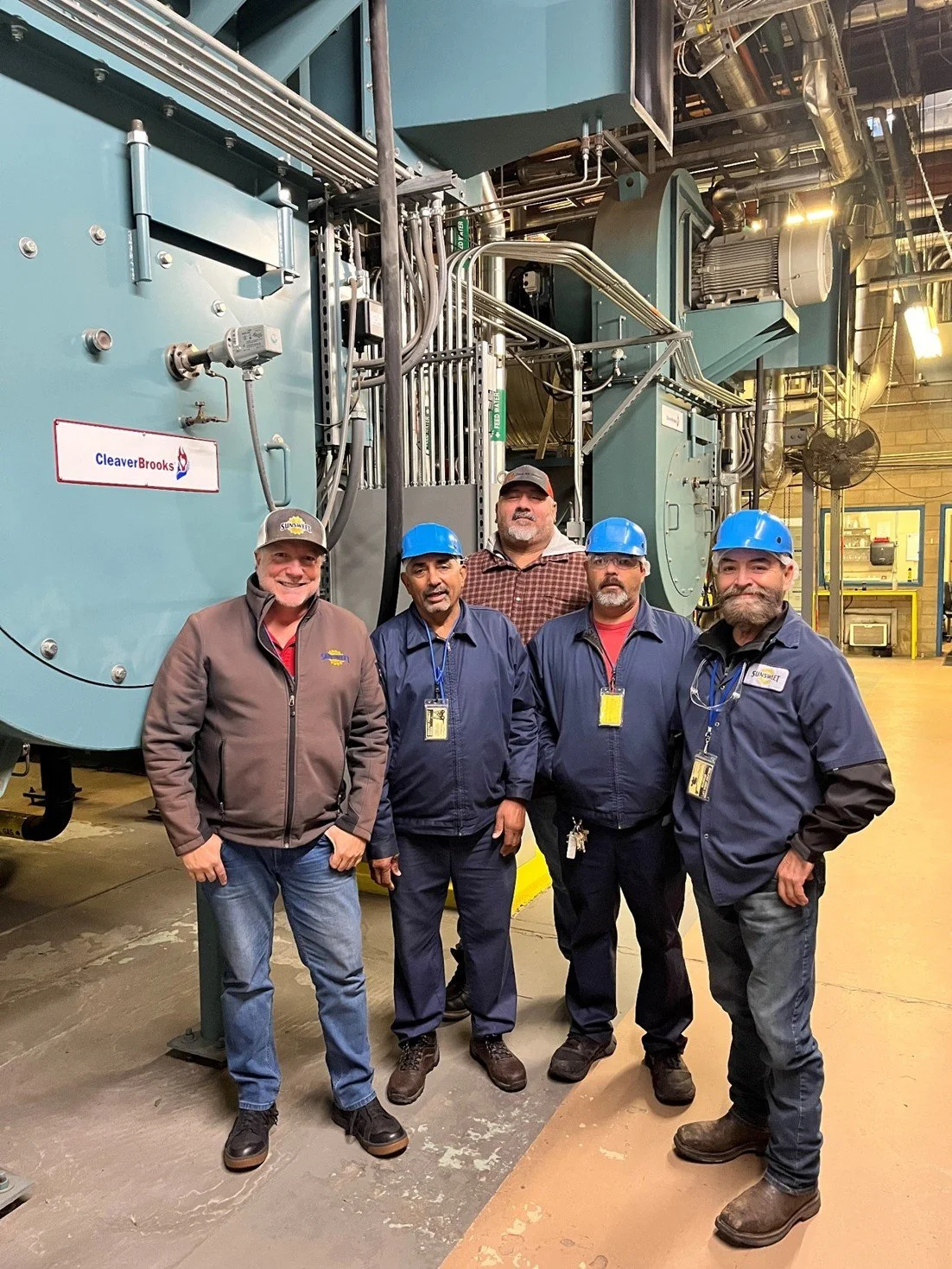
The Allison Apartments, located in San Diego, were completely renovated and energy conserving refrigerators, LED lighting, and heat pump water heaters funded by LIWP were installed. Another CSD contracted partner, GRID Alternatives, installed an 87-kilowatt rooftop solar PV system and provided a workforce development opportunity to ten trainees, nine of whom subsequently found employment in the solar industry.
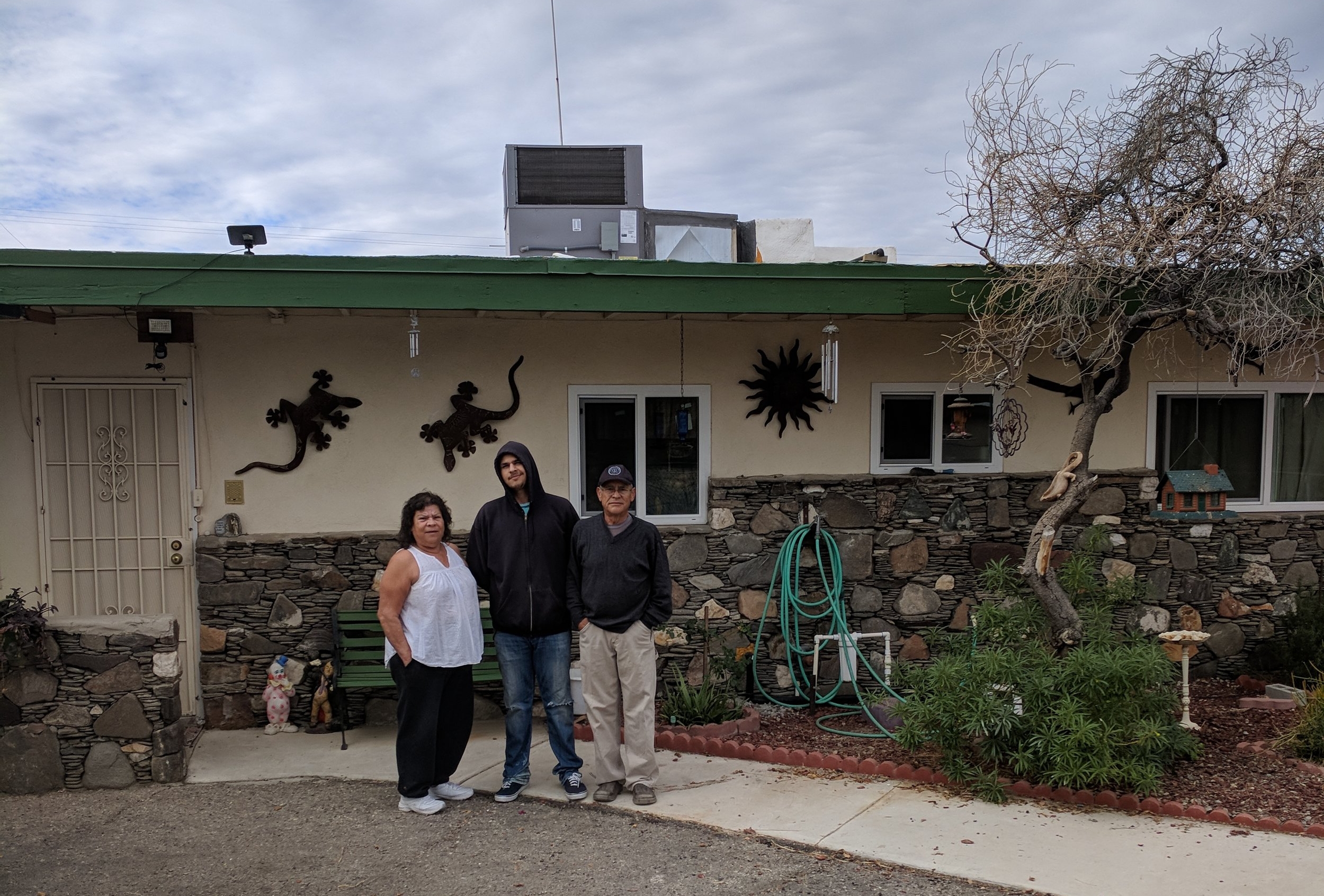
For years, Irma Vargas’ family of four struggled to pay the high utility bills that come with living on the north shore of the Salton Sea in Mecca while still maintaining a comfortable and healthy home for their children. The family’s limited income made the $400 per month bill nearly impossible during the summer months when temperatures can exceed 110°F in their Riverside County community.

Imperial Western Products, Inc. is demonstrating how clean energy technology can help food processing facilities advance California’s climate and energy goals.

In 2019, Sun-Maid was awarded and matched an $806,000 grant to implement an optimized compressed air energy system at its dried fruit packing and processing facility in the city of Kingsburg.
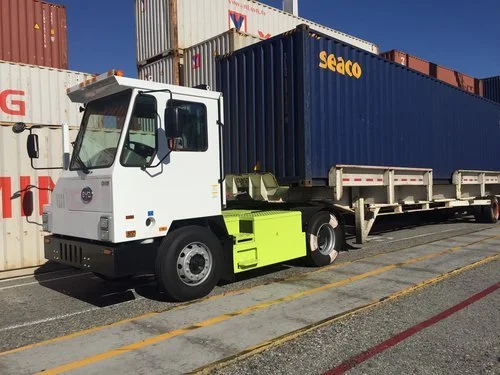
Thanks to a demonstration project testing advanced technologies, the Port of Los Angeles is serving as a proving ground to show how large industrial facilities can operate sustainably.
The Green Omni Terminal Demonstration Project is a full-scale demonstration of zero- and near-zero emission technologies at a working marine terminal. At full build-out, the 40-acre terminal will be the world’s first marine terminal to generate all of its energy needs from renewable sources.

Located outside Bakersfield, the Carlos Echeverria and Sons (CE&S) Dairy Biogas project will use anaerobic digester technology to produce energy, reduce GHG emissions, comply with environmental regulations and increase nutrient availability to crops. The project is funded through CDFA’s Dairy Digester Research and Development Program (DDRDP), supported by Cap-and-Trade dollars and the California Energy Commission.

Calgren Dairy Fuels (CDF) is the first California dairy digester pipeline cluster that upgrades dairy biogas to biomethane for utility pipeline injection. It is currently the only one of its kind in California, and with 20 digesters serving 22 dairies, it is the largest collective dairy biogas operation in the country.

The digester projects provide substantial environmental benefits by improving local air quality. Replacing the open-air lagoons of waste with a covered lagoon digester reduces manure-related emissions. Also, utilizing the methane in near-zero emissions natural gas vehicles replaces diesel vehicles and reduces NOX emissions by an estimated 90%.

The Transform Fresno initiative, with $66.5 million in Transformative Climate Communities (TCC) investments, allowed a broad group of stakeholders to collaborate on an integrated suite of projects meant to reduce disparities in these neighborhoods.

Three Fresno neighborhoods are about to undergo an economic and environmental transformation that promises to improve the quality of life for residents of Southwest, Chinatown and Downtown Fresno.

With support from CDFA’s State Water Efficiency and Enhancement Program (SWEEP), the Desert Fresh project lowered irrigation water use by nearly 15 percent while producing the same yield using precision agriculture technology. The system also uses soil moisture sensing technology to identify when the crop needs water and know exactly how much to apply—taking the guesswork out of irrigation.

SANCO Services received $3 million from California Climate Investments through the Organics Grants program to help fund equipment vital to the operation of a new anaerobic digestion system under construction at the Escondido Resource Recovery Transfer Station.
All Energy Programs
Learn about all past and present energy programs, including programs that are not actively receiving California Climate Investments funding.
Financial incentives for installation of solar photovoltaic and energy storage systems in low-income households.
Financial incentives for planning, purchase, and installation of publicly available charging equipment.


Financial incentives for EV charging stations with priority for shovel-ready projects in disadvantaged and low-income communities.

Financial incentives for demonstration or scale-up of the production, processing, delivery, storage, or end use of clean hydrogen.
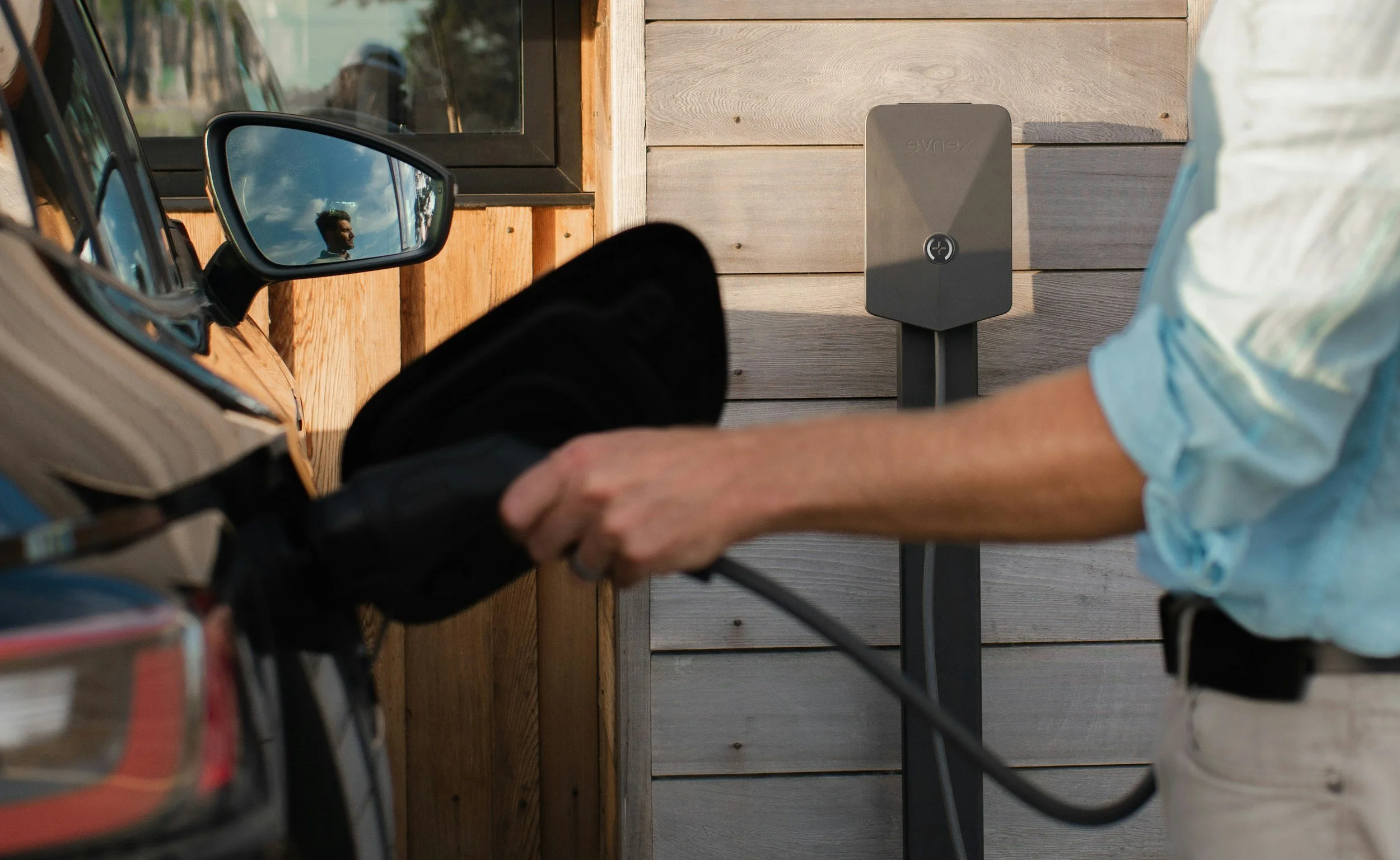
Financial incentives for electric consumers that support load reduction and backup generation to support the state's electrical grid during extreme events.

Grants that support infrastructure projects that deploy zero-emission vehicle charging and hydrogen refueling for medium-duty and heavy-duty commercial fleets.
Financial incentives for installation of all-electric appliances, energy efficiency and weatherization measures, and related building upgrades in low-income communities.
Grants that support food processors in implementing projects that reduce on-site energy consumption and greenhouse gas emissions.

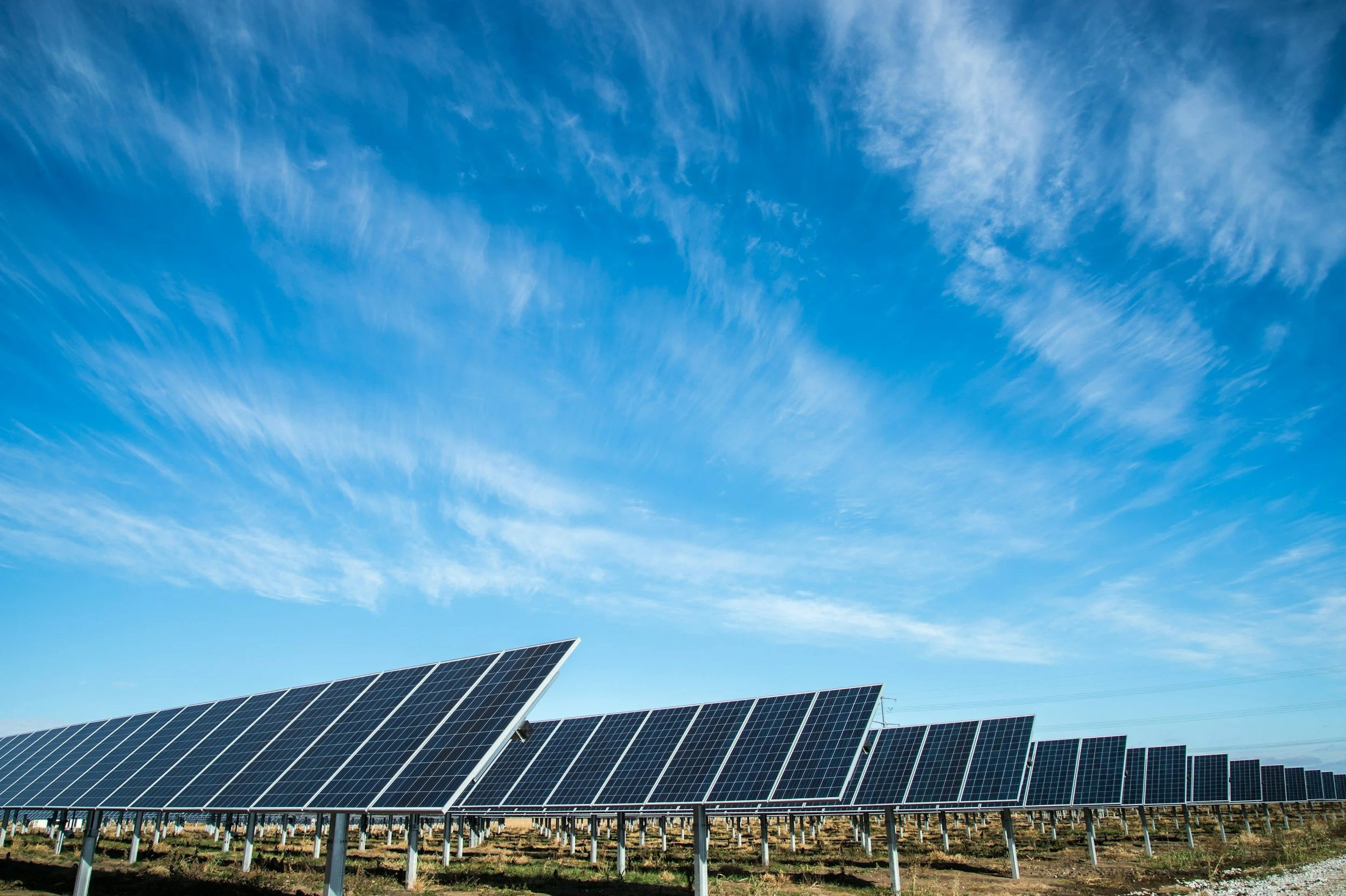
Financial incentives for industrial projects that increase energy efficiency, enhance electrical grid reliability, electrify fossil fuel processes, incorporate energy storage or renewable resources, and deploy novel decarbonization technologies.
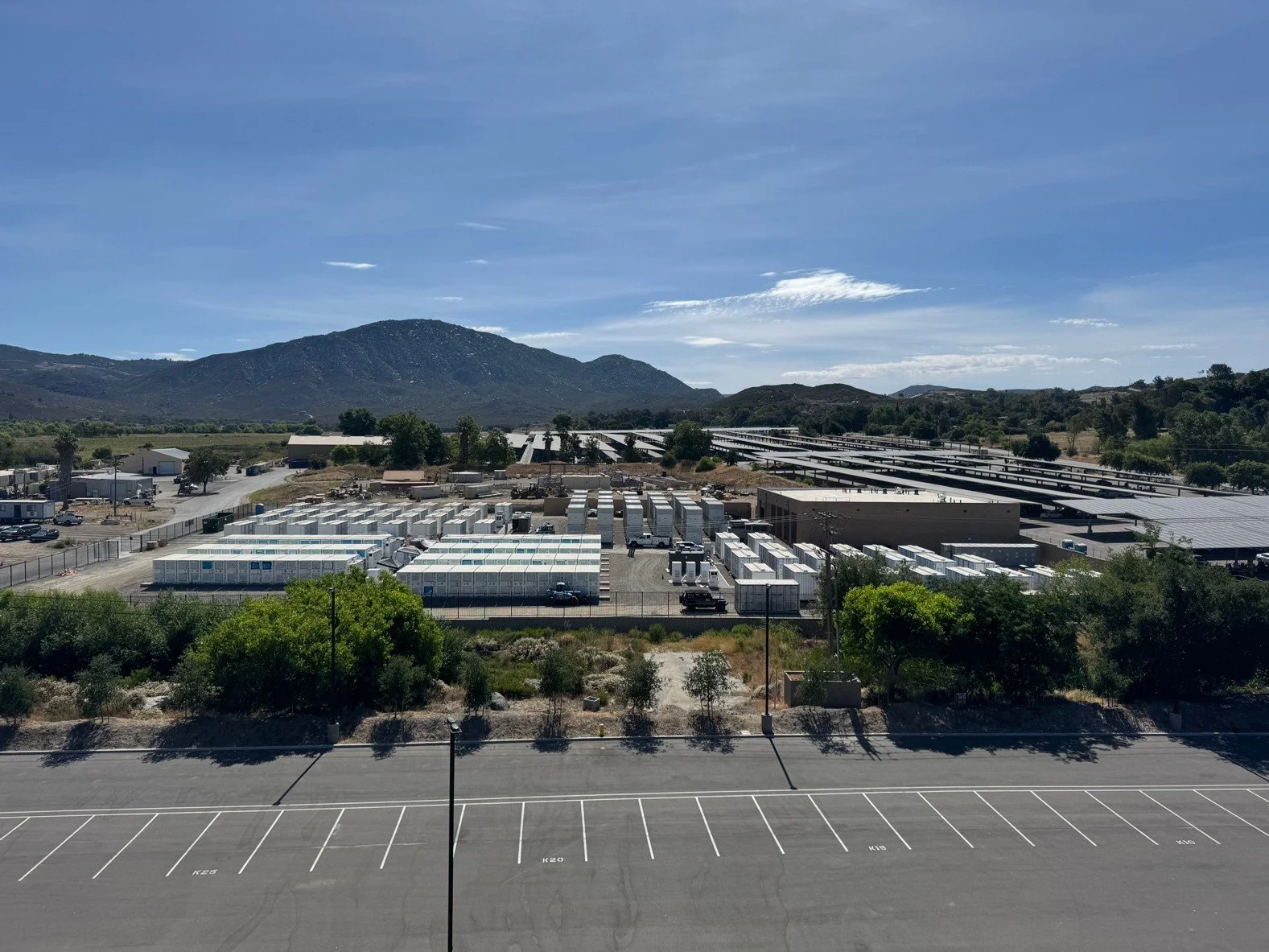


Funds demonstration of business and technology models to promote large-scale deployment of EV charging infrastructure in multi-family housing.

Funds adoption of on-site renewable energy technologies, such as wind and solar, at agricultural operations.
Financial incentives for the purchase of qualifying zero-emission school buses and associated infrastructure.
Financial incentives for contractors installing heat pumps and heat pump water heaters to customers.

Funds replacement of hydroelectric turbine runners at two Department of Water Resources State Water Project facilities.

Grants that support commercial, institutional, and residential water-energy efficiency programs or projects benefiting disadvantaged communities.

Funds California Conservation Corp, which enrolls young adults for a year of service resulting in job skills and work experience implementing forest fuel reduction, habitat restoration, and energy efficiency projects.

Grants that support planning and implementation of community development projects in disadvantaged communities.
Funds installation of ultra-low global warming potential refrigerant technologies and refrigeration system retrofits in newly constructed and existing supermarkets.
Financial incentives for homeowners to replace wood stoves and fireplaces with cleaner home heating devices.
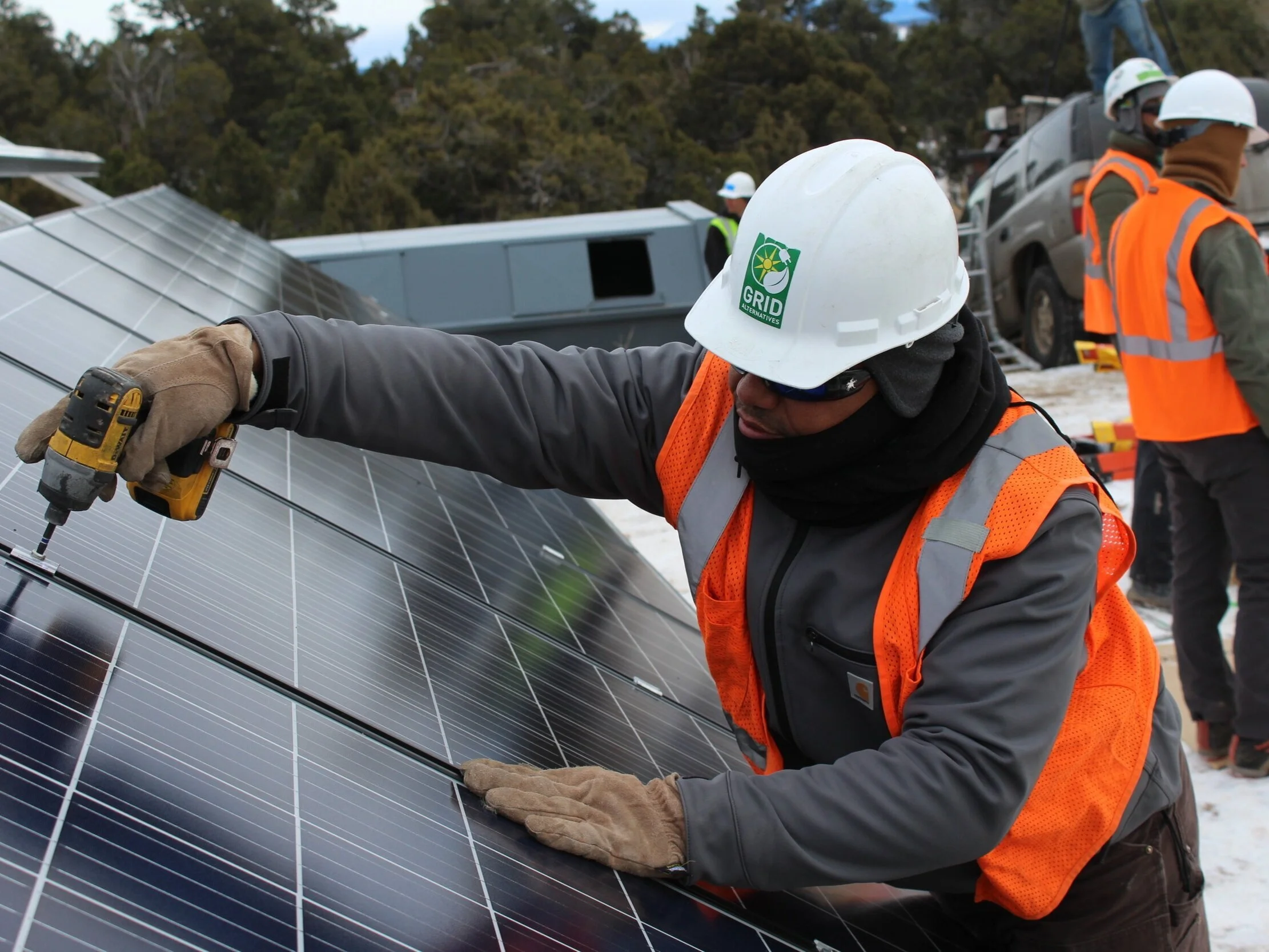
Funds installation of community-level solar arrays that generate energy for low-income households.
Funds no-cost energy conservation measures in income-qualified farmworker households in select counties.

Funds installation of energy-efficiency measures, solar water heating, and solar photovoltaics in low-income single-family homes.