Energy-Efficient Upgrades Give New Life to Multi-Family Housing Communities

Energy-Efficient Upgrades Give New Life to Multi-Family Housing Communities

California Department of Community Services and Development

Three low-income supportive housing complexes are installing a suite of energy efficiency upgrades, reducing greenhouse gas emissions and lowering costs for the individuals and families that call these communities home. These upgrades are not only reducing the environmental footprint of these complexes. They are also lowering operating costs, and helping sustain affordable housing for years to come.
Fourth-Generation Family Dairies Respond to Climate Change with Manure Management Upgrades

Fourth-Generation Family Dairies Respond to Climate Change with Manure Management Upgrades

California Department of Food and Agriculture

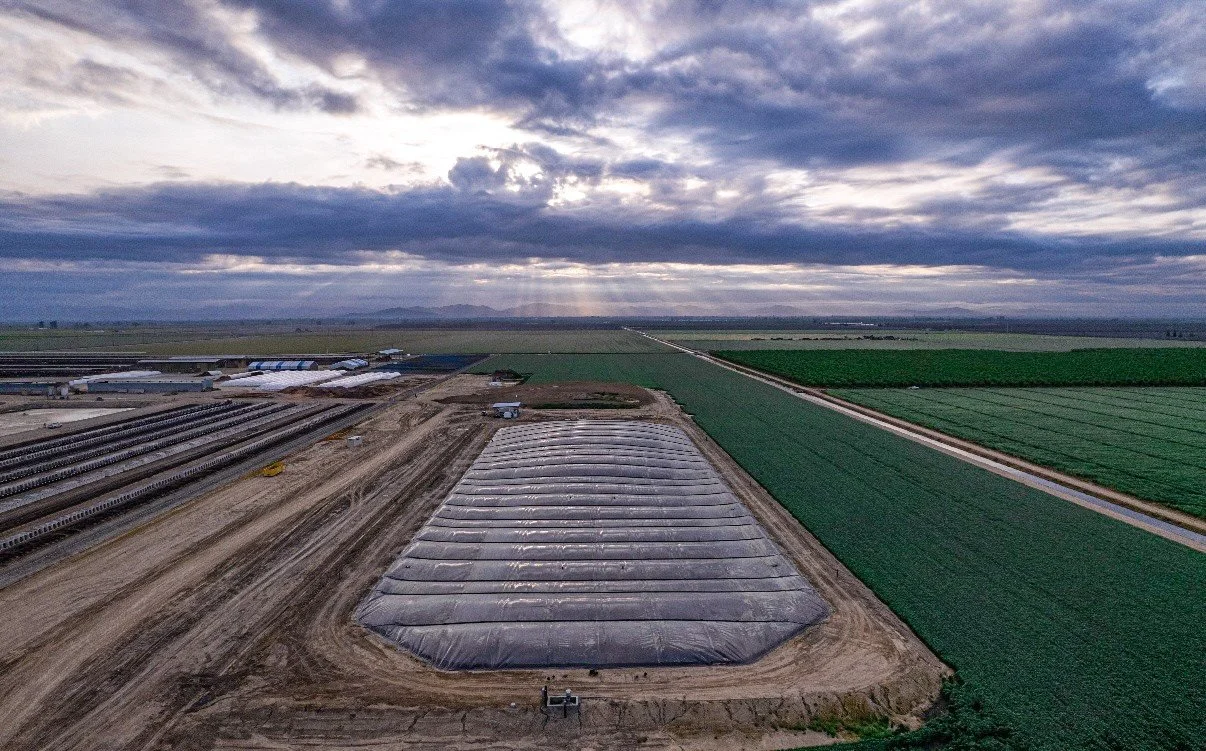
The Fernandes family, which has been farming in Tulare County for four generations, is taking steps to make their dairies more sustainable in the face of climate change. The five dairies, owned by five Fernandes brothers, installed manure management upgrades to capture greenhouse gas emissions and produce renewable natural gas. These updates are expected to accomplish significant reductions in the dairies’ greenhouse gas emissions while providing an alternative fuel source for the farms.

Healthy Soils Program Sparks Long-Term Sustainable Change for Glenn County Walnut Farm

Healthy Soils Program Sparks Long-Term Sustainable Change for Glenn County Walnut Farm

California Department of Food and Agriculture

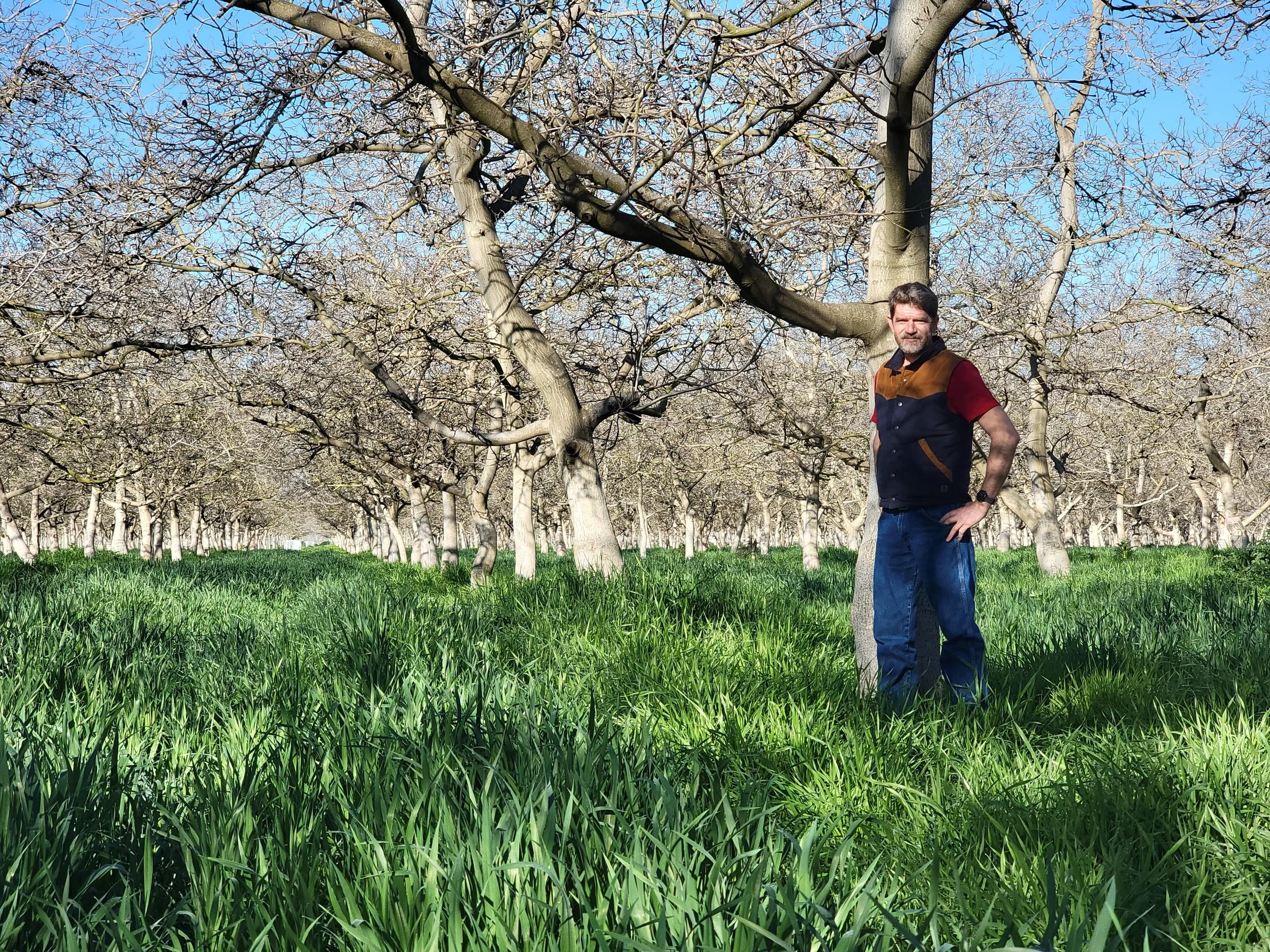
A walnut grower in Glenn County completely transitioned to healthy soil practices after finding that they helped his orchard thrive. After using a Healthy Soils Program grant to apply mulch and compost to his fields, Leonard Loewen found that his trees produced more walnuts, and there were fewer issues with pests and soil-borne disease. The positive outcomes that Loewen witnessed during the grant period have motivated him to continue these practices after the grant term ended, demonstrating that sustainable farming provides both environmental and economic benefits.

New Tribal Capacity Building Program Invests in Tribal-Led Climate Solutions

New Tribal Capacity Building Program Invests in Tribal-Led Climate Solutions

Strategic Growth Council

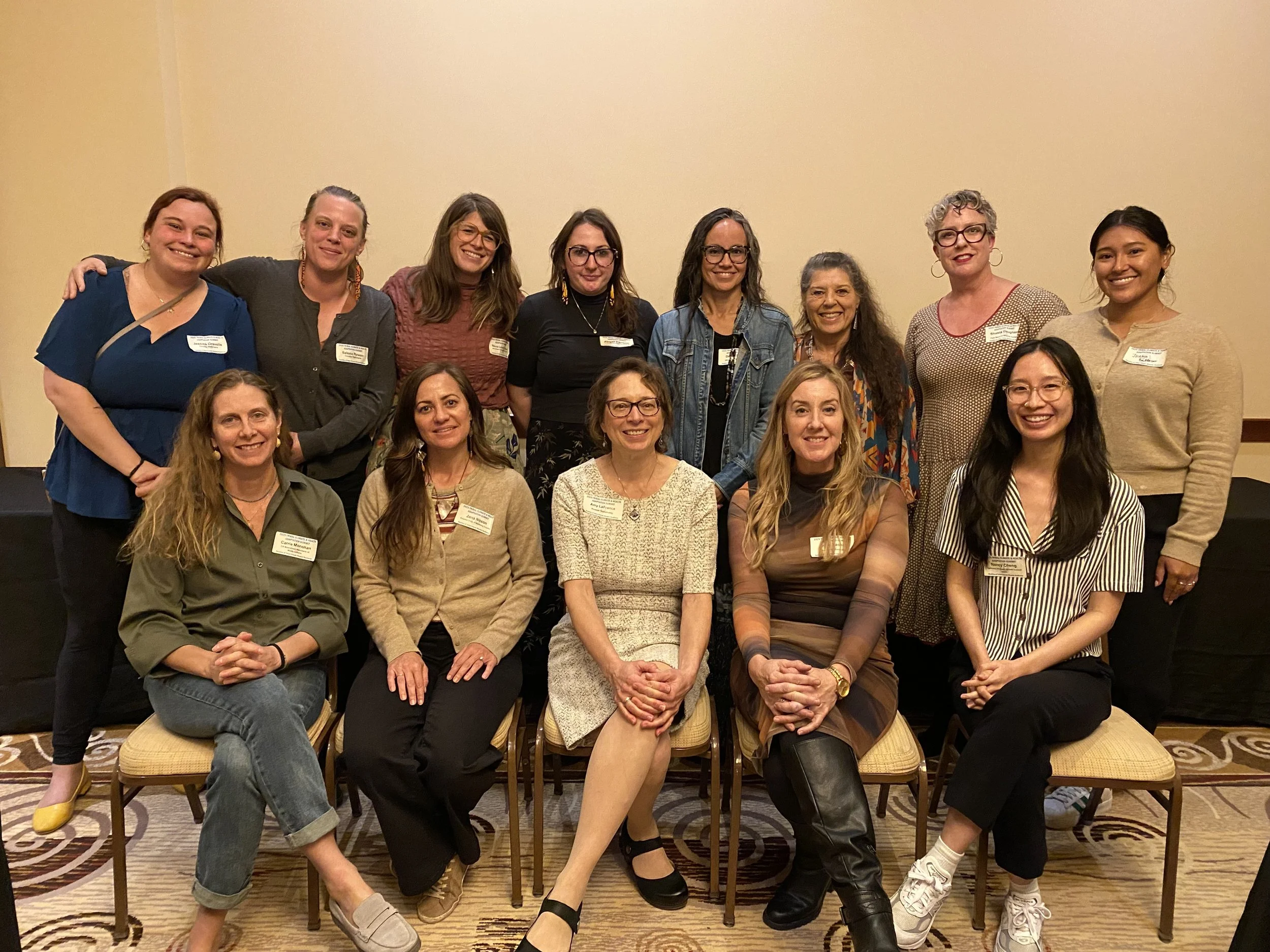
A new Tribal Capacity Building Program is helping six Tribes increase their capacity to adapt to and mitigate climate change. The program offers grants to fund salaries and projects, provides technical assistance for grant writing and economic development, and connects Tribes through peer learning. With the funding, Tribes are accomplishing their short-term climate goals and building capacity to secure more funding to support their communities in the long run.

Sustainability is in Style: First Electric Mobile Circular Fashion Lab Comes to Los Angeles

Sustainability is in Style: First Electric Mobile Circular Fashion Lab Comes to Los Angeles

California Air Resources Board

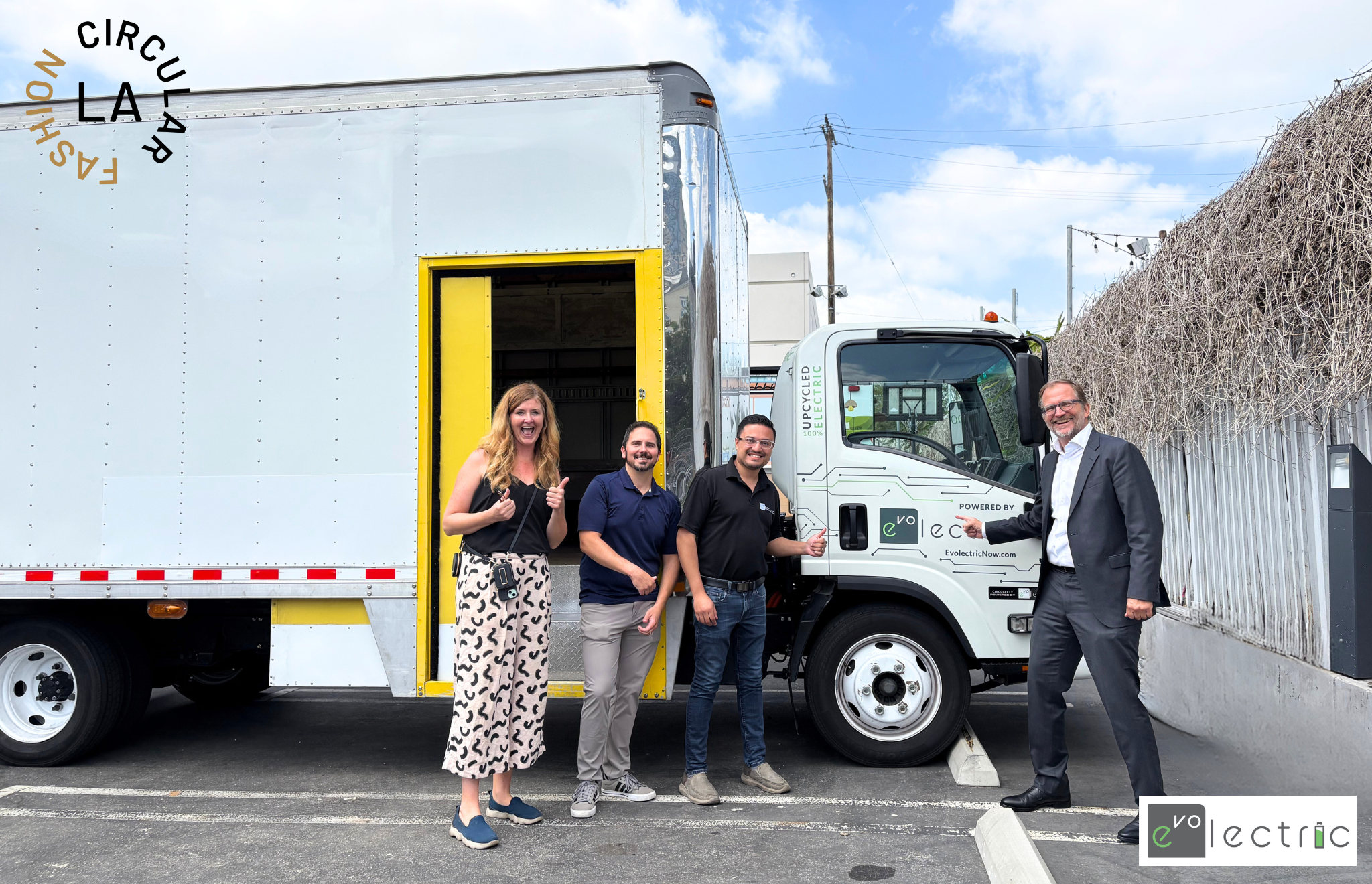
A new zero-emission Mobile Circular Fashion Lab is helping people across Los Angeles repair and revitalize their existing wardrobe, saving customers money and keeping clothing out of landfills. Using grant funds provided by the Innovative Small E-Fleet Pilot Project, Circular Fashion LA was able to purchase a zero-emission truck to travel across the city and promote sustainable choices without generating emissions. Customers are raving about the service for making old clothes feel new again, proving that sustainability can be stylish.

West Sacramento’s New Bicycle and Pedestrian Trail Connects a City

West Sacramento’s New Bicycle and Pedestrian Trail Connects a City

California Natural Resources Agency

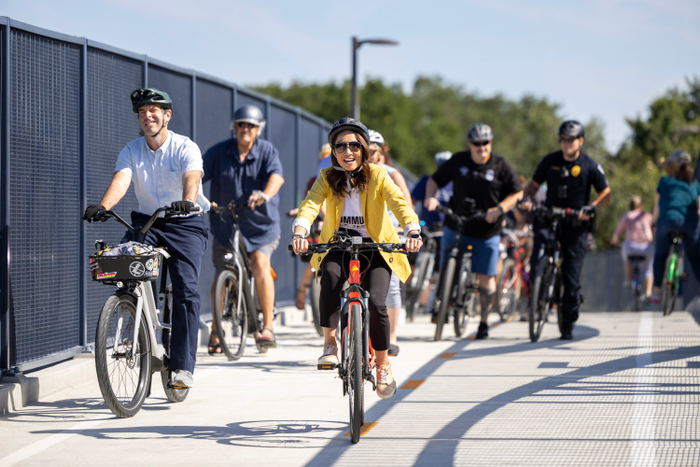
In May of 2025, the City of West Sacramento opened the Sycamore Trail Bicycle and Pedestrian Overpass over Highway 50, allowing residents to easily navigate from one side of the city to the other without the need for a car. Before the overpass was constructed, residents who wanted to visit neighborhoods on the other side of the highway were forced to drive. The Sycamore Trail now provides a convenient and safe way for members of the community to move around car-free and get outside to run, walk, or bike through town.

A New Era for the Elk River: How Watershed Restoration Helped Heal Environmental and Community Wounds in Humboldt County

A New Era for the Elk River: How Watershed Restoration Helped Heal Environmental and Community Wounds in Humboldt County

California State Coastal Conservancy

For decades the Elk River in Humboldt County faced the consequences of logging companies’ clearcutting of old-growth redwood forests. To restore the river and protect the local agriculture and fishing industries that rely on it, CalTrout, the City of Eureka, and state and federal partners stepped in. The partners are restoring hundreds of acres, bringing back salmon, shorebirds, and other wildlife and protecting the community from flooding.

Black- and Indigenous-Led Non-Profit Restores Forest Health and Inspires Connection with the Land in Sonoma County

Black- and Indigenous-Led Non-Profit Restores Forest Health and Inspires Connection with the Land in Sonoma County

California Department of Forestry and Fire Protection

Shelterwood Collective, a Black- and Indigenous-led non-profit, is restoring a 900-acre forest in Sonoma County, demonstrating the importance of centering Black and Indigenous voices in forest management and combining restoration work with public outreach and education. The Shelterwood Collective’s efforts will help protect nearby communities from catastrophic wildfire, sequester carbon dioxide, and provide a sanctuary for communities that may not always feel included in land stewardship.

California’s High-Speed Rail Project Boosting Local Economies and Creating Jobs in the Central Valley

California’s High-Speed Rail Project Boosting Local Economies and Creating Jobs in the Central Valley

California High-Speed Rail Authority

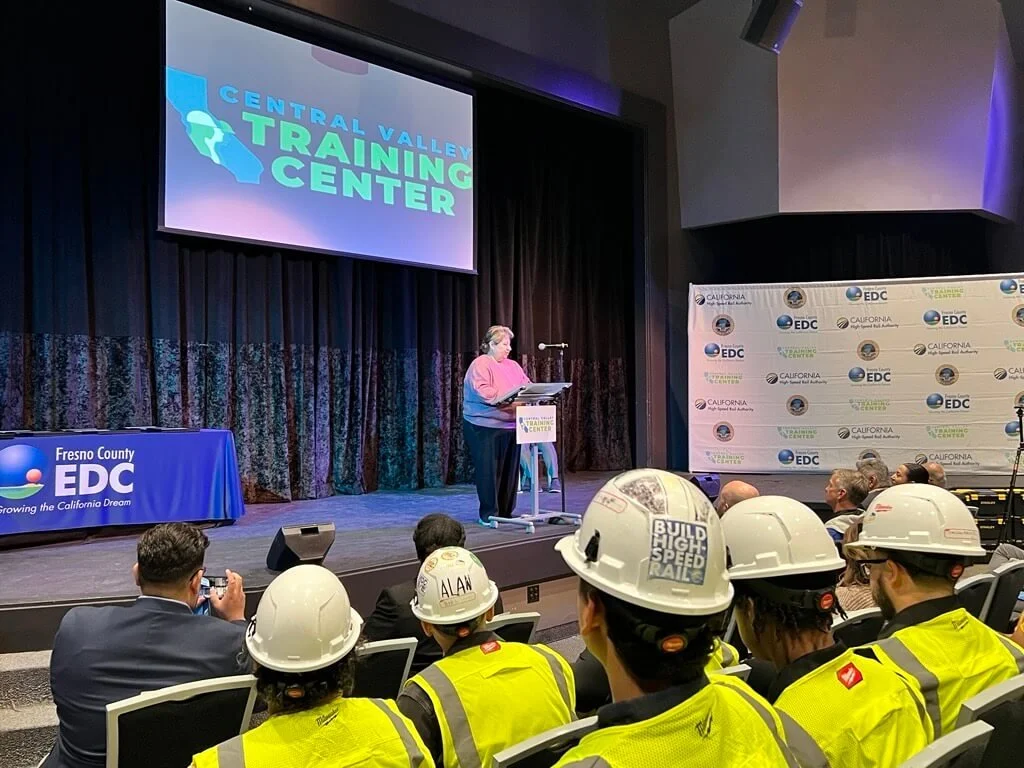
Since construction began, California’s High Speed Rail project has been opening doors for Central Valley workers and communities. Since construction began, high-speed rail construction has created over 16,100 construction jobs and generated $22 billion in economic output. The High-Speed Rail Project has also partnered with the Central Valley Training Center to help Central Valley residents gain valuable experience for a career in construction, at no cost to students.

Farmworkers Spread the Word on Life-Changing Weatherization Upgrades

Farmworkers Spread the Word on Life-Changing Weatherization Upgrades

California Department of Community Services and Development

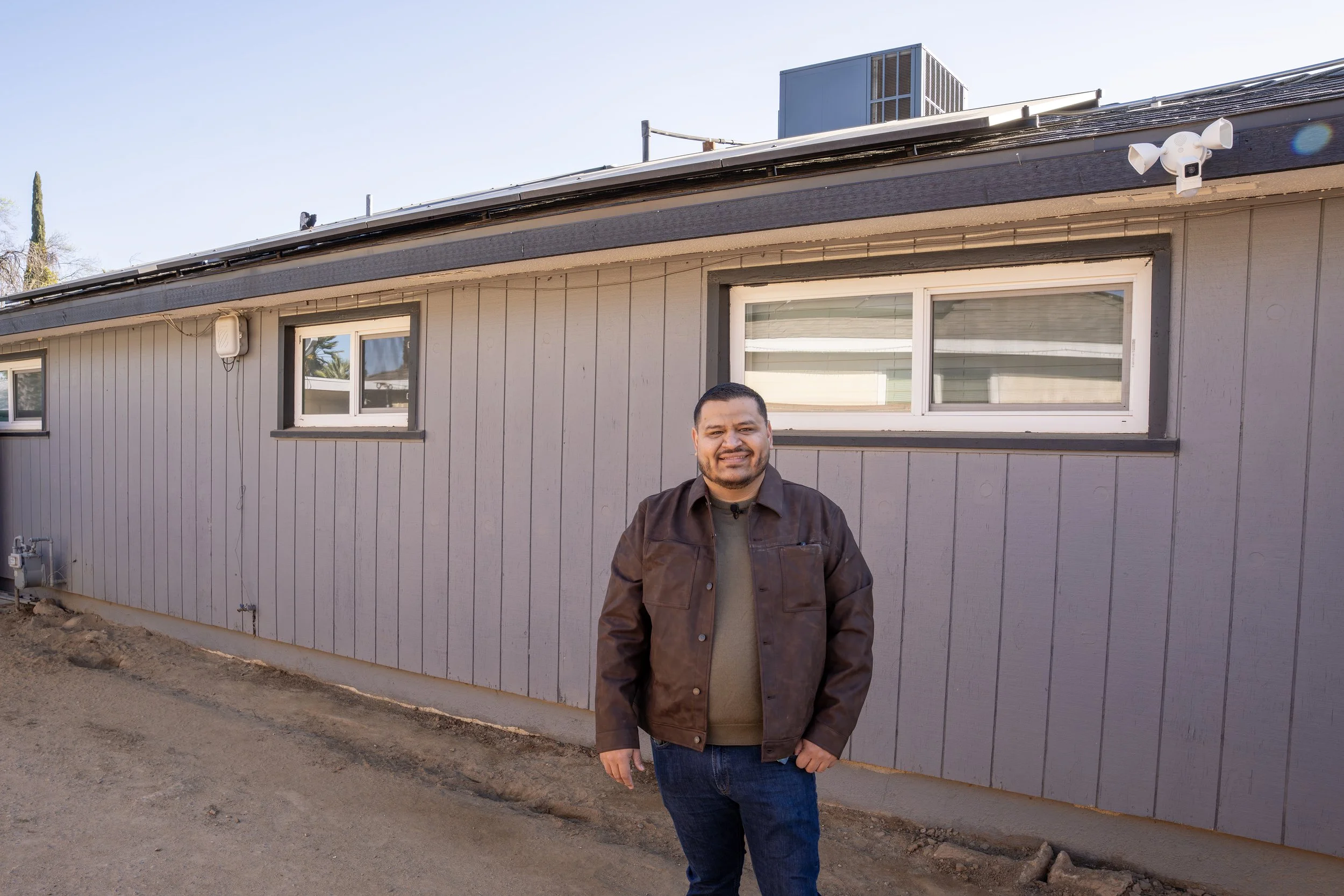
Two farmworkers share how the Low-Income Weatherization Program (LIWP) helped them save hundreds of dollars on their energy bills, allowing them to rest easier and enjoy a comfortable and safe home. By installing rooftop solar panels and new energy efficient technologies, LIWP makes farmworkers’ homes more energy-efficient and resilient against extreme weather, which is becoming more prevalent as climate change impacts worsen.

Local Nonprofits Bring Nature to Schoolyards Throughout Southern California

Local Nonprofits Bring Nature to Schoolyards Throughout Southern California

California Department of Forestry and Fire Protection

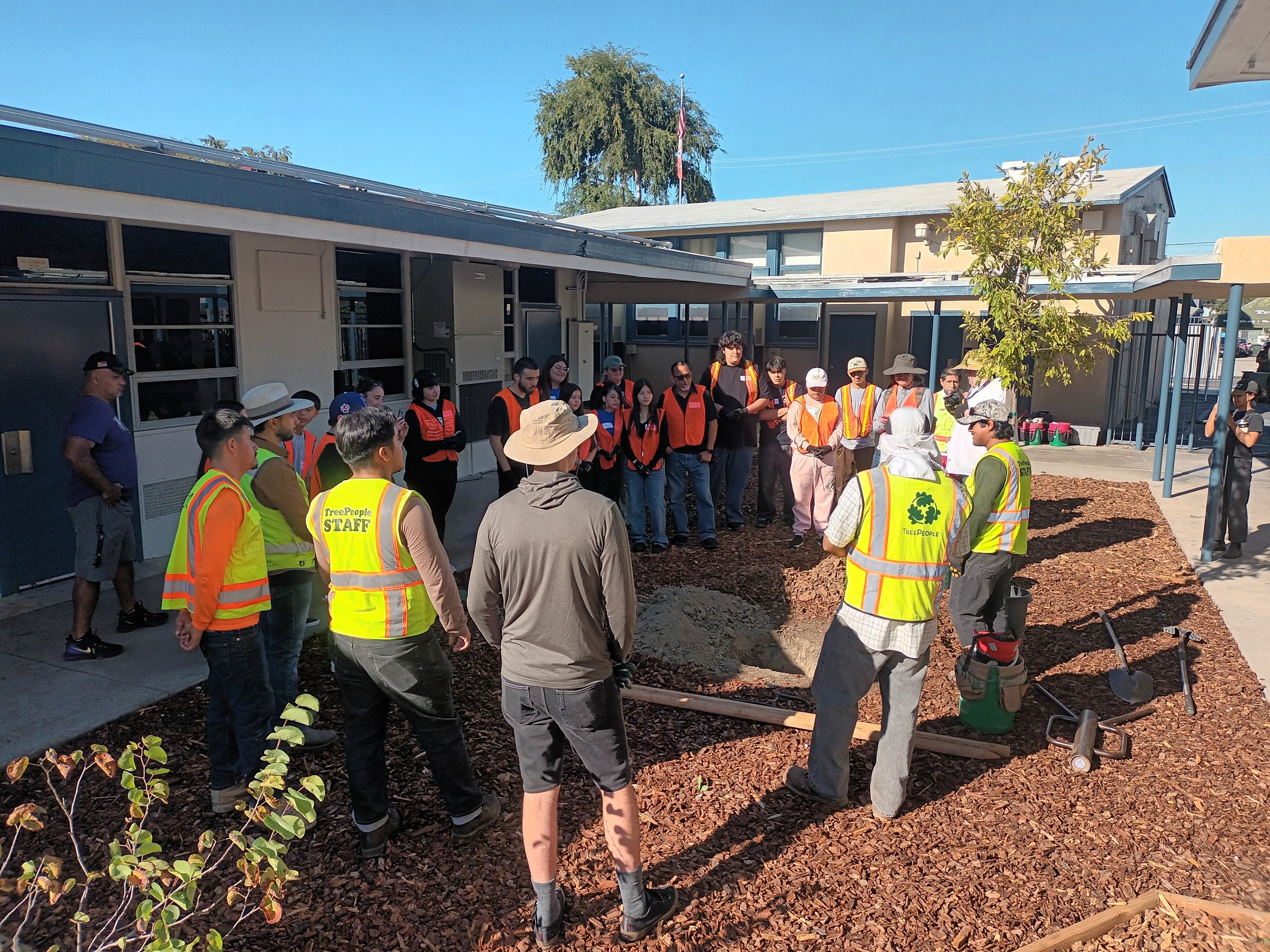
Two non-profits are transforming twenty-two schools across Southern California, removing pavement from schoolyards and introducing native plants, shade trees, and outdoor learning spaces. Together, TreePeople and Los Angeles Neighborhood Land Trust have planted over 1,000 shade trees and replaced over 900,000 square feet of hard surfaces with native plant gardens, green playfields, and other gardens and play areas.

Powering Prunes with Clean Energy: Sunsweet’s Efficiency Upgrades

Powering Prunes with Clean Energy: Sunsweet’s Efficiency Upgrades

California Energy Commission

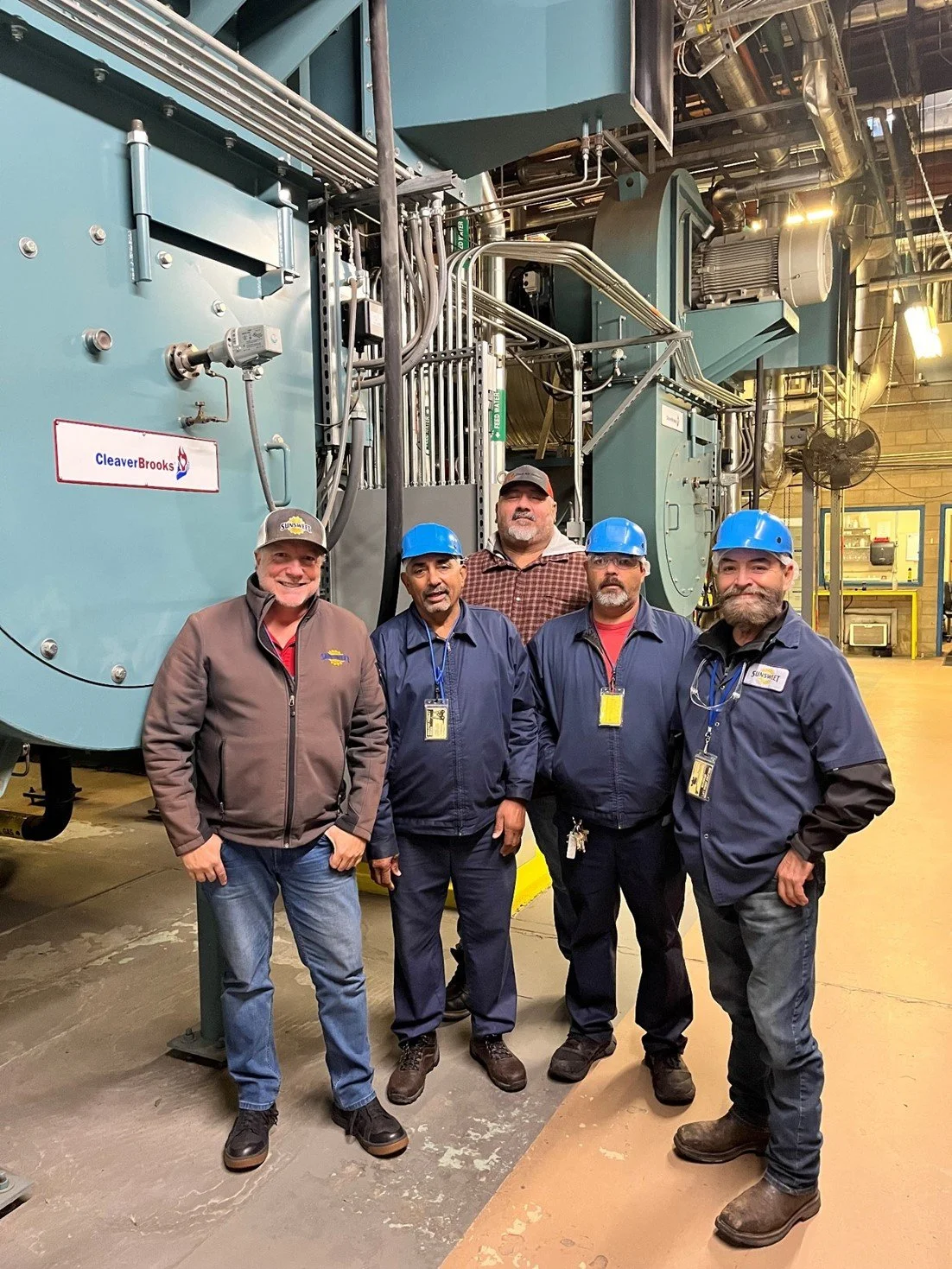
Sunsweet Growers Inc., the world’s largest producer of prunes and other dried fruit, is making extensive energy efficient upgrades at its Yuba City headquarters, significantly reducing greenhouse gas emissions and improving local air quality. The updates are helping the facility decrease its emissions by 19 percent and keep operating costs low, which also helps sustain local jobs.

Wildfire Risk Assessment Training Boosts Community Resilience in Malibu

Wildfire Risk Assessment Training Boosts Community Resilience in Malibu

California Department of Forestry and Fire Protection

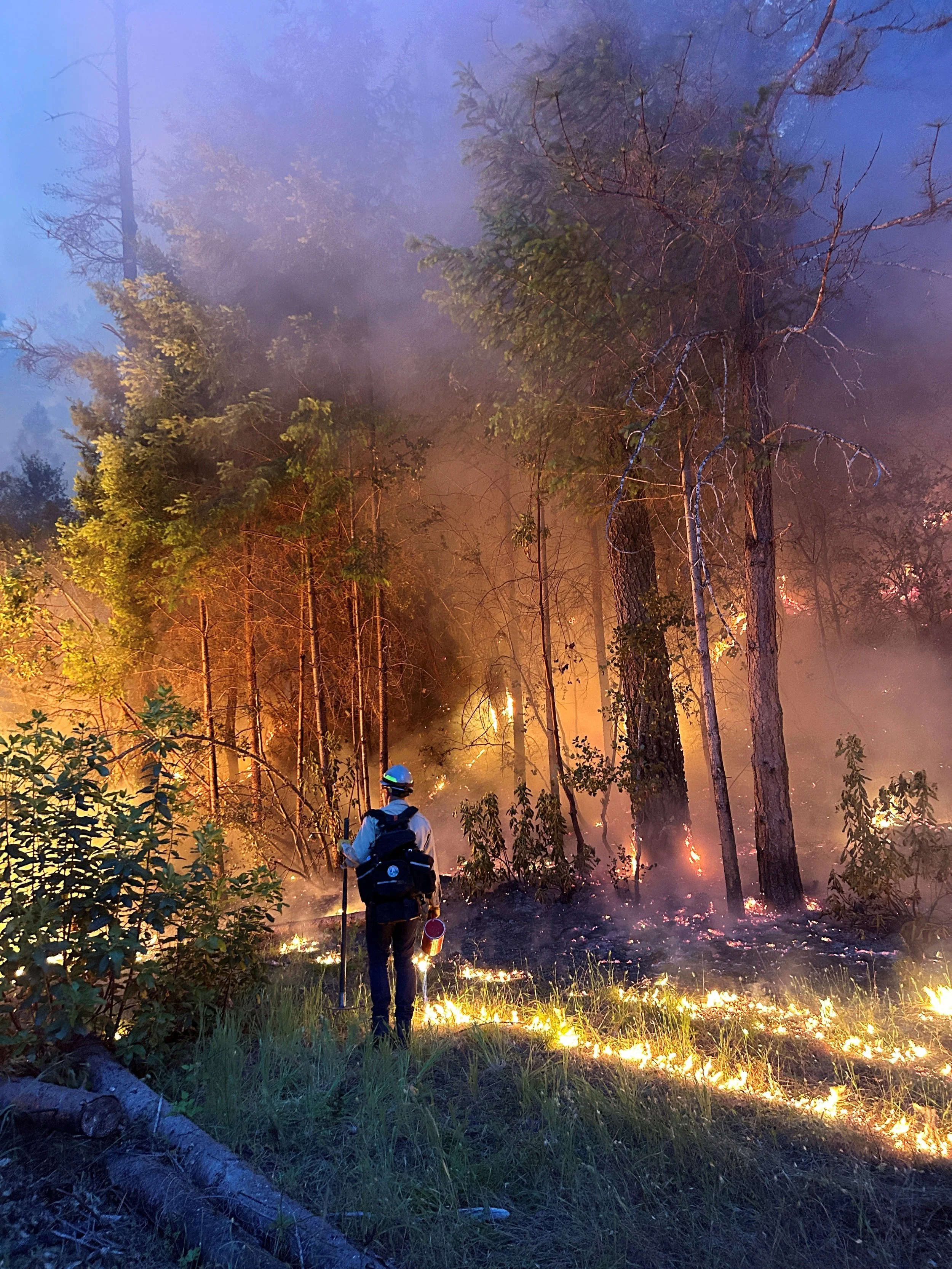
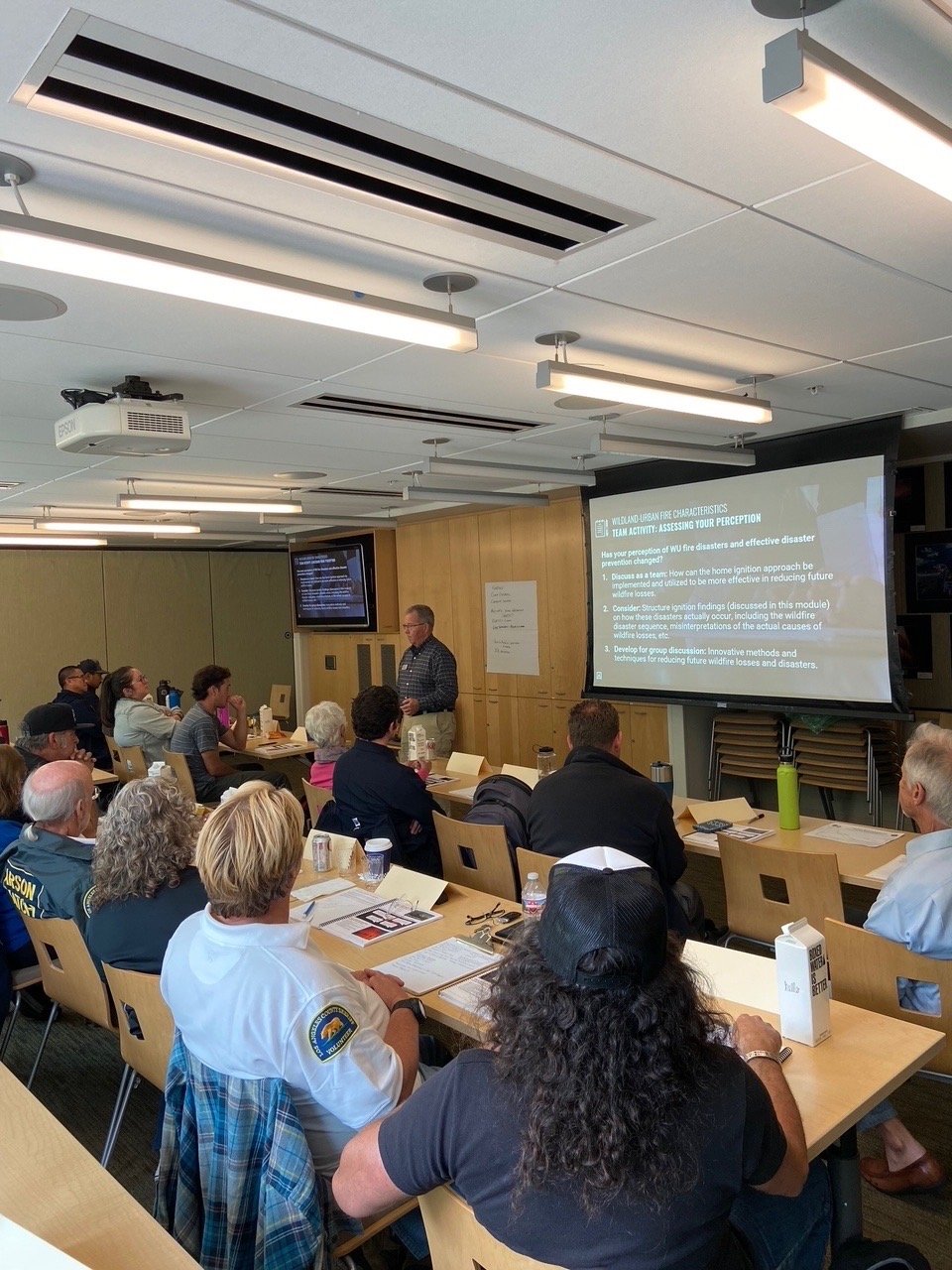
In 2024, the California Department of Forestry and Fire Protection held two wildfire risk assessment classes in Malibu, teaching about 100 participants how to help prevent their homes from catching fire when a wildfire is approaching. In January of 2025, the Palisades fire blazed through the hills above Malibu, destroying thousands of homes and businesses. Following the fire, the City of Malibu discovered that of the houses that applied the lessons taught in the classes, 65 percent survived undamaged, and 10 percent only had partial damage.  

Zero-Emission Technologies at San Diego Schools Provide Education and Protect Safety

Zero-Emission Technologies at San Diego Schools Provide Education and Protect Safety

California Air Resources Board

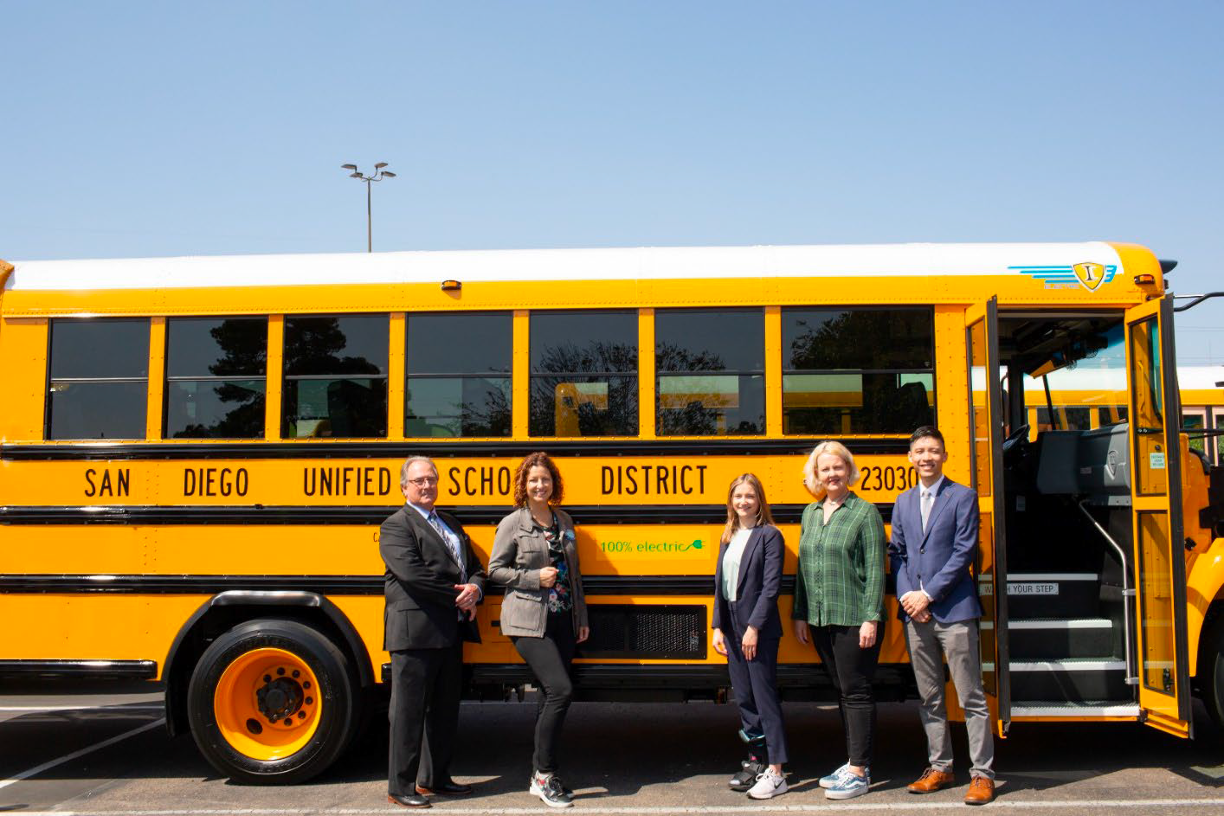
San Diego Unified School District used a $9.7 million grant from the Clean Mobility in Schools program to install electric technologies at Lincoln Senior High School and thirteen surrounding elementary and middle schools. The upgrades include electric school buses, landscape and custodial vehicles, food delivery vans, vanpool and carshare vehicles, and a bike-sharing program for students and staff. By reducing emissions, the project is improving the health and safety of the schools and community within the school district, which has some of the worst air quality in the city.  

Santa Paula Elementary Schools’ Green Transformation: Making Play and Learning Accessible Year-Round

Santa Paula Elementary Schools’ Green Transformation: Making Play and Learning Accessible Year-Round

California Department of Forestry and Fire Protection

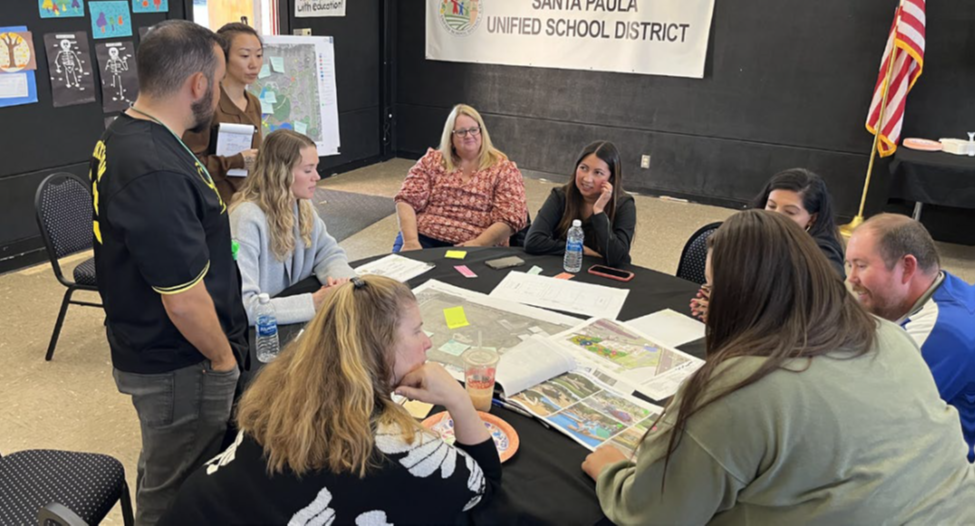
The California Department of Forestry and Fire Protection’s Urban and Community Forestry Program is transforming three elementary school campuses in Ventura County by removing pavement and adding more greenery, play structures, and outdoor learning spaces. The three schools, located in the Santa Paula Unified School District (SPUSD), currently have schoolyards that are mostly pavement or grass, with very little shade. Students, staff, and parents are coming together to make sure that students have a place to learn and play during and after school, even in the hottest summer months.

San Francisco’s Free Muni Program Makes Public Transit More Accessible and Equitable

San Francisco’s Free Muni Program Makes Public Transit More Accessible and Equitable

California Department of Transportation

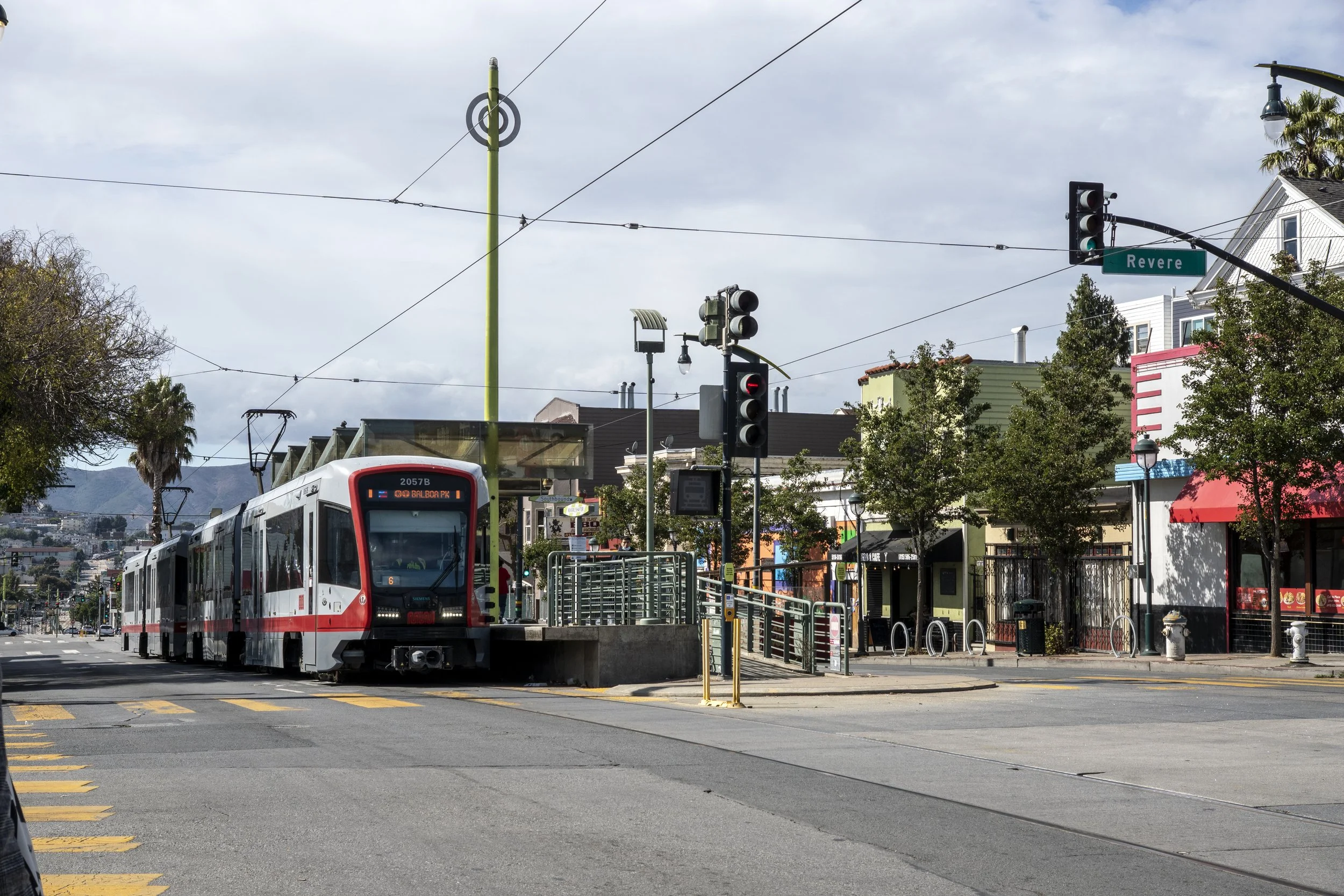
San Francisco’s Free Muni program offers free or reduced fare public transportation for seniors, people with disabilities, anyone age 18 or younger, and qualifying young adults. The program, which was first launched in 2013, is estimated to offer over 16.5 million free public transit trips to eligible riders per year. Since the program was introduced, many residents who previously faced cost barriers to using the public transit system can now access all corners of the city without worrying about financial strain.