
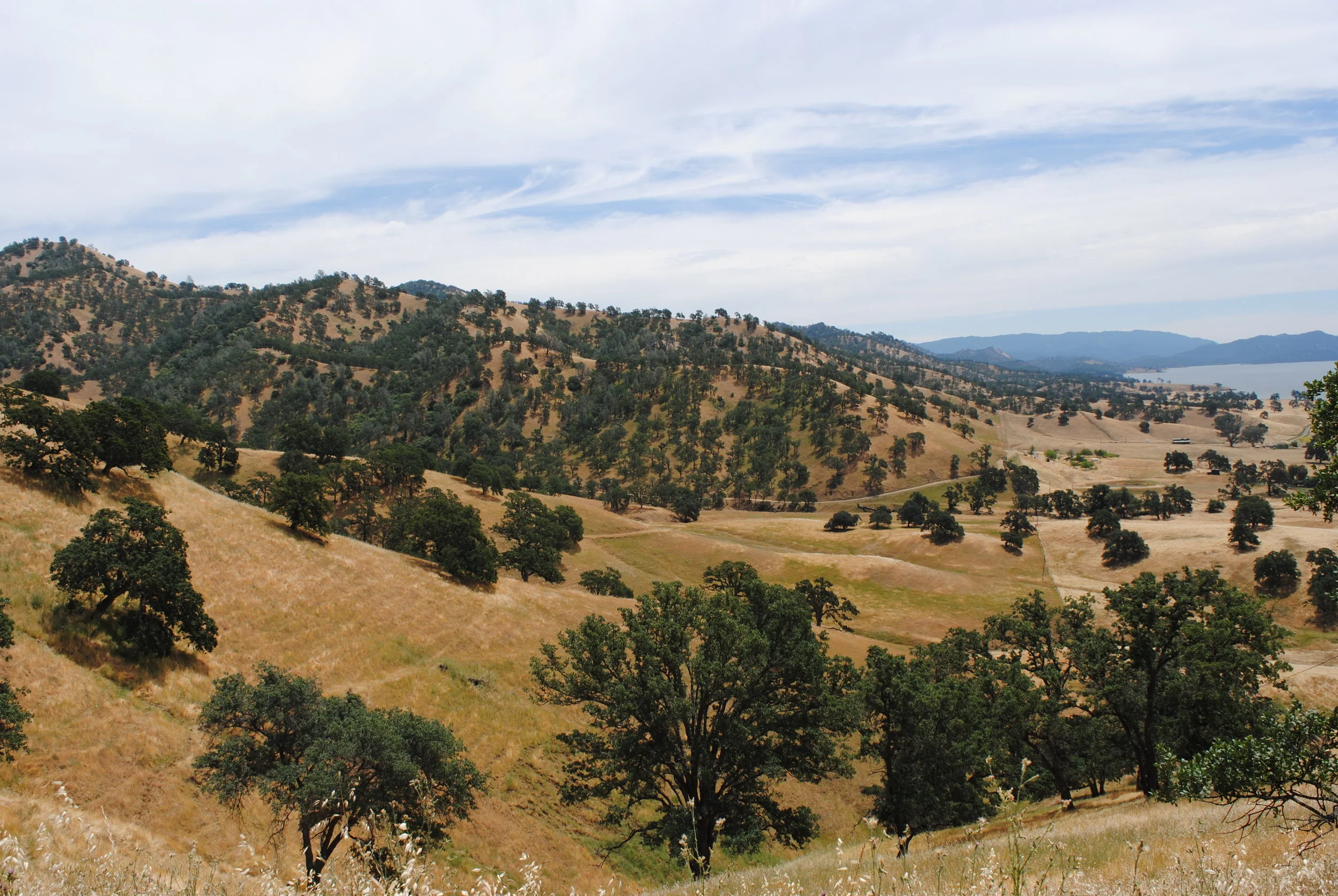
Programs for Land Conservancies
Land trusts, resource conservation districts, land use planning agencies and others can receive funds to help protect California’s lands and coastlines. Learn about open funding opportunities, resources to help you learn more about California Climate Investments and how to apply for funds, and read stories of funded projects led by land conservancies.
Funding Opportunities for Land Conservancies
The programs listed below have funding available now or will offer funding in the near future. You can save or print the list of programs with funding available now using the buttons below.
We encourage you to also view all programs available to individuals, including both open and closed programs. Learning about programs early can help with planning for future funding rounds.

Funds conservation and management of natural and working lands and technical assistance for land managers.

Technical assistance for small, disadvantaged communities to address drinking water, wastewater, stormwater, or groundwater needs.

Grants for land use planning, capacity building, and land acquisition projects that protect agricultural land from conversion to non-agricultural uses.

Vouchers for clean truck and bus fleet purchases for public transit and innovative small e-fleets.

Funds water system consolidation, operation and maintenance costs, and planning activities for small water systems.
Resources for Land Conservancies

California Air Resources Board
Collection of resources for California Climate Investments administering agencies, prospective applicants, grantees, and public audiences.

California Air Resources Board
Calendar containing upcoming California Climate Investments funding timelines, public participation opportunities such as workshops, public comment periods, listening sessions, and more.

California Air Resources Board
Land trusts, resource conservation districts, land use planning agencies and others can receive funds to help protect California’s lands and coastlines.

California Air Resources Board
Los fideicomisos de tierras, los distritos de conservación de recursos, las agencias de planificación del uso de la tierra y otros pueden recibir fondos para ayudar a proteger las tierras y costas de California.

California Air Resources Board
Community Connections is a tool to help organizations and agencies find partners interested in California Climate Investments. Partnerships ensure that project proposals reflect the perspectives needed to build resilient communities and implement meaningful investment.

California Strategic Growth Council
The Hub is designed to enable practitioners, policymakers, and communities at any point in their racial equity journey to increase access and understanding to relevant resources and best practices.

Industrial Economics, Inc.
An analysis and evaluation of ecosystem service benefits California Climate Investments projects provide by funding nature-based climate solutions. The resulting report explores how carbon mitigation projects can generate ecological and environmental improvements that enhance the health, wealth, and well-being of California residents.
Investments in Action: Projects Funding Land Conservancies

California Department of Forestry and Fire Protection
In August of 2024, the Canyon Fire ignited in the Tuolumne River Canyon, quickly becoming a threat to nearby subdivisions. Fortunately, the Tuolumne Fire Safe Council had received California Climate Investments funding through the Wildfire Prevention Grants program and completed the Ponderosa-Mira Monte Shaded Fuel Break just two years prior. The fuel break gave wildland firefighters leverage in slowing and ultimately extinguishing the blaze, saving area homes and lives.

In 2020, Sarah Light, agronomy advisor at the University of California Cooperative Extension, partnered with the Colusa County Resource Conservation District, Davis Ranch, Richter Ag, and the United States Department of Agriculture Natural Resource Conservation Service to apply for a CDFA Healthy Soils Program Demonstration Grant. The team received $99,832 of grant funding to conduct a demonstration project on cover crops on two fields in the Sacramento Valley from fall 2020 to spring 2024.

Ross Ranch is an 854-acre working ranch that lies within the City of Redding’s sphere of influence, or the identified expansion area for the city. The property is leased to cattle ranchers and beekeepers, with 30 acres used by neighboring Shasta College for cattle grazing. In 2018, the California Strategic Growth Council awarded the Shasta Land Trust an approximately $5.6 million Sustainable Agricultural Lands Conservation Program (SALC) grant to acquire an agricultural conservation easement that permanently protects Ross Ranch from development.
California Department of Fish and Wildlife
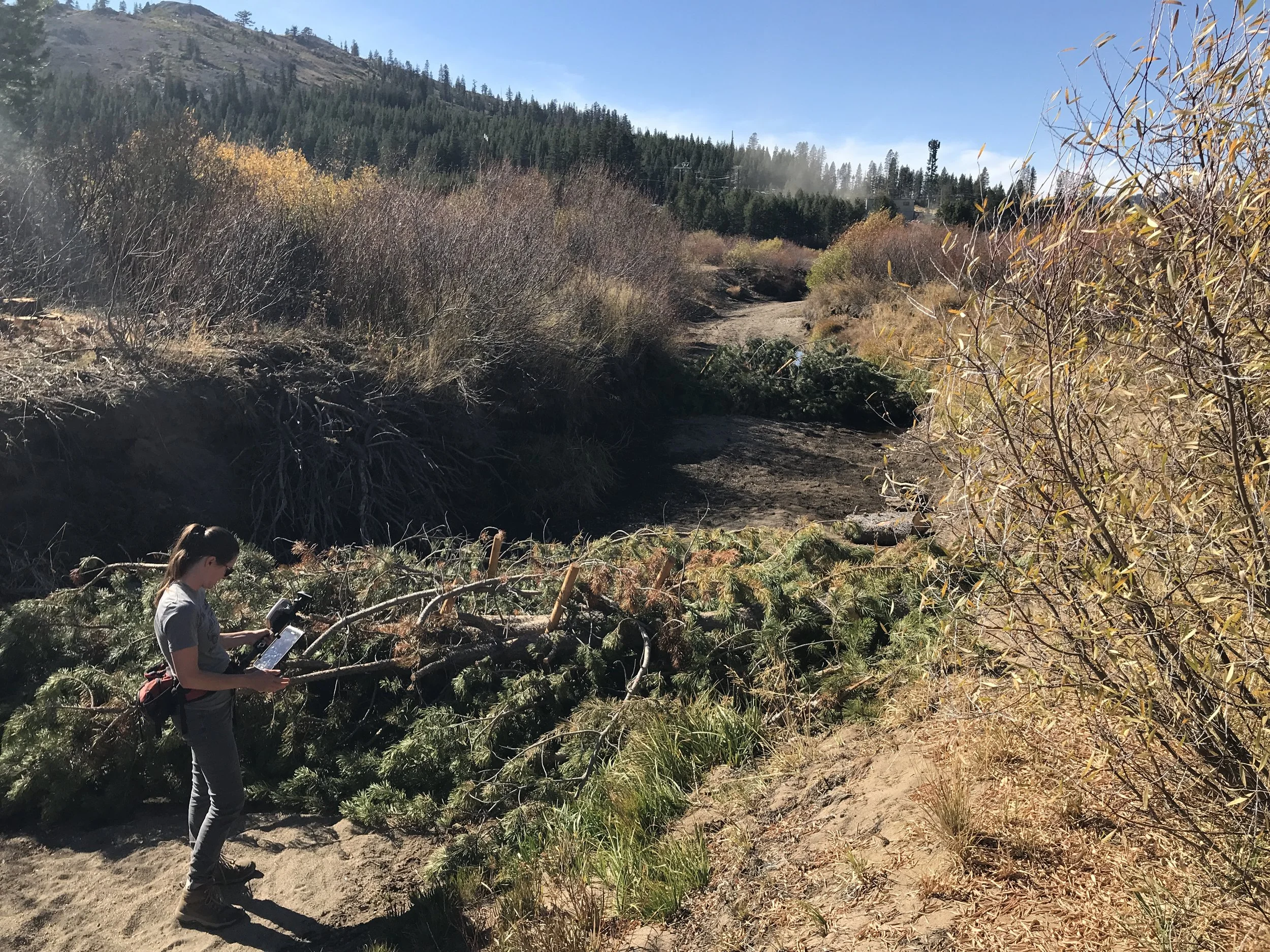
With $3.9 million in support from the Wetlands and Watershed Restoration Program, the South Yuba River Citizens League together with the Washoe Tribe and project partners are restoring 485 acres of the high-elevation meadow habitat in Placer and Nevada Counties. Project partners include the Tahoe National Forest/U.S. Forest Service (USFS), Wildlife Conservation Board, Truckee Donner Land Trust, UC Davis Center for the Watershed Sciences, Point Blue Conservation Science, University of Nevada Reno, and Nevada County.

California Department of Forestry and Fire Protection
A collaborative of landowners led by the San Diego Fire Safe Council and the Resource Conservation District of Greater San Diego County is implementing a landscape-scale restoration project aimed at improving forest health on Palomar Mountain. Forests in San Diego county have experienced heavy losses from catastrophic fires and invasive pest infestations. Now at the home of one of San Diego county’s last mixed conifer forests, project partners are working to ensure Palomar Mountain’s forests are resilient to future wildfires.

California Department of Forestry and Fire Protection
A $5 million CAL FIRE Forest Health Program grant is supporting the Western Klamath Restoration Partnership in their efforts to restore fire resilience at the landscape scale along the Klamath River. This project is part of a larger effort by the Western Klamath Restoration Partnership to improve forest health and resilience across a 1.2 million acre planning area that includes much of the Karuk Tribe’s ancestral homelands.

State Coastal Conservancy
Thanks to $488,760 from the Climate Ready Program, the Big Sur Land Trust has taken a big step towards transforming Carr Lake into a new park and greenspace for residents in the heart of the City of Salinas. The community has long imagined transforming Carr Lake into a multi-benefit green space, serving as a “central park” in the heart of Salinas.

The Blue Carbon at Elkhorn Slough Project is restoring 66 acres of rare salt marsh habitat and native plants while buffering the surrounding areas against future sea level rise. The Tidal Wetland Program at the Elkhorn Slough National Estuarine Research Reserve guided the project with input from more than 100 local partners, scientists, regulators, and community members.
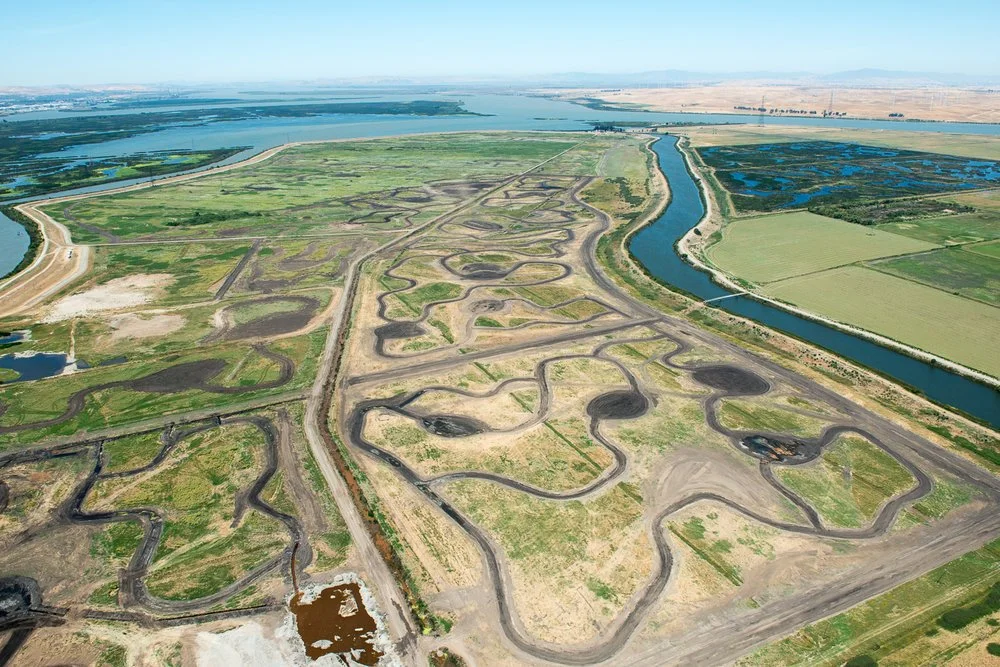
The San Joaquin-Sacramento River Delta is the cradle which nurtures the drinking water supply of more than 23 million Californians and much of the state’s farm land. But measurements show land on Sherman Island has sunk as much as 28 feet below sea level as the State’s population and demand for water have grown. That’s why California Climate Investments is providing more than $10 million to improve the situation.

With help from a $680,974 grant from California Climate Investments through the Wetlands & Watershed Restoration Program, the Sierra Fund and project partners are carrying out multi‑benefit restoration efforts at the 2,655‑acre Clover Valley Ranch. Initiated in 2017, this project will sequester nearly 188,000 metric tons of carbon dioxide equivalent while halting stream incision; increasing biodiversity; and improving hydrologic function, flood reduction, sediment filtration and water quality. However, the goal of this project extends beyond of ecosystem function and carbon sequestration benefits; these activities will also support community and cultural resilience through the promotion of cultural skills and activities.

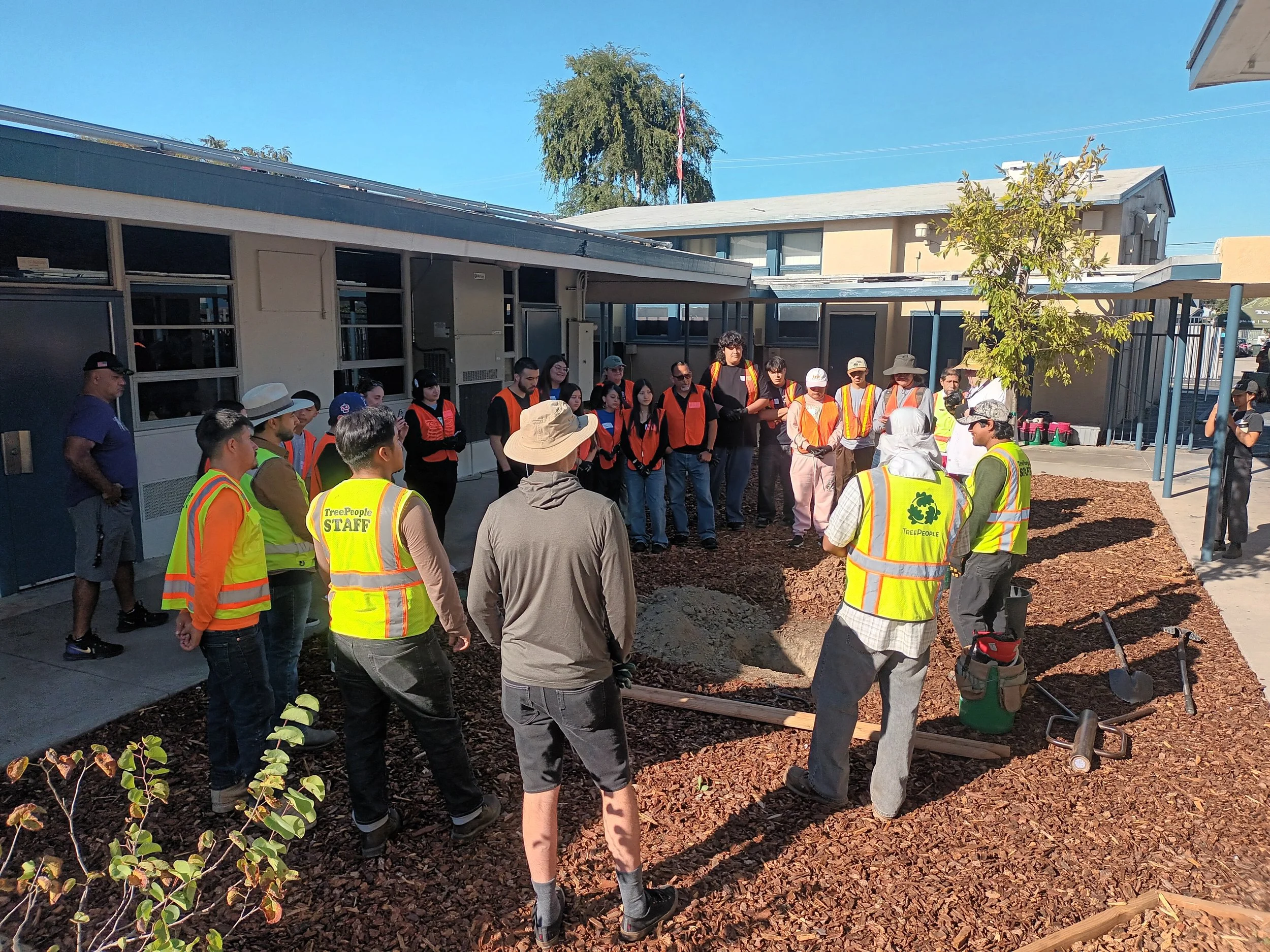
Nestled along Little Sandy Creek along the northern edge of Fresno County sits the Town of Auberry. To prevent catastrophe from hitting the communities on the western edge of the Sierra National Forest, the California Department of Forestry and Fire Protection partnered with the California Conservation Corps to reduce the flammable woody material in the area.

In the fifth round of its Sustainable Agricultural Lands Conservation program, the California Strategic Growth Council approved a $1,550,000 grant from California Climate Investments to the Land Trust of Santa Barbara County to purchase an easement that will permanently protect the 999‑acre Jalama Cañon Ranch. This year, with support from the California Department of Conservation and in partnership with the White Buffalo Land Trust, the Land Trust of Santa Barbara County focused on laying the groundwork for the agricultural easement so it can protect these agricultural and natural lands from conversion to more greenhouse gas‑intensive uses.

The Brazelton family, in partnership with the Solano Land Trust, will ensure the Brazelton ranch in Vacaville remains intact in perpetuity by placing their property under a conservation easement. Conservation of farmlands that surround urban areas helps promote infill development, avoid GHG emissions, and maintain a viable agricultural economy in the region.

The Sustainable Agricultural Lands Conservation Program (SALC) has awarded three consecutive years of funding to the Land Trust of Napa County to protect nearly 13,000 contiguous acres of grazing lands and oak woodlands along the eastern edge of Lake Berryessa in Napa County.

The Climate Adaptation and Resilience Program awarded a grant of $512,000 from California Climate Investments to Audubon California to assist ranchers in transitioning to more regenerative grazing approaches through a ranch certification program.
STAY UP TO DATE. Sign up for the California Climate Investments newsletter to receive program updates, news, events and more.