
Programs for Individuals
Individuals can save money on transportation, energy and heating expenses while helping California reduce greenhouse gas emissions. Learn about open funding opportunities, resources to help you learn more about California Climate Investments and how to apply for funds, and read stories of funded projects benefiting individuals.
Funding Opportunities for Individuals
The programs listed below have funding available now or will offer funding in the near future. You can save or print the list of programs with funding available now using the buttons below.
We encourage you to also view all programs available to individuals, including both open and closed programs. Learning about programs early can help with planning for future funding rounds.

Funds placement of full-time service members with public agency, nonprofit, tribal, and educational institution partners to support community engagement efforts.
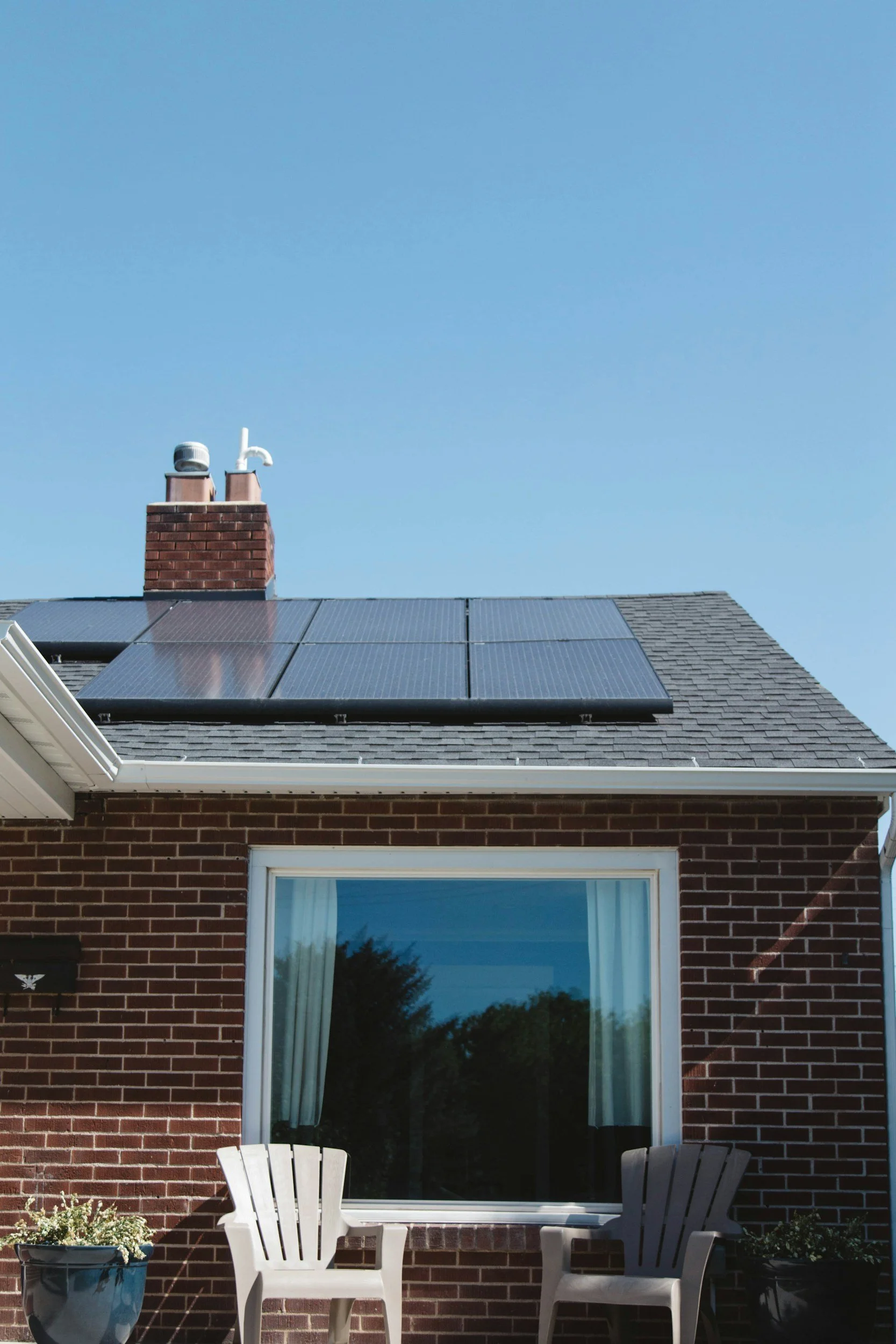
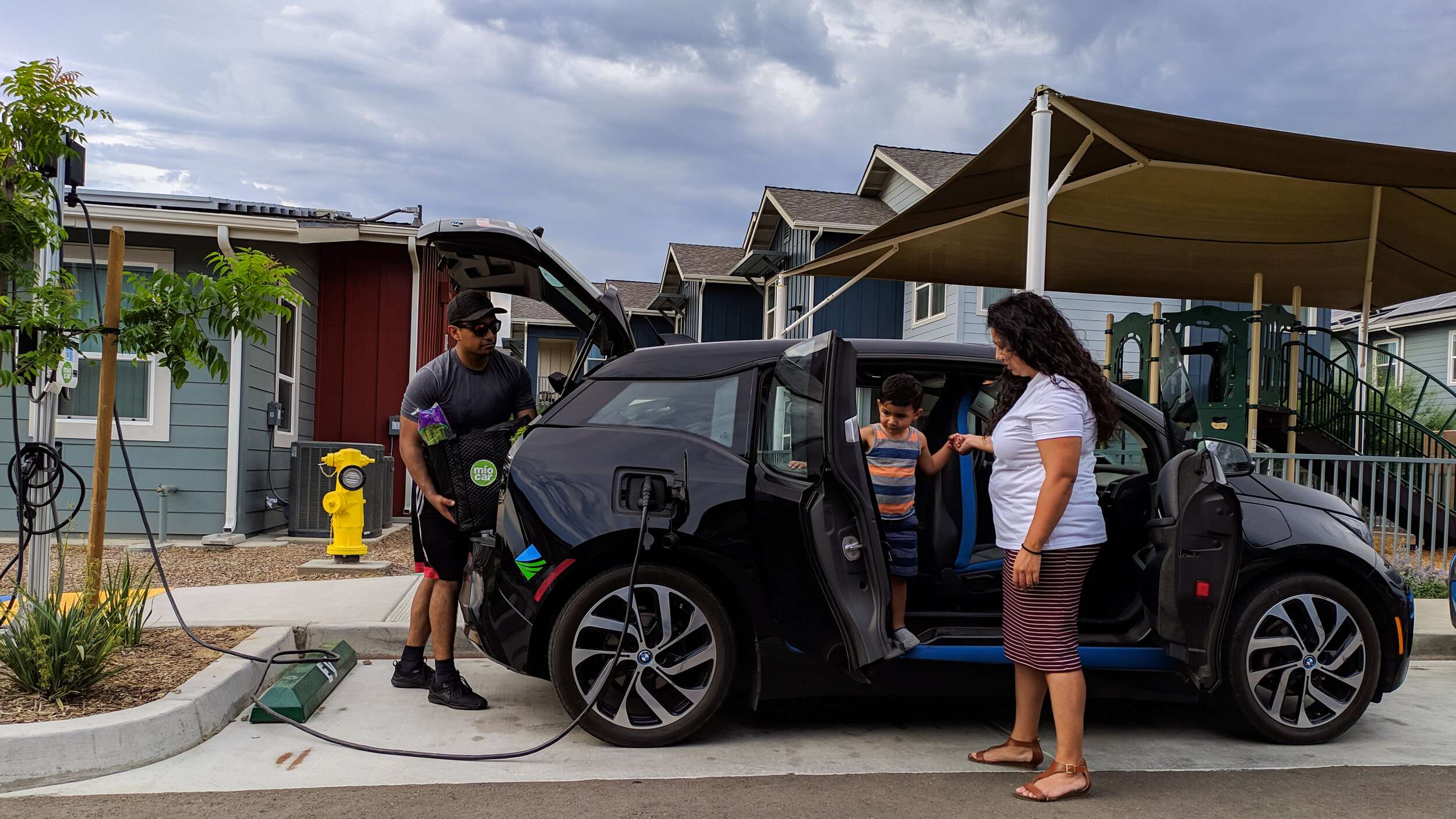
Financial incentives for installation of solar photovoltaic and energy storage systems in low-income households.

Financial incentives for planning, purchase, and installation of publicly available charging equipment.


Financial incentives for contractors installing heat pumps and heat pump water heaters to customers.

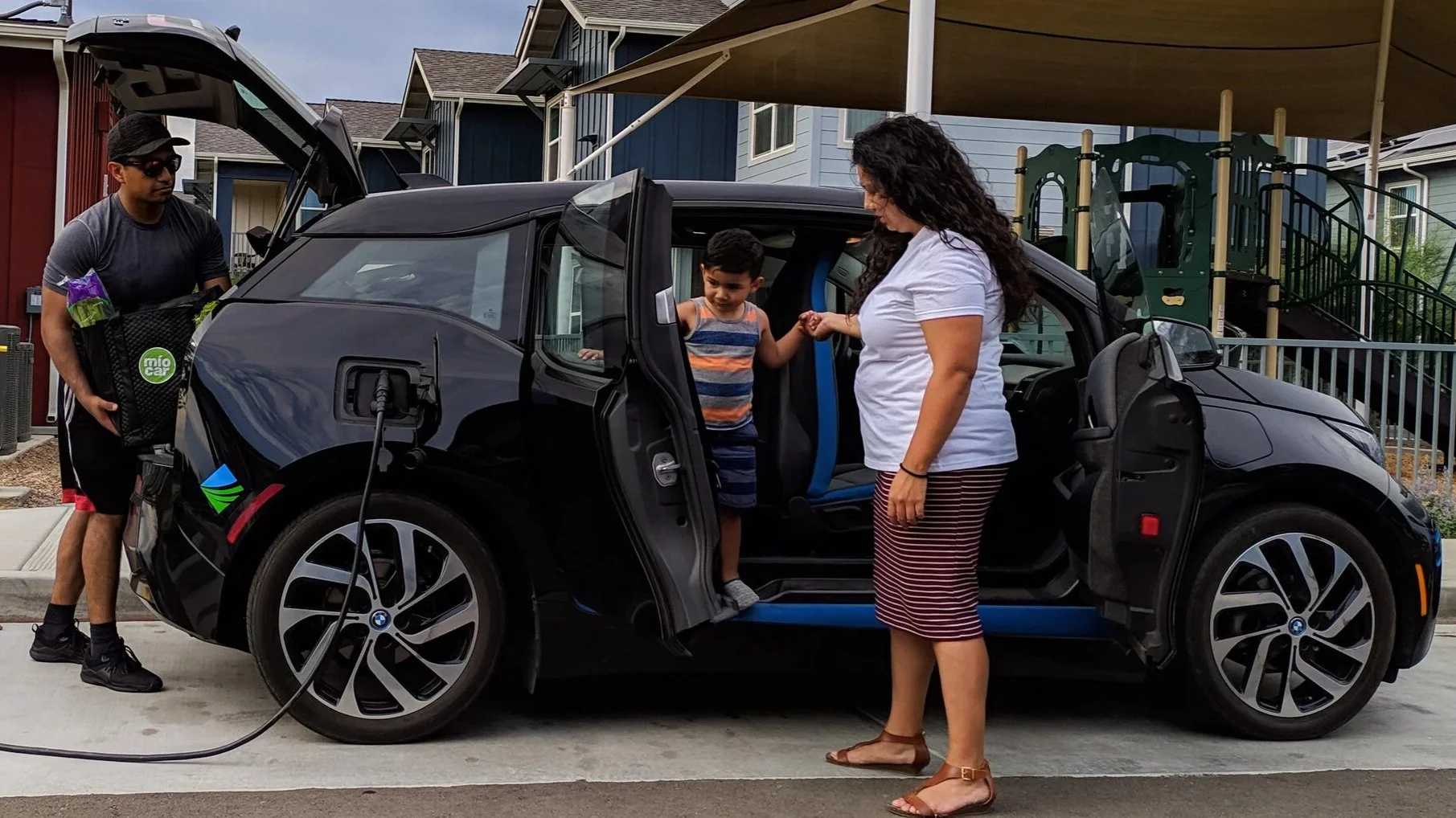
Incentives to retire gas vehicles and replace them with hybrid and zero-emission vehicles or alternative mobility options.

Vouchers for clean truck and bus fleet purchases for public transit and innovative small e-fleets.

Grants that support mobile source air pollution reduction measures for communities identified through the AB 617 Community Emissions Reduction Programs.

Grants for low-income consumers to purchase or lease a new or used hybrid, plug-in hybrid, or electric vehicles.

Financial incentives for homeowners to replace wood stoves and fireplaces with cleaner home heating devices.

Funds development of a Forest Management Plan and Registered Professional Forester supervision of reforestation, stand improvement, conservation, and habitat improvement activities.

Funds no-cost energy conservation measures in income-qualified farmworker households in select counties.

Funds coverage of losses resulting from a prescribed or cultural burn that escaped control.

Funds water system consolidation, operation and maintenance costs, and planning activities for small water systems.
Resources for Individuals

California Air Resources Board
Collection of resources for California Climate Investments administering agencies, prospective applicants, grantees, and public audiences.

California Air Resources Board
Calendar containing upcoming California Climate Investments funding timelines, public participation opportunities such as workshops, public comment periods, listening sessions, and more.

California Air Resources Board
You can save money on transportation, energy and heating expenses while helping California reduce greenhouse gas emissions

California Air Resources Board
Puede ahorrar dinero en gastos de transporte, energía y calefacción mientras ayuda a California a reducir las emisiones de gases de efecto invernadero.

California Air Resources Board
Community Connections is a tool to help organizations and agencies find partners interested in California Climate Investments. Partnerships ensure that project proposals reflect the perspectives needed to build resilient communities and implement meaningful investment.

California Strategic Growth Council
The Hub is designed to enable practitioners, policymakers, and communities at any point in their racial equity journey to increase access and understanding to relevant resources and best practices.

California Air Resources Board
California Climate Investments light duty, heavy duty, and clean mobility project snapshots and lessons learned.
Investments in Action: Projects Funding Individuals

In 2020, Sarah Light, agronomy advisor at the University of California Cooperative Extension, partnered with the Colusa County Resource Conservation District, Davis Ranch, Richter Ag, and the United States Department of Agriculture Natural Resource Conservation Service to apply for a CDFA Healthy Soils Program Demonstration Grant. The team received $99,832 of grant funding to conduct a demonstration project on cover crops on two fields in the Sacramento Valley from fall 2020 to spring 2024.
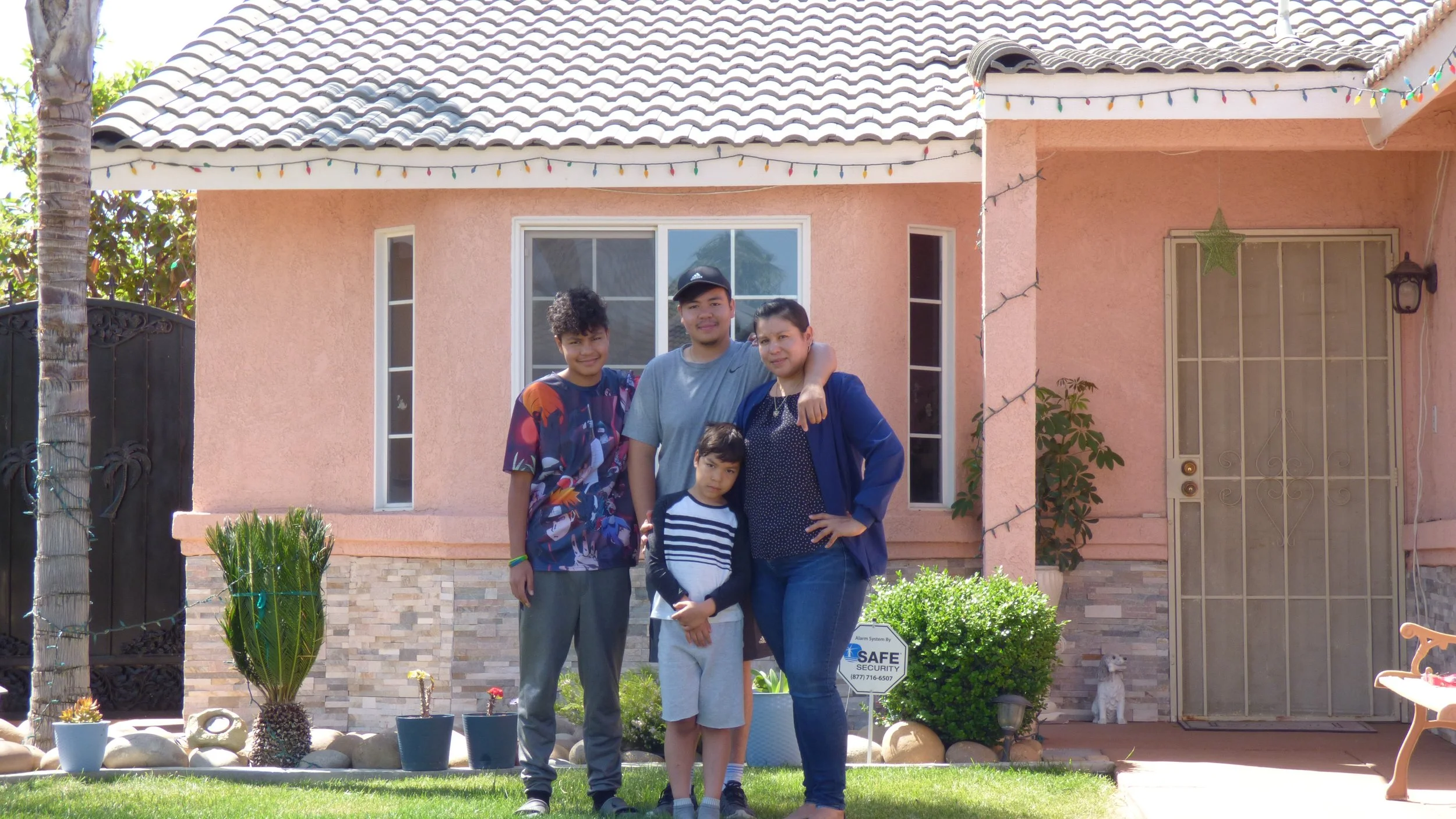
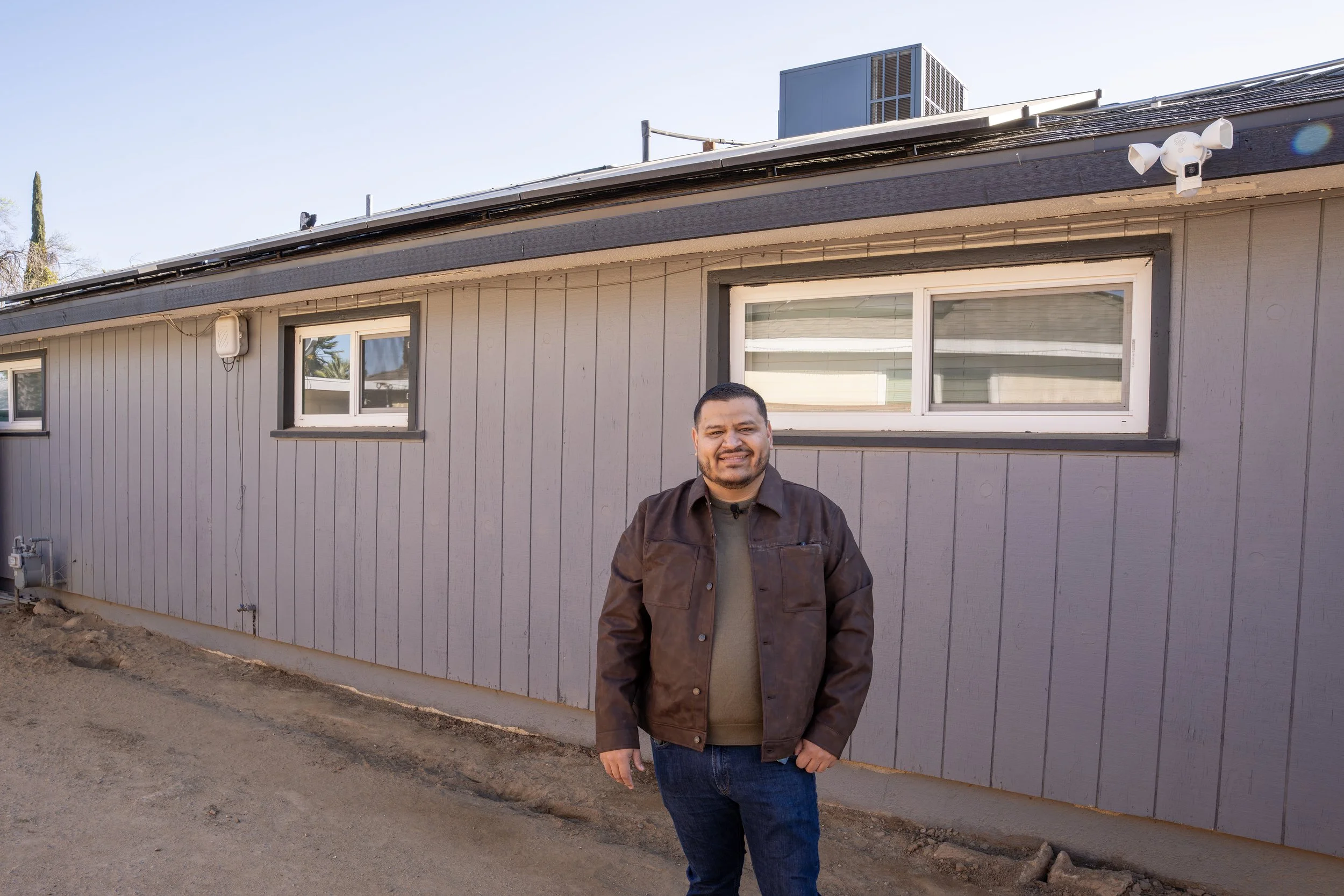
Thanks to funding from California Climate Investments through the Low-Income Weatherization Program (LIWP), Rocio Hernandez and her family reduced their home energy costs by installing a new rooftop solar system and energy efficiency upgrades. At first, Mrs. Hernandez thought the referral flyer her husband brought home after work as a seasonal farmworker during the grape harvest in Delano was too good to be true. A local farmworker agency provided information about the LIWP Farmworker Housing Component, a California Climate Investment program focusing exclusively on the installation of energy efficiency measures and solar photovoltaics (PV) to reduce greenhouse gas emissions for farmworker households at no cost.

More than 54 Butte County households have replaced their old woodstove or stove insert with a new, cleaner alternative that heats their home, improves indoor air quality, and reduces emissions of greenhouse gases, harmful particulates, and black carbon, a particularly potent climate pollutant, thanks to vouchers provided by the Woodsmoke Reduction Program. Among the residents who have benefitted from the program are Dennis and Deb, who replaced their 1979 woodstove insert, and Riki, who replaced the woodstove that came with their farmhouse, built before 1900.

The Partners Advancing Climate Equity (PACE) pilot program is a capacity-building program administered by the California Strategic Growth Council and funded by the Greenhouse Gas Reduction Fund. The year-long pilot program began in 2021 and supported 22 participants – all local leaders deeply rooted in their communities across the state – and sought to increase their ability to advance equitable and community-driven climate solutions.

Jolene was approved for a voucher covering the entire cost of a new wood stove and its installation.

More than 1,900 households in the San Gabriel Valley are saving money, water and energy through a new rebate program supported by Cap-and-Trade dollars.

Mrs. Rojas and her family now have a solar photovoltaic system and energy efficiency upgrades in their home, including a high efficient air conditioning system, new windows that minimize heat transfer, a smart thermostat, and other measures that reduce energy costs while improving the comfort and livability of their home and its resiliency to climate change.
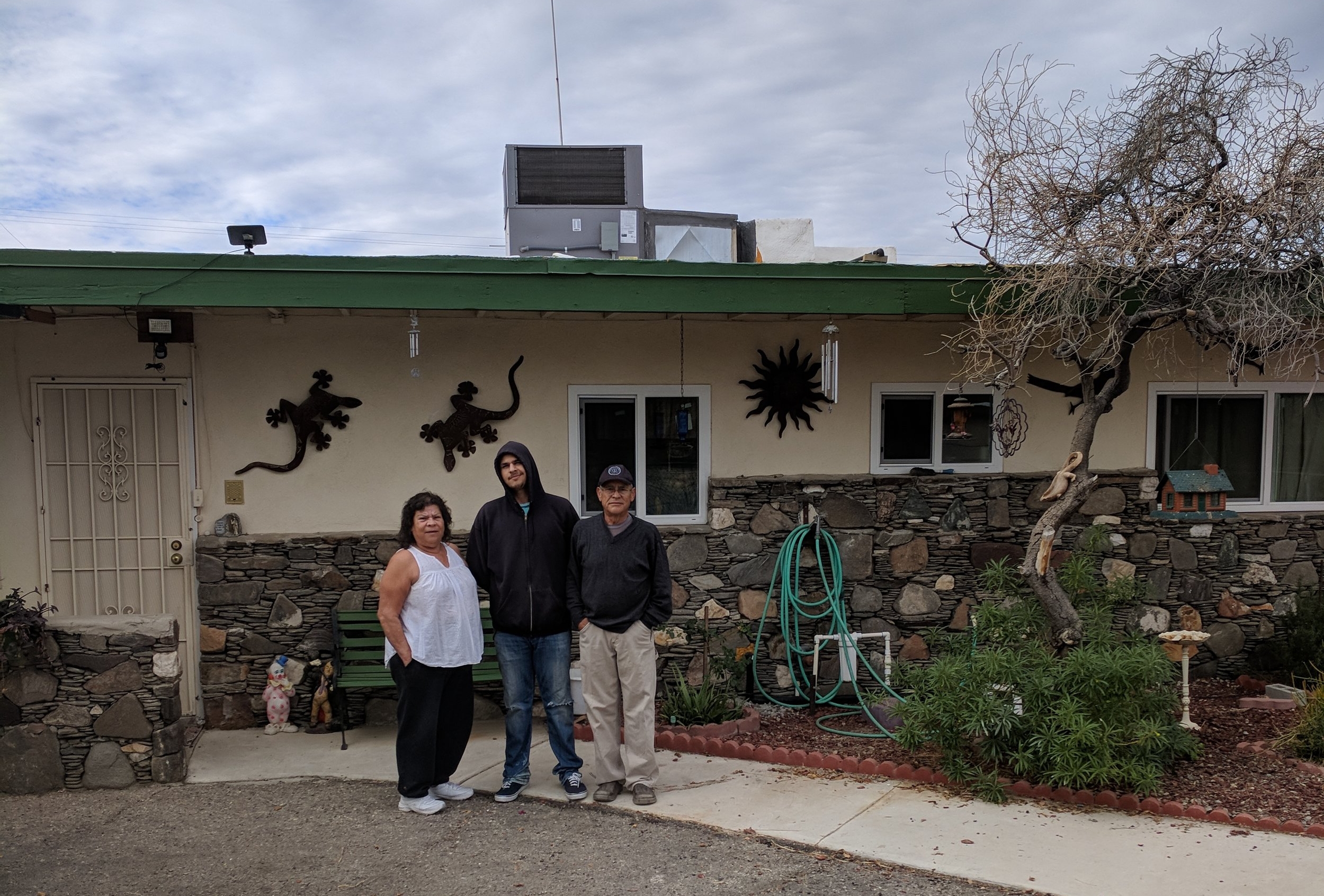
For years, Irma Vargas’ family of four struggled to pay the high utility bills that come with living on the north shore of the Salton Sea in Mecca while still maintaining a comfortable and healthy home for their children. The family’s limited income made the $400 per month bill nearly impossible during the summer months when temperatures can exceed 110°F in their Riverside County community.

Car shoppers in San Diego can now get pre-approved before they purchase or lease an EV and then transfer the rebate amount directly to the dealership rather than applying for the rebate after the transaction. In just a few simple steps, the car dealership can claim the transferred rebate and use it to lower the customer’s down payment.
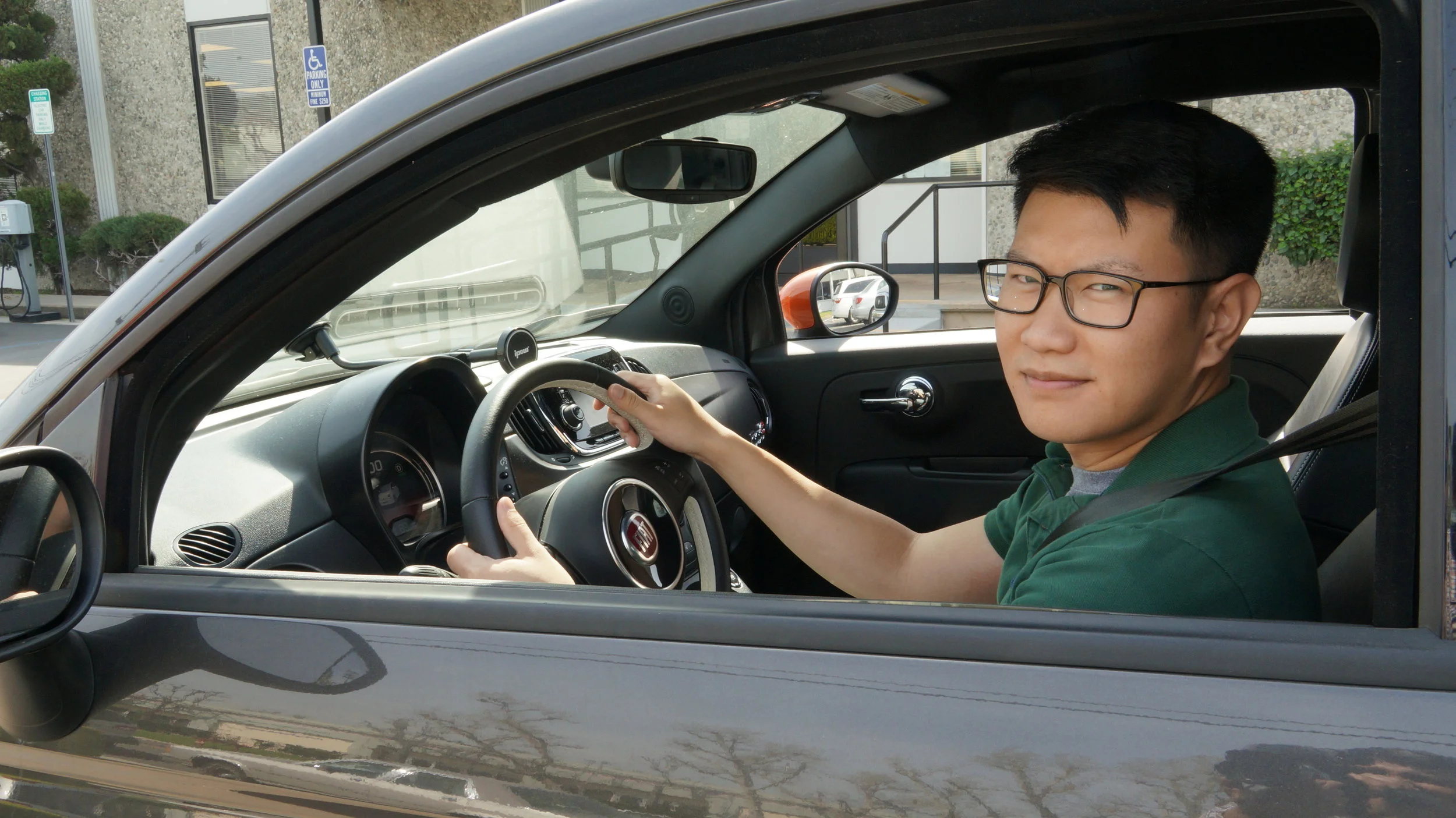
Clean cars are a cool and growing trend in California. Each month, California moves closer towards its goal of five million ZEVs by 2030 – with more than 367,000 on the road as of February 2018. This trend is happening as more drivers, like Jimmy Chang, become aware of the benefits clean vehicles bring to the environment and to their pocketbooks, and learn about the programs available to make cleaner vehicles more to accessible to all Californians.
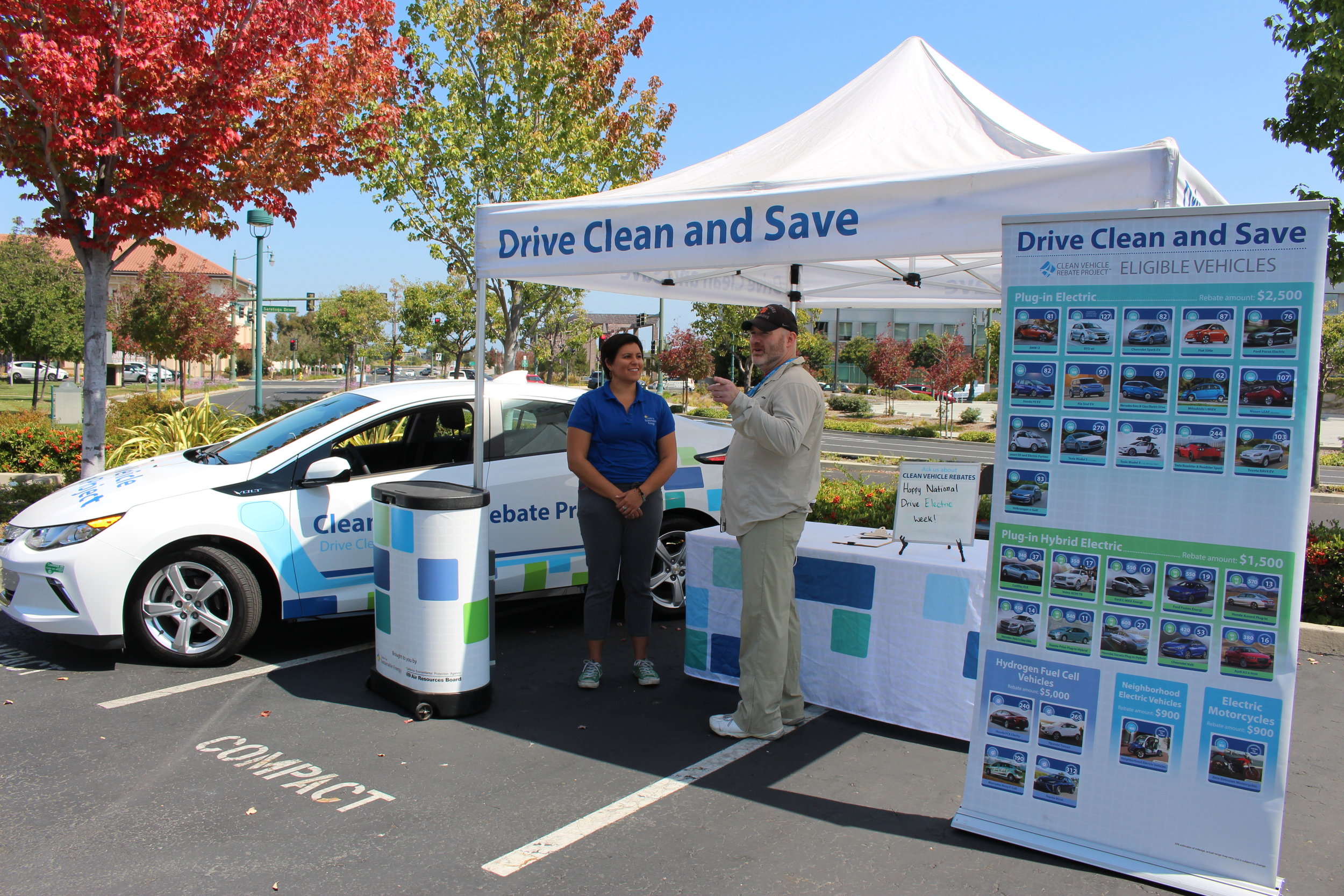
The State’s Clean Vehicle Rebate Project (CVRP), which is now primarily supported by Cap-and-Trade dollars, promotes clean vehicle adoption by offering rebates of up to $7,000 for the purchase or lease of new, eligible zero-emission vehicles, including electric, plug-in hybrid electric and fuel cell vehicles. Eligible California residents can follow a simple process to apply for a CVRP rebate after purchasing or leasing an eligible vehicle.

Eugene is looking forward to a career in the energy industry. He is one of several dozen members of the California Conservation Corps (CCC) making a difference in their community, improving the environment, and developing marketable job skills.

Community College students help to inform their campuses and communities about the opportunities and benefits of Climate Investments.

California Community College students help to inform their campuses and communities about the opportunities and benefits of Climate Investments.

After facing increasingly unaffordable energy bills year-after-year, Milton, a Sacramento County resident, learned about the State’s low-income solar program offered through the Sacramento Municipal Utility District (SMUD). He became interested in the program and was one of many residents that benefited from this assistance

Ignacio Hernandez says he would have never thought about buying a hybrid vehicle, but getting a Clean Cars 4 All voucher from the Bay Area Air Quality Management District (District) enabled him to afford a cleaner, newer car.

Mark Panes cut his monthly gas bill to a quarter of what it was after learning about a pilot program in Southern California that ultimately helped him afford a battery-electric plug-in hybrid car.

Jerome Mayfield had an old pickup truck that failed smog, but thanks to a scrap-and-replace pilot program in the San Joaquin Valley he’s now the proud owner of a zero-emission 2013 Nissan Leaf.

Marie Deer, an Oakland resident, went from not having a car to acquiring a pre-owned 2015 Honda Insight, a hybrid vehicle that she was able to afford through a financing assistance program available to low income Bay Area residents who live in disadvantaged communities most impacted by air pollution.
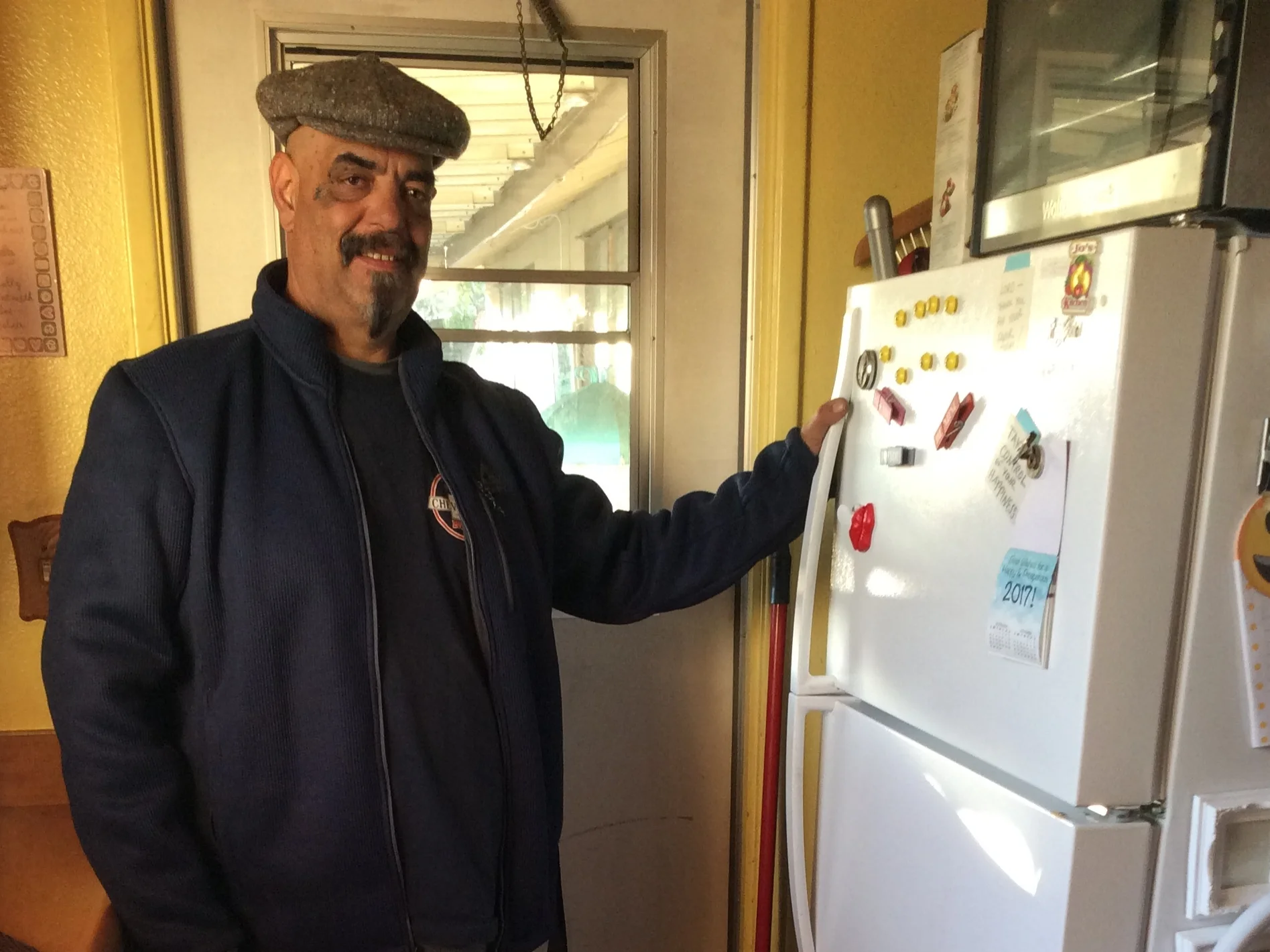
Jose, a senior citizen whose home is located in Southern California, was having difficulties paying his electricity bill. The final straw came one day in April 2016 when he received a notice from Anaheim Public Utilities stating that his electricity service would be disconnected if he did not pay his overdue balance of $292.57 by close of business—a situation that led him to seek assistance.
STAY UP TO DATE. Sign up for the California Climate Investments newsletter to receive program updates, news, events and more.