

Programs for Businesses
Businesses can receive funds to reduce climate pollution through clean transportation, waste prevention, clean air initiatives, and more. Learn about open funding opportunities, resources to help you learn more about California Climate Investments and how to apply for funds, and read stories of funded projects led by businesses.
Funding Opportunities for Businesses
The programs listed below have funding available now or will offer funding in the near future. You can save or print the list of programs with funding available now using the buttons below.
We encourage you to also view all programs available to businesses, including both open and closed programs. Learning about programs early can help with planning for future funding rounds.

Technical assistance for small, disadvantaged communities to address drinking water, wastewater, stormwater, or groundwater needs.

Financial incentives for planning, purchase, and installation of publicly available charging equipment.

Financial incentives for EV charging stations with priority for shovel-ready projects in disadvantaged and low-income communities.

Financial incentives for installation of all-electric appliances, energy efficiency and weatherization measures, and related building upgrades in low-income communities.

Grants that support food processors in implementing projects that reduce on-site energy consumption and greenhouse gas emissions.

Financial incentives for contractors installing heat pumps and heat pump water heaters to customers.

Vouchers toward the purchase of zero-emission equipment used in off-road freight transport. This can include forklifts, transport refrigeration units, gantry cranes, and terminal trucks.

Vouchers for clean truck and bus fleet purchases for public transit and innovative small e-fleets.

Grants that support mobile source air pollution reduction measures for communities identified through the AB 617 Community Emissions Reduction Programs.

Funds installation of ultra-low global warming potential refrigerant technologies and refrigeration system retrofits in newly constructed and existing supermarkets.

Funds development of a Forest Management Plan and Registered Professional Forester supervision of reforestation, stand improvement, conservation, and habitat improvement activities.


Funds coverage of losses resulting from a prescribed or cultural burn that escaped control.

Funds water system consolidation, operation and maintenance costs, and planning activities for small water systems.
Resources for Businesses

California Air Resources Board
Collection of resources for California Climate Investments administering agencies, prospective applicants, grantees, and public audiences.

California Air Resources Board
Calendar containing upcoming California Climate Investments funding timelines, public participation opportunities such as workshops, public comment periods, listening sessions, and more.

California Air Resources Board
Businesses can receive funds to reduce climate pollution through clean transportation, waste prevention, clean air initiatives, and more.

California Air Resources Board
Empresas pueden recibir fondos para reducir la contaminación climática a través de transporte limpio, prevención de desechos, iniciativas de aire limpio y más.

California Air Resources Board
Community Connections is a tool to help organizations and agencies find partners interested in California Climate Investments. Partnerships ensure that project proposals reflect the perspectives needed to build resilient communities and implement meaningful investment.

California Strategic Growth Council
The Hub is designed to enable practitioners, policymakers, and communities at any point in their racial equity journey to increase access and understanding to relevant resources and best practices.

California Air Resources Board
California Climate Investments light duty, heavy duty, and clean mobility project snapshots and lessons learned.
Investments in Action: Projects Funding Businesses

California Air Resources Board
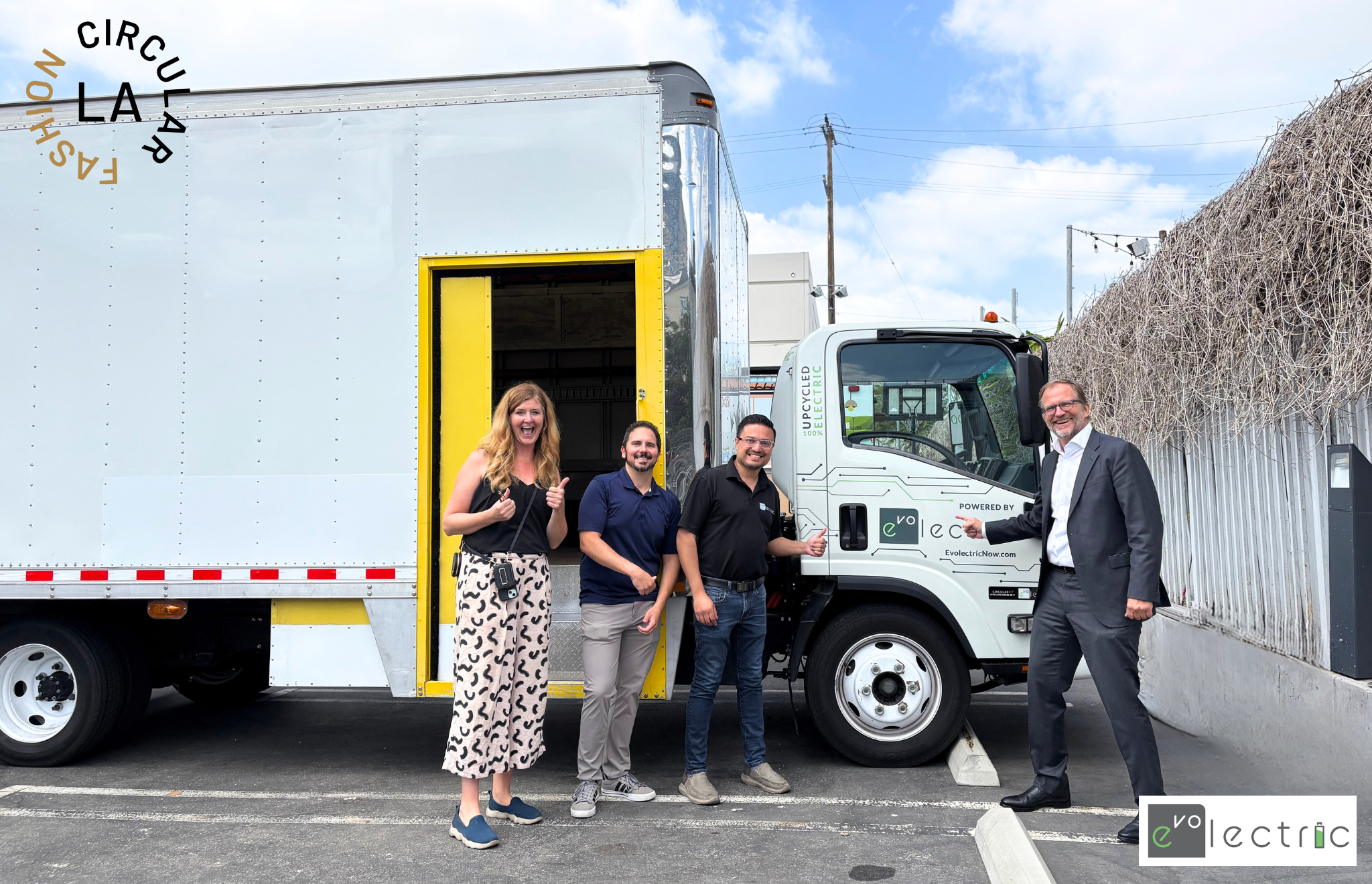
In August 2023, the California Air Resources Board (CARB) and transportation nonprofit CALSTART launched Cal Fleet Advisor, which offers free technical assistance to help owners and operators integrate more zero-emission medium- and heavy-duty vehicles into their fleets. The program, which receives California Climate Investments funding as part of the administration of the Clean Truck and Bus Voucher Incentive Project (HVIP), provides helpful services to ease the transition to cleaner technology for fleets across the state.

California Department of Resources Recyling and Recovery
The Organics Grant Program began allocating California Climate Investments funding to in-vessel composting projects for the first time ever in its most recent solicitation. We were able to interview two grantees, from California State University – Sacramento (CSUS) and the University of Southern California (USC), about their projects and how in-vessel composting will change waste processing at their site and positively impact their communities.

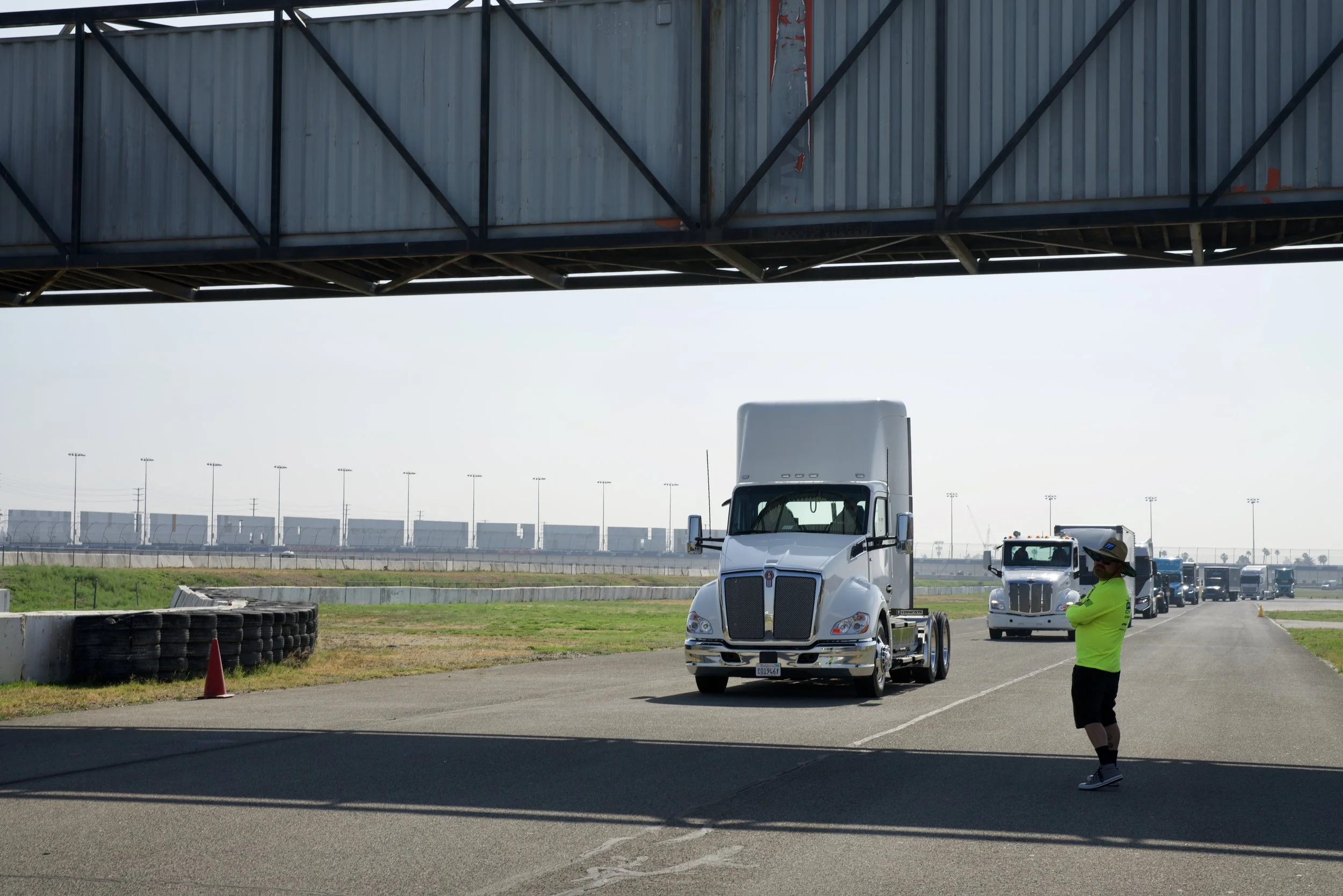
The Clean Truck and Bus Voucher project, also known as HVIP, has been a key facilitator in achieving California’s long‑term strategy of transitioning its trucking fleet to zero‑emission vehicles (ZEV). This transformation has been a multiyear process, starting with demonstration and pilot projects and moving to regulations combined with incentives.
California Department of Resources Recycling and Recovery
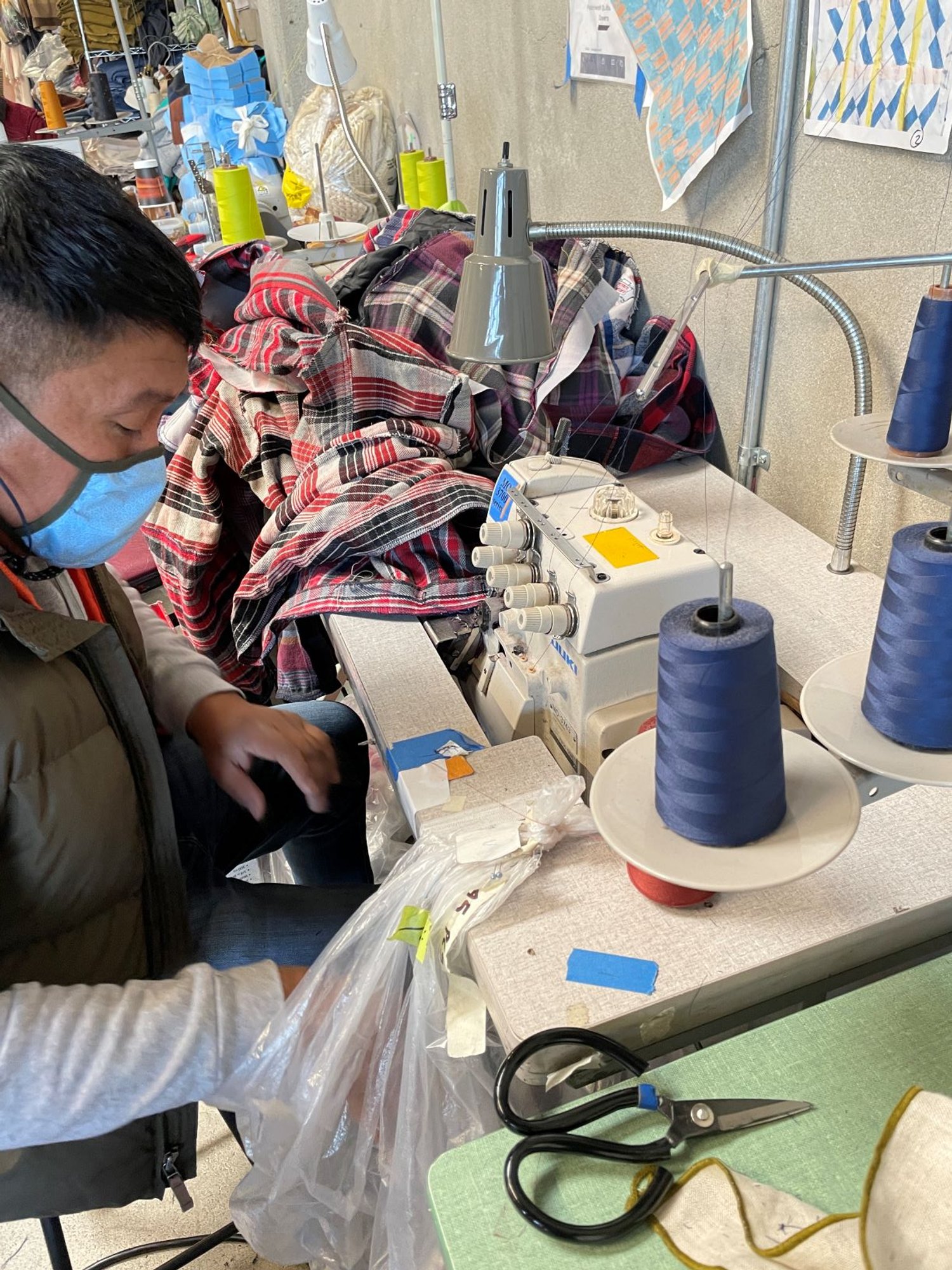
Thanks to $1,315,378 from the Recycled Fiber, Plastic and Glass Grant Program, Suay is expanding their operations diverting textiles from landfills. Suay is a closed-loop recycling operation in Los Angeles that collects used garments and cleans, repairs, and re-sews these textiles remaking them into new products. The finished products are repaired clothing and remade products, such as pillows and dog beds that use stuffing from shredded garments that could not be repaired.

In 2019, the California Energy Commission awarded Pacific Coast Producers (PCP), the largest tomato canning facility in the country, a $5,721,713 grant from the Food Production Investment Program (FPIP) under the state’s California Climate Investments program to install an advanced energy-efficiency evaporation technology at PCP’s Woodland facility. The grant was supplemented by $3,080,923 in match funding from PCP.


Kompogas SLO Inc. received $3 million through the Organics Grants program to build a high-solids anaerobic digester, to be known as the Lancaster Organic Waste Facility, at the existing Lancaster Landfill and Recycling Center in Antelope Valley. With this new anaerobic digester, Kompogas SLO Inc. will be able to process residential food and green waste collected by Waste Management Inc. throughout Antelope Valley, including in the cities of Lancaster and Palmdale, and turn it into renewable natural gas and high-grade compost.

Using $1.25 million from the Low-Carbon Economy Workforce program, the Expanding Energy Storage and Microgrid Training and Certification project is increasing the number of participating Electrical Joint Apprenticeship Training Centers from six to 21 centers located across the State. These training centers will help electricians and apprentices earn a certification demonstrating they have the skills to safely handle and diagnose modern energy storage systems and battery technologies.

The San Joaquin Valley Flexible Solutions for Freight Facilities project, supported with $22.6 million in funding from the Zero-and Near Zero-Emission Freight Facilities Project along with $22.6 million in matched funds from project partners, demonstrated advanced technologies on locomotives and hybrid and zero-emission equipment around rail yards. For one part of this multi-component project, the Wabtec Corporation designed, manufactured, and commissioned a battery-electric locomotive to operate in tandem with two diesel locomotives from BNSF Railway, operating like a hybrid vehicle.

SSA Marine received $4.82 million from the Clean Off-Road Equipment Voucher Incentive Project, also known as CORE, to purchase 20 zero-emission forklifts and charging infrastructure for their locations in Stockton and West Sacramento. This equipment will help reduce greenhouse gases and air pollutants in census tracts that are heavily burdened by diesel particulate matter and other air pollutants.

Thanks to $50,000 from the California Air Resources Board’s Fluorinated Gas Reduction Incentive Program, Stater Bros. Markets installed a climate-friendly refrigeration system at a new supermarket in Whittier that will result in a reduction of greenhouse gas emissions that is the equivalent to taking more than 1,000 vehicles off the road for one year. Since refrigerants are among the fastest growing climate pollutants worldwide it is important to have projects like this one to demonstrate that transitioning the grocery sector toward cleaner refrigerants is an effective strategy for mitigating climate change.

The Volvo Low Impact Green Heavy Transport Solutions (Volvo LIGHTS) project aims to get cleaner trucks on the road to transport goods from ports to the Inland Empire. This project includes 23 zero‑emission battery electric trucks, 29 off‑road battery electric tractors, and 58 Level 2 and direct current fast chargers.

More than 1,900 households in the San Gabriel Valley are saving money, water and energy through a new rebate program supported by Cap-and-Trade dollars.

The Allison Apartments, located in San Diego, were completely renovated and energy conserving refrigerators, LED lighting, and heat pump water heaters funded by LIWP were installed. Another CSD contracted partner, GRID Alternatives, installed an 87-kilowatt rooftop solar PV system and provided a workforce development opportunity to ten trainees, nine of whom subsequently found employment in the solar industry.

Imperial Western Products, Inc. is demonstrating how clean energy technology can help food processing facilities advance California’s climate and energy goals.

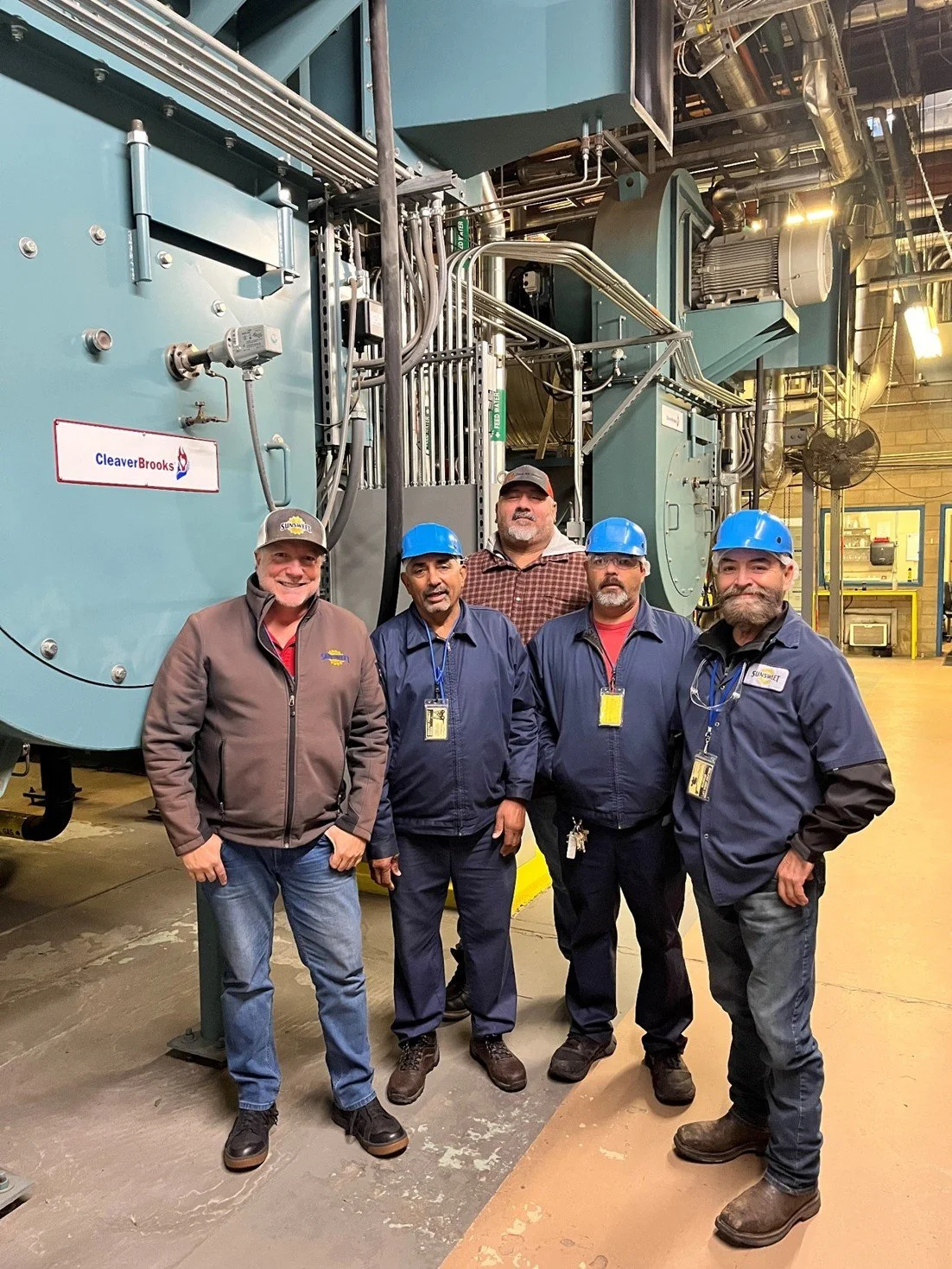
In 2019, Sun-Maid was awarded and matched an $806,000 grant to implement an optimized compressed air energy system at its dried fruit packing and processing facility in the city of Kingsburg.

Netafim Irrigation, Inc. received a total of $2,011,647 from California Climate Investment through the Recycled Fiber, Plastic, and Glass Grant Program. This money supports its operations as a closed‑loop recycling solution for used irrigation tubing that serves commercial farming operations in the Central Coast region of California. Netafim’s grant is expanding an established and successful recycling operation. As a result of this expansion in Netafim’s operations, the project is estimated to divert 83,059 tons of material from landfills and reduce greenhouse gas emissions by 66,447 metric tons of carbon dioxide equivalent.

Shark Solutions utilizes patented Shark Glass Separation technology, which processes flat laminated glass such as windshields, building glass, and safety glass.

Move over Farm-to-Fork! There is a new sustainability movement emerging in California that is reducing waste, cutting GHG emissions, and providing access to new green jobs in communities across the State. You can see it on display at Command Packaging’s manufacturing facility south of downtown Los Angeles in Vernon. Think of it as “Ag-to-Bag.”

Calgren Dairy Fuels (CDF) is the first California dairy digester pipeline cluster that upgrades dairy biogas to biomethane for utility pipeline injection. It is currently the only one of its kind in California, and with 20 digesters serving 22 dairies, it is the largest collective dairy biogas operation in the country.

The digester projects provide substantial environmental benefits by improving local air quality. Replacing the open-air lagoons of waste with a covered lagoon digester reduces manure-related emissions. Also, utilizing the methane in near-zero emissions natural gas vehicles replaces diesel vehicles and reduces NOX emissions by an estimated 90%.

SANCO Services received $3 million from California Climate Investments through the Organics Grants program to help fund equipment vital to the operation of a new anaerobic digestion system under construction at the Escondido Resource Recovery Transfer Station.

Rialto Bioenergy Facility, LLC (Rialto) received a $4 million grant to fund the installation of an anaerobic digester and a freezer to salvage food that would otherwise go to the landfill. These will both be important to the operational success of Rialto’s new Southern California facility, which is expected to recycle 300,000 tons of organic waste from the region annually.

The second phase of a massive $100 million organic waste recycling infrastructure project is now online in Riverside County. Southern California waste management and recycling company CR&R just doubled capacity to transform the region’s food and green waste into biofuel.

One of the most advanced composting operations in California is scaling up its operations in Fresno County. Early in 2017, Mid Valley Disposal is opening its new 10-acre, 68,000 square foot composting facility in Kerman, California. In addition to creating 47 new jobs in California’s agricultural heartland, the project serves as a model of sustainability in California’s innovative fight against climate change.
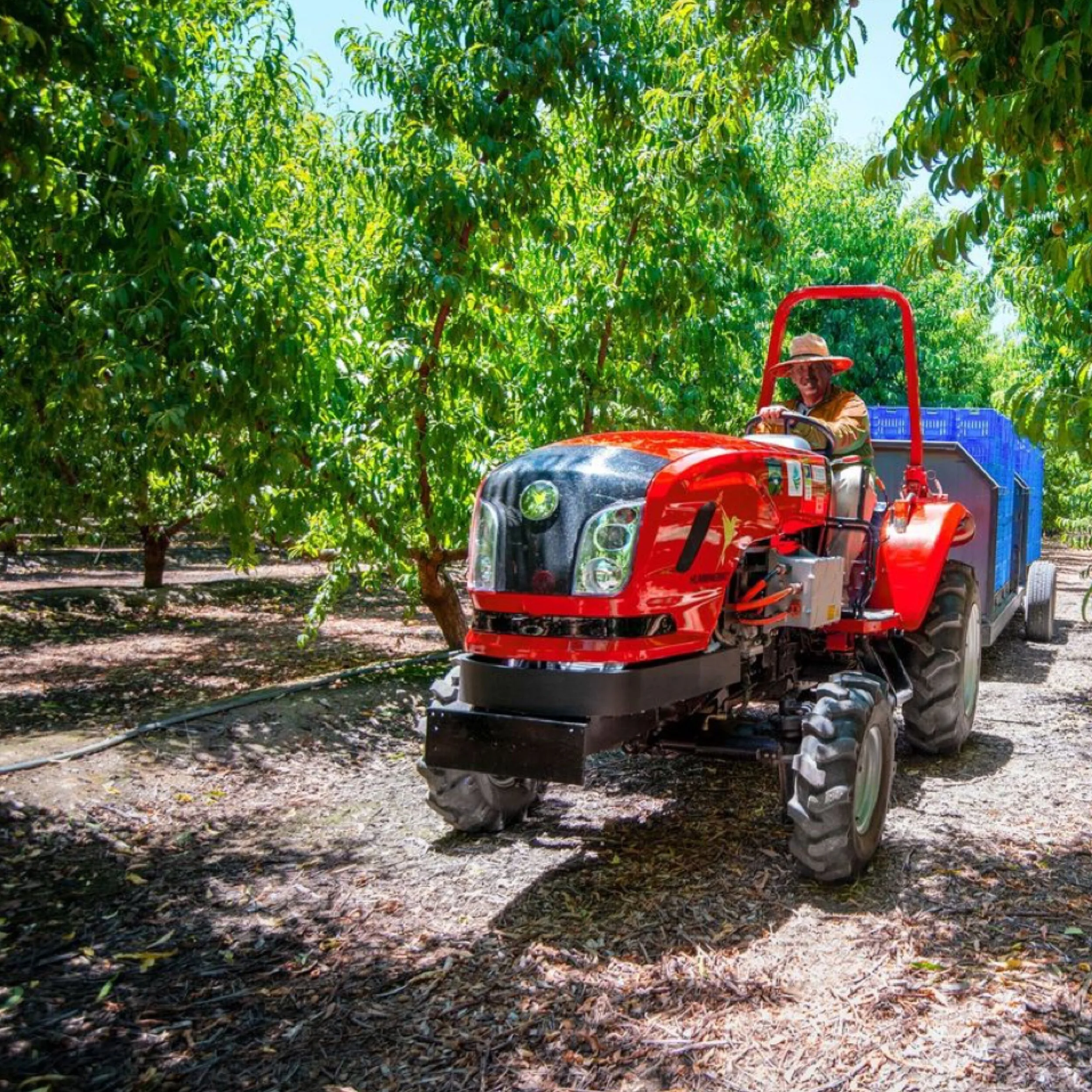
Project Clean Air, Inc., in collaboration with several partners, is implementing the San Joaquin Valley Electric Tractor Development and Demonstration project. Supported by $1.5 million in California Climate Investments funding, the project’s goals are to design, customize, develop, and test the first all‑electric agriculture tractors with in-field mobile charging supporting electric Class 6 trucks in California. By demonstrating the functionality of this fleet of electric vehicles, this project will help create a market for electric agricultural and freight equipment.
STAY UP TO DATE. Sign up for the California Climate Investments newsletter to receive program updates, news, events and more.