
Long Duration Energy Storage
California Energy Commission
What does it fund?
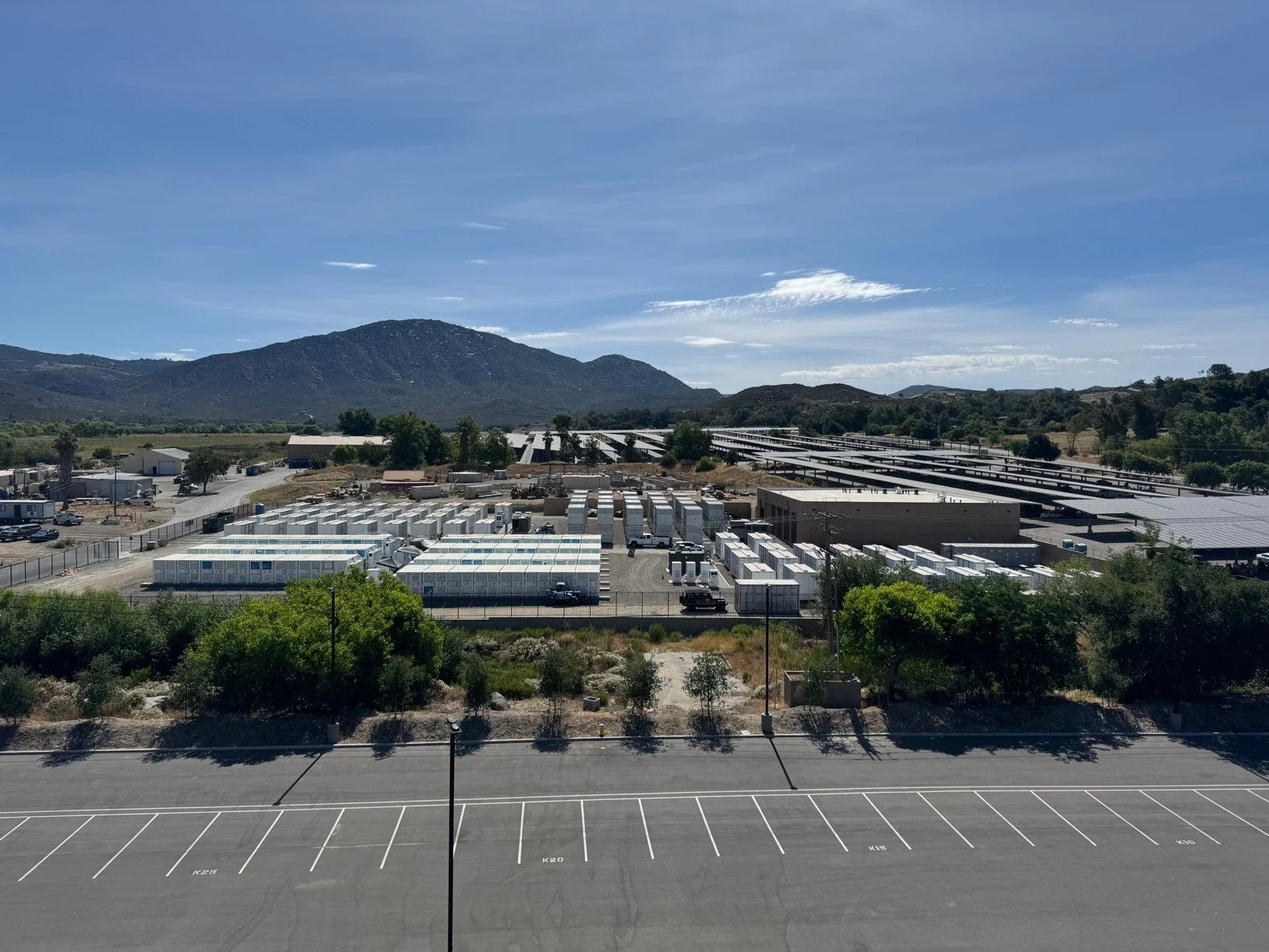
The Long Duration Energy Storage (LDES) Program invests in the demonstration and deployment of non-lithium-ion long duration energy storage technologies across California, paving the way for opportunities to foster a diverse portfolio of energy storage technologies. These technologies will be vital in supporting the integration of intermittent renewable energy to enable a decarbonized, affordable, and reliable grid.
Who is eligible for funds?
Projects that demonstrate a non-lithium-ion energy storage system with a power rating of at least 1 MW capable of discharging for 8 hours or longer
How does this program provide benefits to priority populations?
Disadvantaged communities across California are disproportionately impacted by energy inequality. The LDES Program prioritizes projects that contribute affordable and reliable power for tribal and low-income communities and supports establishing energy sovereignty for these communities. As a part of these efforts, the LDES program has funded two non-lithium-ion energy storage microgrid projects which represent the largest grants the state has ever awarded to benefit California Native American tribes, with a $32M grant benefitting the Paskenta Tribe of Nomlaki Indians and a $43 million grant benefitting the Viejas Band of Kumeyaay Indians.
How do I access funds?
There are no competitive funding opportunities available at this time.
Funding timeline
All current GGRF funding for the LDES Program is scheduled to be encumbered by June 2026.
Cumulative Statistics
As of February 2026
$206 million implemented
$107 million benefiting priority populations
360 MWh of energy storage capacity funded