

Each year, hundreds of Californians work to improve the health and wellbeing of their communities by spearheading California Climate Investments projects, which are designed to support a more sustainable, more resilient future. Learn what these projects have accomplished in the San Joaquin Valley counties of Fresno, Kern, Kings, Madera, Merced, San Joaquin, Stanislaus, and Tulare.
Cumulative Investments in the
San Joaquin Valley
As of October 31, 2025
$2.9 billion total implemented funds
19% of statewide California Climate Investments funding
93,005 projects
$2.3 billion benefiting priority populations
77% of funds benefiting priority populations
35,660,768 MTCO2e estimated GHG emissions reductions
50,407 tons estimated criteria air pollutant reductions
2025 Achievements
Reporting period: Dec 1, 2024 – Oct 31, 2025
$485 million in newly implemented funds
6,712 new projects

What does this mean for you?
Here is some of what our 2025 grantees are bringing to the region:
2,159 acres of land conservation or restoration
159 million gallons of water savings
50 million gallons of renewable fuel generation
San Joaquin Valley Climate Investments in Action
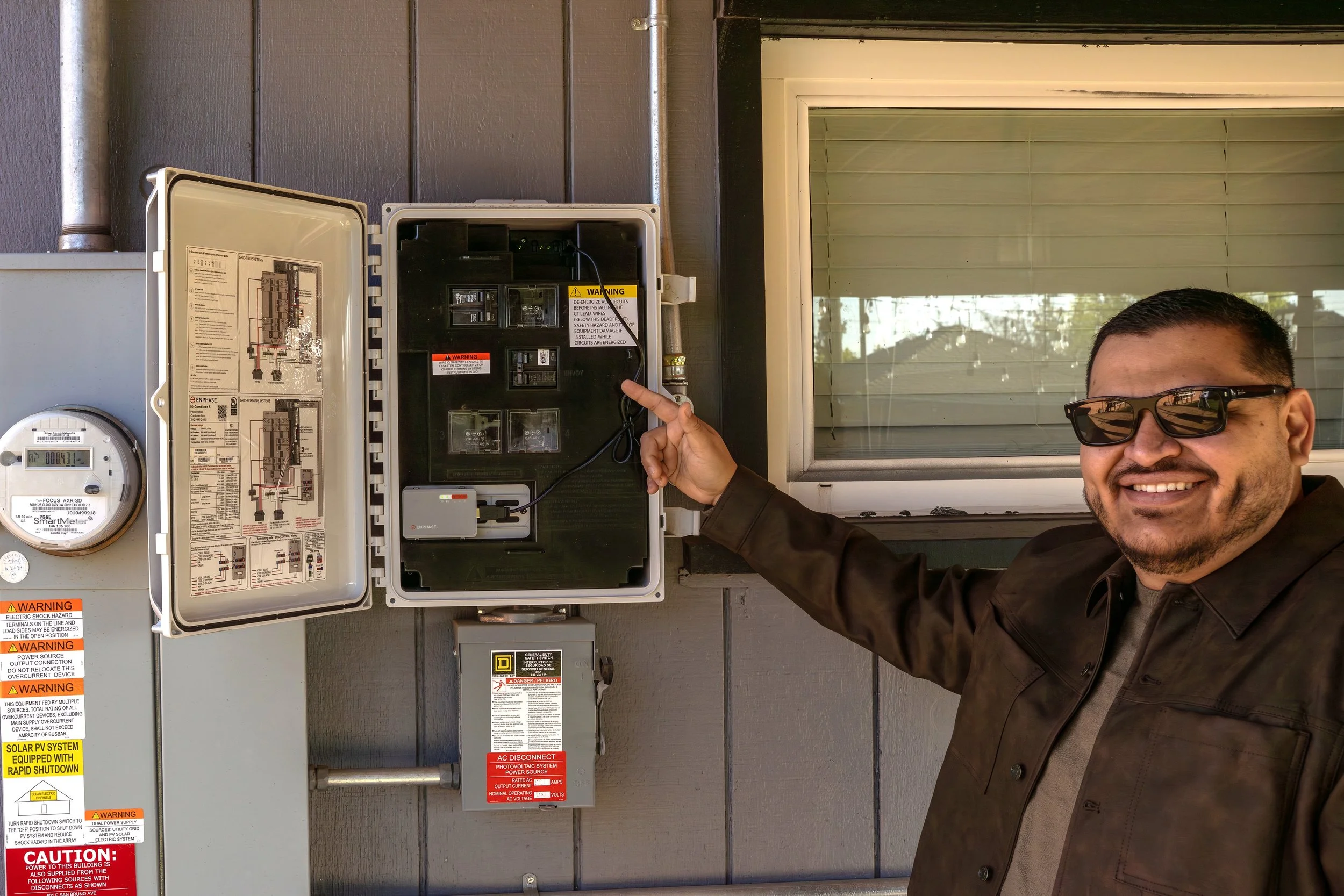
Francisco N., a farmworker in Fresno, received a suite of sustainable upgrades to his family’s home through the Low-Income Weatherization Program’s Farmworker Housing Component
Francisco’s home now has new energy efficient heating and cooling technologies as well as solar panels to generate energy at home
With the Central Valley expected to face more severe climate impacts, energy efficiency upgrades help reduce costs to families and protect them from extreme conditions
Preparing Fleets for Zero-Emission Vehicles
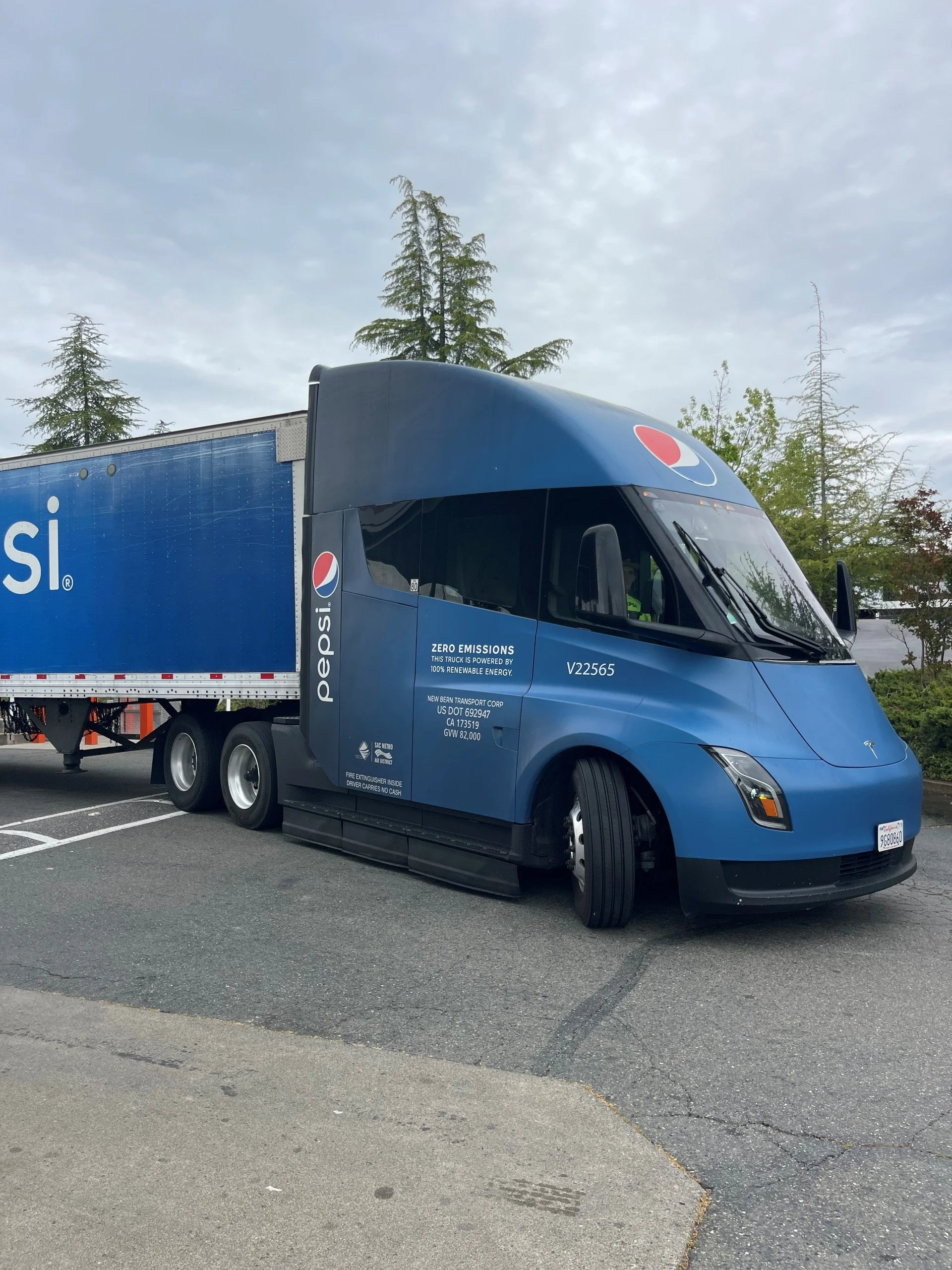
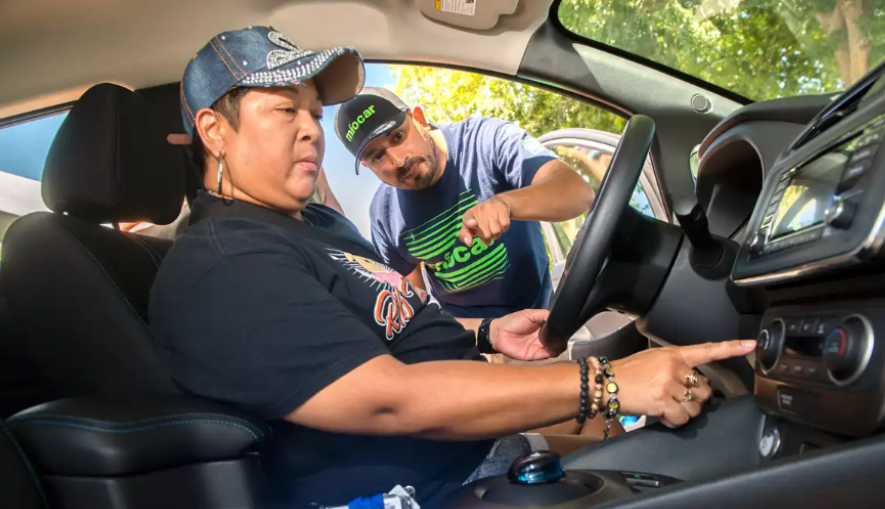
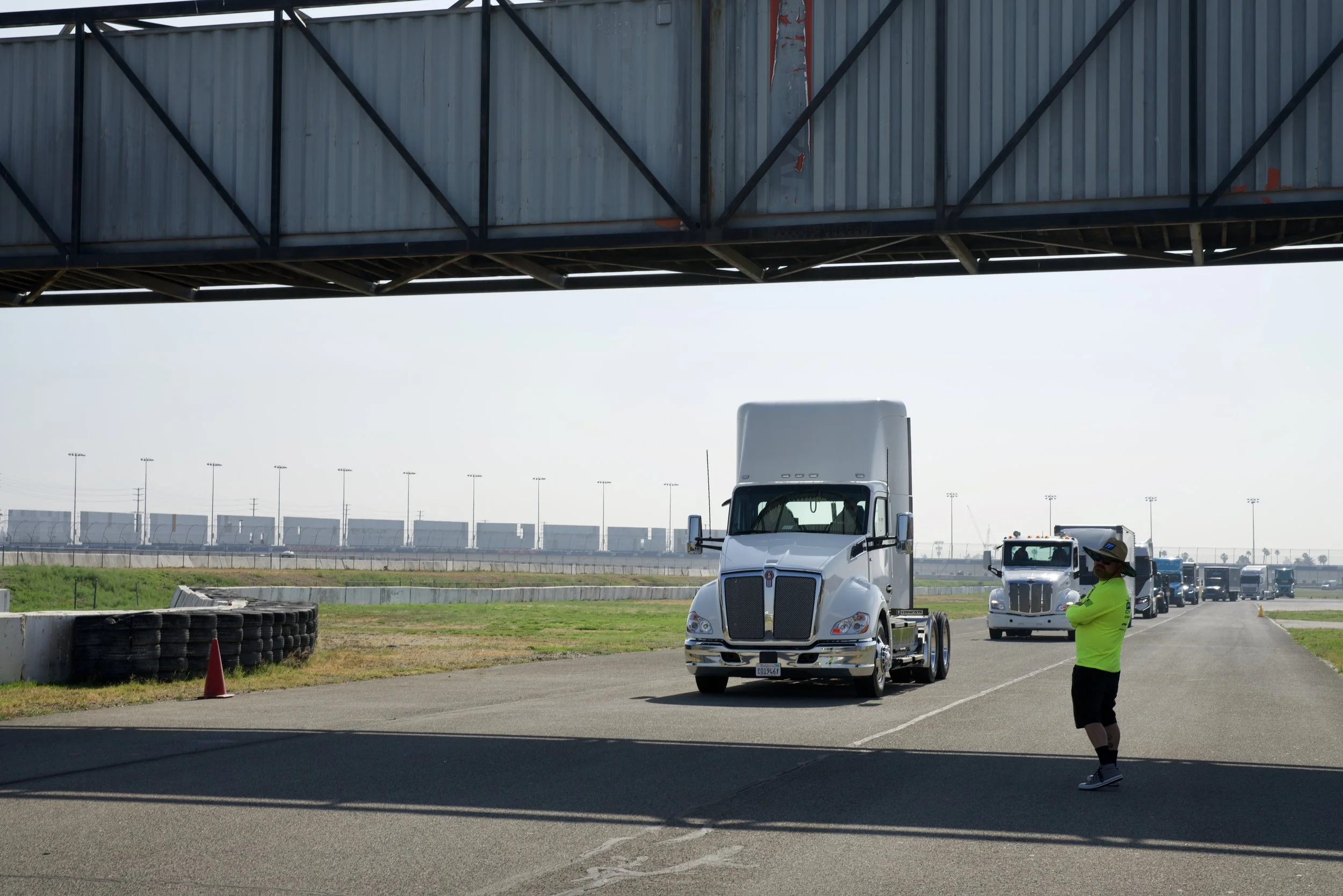
Cal Fleet Advisor offers free technical assistance to help owners and operators of medium- and heavy-duty vehicle fleets integrate more zero-emission vehicles
The program has focused efforts in the San Joaquin Valley, as small agricultural fleets often face barriers to adopting new technologies
Participants in the Cal Fleet Advisor program are paired with a dedicated advisor that provides insights on everything involved with transitioning fleets towards more zero-emission technologies, making the process less daunting for fleet operators
Discover more projects in your region
Read San Joaquin Valley project profiles

California Department of Food and Agriculture
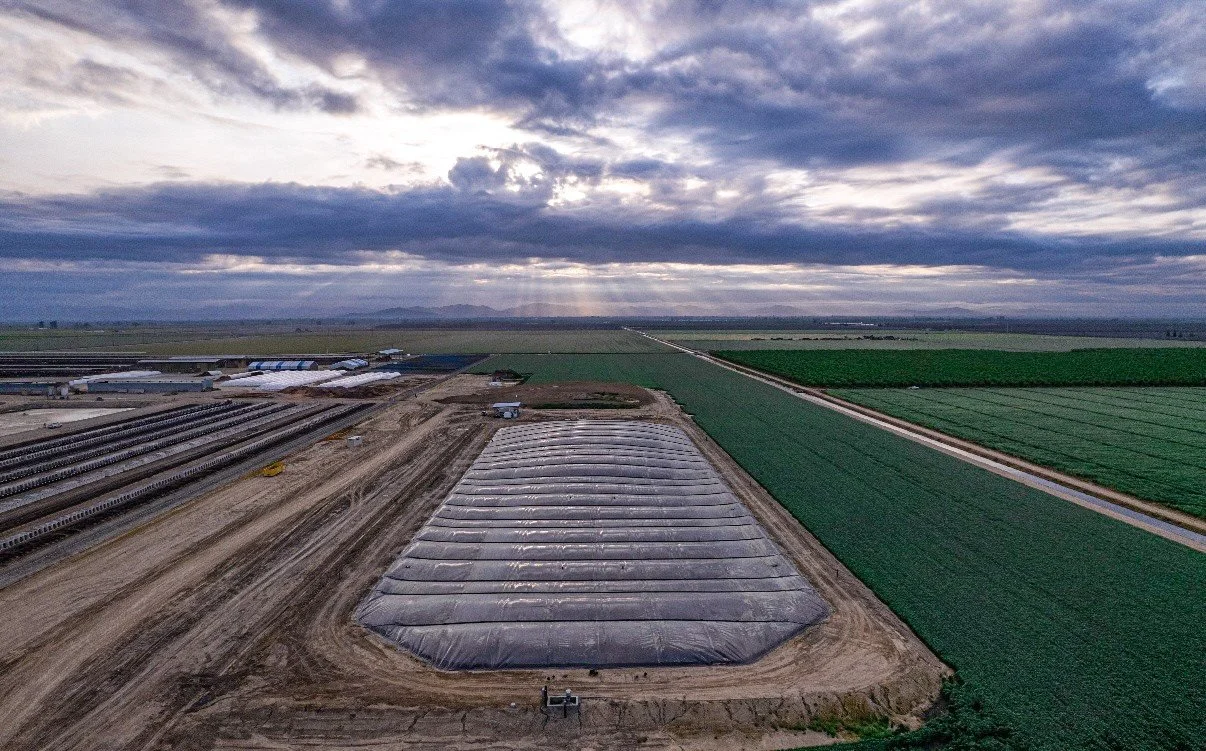
Vander Woude Dairy, a family-owned and operated business in Merced, California, has leveraged California Climate Investments (CCI) funding through the Dairy Digester and Development Program (DDRP) to implement an innovative covered lagoon digester for methane capture. The digester will process manure solids daily, capturing methane to be converted into Renewable Compressed Natural Gas for vehicle use at the dairy.

California Air Resources Board
California Climate Investments funding has supported the deployment of over 1,100 zero-emission school buses at over 300 public school districts and local education agencies across the state. In both rural and urban communities across California, school districts are operating more zero-emission fleets, supporting the health and safety of students and reducing fleet operating costs.
California Air Resources Board
In August 2023, the California Air Resources Board (CARB) and transportation nonprofit CALSTART launched Cal Fleet Advisor, which offers free technical assistance to help owners and operators integrate more zero-emission medium- and heavy-duty vehicles into their fleets. The program, which receives California Climate Investments funding as part of the administration of the Clean Truck and Bus Voucher Incentive Project (HVIP), provides helpful services to ease the transition to cleaner technology for fleets across the state.

California Department of Forestry and Fire Protection
Giant sequoias, the world’s largest trees and an iconic California species, face increasing risk due to severe wildfires brought on by unnaturally high fuel loads and climate change. To avoid further losses and promote new growth, a group of partners, with funding from California Climate Investments, is restoring and protecting southern Sierra sequoia forests.

In the heart of California, the San Joaquin Valley is a region where agriculture is not just an industry but a way of life for many. CARB’s Funding Agricultural Replacement Measures Emissions Reductions (FARMER) Program funds transformative initiatives that foster the adoption of innovative farming techniques, integrating advanced agricultural technologies, and promote community engagement and has been making monumental steps towards more sustainable agriculture across the valley.

In the heart of the San Joaquin Valley, a transformative project is underway to reshape public transportation in communities around Merced. Thanks to $3.1 million in funding from the California State Transportation Agency's Transit and Intercity Rail Capital Program (TIRCP)—half from California Climate Investments and half from SB 1 funds—the Transit Joint Powers for Merced County initiative addresses critical transit needs in disadvantaged communities. The initiative improves air quality and spurs economic growth by adding battery‑electric buses into The Bus, Merced County’s public transit system.

In 2020, Sarah Light, agronomy advisor at the University of California Cooperative Extension, partnered with the Colusa County Resource Conservation District, Davis Ranch, Richter Ag, and the United States Department of Agriculture Natural Resource Conservation Service to apply for a CDFA Healthy Soils Program Demonstration Grant. The team received $99,832 of grant funding to conduct a demonstration project on cover crops on two fields in the Sacramento Valley from fall 2020 to spring 2024.

California Air Resources Board
With funding from the Community Air Grants Program, community-led project SJVAir is providing accurate air quality data and real time alerts to residents in disadvantaged communities located up to 30 miles away from the nearest regulatory PM 2.5 monitor.

California State Transportation Authority
With $20,262,000 from CalSTA’s Transit and Intercity Rail Capital Program, the Tulare Cross Valley Corridor Zero-emission Bus Expansion Project is supporting the development of the long-planned east-west Cross Valley Corridor mixed freight and passenger bus and rail system.

California Department of Transportation
In 2022, the California Department of Transportation issued its 1,000th award through LCTOP to Stanislaus Regional Transit Authority (StanRTA) for their Free Fares Project. Through the Free Fares Project, StanRTA provides free, safe, and reliable transportation services for residents to travel to educational institutions, employment centers, medical offices, grocery stores, and shopping malls. Transit fares are often a barrier to residents in disadvantaged communities but with the support from LCTOP, the Free Fares Project has made it possible for riders to use public transportation without any financial hardship.

California Department of Food and Agriculture
Thanks to $3 million in funding from the Dairy Digester Research and Development Program (DDRDP), a California Bioenergy dairy digester and Bloom Energy fuel cell technology have been installed at the Bar 20 Dairy in Fresno County and are now capturing methane and generating renewable electricity without combustion. This innovative project was made possible through state incentive programs and private investors including the DDRDP administered by the California Department of Food and Agriculture, and the Self Generation Incentive Program, administered by the California Public Utilities Commission, and access to revenue generated by California’s Low Carbon Fuel Standard (LCFS) credit.
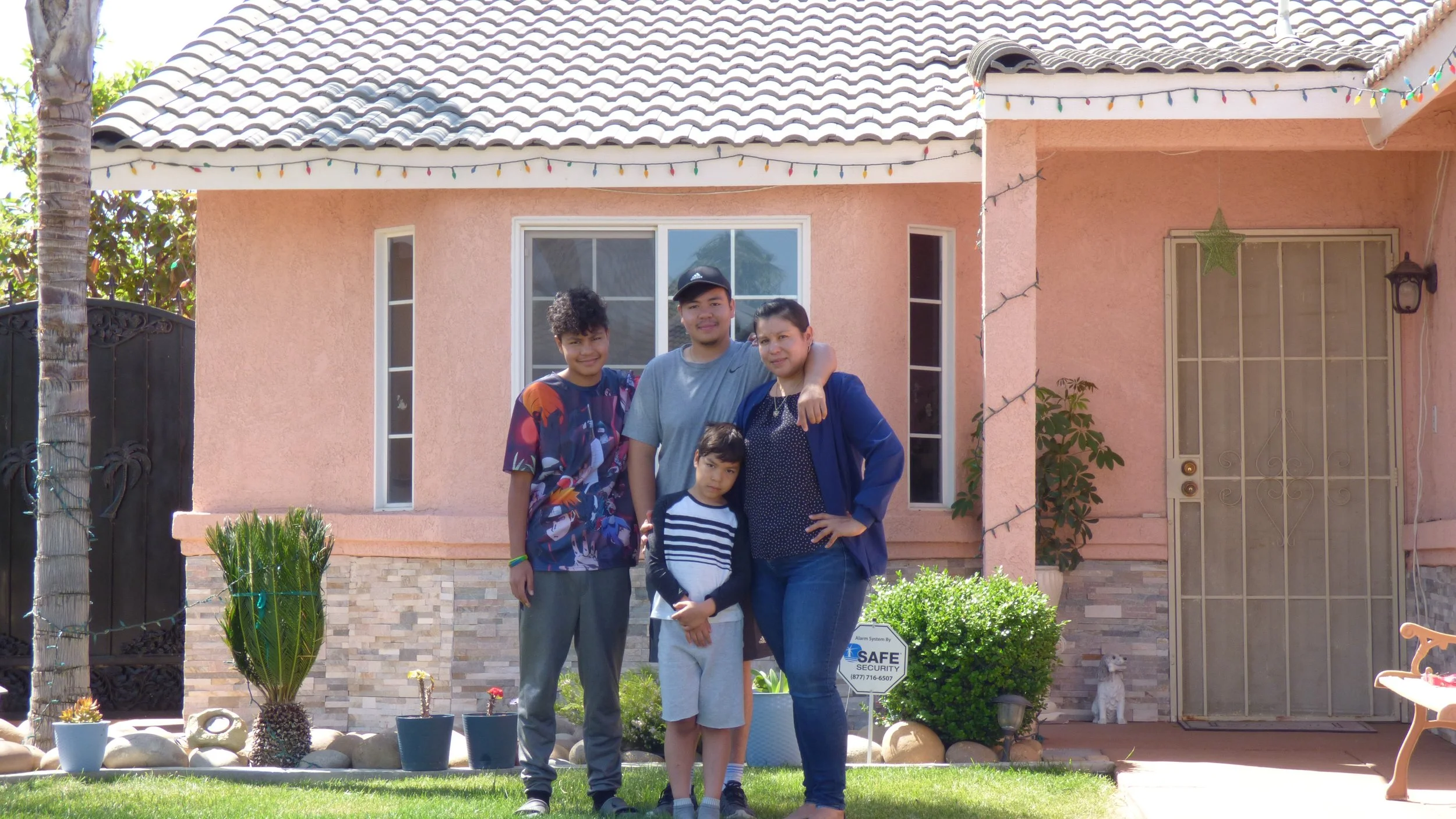
Thanks to funding from California Climate Investments through the Low-Income Weatherization Program (LIWP), Rocio Hernandez and her family reduced their home energy costs by installing a new rooftop solar system and energy efficiency upgrades. At first, Mrs. Hernandez thought the referral flyer her husband brought home after work as a seasonal farmworker during the grape harvest in Delano was too good to be true. A local farmworker agency provided information about the LIWP Farmworker Housing Component, a California Climate Investment program focusing exclusively on the installation of energy efficiency measures and solar photovoltaics (PV) to reduce greenhouse gas emissions for farmworker households at no cost.

California Department of Food and Agriculture
Supported by a $565,470 grant from the California Department of Food and Agriculture’s Alternative Manure Management Program, Paul Danbom of Brindeiro & Danbom Dairy Farms in Turlock took a significant step towards improving the efficiency of his dairy operation and installed a new solid separation system. Instead of flushed manure being discharged directly into a settling pond and storage lagoon system, it is now pumped through a separator capable of capturing a large portion of manure solids, keeping that organic material from entering and decomposing in a liquid environment where it would produce methane.

California Department of Resources Recycling and Recovery
The non-profit Fresno Metropolitan Ministry (Fresno Metro), in partnership with the Central California Food Bank, is using a $300,000 grant from the Food Waste Prevention and Rescue Grant Program to expand their capacity to rescue and distribute more edible food through their Food to Share program. Over the grant term, Fresno Metro will add 20 new food recovery school sites from Fresno Unified and Central Unified School Districts, set up 5 new food distribution sites at local community-based organizations, and increase direct food recoveries by adding 2 new retail locations and 6 urban gleaning sites.

California State Water Resources Control Board
Thanks in part to a $21,253 technical assistance grant from the State Water Resources Control Board’s Safe and Affordable Drinking Water Fund, the City of Manteca will be able to provide safe water for Nile Garden Elementary School by consolidating the school into the City of Manteca’s public water system.

The San Joaquin Valley Flexible Solutions for Freight Facilities project, supported with $22.6 million in funding from the Zero-and Near Zero-Emission Freight Facilities Project along with $22.6 million in matched funds from project partners, demonstrated advanced technologies on locomotives and hybrid and zero-emission equipment around rail yards. For one part of this multi-component project, the Wabtec Corporation designed, manufactured, and commissioned a battery-electric locomotive to operate in tandem with two diesel locomotives from BNSF Railway, operating like a hybrid vehicle.

SSA Marine received $4.82 million from the Clean Off-Road Equipment Voucher Incentive Project, also known as CORE, to purchase 20 zero-emission forklifts and charging infrastructure for their locations in Stockton and West Sacramento. This equipment will help reduce greenhouse gases and air pollutants in census tracts that are heavily burdened by diesel particulate matter and other air pollutants.
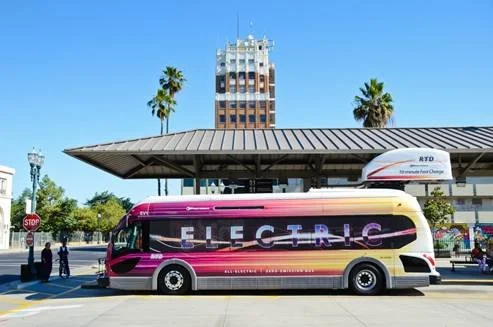
The San Joaquin Valley Transit Electrification Project has deployed 15 zero-emission battery electric transit buses, and 15 charging stations, in disadvantaged communities throughout the San Joaquin Valley.

The Association of California Community and Energy Services partner agencies replaced 1,090 washing machines and 855 dishwashers with water- and energy-efficient machines . These energy and water savings will continuously provide cost savings across various communities in Kern, Madera, Contra Costa, Kings, San Francisco, and Merced counties and other low-income homes in San Mateo, Shasta, and Tehama counties.

“For the community; by the community” is the motto of the South-East Madera County United (SEMCU), a non-profit mutual benefit organization in the heart of the San Joaquin Valley. In May 2015, with a $218,594 grant from the DWR, members set out to provide water efficiency devices for approximately 75 percent of homes and businesses within SEMCU’s boundary, an area encompassing five disadvantaged community census tracts.

The San Joaquin County Urban Tree Canopy Revival (SJCUTCR) project sets Stockton on a trajectory to restore the city’s once proud urban forest by planting over 1200 new trees in Stockton’s disadvantaged communities and maintaining them for the life of the grant to ensure their success.

Mrs. Rojas and her family now have a solar photovoltaic system and energy efficiency upgrades in their home, including a high efficient air conditioning system, new windows that minimize heat transfer, a smart thermostat, and other measures that reduce energy costs while improving the comfort and livability of their home and its resiliency to climate change.
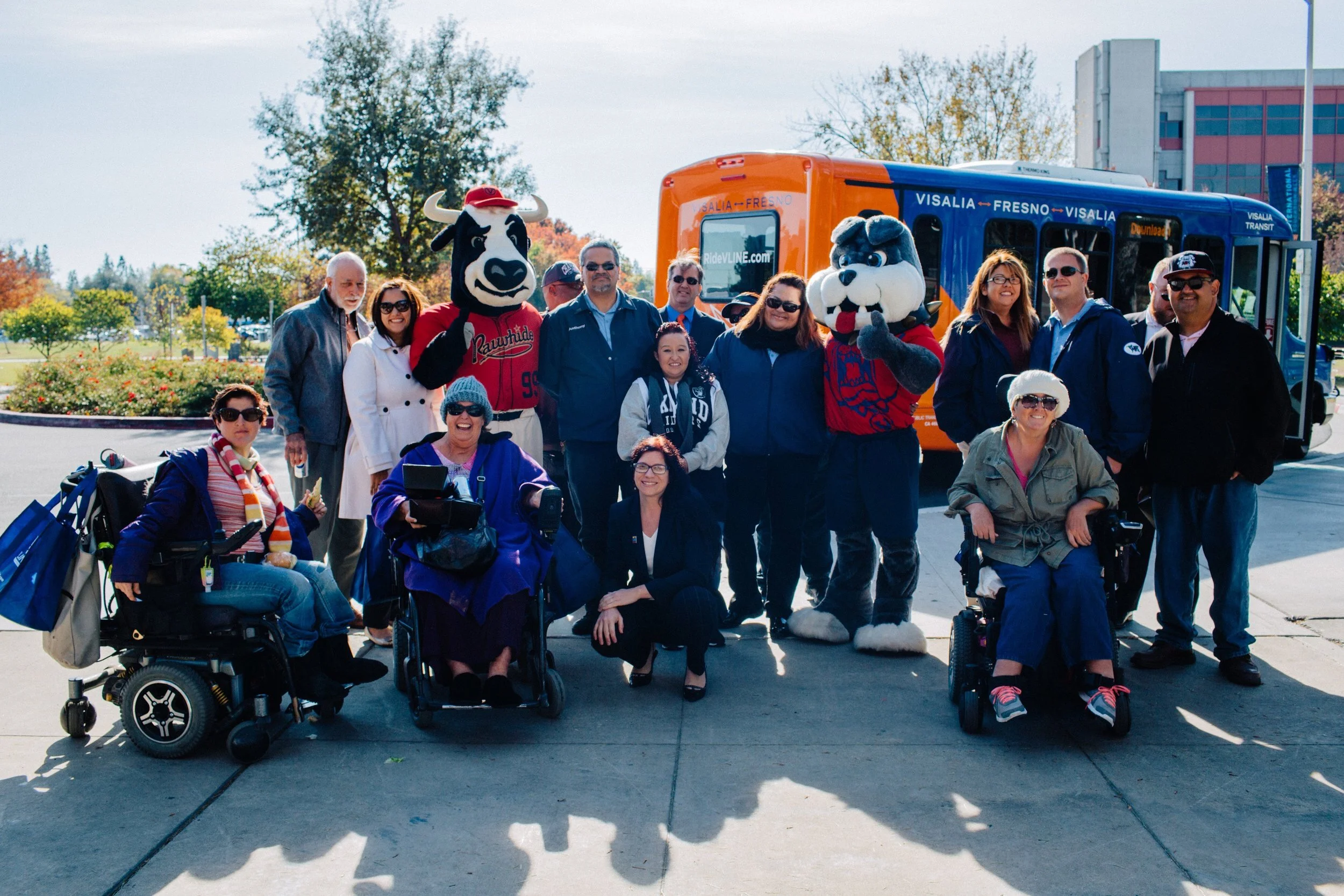
Deep in California’s Central Valley, the small City of Visalia took a big step when it started its Visalia-Fresno Shuttle Project in November 2015. The five-stop “V-line,” part of the Visalia Transit system, has a stop for everyone – students headed to Fresno State University, travelers bound for Fresno Yosemite International Airport, even visitors off to see Fresno’s leafy Courthouse Park.

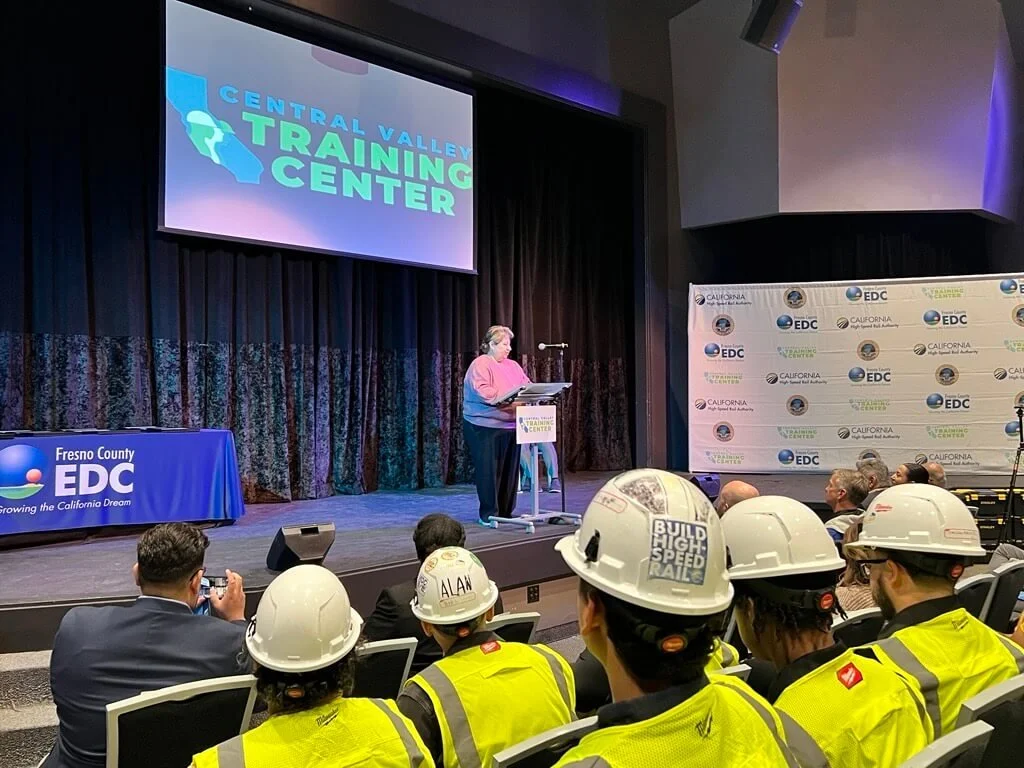
The High‑Speed Rail Authority is responsible for planning, designing, building and operating the first high‑speed rail in the nation. When complete, it will run from San Francisco to the Los Angeles basin in under three hours, providing a clean alternative to driving or flying. Funded in part by California Climate Investments, the project is already contributing to economic development and a cleaner environment, creating jobs, and preserving agricultural and protected lands.

Fernando Madrigal, Jr. personifies the opportunities associated with high-speed rail. After 12 years of service with the Marine Corps, Fernando found work as a security guard. He then signed up for a 10-week training program sponsored by PG&E to introduce workers to the various constructions trades.
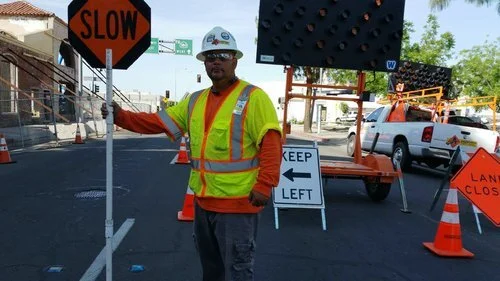
Students continue to flock to classes and training that can lead to jobs on California’s High-Speed Rail project and other infrastructure projects. Two years ago, Yovani Moreno took Pre-Apprenticeship Training classes at the Construction and General Laborers’ Local 294 union hall in Fresno.

Charlie Starr grows wine grapes in San Joaquin County. In the past few years, he has been thinking about how to reduce nutrient leaching to groundwater and agricultural dust in the air. The state Healthy Soils Program provided him with the financial incentives to implement conservation management practices on his farmland. His project includes “Cover Crop” and “Reduced-Till.”
Interested in bringing more projects to the San Joaquin Valley?
Apply! Your first stop to learn more is to explore programs.


Who is eligible?
A number of implemented California Climate Investments projects span multiple geographic boundaries (e.g., a transit bus line or large forestry project crossing county lines). While most projects can be tied to one project address, where it is not feasible to associate a project with a single region, district, or county, the same project data is included in each area that benefits from the investment. This method of attribution tends to increase the implemented project totals reported here. See the Project List for a more detailed explanation of the methodology the California Air Resources Board uses to evaluate projects that cross geographic boundaries.
About Us
California Climate Investments uses billions of Cap-and-Invest dollars to fund projects that reduce harmful emissions, protect public health, strengthen local economies, and support natural environments. With a strong focus on communities most impacted by pollution and limited access to resources, California Climate Investments help build a more equitable and sustainable future - particularly in disadvantaged and low-income communities.
Contact Us
1-800-757-2907 | info@caclimateinvestments.ca.gov | @CAClimateInvest