
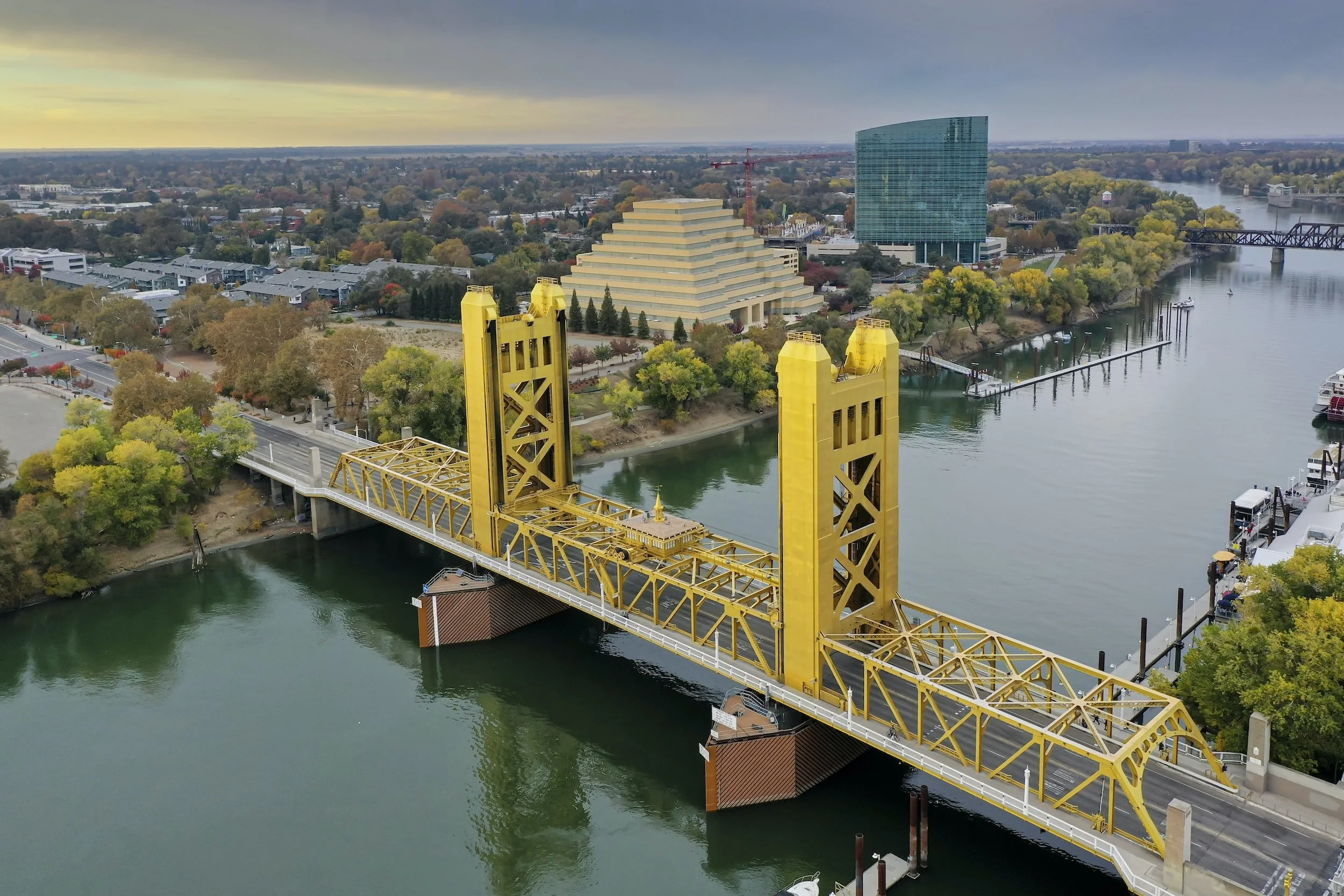
Each year, hundreds of Californians work to improve the health and wellbeing of their communities by spearheading California Climate Investments projects, which are designed to support a more sustainable, more resilient future. Learn what these projects have accomplished in the Greater Sacramento counties of El Dorado, Placer, Sacramento, Sutter, Yolo, Yuba.
Cumulative Investments in Greater Sacramento
As of October 31, 2025
$1.6 billion total implemented funds
10% of statewide California Climate Investments funding
32,248 projects
$1 billion benefiting priority populations
64% of funds benefiting priority populations
9,985,104 MTCO2e estimated GHG emissions reductions
7,662 tons estimated criteria air pollutant reductions
2024 Achievements
Reporting period: Dec 1, 2024 – Oct 31, 2025
$325 million in newly implemented funds
1,222 new projects
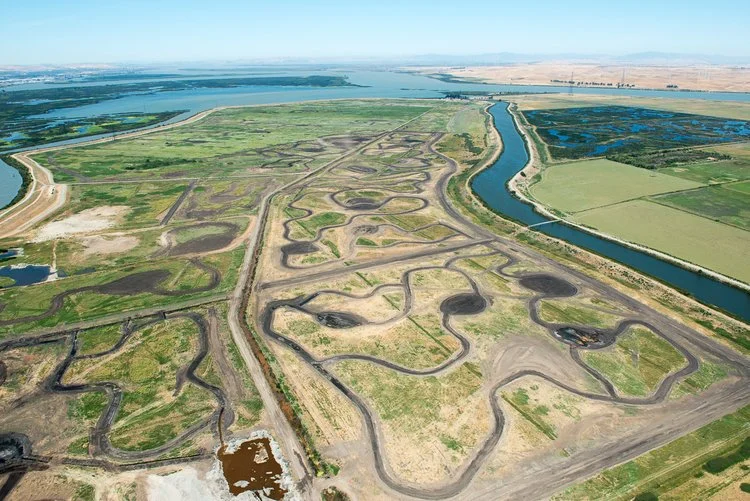
What does this mean for you?
Here is some of what our 2025 grantees are bringing to the region:
More than 127,000 gallons of water saved
4,257,345 kWh of renewable electricity generated
Over 16 million gallons of fuel reductions
Greater Sacramento Climate Investments in Action
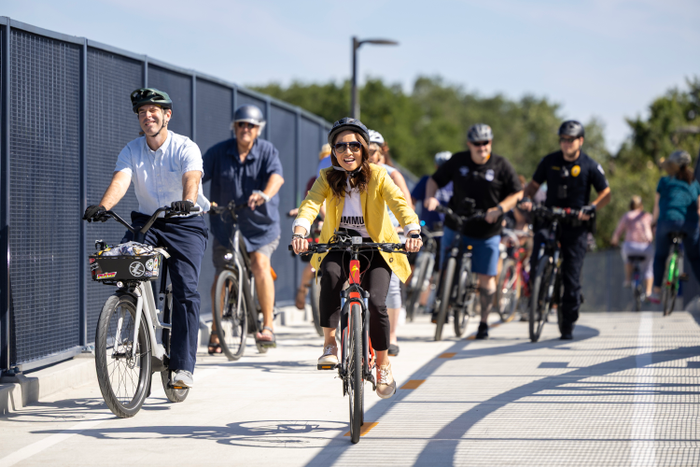
A new bike and pedestrian trail, opened in May 2025, is giving West Sacramento residents a new way to walk, run, or bike from one side of the city to the other
Before construction of the overpass over Highway 50, residents were often forced to drive to get around the city
The City of West Sacramento was able to construct the trail using a $5.2 million Urban Greening Program grant they received in 2018
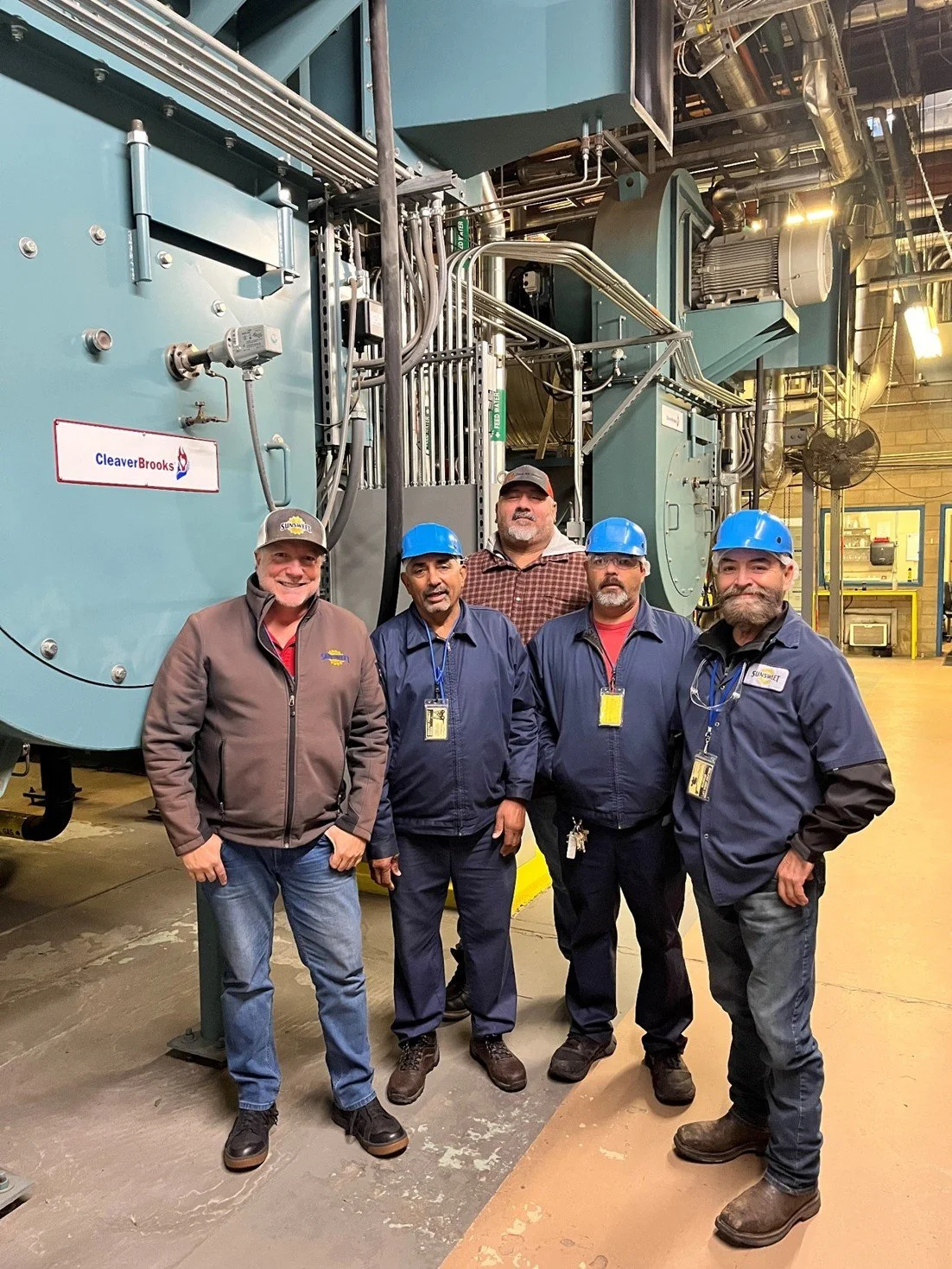
Sunsweet, the world’s largest producer of prunes and other dried fruit, used California Climate Investments funding to modernize its headquarters facility in Yuba City by replacing outdated equipment with energy-efficient upgrades
Since they were installed at the end of 2022, the upgrades have achieved a 19 percent reduction in the facility’s greenhouse gas emissions
Sunsweet received a $1.6 million grant through the California Energy Commission’s Food Production Investment Program
Discover more projects in your region
Read Greater Sacramento project profiles

Strategic Growth Council
The Sacramento Integrated Multimodal Place-Based Living Project is a Transformative Climate Communities initiative aimed at strengthening community engagement, increasing affordable housing, and expanding public transit in the River District neighborhood of Sacramento. One of the key features of the project, the Dos Rios Light Rail Station, will significantly increase residents’ accessibility to Downtown Sacramento and the greater Sacramento Area. The Mirasol Village Community Garden represents another success of the initiative, giving residents the opportunity to cultivate fresh produce and forge community bonds.

California Department of Resources Recyling and Recovery
The Organics Grant Program began allocating California Climate Investments funding to in-vessel composting projects for the first time ever in its most recent solicitation. We were able to interview two grantees, from California State University – Sacramento (CSUS) and the University of Southern California (USC), about their projects and how in-vessel composting will change waste processing at their site and positively impact their communities.

With support from California Climate Investments, the California Conservation Corps (CCC) is reducing wildfire risks by removing hazardous fuels in Paradise, Lake Tahoe, and Arcadia as part of the Training and Workforce Development Program. Through fuels reduction projects, Corpsmembers have treated over 90 acres of fire-prone land, creating defensible space and improving community safety. These efforts not only protect residents but also provide young adults with hands-on experience in forestry and wildfire mitigation, preparing them for careers in fire management and conservation.
California Department of Fish and Wildlife
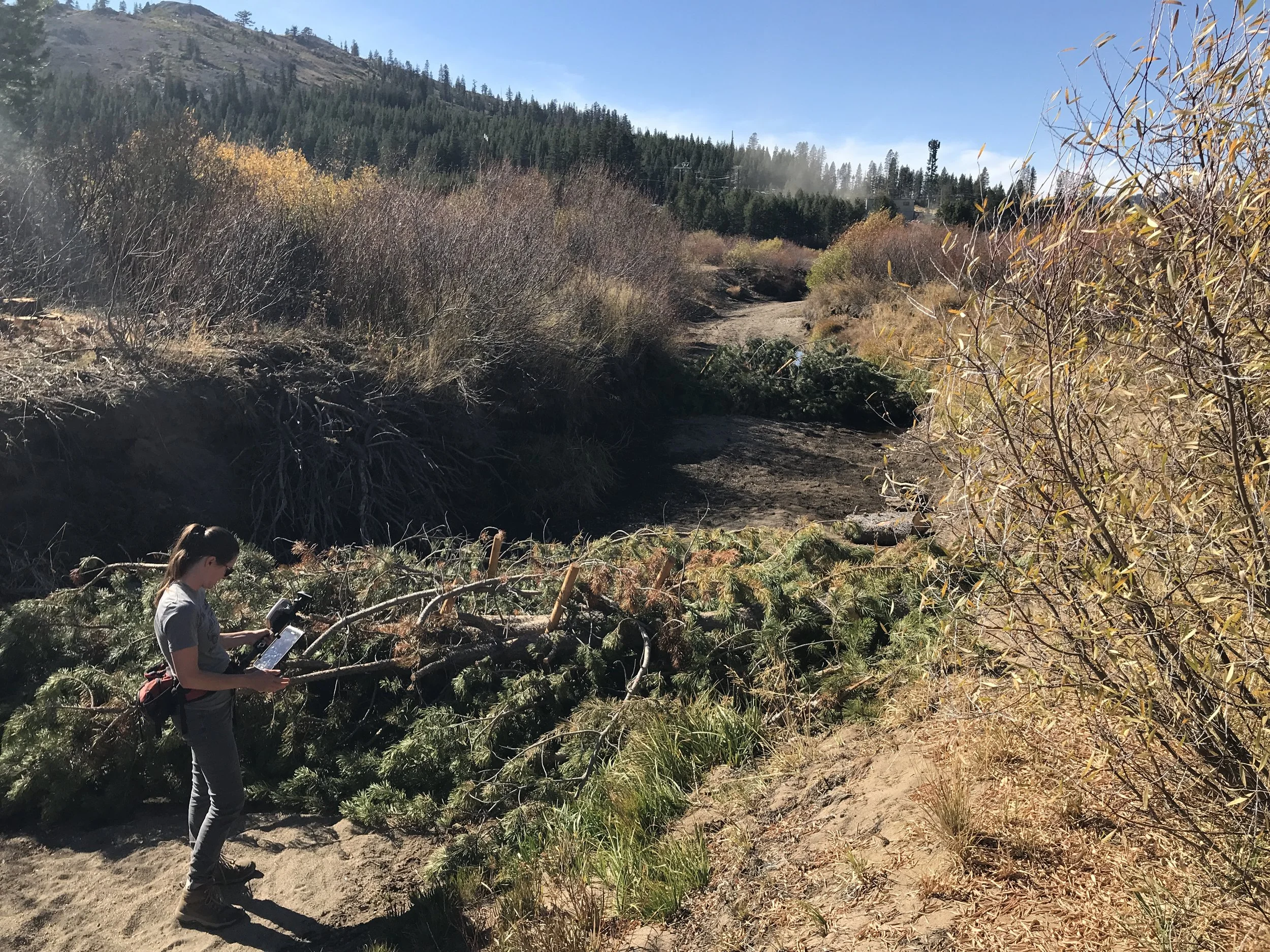
With $3.9 million in support from the Wetlands and Watershed Restoration Program, the South Yuba River Citizens League together with the Washoe Tribe and project partners are restoring 485 acres of the high-elevation meadow habitat in Placer and Nevada Counties. Project partners include the Tahoe National Forest/U.S. Forest Service (USFS), Wildlife Conservation Board, Truckee Donner Land Trust, UC Davis Center for the Watershed Sciences, Point Blue Conservation Science, University of Nevada Reno, and Nevada County.

In 2019, the California Energy Commission awarded Pacific Coast Producers (PCP), the largest tomato canning facility in the country, a $5,721,713 grant from the Food Production Investment Program (FPIP) under the state’s California Climate Investments program to install an advanced energy-efficiency evaporation technology at PCP’s Woodland facility. The grant was supplemented by $3,080,923 in match funding from PCP.

David Viguie of Viguie Farming is revitalizing soil health on 44 acres of a 28-year-old French prune orchard located in the city of Winters. Prior to receiving a Healthy Soils Program grant, David conventionally farmed his orchard. In his pursuit to restore the property's soil health, David applied to the Healthy Soils Program and received a $38,378 grant from California Climate Investments to achieve his goals of reducing greenhouse gas emissions and increasing soil carbon by removing a prune orchard through whole-orchard recycling.

In 2019, the Capitol Corridor Joint Powers Authority, in partnership with California Department of Transportation’s Division of Mass Transit, was selected by the Bay Area Air Quality Management District to receive $7.4 million from the Community Air Protection program to help replace two diesel-powered locomotives with two new Siemens Charger Tier 4 locomotives. These locomotives are now operating on the Capitol Corridor line from Auburn-Sacramento to Silicon Valley and run through disadvantaged and low-income communities in San Francisco, Oakland, Berkeley, and more. The new locomotives achieve a 90 percent reduction in particulate matter emissions and an 80 percent reduction in oxides of nitrogen emissions compared to the old, higher-polluting locomotives.

The Partners Advancing Climate Equity (PACE) pilot program is a capacity-building program administered by the California Strategic Growth Council and funded by the Greenhouse Gas Reduction Fund. The year-long pilot program began in 2021 and supported 22 participants – all local leaders deeply rooted in their communities across the state – and sought to increase their ability to advance equitable and community-driven climate solutions.

Supported by $400,000 from the Climate Adaptation and Resiliency Program, a coalition of federal, academic, non-profit and private organizations has developed a modeling tool to enhance climate adaptation and resilience planning in five Sacramento River watersheds. These watersheds provide the vast majority of California’s utilized water and over 80 percent of the freshwater to San Francisco Bay. By estimating the ecological returns of conservation and restoration efforts, the modeling tool will help determine what future actions and investments would best restore and protect the health of this important region.

SSA Marine received $4.82 million from the Clean Off-Road Equipment Voucher Incentive Project, also known as CORE, to purchase 20 zero-emission forklifts and charging infrastructure for their locations in Stockton and West Sacramento. This equipment will help reduce greenhouse gases and air pollutants in census tracts that are heavily burdened by diesel particulate matter and other air pollutants.

In May 2017, the Sacramento Metropolitan Air Quality Management District (AQMD) and its partners unveiled the first six of 29 electric school buses — what will be the largest electric school bus deployment in the U.S. — at a press event in north Sacramento.
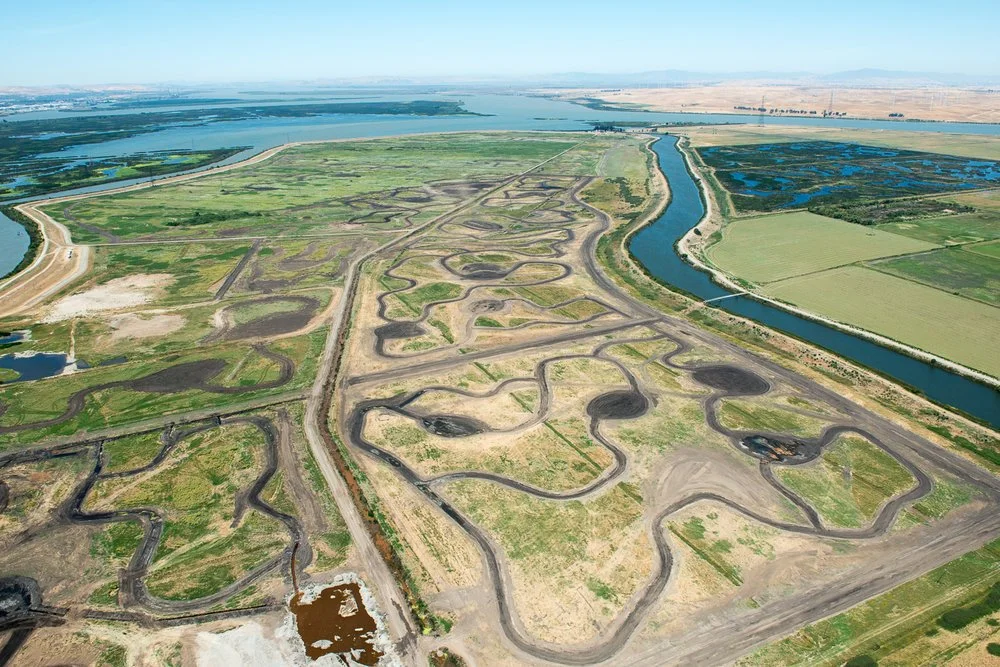
The San Joaquin-Sacramento River Delta is the cradle which nurtures the drinking water supply of more than 23 million Californians and much of the state’s farm land. But measurements show land on Sherman Island has sunk as much as 28 feet below sea level as the State’s population and demand for water have grown. That’s why California Climate Investments is providing more than $10 million to improve the situation.

A $996,600 grant from California Climate Investments through the Urban and Community Forestry program will help Urban Salvaged and Reclaimed Woods, Inc. pilot a shared storefront project. This storefront will allow businesses handling salvaged wood from urban areas to combine resources to better process, market, and sell their products.
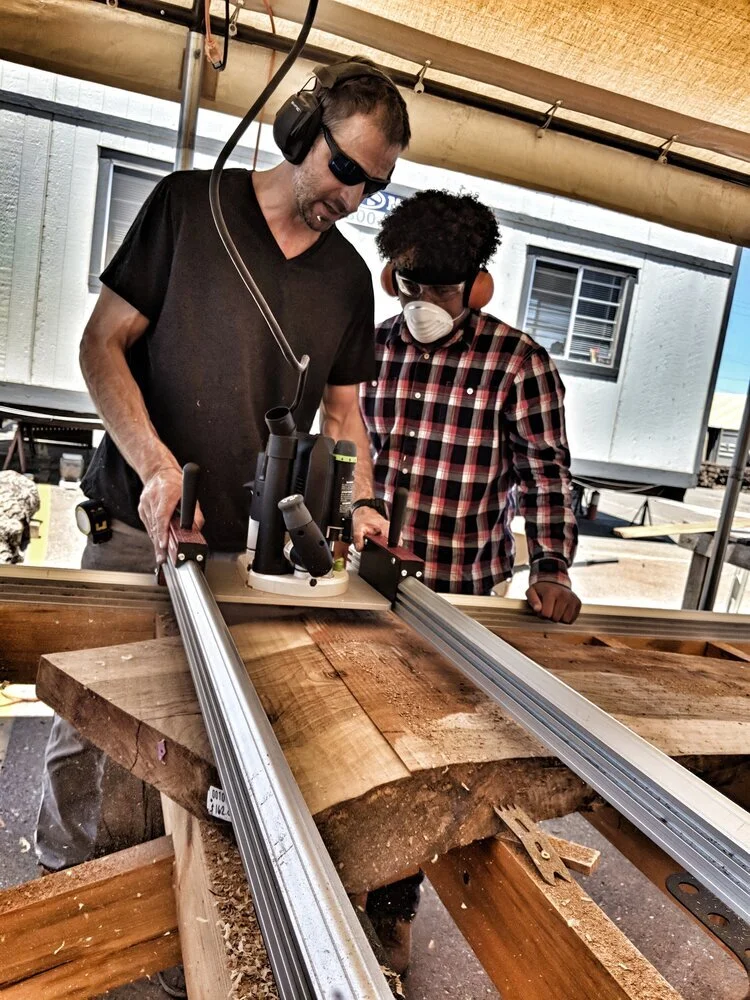
Urban Wood Rescue, a program administered by the Sacramento Tree Foundation, is transforming dead trees from around the Sacramento region into useful lumber.

May 2017 marked the launch of the Our Community CarShare Sacramento Program. This new car sharing pilot program, available to low-income Sacramento residents, was great news to Susan Brown and came to her attention at the right time.

Eugene is looking forward to a career in the energy industry. He is one of several dozen members of the California Conservation Corps (CCC) making a difference in their community, improving the environment, and developing marketable job skills.

In a partnership with the Strategic Growth Council and the California Department of Food and Agriculture (CDFA), the University of California Agriculture and Natural Resources (UC ANR) is providing outreach, education, and technical assistance to farmers and ranchers across California

California Community College students help to inform their campuses and communities about the opportunities and benefits of Climate Investments.

After facing increasingly unaffordable energy bills year-after-year, Milton, a Sacramento County resident, learned about the State’s low-income solar program offered through the Sacramento Municipal Utility District (SMUD). He became interested in the program and was one of many residents that benefited from this assistance

The Climate Adaptation and Resilience Program awarded a grant of $512,000 from California Climate Investments to Audubon California to assist ranchers in transitioning to more regenerative grazing approaches through a ranch certification program.

Supported by nearly $2.6 million from California Climate Investments, the California Environmental Protection Agency is working with University of California researchers to carry out two studies that will help California reach its goal of achieving carbon neutrality by 2045. In particular, these studies will examine ways to reduce emissions from the transportation sector, the largest source of greenhouse gas emissions in California. The studies will also quantify air pollution and economic impacts for multiple greenhouse gas emissions reduction scenarios.
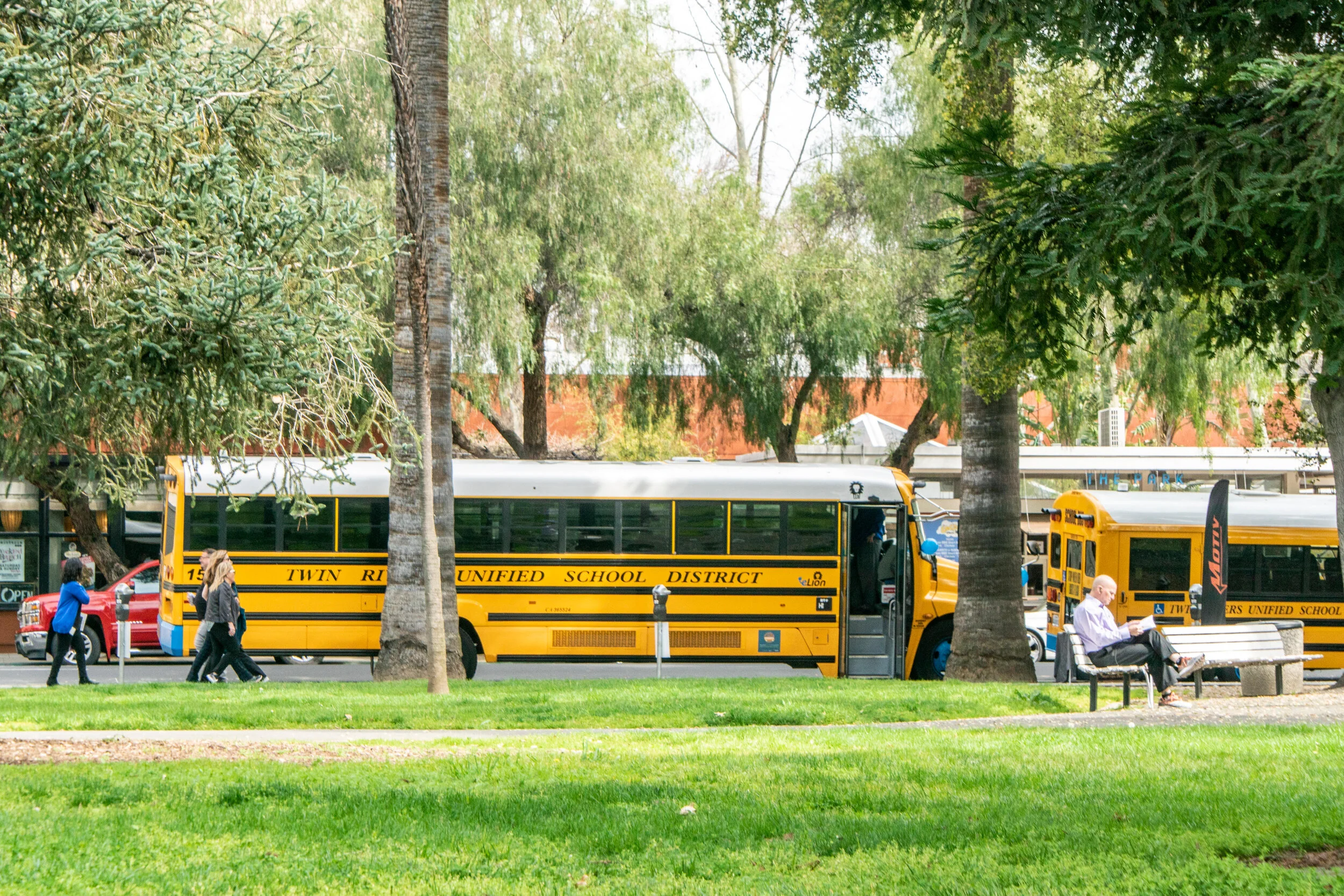
With delivery of 10 new Lion Electric all‑electric school buses in December 2020, Twin Rivers Unified School District’s (TRUSD) fleet of 40 zero‑emission buses represents the largest deployment of zero‑emission school buses in North America. Several California Climate Investments programs, including Community Air Protection Incentives, played a crucial role in reaching this major milestone.

At the University of California’s Blodgett Forest Research Station in the central Sierra Nevada Mountains, the long running Fire and Fire Surrogate study has provided critical information to forest managers and landowners on the use of prescribed fire and restoration thinning. With a $454,772 grant from California Climate Investments through the California Department of Forestry and Fire Protection’s Forest Health Research Program, Dr. John Battles, Dr. Scott Stephens, and other researchers are continuing this important work with an eye towards understanding the value of repeated application of fuel reduction treatments on Sierra Nevada mixed‑conifer forests. Forest managers and landowners throughout the state and beyond will be able to use the results of this study to inform their management actions and policy decisions in the face of warming climate and increasing wildfires.

In collaboration with forest industry and utility partners and the Modoc National Forest, the Pit Resource Conservation District is implementing a $5 million California Climate Investments Forest Health grant to increase forest resilience in Modoc County. The fuels reduction and prescribed fire activities funded by this project will take place on public and private lands to increase forest resilience, accelerate reforestation of severely burned forests, and reduce the risk of future catastrophic fire impacts to local communities, ecosystems, and natural resources. This project complements efforts by state, federal, and local agencies to increase the pace and scale of fuel treatments in California’s forests.

Replanting and restoration are underway a few thousand acres at a time, and the California Climate Investment program is helping bring the King Fire area back to life. $1.9 million from the State’s Cap-and-Trade auctions is being put to work on CAL FIRE’s King Fire Rehabilitation and Reforestation Project.
Interested in bringing more projects to Greater Sacramento?
Apply! Your first stop to learn more is to explore programs.


Who is eligible?
A number of implemented California Climate Investments projects span multiple geographic boundaries (e.g., a transit bus line or large forestry project crossing county lines). While most projects can be tied to one project address, where it is not feasible to associate a project with a single region, district, or county, the same project data is included in each area that benefits from the investment. This method of attribution tends to increase the implemented project totals reported here. See the Project List for a more detailed explanation of the methodology the California Air Resources Board uses to evaluate projects that cross geographic boundaries.
About Us
California Climate Investments uses billions of Cap-and-Invest dollars to fund projects that reduce harmful emissions, protect public health, strengthen local economies, and support natural environments. With a strong focus on communities most impacted by pollution and limited access to resources, California Climate Investments help build a more equitable and sustainable future - particularly in disadvantaged and low-income communities.
Contact Us
1-800-757-2907 | info@caclimateinvestments.ca.gov | @CAClimateInvest