

Each year, hundreds of Californians work to improve the health and wellbeing of their communities by spearheading California Climate Investments projects, which are designed to support a more sustainable, more resilient future. Learn what these projects have accomplished in the Southern California counties of Los Angeles, Orange, Riverside, San Bernardino, Ventura.
Cumulative Investments in Southern California
As of October 31, 2025
$5.3 billion total implemented funds
34% of statewide California Climate Investments funding
254,082 projects
$4.3 billion benefiting priority populations
80% of funds benefiting priority populations
21,726,771 MTCO2e estimated GHG emissions reductions
27,361 tons estimated criteria air pollutant reductions
2025 Achievements
Reporting period: Dec 1, 2024 – Oct 31, 2025
$979 million in newly implemented funds
3,520 new projects

What does this mean for you?
Here is some of what our 2025 grantees are bringing to the region:
Over 216 million kWh of renewable energy generation
More than 7,000 urban trees planted
More than 447 million gallons of water savings
Southern California Climate Investments in Action
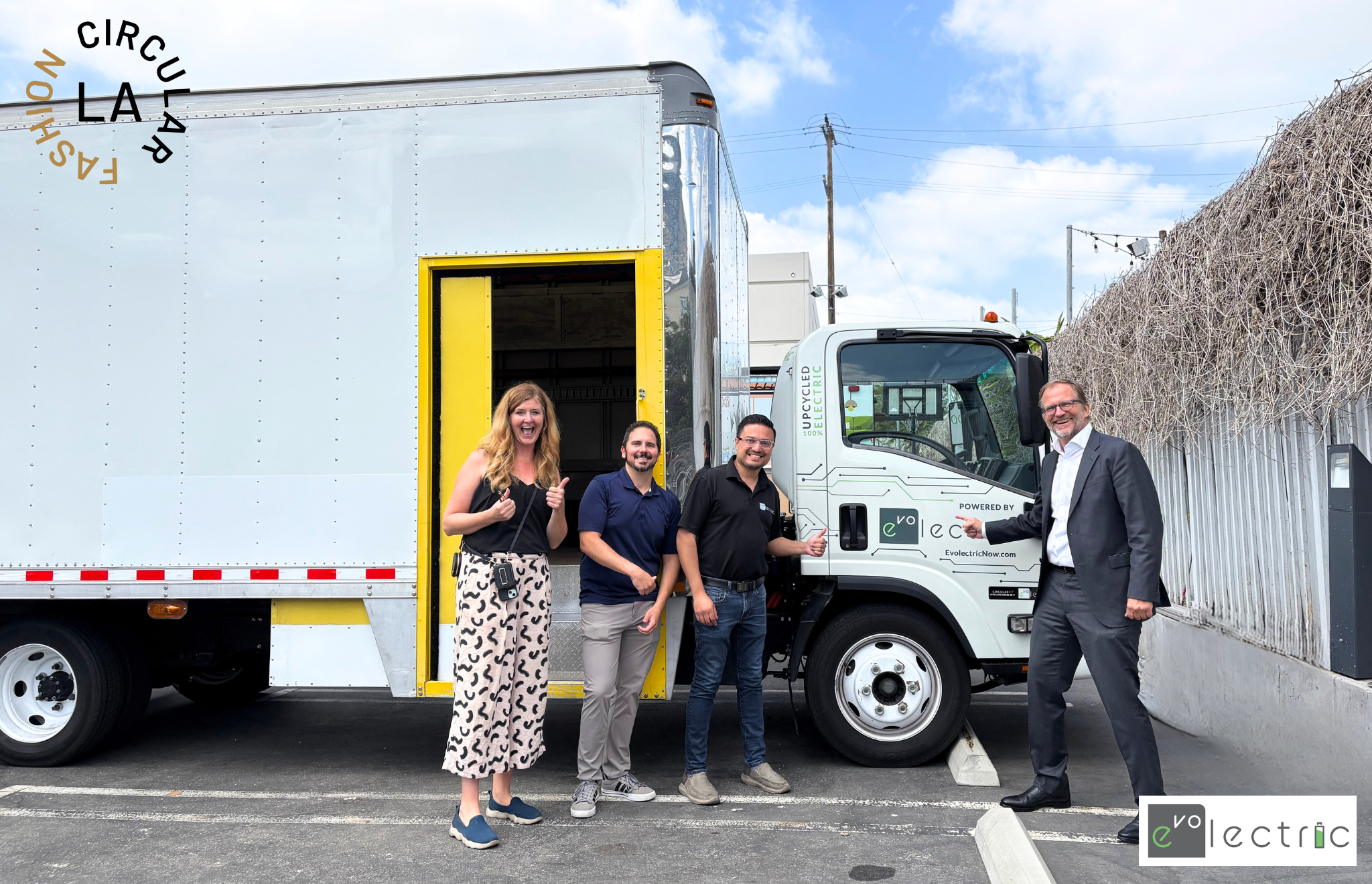
Circular Fashion LA offers clothing repair, alteration, and dying services for affordable prices, encouraging Los Angeles residents to hold on to old clothing instead of sending it to the landfill
After receiving a $90,000 grant from the California Air Resources Board’s Innovative Small E-Fleet Pilot Project, Circular Fashion LA was able to purchase a zero-emission truck for its mobile lab
Now Circular Fashion LA can travel around the city and offer services to people where they are, while teaching the community the value in extending the life of their clothing
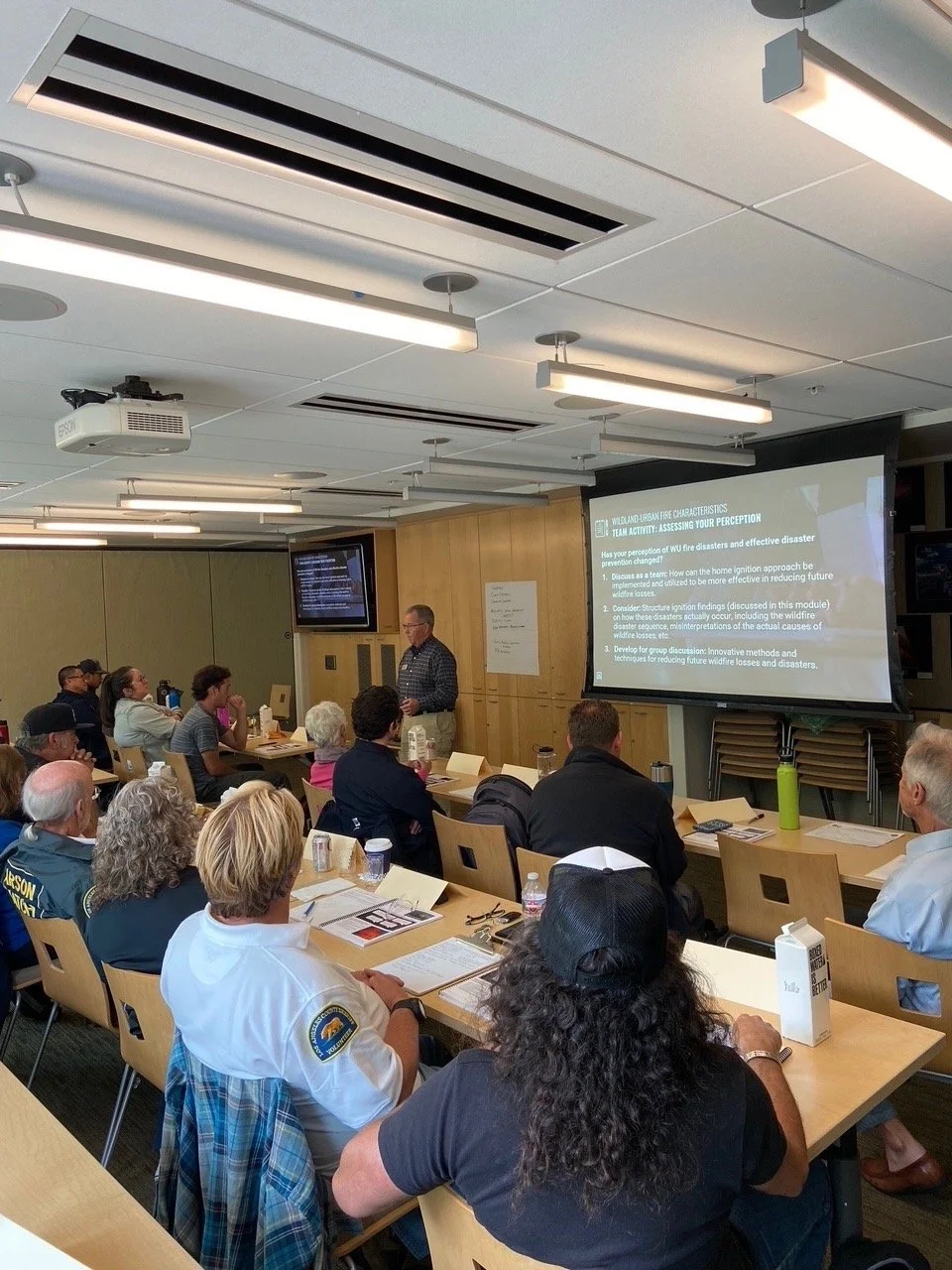
Malibu Wildfire Risk Assessment Training
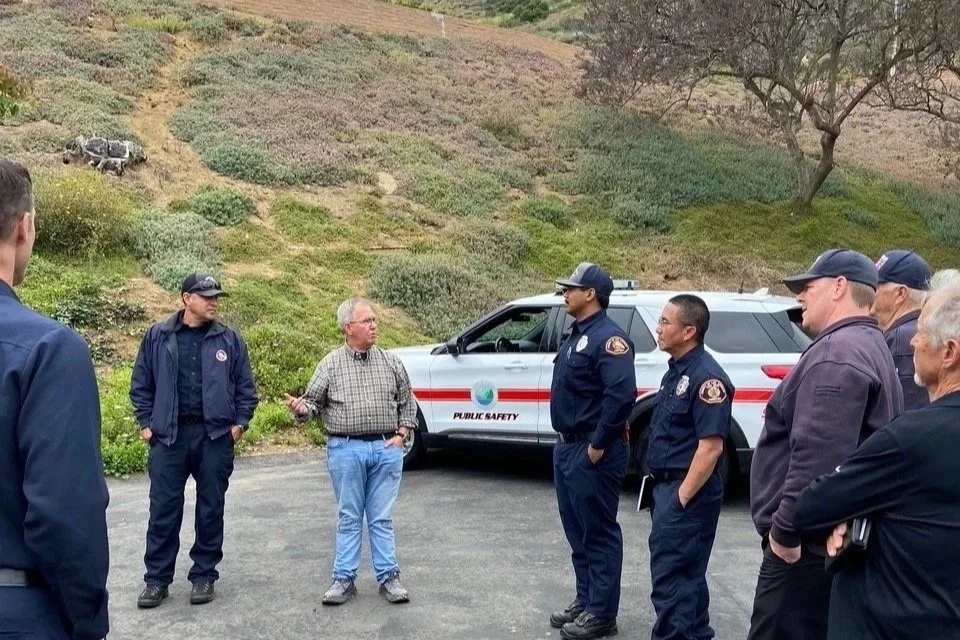
The City of Malibu used Wildfire Prevention Grants funding to host two National Fire Protection Association classes for 100 participants
Classes focused on identifying areas on and around the home that could ignite if struck by an ember from a nearby fire
In the year following the classes, the Palisades Fire blazed through the area. In the aftermath, the City discovered that a large portion of the homes that implemented the mitigation measures recommended by the course survived undamaged.
Discover more projects in your region
Read Southern California project profiles


California Natural Resources Agency
Amigos de Los Rios, a Southern California-based nonprofit, is using California Climate Investments funding received through the Urban Greening Program, administered by the California Natural Resources Agency, to create an Emerald Necklace, a 17-mile loop of parks and greenways connecting disadvantaged communities to urban green spaces. The nonprofit recently transformed the exterior of Mary Jackson Elementary School in Altadena and revitalized a section of the Rio Honda Bike Path, integrating native plants and natural infrastructure to capture carbon and filter groundwater.

California Air Resources Board
The Port of Los Angeles (POLA) has taken a significant step toward a greener future with the deployment of five brand-new Taylor ZLC 996 Electric Top Handlers. Supported by $2.5 million in California Climate Investments funding through the Clean Off-Road Equipment Voucher Incentive Project (CORE), this initiative marks a milestone in reducing greenhouse gas emissions and improving air quality in and around California ports.

California Department of Resources Recyling and Recovery
The Organics Grant Program began allocating California Climate Investments funding to in-vessel composting projects for the first time ever in its most recent solicitation. We were able to interview two grantees, from California State University – Sacramento (CSUS) and the University of Southern California (USC), about their projects and how in-vessel composting will change waste processing at their site and positively impact their communities.

With support from California Climate Investments, the California Conservation Corps (CCC) is reducing wildfire risks by removing hazardous fuels in Paradise, Lake Tahoe, and Arcadia as part of the Training and Workforce Development Program. Through fuels reduction projects, Corpsmembers have treated over 90 acres of fire-prone land, creating defensible space and improving community safety. These efforts not only protect residents but also provide young adults with hands-on experience in forestry and wildfire mitigation, preparing them for careers in fire management and conservation.

Since 2015, the City of Los Angeles (LA), in partnership with the LA Department of Transportation and the Mayor’s Office, has received a total of $4.7 million from CARB’s Clean Mobility Options program for a zero‑emission car share pilot project. This project, known as BlueLA, is operating in 13 underserved communities that face significant air quality burdens and have historically been excluded from environmental benefits. BlueLA provides a clean and affordable mobility option in these communities, which include Downtown, Pico Union, West Lake, and Koreatown.

California Strategic Growth Council
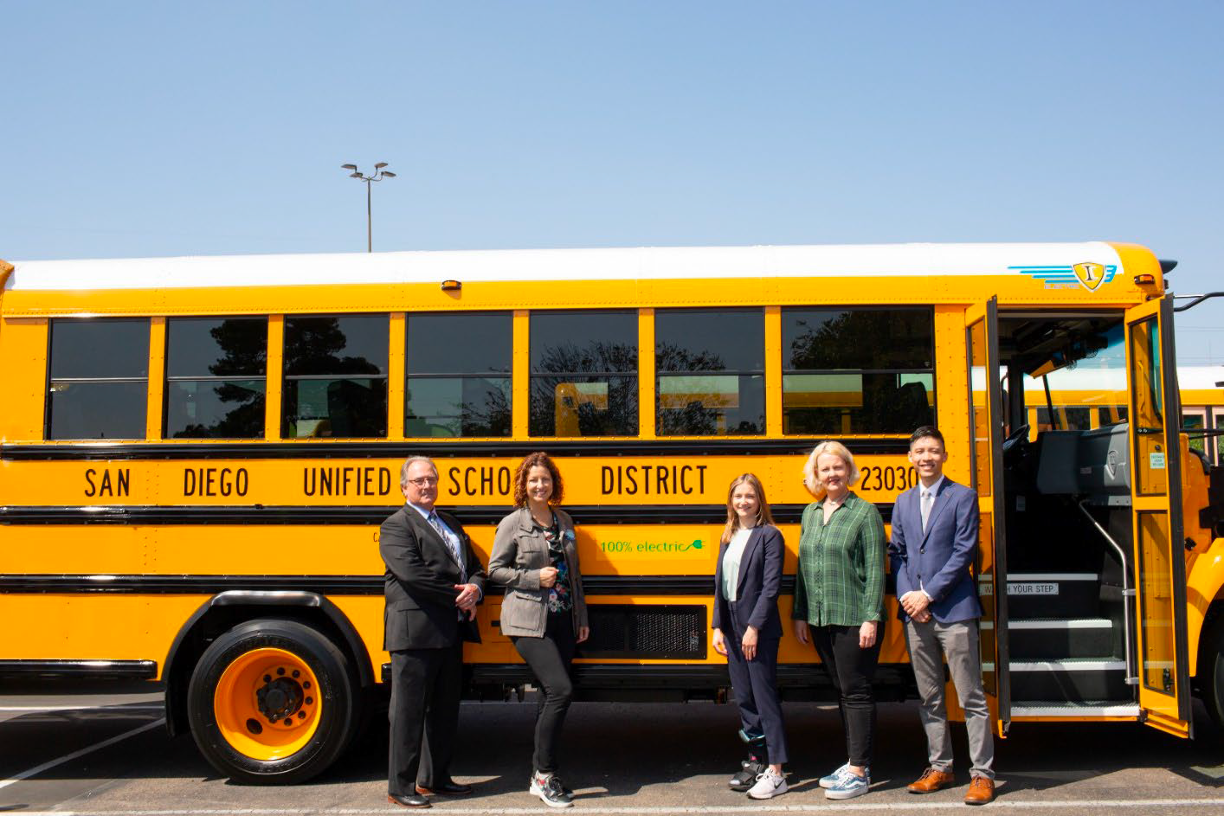
With funding from the Climate Change Research Program, PSE Healthy Energy is working with the Asian Pacific Environmental Network and Communities for a Better Environment to identify opportunities to build solar+storage resilience hubs at schools and community centers across California.

California Air Resources Board
With nearly $1 million in funds from the California Climate Investments Clean Mobility Options Voucher Pilot Program, the Los Angeles Cleantech Incubator, Housing Authority of the City of Los Angeles, and Pedal Movement are launching four e-bike hubs through Rancho San Pedro affordable housing’s shared ebike program, also known as the Good2Go Bikes program.

California Air Resources Board
Omnitrans is working with several partners to develop a community-driven transportation plan for the public transportation system in the San Bernardino Valley. Omnitrans is the public transportation provider for the San Bernardino Valley region. The ConnecTransit Plan will identify and prioritize clean transportation improvements that address hurdles to equity and access within the Omnitrans service area and that will reduce greenhouse gas emissions. The ConnecTransit Plan will provide a blueprint for future implementation projects for which Omnitrans will seek grant funds.

California Air Resources Board
Thanks to over $3 million from the Sustainable Transportation Equity Project, the City of Commerce has partnered with Climate Resolve and TreePeople to provide more clean transportation options to the city’s residents. Situated in southeast Los Angeles County in an area known for its commercial and industrial operations, Commerce has a history of providing free and reliable public transit service to its residents.

California Natural Resources Agency
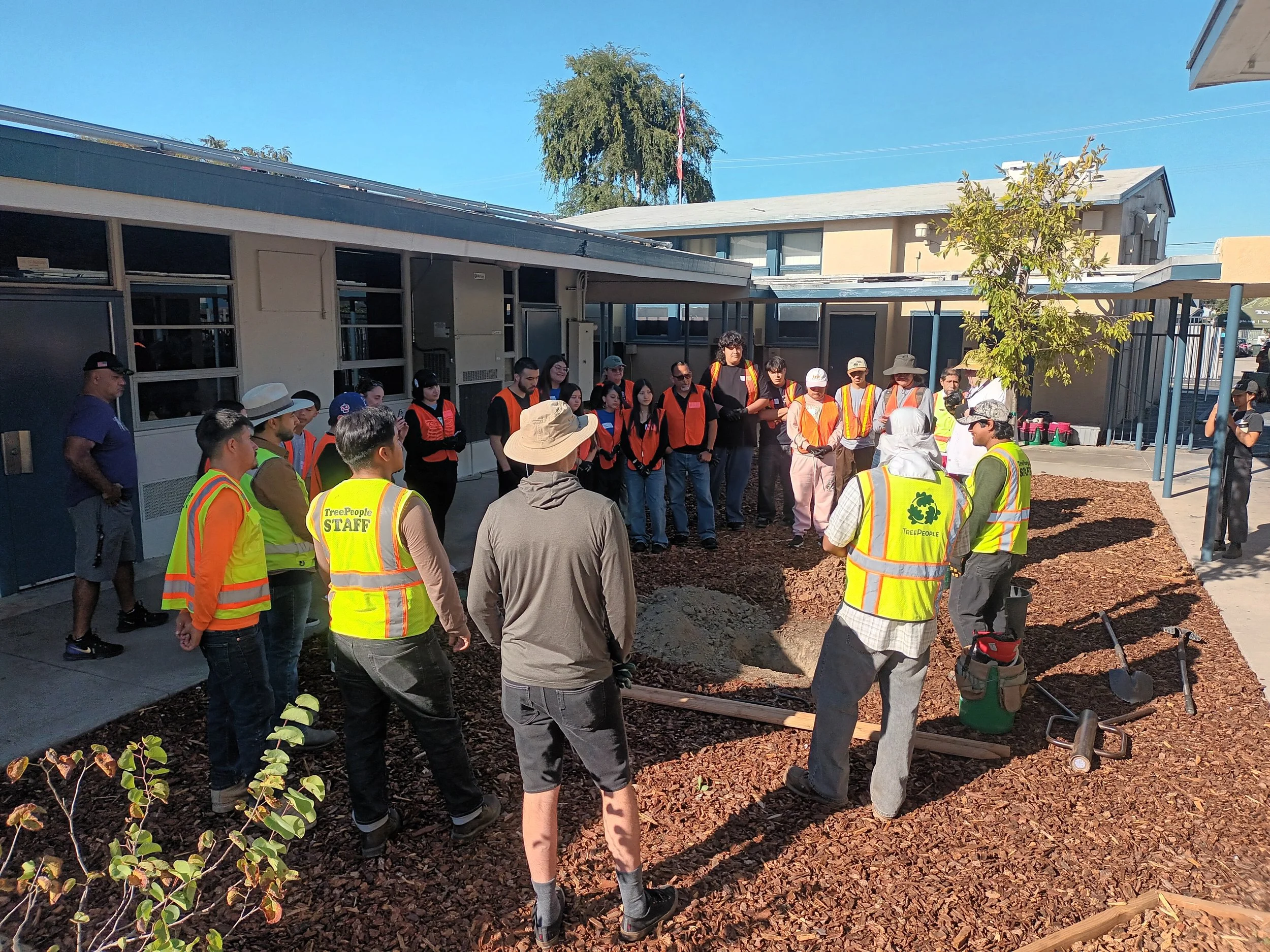
TreePeople is transforming Pacoima Middle School’s asphalt schoolyard into a more green, vibrant and healthy learning space. The Pacoima Living Schoolyards Project will bring native shade trees, shrubs, pollinator gardens, and outdoor nature-based education and play areas.

California Strategic Growth Council
72 affordable homes for families and veterans are now available in downtown Riverside. The Mission Heritage Plaza project is a partnership between Wakeland Housing and Development Corporation, the City of Riverside, and Riverside Transit Agency, working to reduce greenhouse gas emissions through transportation mode-shift and construction of affordable housing within the urban core of Riverside.

California Department of Forestry and Fire Protection
With a $100,000 grant from CAL FIRE’s Forest Health Research Program, Joelene Tamm a master's student at UC Riverside and Squaxin Island Tribal member, is partnering with the La Jolla band Luiseño Indians to investigate how indigenous cultural burning practices and traditional ecological knowledge can be used to support management of the invasive goldspotted oak borer, an invasive beetle.
California Department of Resources Recycling and Recovery
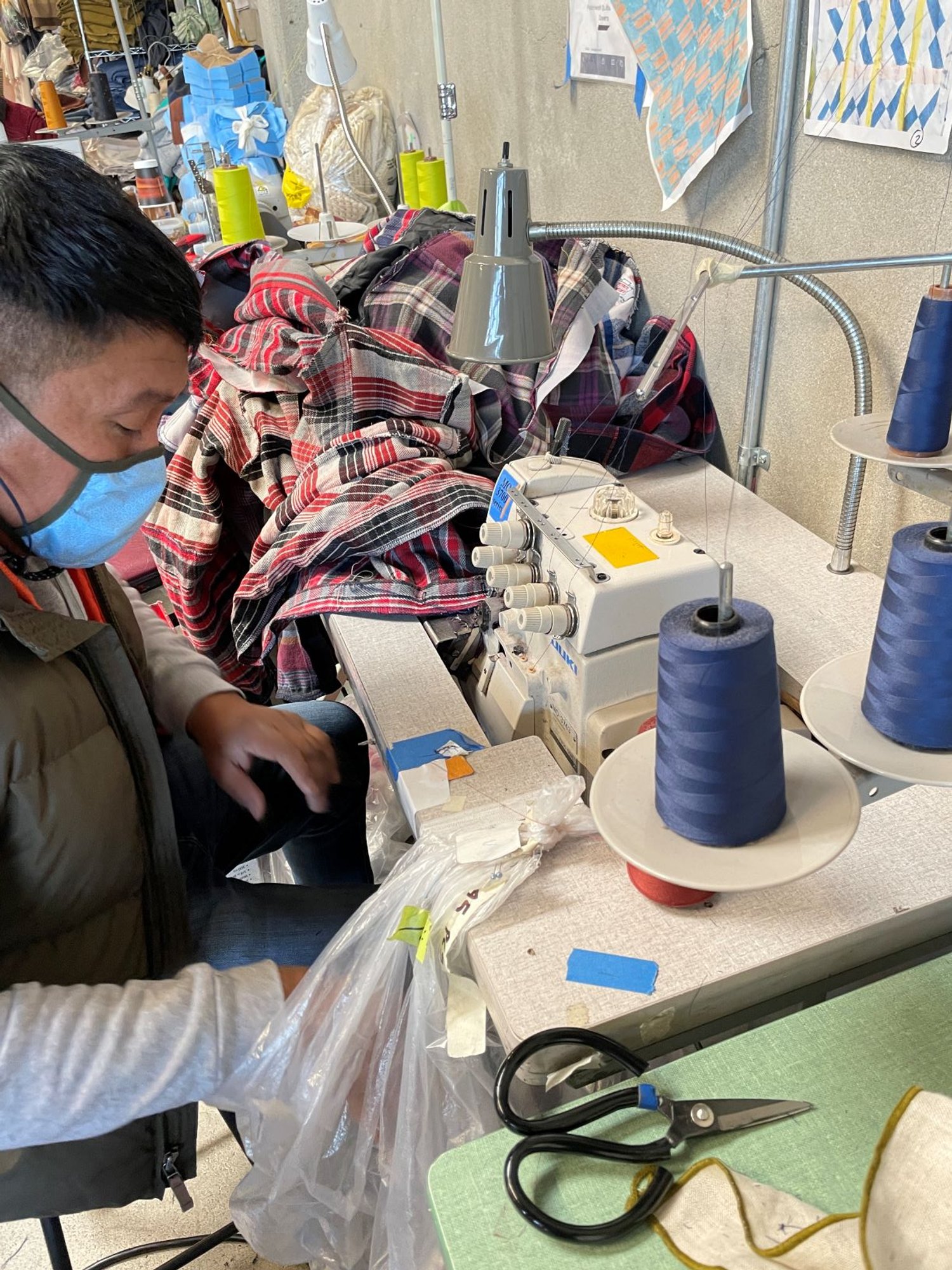
Thanks to $1,315,378 from the Recycled Fiber, Plastic and Glass Grant Program, Suay is expanding their operations diverting textiles from landfills. Suay is a closed-loop recycling operation in Los Angeles that collects used garments and cleans, repairs, and re-sews these textiles remaking them into new products. The finished products are repaired clothing and remade products, such as pillows and dog beds that use stuffing from shredded garments that could not be repaired.

The California Conservation Corps (CCC), in collaboration with CAL FIRE, American Forests, and the Mojave Desert Resource Conservation District, helped plant 70,000 seedlings in the San Bernardino Mountains. Supported by $200,000 in California Climate Investments funding, the project’s goal was to re-plant an area in and around the Eaton Scout Reservation in Cedar Glen. The project is the result of interagency coordination and collaboration and helped invest in Corpsmembers from underserved areas by providing information about tree planting and reforestation and providing them with experience in the mountains to help cultivate interests in forest health.
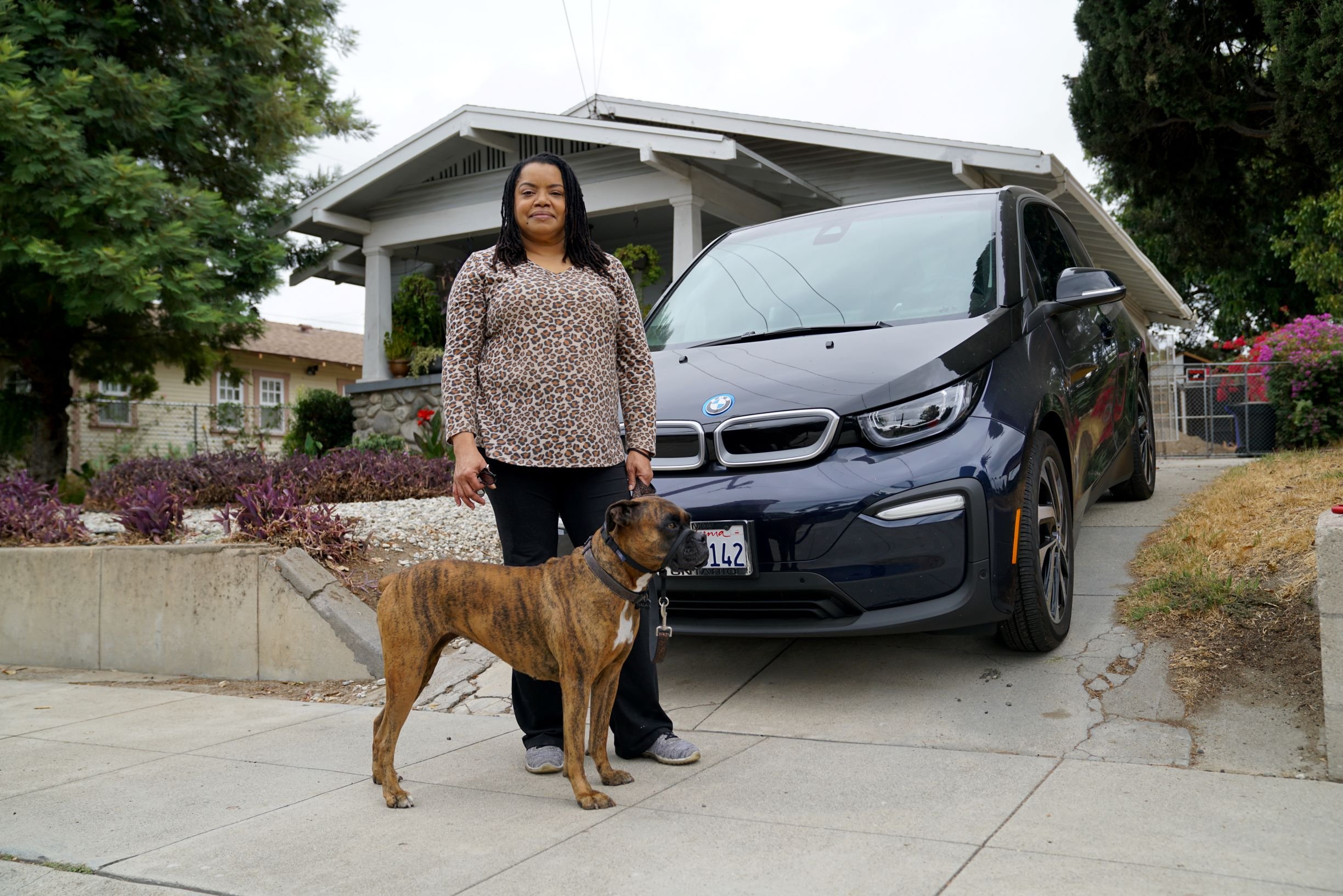
Thanks to $440,000 from California Climate Investments through Access Clean California, Latino and Latina Roundtable is connecting residents of environmentally and economically disadvantaged communities with benefits like electric vehicle incentives and solar power.


Kompogas SLO Inc. received $3 million through the Organics Grants program to build a high-solids anaerobic digester, to be known as the Lancaster Organic Waste Facility, at the existing Lancaster Landfill and Recycling Center in Antelope Valley. With this new anaerobic digester, Kompogas SLO Inc. will be able to process residential food and green waste collected by Waste Management Inc. throughout Antelope Valley, including in the cities of Lancaster and Palmdale, and turn it into renewable natural gas and high-grade compost.

Supported by $2.4 million from a $23 million Transformative Climate Communities implementation grant, a coalition of community members, non-profits, and public-sector agencies called Green Together, is working to build a new generation of air quality ambassadors in the Pacoima and Sun Valley communities of the San Fernando Valley. The Clean Air Ambassadors Program, established as part of the Green Together Community Engagement Plan, trains community youth organizers through workshops covering air quality monitoring, health, climate change and air pollution. Through the program, ambassadors learn how to collect and interpret data using scientific tools to measure local particulate matter pollution. Ambassadors also learn how to communicate air pollution principles and advocate for data-informed clean air solutions. In 2021, the Clean Air Ambassadors Program hosted its inaugural class of youth leaders.
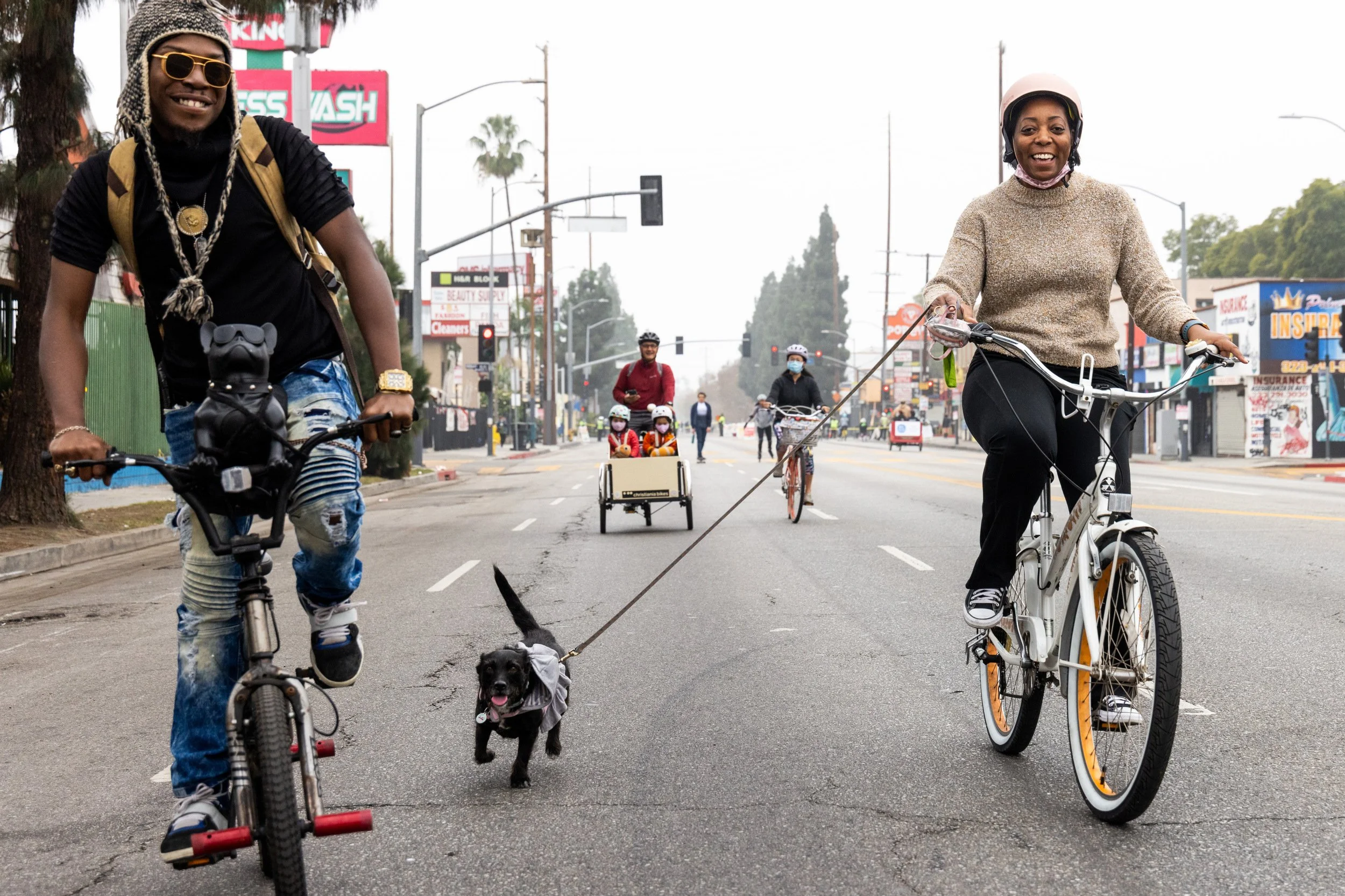
The Sustainable Transportation Equity Project (STEP) is designed to increase transportation equity in disadvantaged and low-income communities by funding planning and clean transportation projects and directly engaging community residents in clean transportation solutions. STEP achieves this via two grant types: Implementation Grants and Planning and Capacity Building Grants. Paid for by Cap-and-Trade dollars, the grants ultimately will help people get where they need to go — be it the doctor’s office or daycare — without using a personal vehicle.

With a $990,350 award from the Climate Change Research Program, the Resilient Restoration project – led by the Climate Science Alliance Tribal Working Group, University of California Riverside, and San Diego State University – is promoting Tribal resilience by developing knowledge and supporting actions that enhance persistence of cultural practices with a focus on preserving the ecosystems and species that are integral to Tribal communities.

The California Alliance for Community Composting (Alliance)is helping community groups develop or expand 50 community composting sites in disadvantaged and low-income communities across California using funds from the Community Composting for Green Spaces Grant Program. Altogether, these sites are expected to prevent nearly 11,000 tons of organic waste from going to landfills by creating compost, which prevents the release of greenhouse gases during its decomposition. The Alliance’s work will also provide communities with additional benefits, including free compost, job training, and more.

Funded in part by a nearly $1,000,000 grant from California Department of Forestry and Fire Protection’s Urban and Community Forestry Program, the Conservation Corps of Long Beach (CCLB) is implementing an urban wood recovery apprenticeship program that has the potential to be a model for other programs across California. This program is teaching Corpsmembers how to remove hazardous trees throughout the city, control insects and diseases, and divert woody biomass from landfills to help keep greenhouse gases sequestered in the wood. Additionally, trees will be replaced to mitigate poor air quality, a lack of urban green space, and improve storm water retention in disadvantaged communities. Ultimately, this program will provide a foundation for Corpsmembers interested pursuing jobs in urban forestry.

Thanks to $50,000 from the California Air Resources Board’s Fluorinated Gas Reduction Incentive Program, Stater Bros. Markets installed a climate-friendly refrigeration system at a new supermarket in Whittier that will result in a reduction of greenhouse gas emissions that is the equivalent to taking more than 1,000 vehicles off the road for one year. Since refrigerants are among the fastest growing climate pollutants worldwide it is important to have projects like this one to demonstrate that transitioning the grocery sector toward cleaner refrigerants is an effective strategy for mitigating climate change.

The adjacent ports of Long Beach and Los Angeles combined are the largest fixed sources of air pollution in the South Coast Air Basin, one of the most polluted air basins in the United States, in large part because the trucks and equipment used at the ports burn diesel fuel. Recognizing this, the Sustainable Terminals Accelerating Regional Transformation demonstration project was awarded $50 million to replace trucks and equipment with zero‑emission technology. The funding, which comes from California Climate Investments, supports the deployment of 102 pieces of zero‑emission terminal equipment and trucks at seaports across California, including at the ports of Los Angeles and Long Beach. These funds are also supporting the development of new, cleaner tugboats; the deployment of two container vessels with cleaner‑burning engines; and advanced workforce development programs to support sustainable goods movement across California.
Interested in bringing more projects to Southern California?
Apply! Your first stop to learn more is to explore programs.


Who is eligible?
A number of implemented California Climate Investments projects span multiple geographic boundaries (e.g., a transit bus line or large forestry project crossing county lines). While most projects can be tied to one project address, where it is not feasible to associate a project with a single region, district, or county, the same project data is included in each area that benefits from the investment. This method of attribution tends to increase the implemented project totals reported here. See the Project List for a more detailed explanation of the methodology the California Air Resources Board uses to evaluate projects that cross geographic boundaries.
About Us
California Climate Investments uses billions of Cap-and-Invest dollars to fund projects that reduce harmful emissions, protect public health, strengthen local economies, and support natural environments. With a strong focus on communities most impacted by pollution and limited access to resources, California Climate Investments help build a more equitable and sustainable future - particularly in disadvantaged and low-income communities.
Contact Us
1-800-757-2907 | info@caclimateinvestments.ca.gov | @CAClimateInvest