

Each year, hundreds of Californians work to improve the health and wellbeing of their communities by spearheading California Climate Investments projects, which are designed to support a more sustainable, more resilient future. Learn what these projects have accomplished in the Bay Area counties of Alameda, Contra Costa, Marin, Napa, San Francisco, San Mateo, Santa Clara, Solano, and Sonoma.
Cumulative Investments in the Bay Area
As of October 31, 2025
$3.7 billion total implemented funds
24% of statewide California Climate Investments funding
162,138 projects
$2.7 billion benefiting priority populations
71% of funds benefiting priority populations
3,743,461 MTCO2e estimated GHG emissions reductions
20,326 tons estimated criteria air pollutant reductions
2025 Achievements
Reporting period: Dec 1, 2024 – Oct 31, 2025
$517 million in newly implemented funds
1,860 new projects
What does this mean for you?
Here is some of what our 2025 grantees are bringing to the region:
606 new affordable housing units;
Over 2,000 new trees planted;
Over $575 million in energy cost savings
Bay Area California Climate Investments in Action
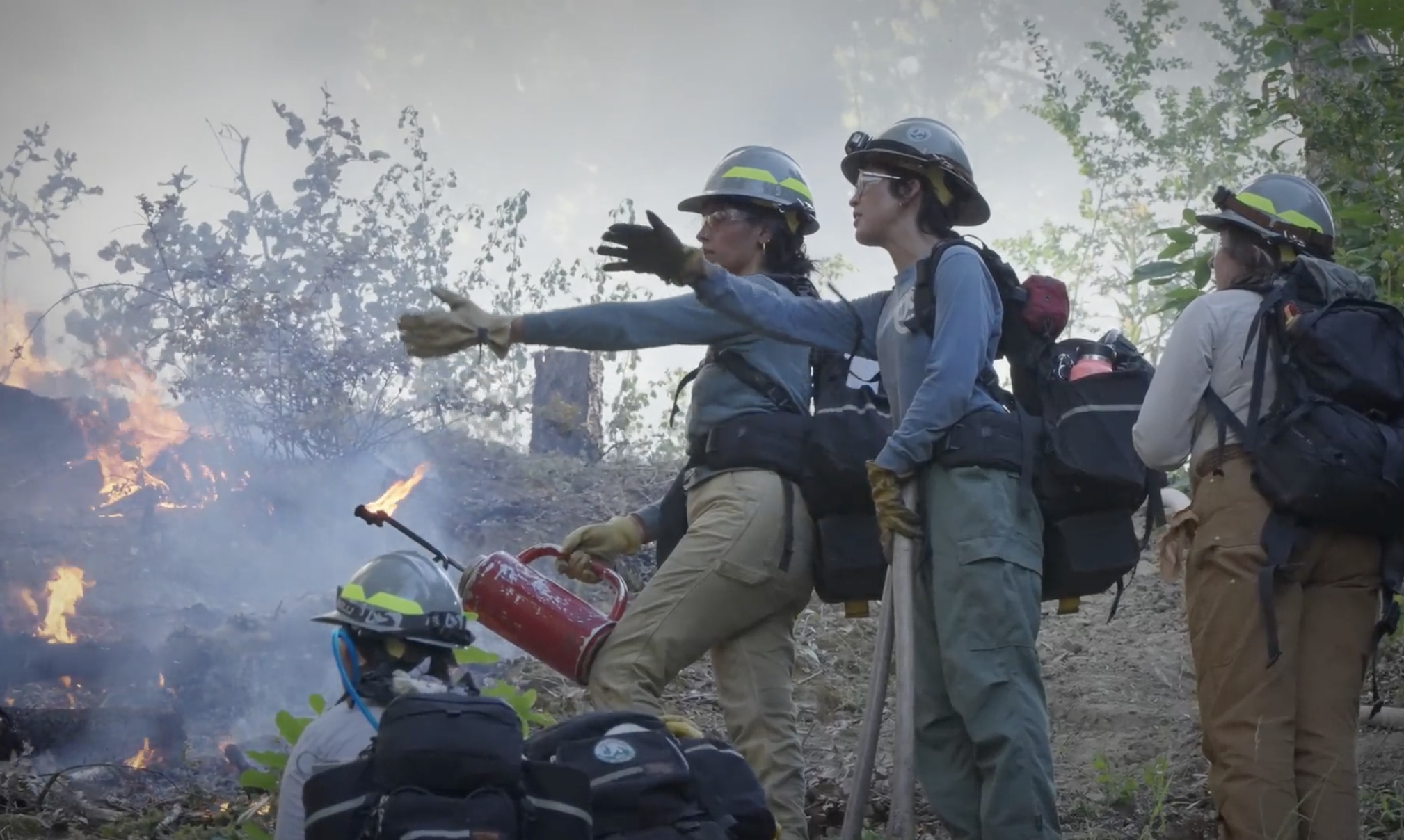
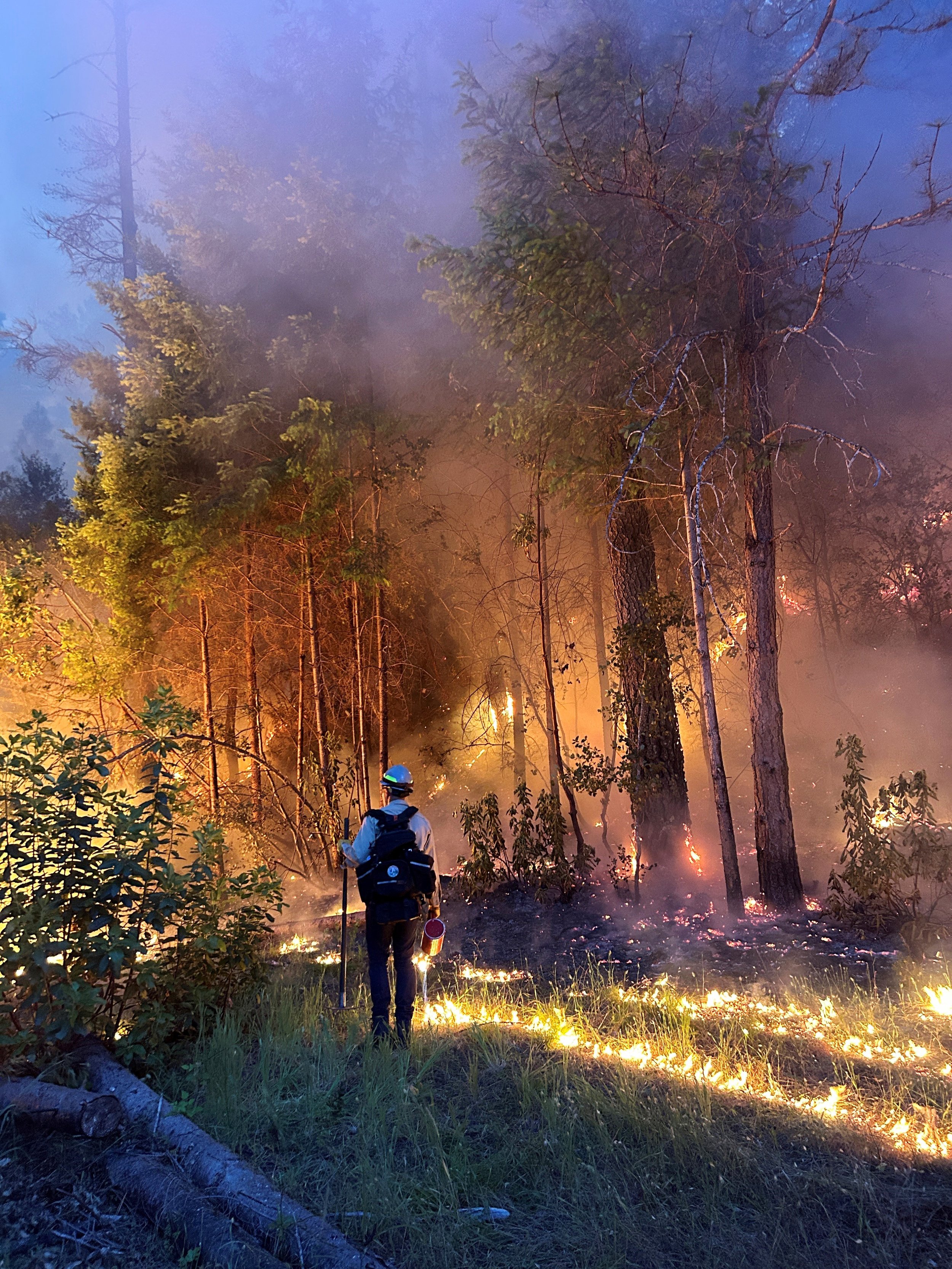
Shelterwood Collective, a Black- and Indigenous-led nonprofit, received a $4.9 million Forest Health grant to restore a 900-acre Sonoma County forest
The forest, which is home to old growth redwoods, oak woodlands, and creeks that run into the Russian River, had been mismanaged for decades, leaving it vulnerable to wildfire
With the grant funds, the Collective has been able to conduct prescribed burns, thin overly dense vegetation, and restore native species to the landscape, reducing the risk of severe wildfire
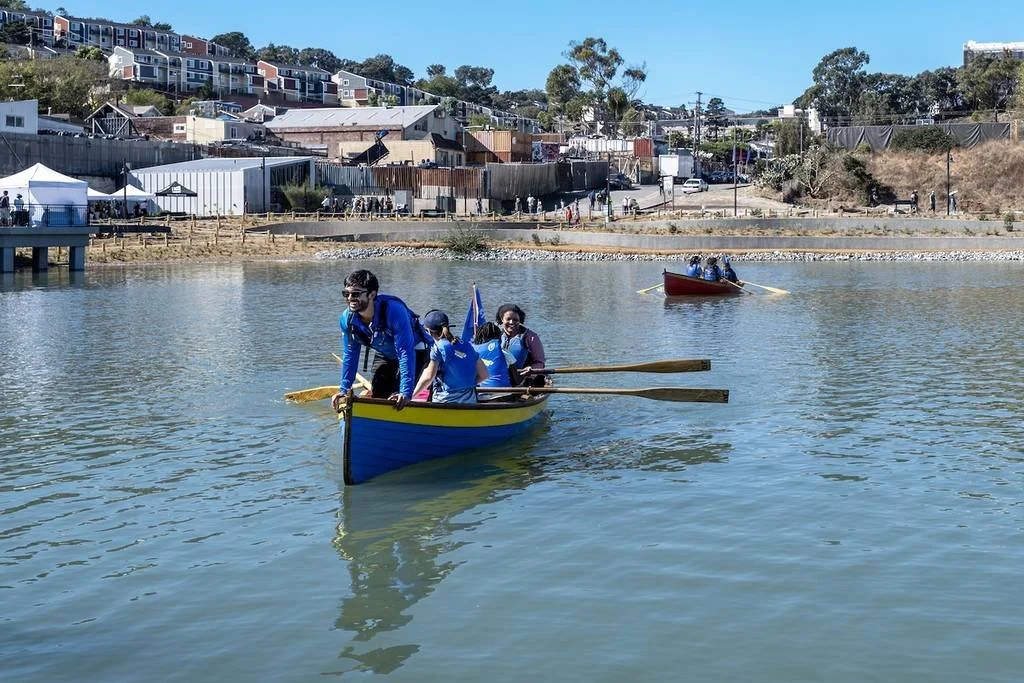
In September 2023, the San Francisco Recreation and Parks Department received a $5.1 million grant to transform a former industrial site in the Bayview Hunters Point neighborhood
The site now contains an acre of green space and restored tidal marsh habitat, along with community gathering spaces
The park is designed to be resilient to climate change, with native plant gardens, a living shoreline, restored wetland habitat, and floating docks
Discover more projects in your region
Read Bay Area project profiles


California Department of Food and Agriculture
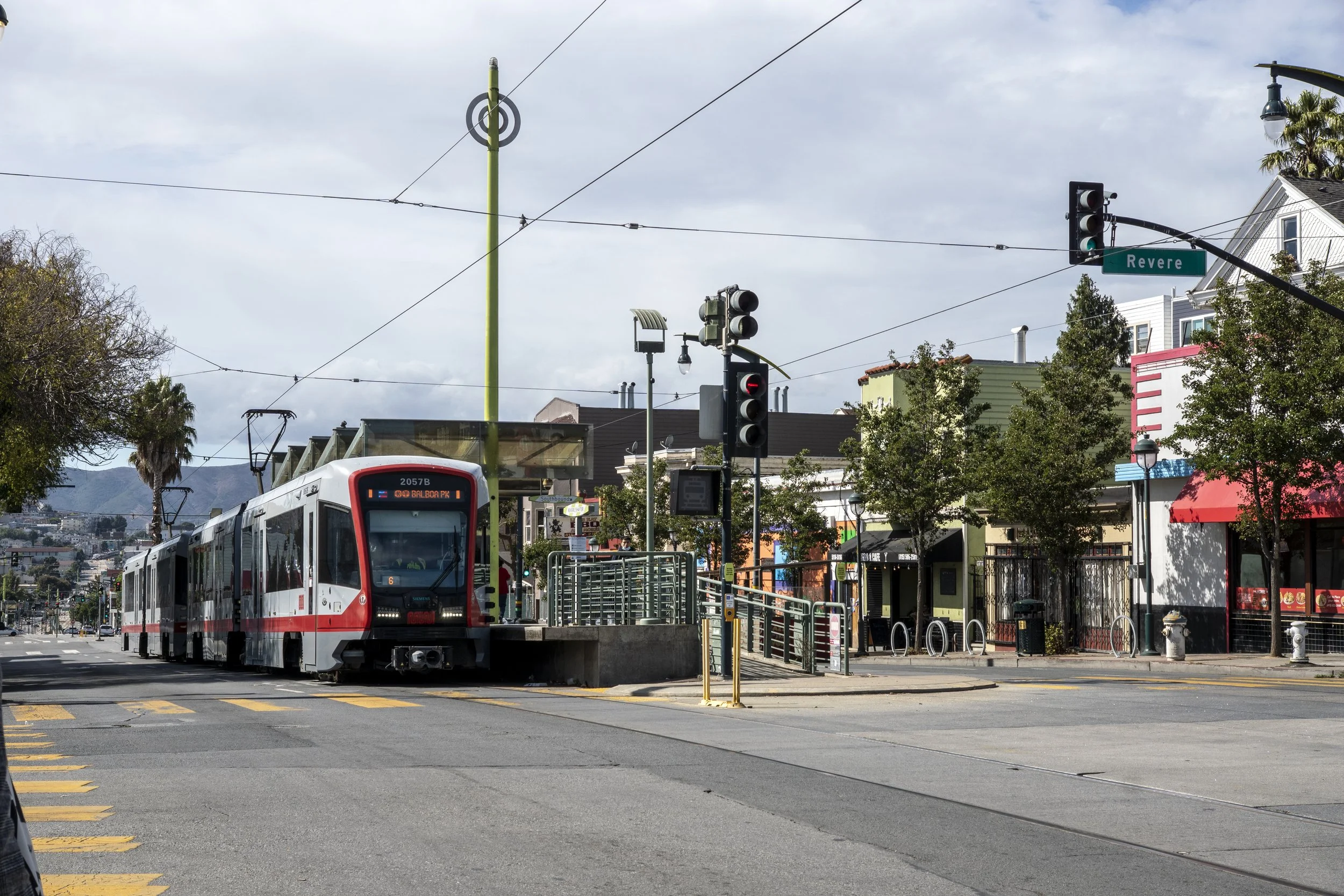
The Triple C Dairy Compost Barn and Solid Separation Project received California Climate Investments funding in 2019 through the Alternative Manure Management Program (AMMP). Triple C Ranch, an organic dairy located in Sonoma County, used the funding to install a new compost bedded pack barn to house a portion of the herd during winter months, automate scrape collection of manure from barn alleyways, and add a solid-liquid separator that would reduce the amount of collected manure entering anaerobic storage.

California Air Resources Board
California Climate Investments funding has supported the deployment of over 1,100 zero-emission school buses at over 300 public school districts and local education agencies across the state. In both rural and urban communities across California, school districts are operating more zero-emission fleets, supporting the health and safety of students and reducing fleet operating costs.
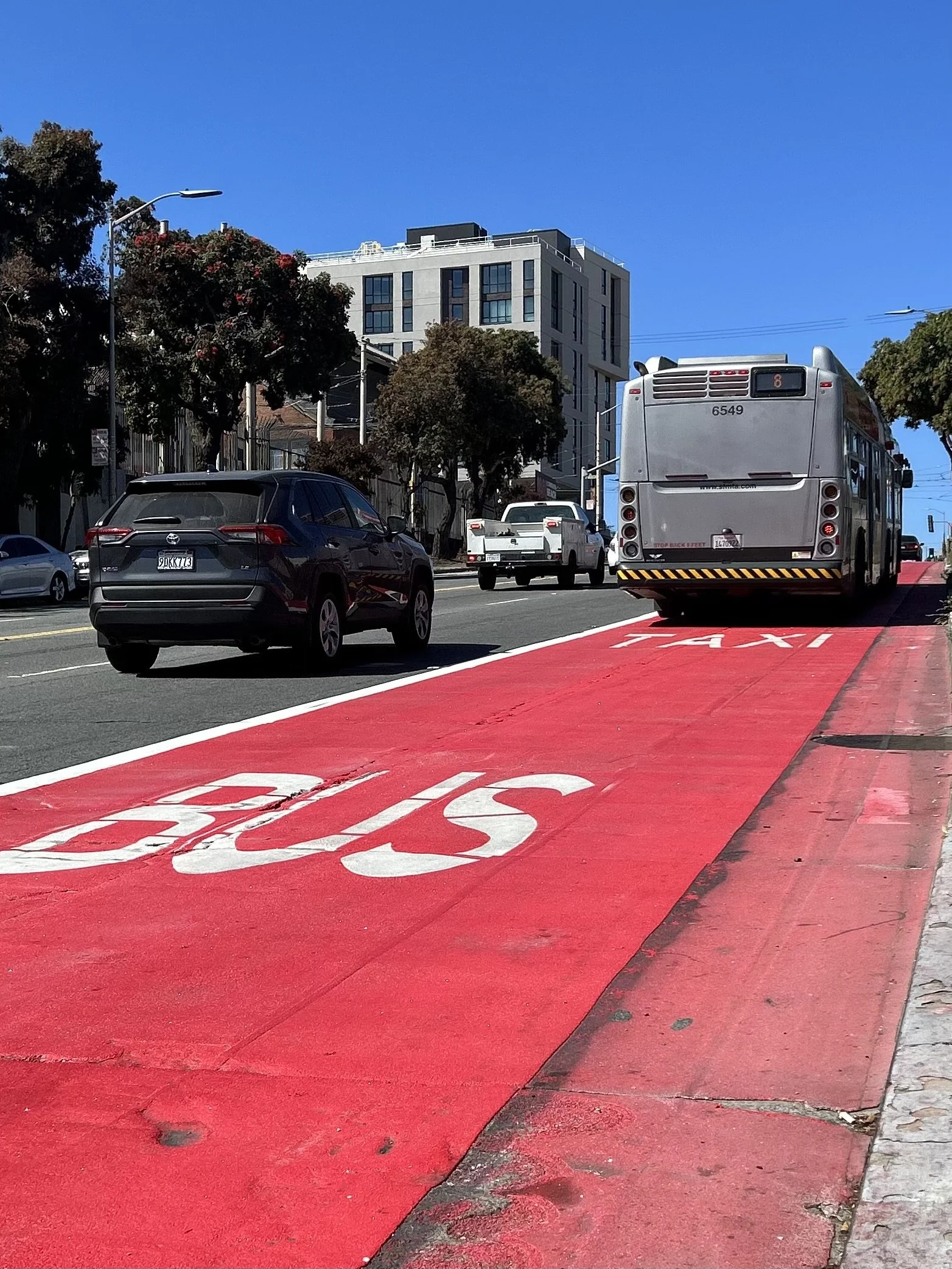
In October 2023, the City of San Francisco’s Balboa Park Neighborhood held a ribbon cutting for 131 new affordable homes adjacent to the Balboa Park Bay Area Rapid Transit (BART) Station, known as Kapuso at the Upper Yard. These homes were built thanks to
$29.9 million from SGC’s Affordable Housing and Sustainable Communities (AHSC), in its fifth round of funding. The AHSC program funds the construction of affordable housing near transit as a key strategy to reduce GHG emissions by reducing vehicle miles traveled, and Kapuso at the Upper Yard is a key example of the need for this work.

California Strategic Growth Council
With funding from the Climate Change Research Program, PSE Healthy Energy is working with the Asian Pacific Environmental Network and Communities for a Better Environment to identify opportunities to build solar+storage resilience hubs at schools and community centers across California.

California Natural Resources Agency
The Cesar Chavez Living Schoolyard project transformed an unshaded asphalt-covered schoolyard into a vibrant, tree-covered, park-like setting in a critically an underserved neighborhood in East Oakland. The site hosts two elementary schools, and their more than 600 students now enjoy a real grass play field, an expanded learning garden featuring an outdoor classroom and fruit orchard, a dry creek, a nature-play zone, as well as pollinator-attracting landscape areas, expanded seating and gathering options, and 65 new trees

California Air Resources Board
Thanks to funding from California Air Resources Board’s FARMER program, the Bay Area Air Quality Management District (BAAQMD) is funding some of the first zero‑emission agricultural tractor demonstration projects in the state. BAAQMD and CARB recently awarded $1 million to manufacturers to produce seven zero‑emission tractors which are now in operation at The Mushroom Farm LLC, Old School Vineyards LP, Arroyo Lindo Vineyards, Crocker Estate, and Wente Vineyards.

California Department of Forestry and Fire Protection
A $2.5 million grant from CAL FIRE’s Forest Health Program is supporting the San Mateo Resource Conservation District (RCD) and a network of regional partners in their efforts to improve forest resilience, increase carbon sequestration, and reduce wildfire risk to vulnerable communities in the Santa Cruz Mountains.

San Francisco Bay Conservation and Development Commission
With support from Climate Resilience Program, the Adapting to Rising Tides project at the San Francisco Bay Conservation and Development Commission is providing research, guidance, tools, and staff support to help Bay Area agencies and organizations understand, communicate, and begin to resolve complex climate change issues.

The California Department of Resources Recycling and Recovery (CalRecycle) awarded $488,635 of California Climate Investment funds to Habitat for Humanity East Bay/Silicon Valley, Inc. as part of the first cycle of the Reuse Grant Program. This project is diverting wood products from landfills to their ReStore retail stores for reuse by the community. Habitat for Humanity East Bay/Silicon Valley, Inc. is a nonprofit, donation-based collection, and resale operation with three sites in Oakland, Concord, and San Jose, serving the San Francisco Bay Area.

California Air Resources Board
Thanks to $12 million from the Advanced Technology Demonstration and Pilot Projects and $29 million in match funding from multiple project partners, the NorCAL Zero-Emission Regional and Drayage Operations with Fuel Cell Electric Trucks (NorCAL Zero) Project will support the largest commercial deployment of Class 8 hydrogen-powered fuel cell trucks in the country. These zero-emission trucks will improve the air quality of communities between Oakland and Bakersfield by displacing diesel-fueled trucks that emit harmful air pollutants.

Supported by $3.57 million from the Greenhouse Gas Reduction Fund, the California Department of Food and Agriculture’s Climate Smart Agriculture initiative provides technical assistance to help farmers find funding and implement projects that support their work while helping to achieve the State’s climate goals. These funds, which were leveraged by California Department of Food and Agriculture and the Strategic Growth Council, support 10 Community Education Specialists, a group of technical experts with the University of California Division of Agriculture and Natural Resources. Since 2019, these Community Education Specialists have assisted over 850 farmers and ranchers across the State with applications to programs under the Climate Smart Agriculture initiative.

In 2019, the Capitol Corridor Joint Powers Authority, in partnership with California Department of Transportation’s Division of Mass Transit, was selected by the Bay Area Air Quality Management District to receive $7.4 million from the Community Air Protection program to help replace two diesel-powered locomotives with two new Siemens Charger Tier 4 locomotives. These locomotives are now operating on the Capitol Corridor line from Auburn-Sacramento to Silicon Valley and run through disadvantaged and low-income communities in San Francisco, Oakland, Berkeley, and more. The new locomotives achieve a 90 percent reduction in particulate matter emissions and an 80 percent reduction in oxides of nitrogen emissions compared to the old, higher-polluting locomotives.
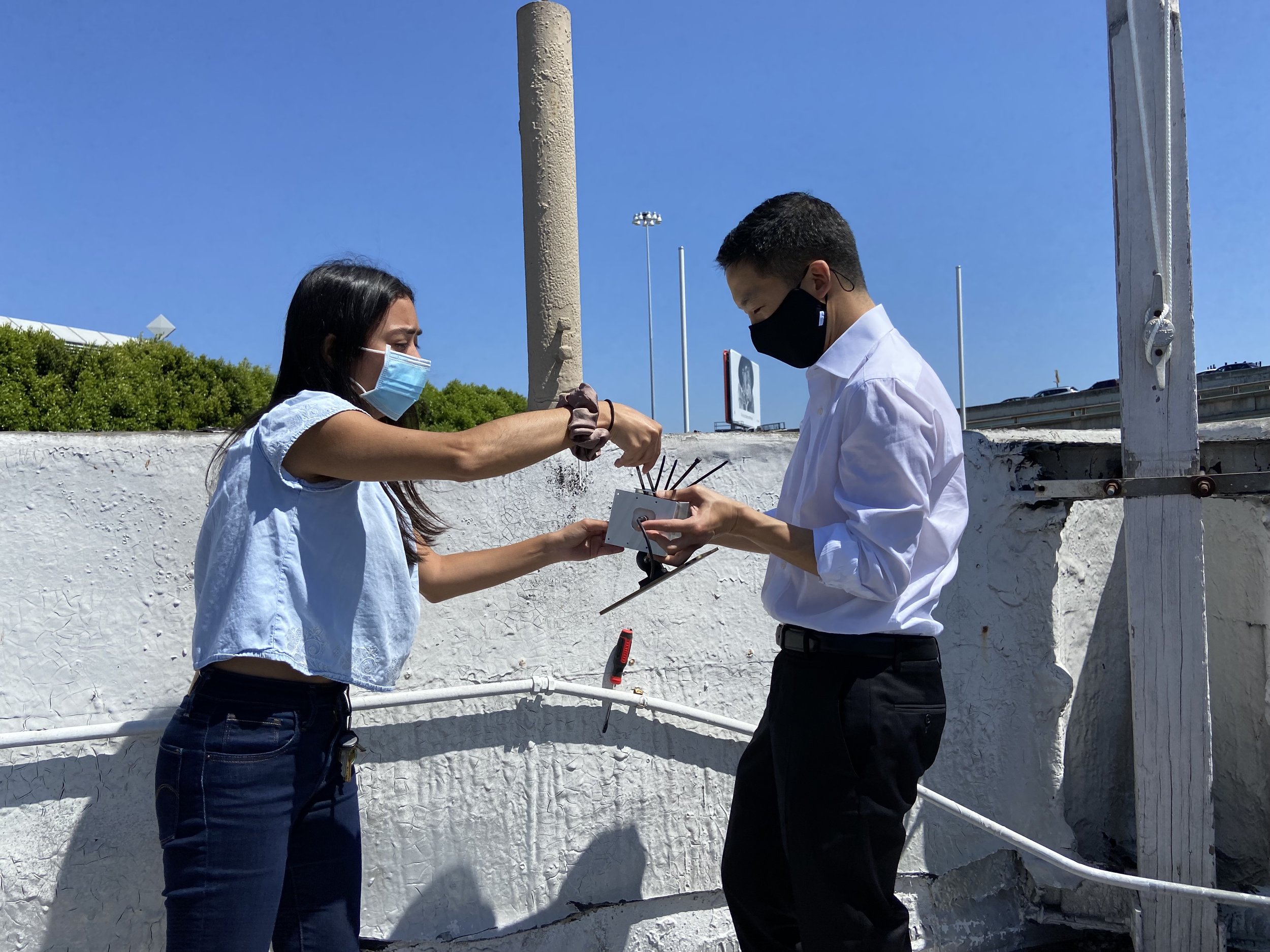
Brightline Defense, an environmental justice nonprofit organization, was awarded $300,000 from the Community Air Grants program to support the Brightline Air Quality Monitoring Program. This community-driven program that will install, collect, and analyze data from 15 stationary air quality sensors in heavily populated, low-income communities throughout Eastern San Francisco. The data these sensors collect are publicly available and can be used to help shape programs and policies to create cleaner air in these communities.

Supported in part by nearly $23 million award from the Affordable Housing and Sustainable Communities Program, Resources for Community Development (RCD) will provide 87 affordable rental homes in the city of Berkeley through the Maudelle Miller Shirek Community project. In addition to large, family-sized apartments and permanent supportive housing for formerly homeless residents, the ground floor of the building will become the headquarters of Healthy Black Families, Inc., a South Berkeley-based nonprofit dedicated to the health of Black families in the community. This project will help Black families and formerly homeless individuals live healthier lives and receive health services through on-site programs and services offered by Healthy Black Families, Inc.,, RCD’s resident services, and the City of Berkeley Mental Health department and third-party service providers.

Thanks in part to over $4 million in funds from the Transit and Intercity Rail Capital Program, the Solano Transportation Authority has linked underserved parts of the cities of Vallejo and Fairfield to regional public transit services. This funding is supporting the $10.8 million Solano Regional Transit Initiative (SRTI), which is providing residents in Solano county with increased access to faster, more efficient transit options that reduce greenhouse gas emissions while connecting them to employment, health, educational, and other facilities that can improve their quality of life.

Thanks to a $780,000 grant provided by the Sustainable Agricultural Lands Conservation (SALC) program, the Santa Clara Valley Open Space Authority (the Authority), in partnership with the Santa Clara Valley Transportation Authority and the Santa Clara County Planning Department, were able to purchase a 60-acre farm located in the Coyote Valley of Santa Clara County. This purchase adds to Coyote Valley’s growing network of protected lands and helps combat climate change by protecting prime farmland from being converted to more carbon-intensive land uses. This purchase also furthers the implementation of the comprehensive Santa Clara Valley Agricultural Plan finalized in January 2018, which Andrea Mackenzie, General Manager of the Authority defined as “a roadmap to protecting the multiple benefits that our region’s remaining farmlands and working lands provide.” This plan was also made possible by an award from the SALC program.

The Association of California Community and Energy Services partner agencies replaced 1,090 washing machines and 855 dishwashers with water- and energy-efficient machines . These energy and water savings will continuously provide cost savings across various communities in Kern, Madera, Contra Costa, Kings, San Francisco, and Merced counties and other low-income homes in San Mateo, Shasta, and Tehama counties.

With $4.1 million from California Natural Resources Agency’s Urban Greening program, this project is helping bring the community’s vision to fruition and will benefit thousands of community residents. The project will create a safe and green public space where neighbors can come together and a designated route for residents to bike and walk in a safe environment.

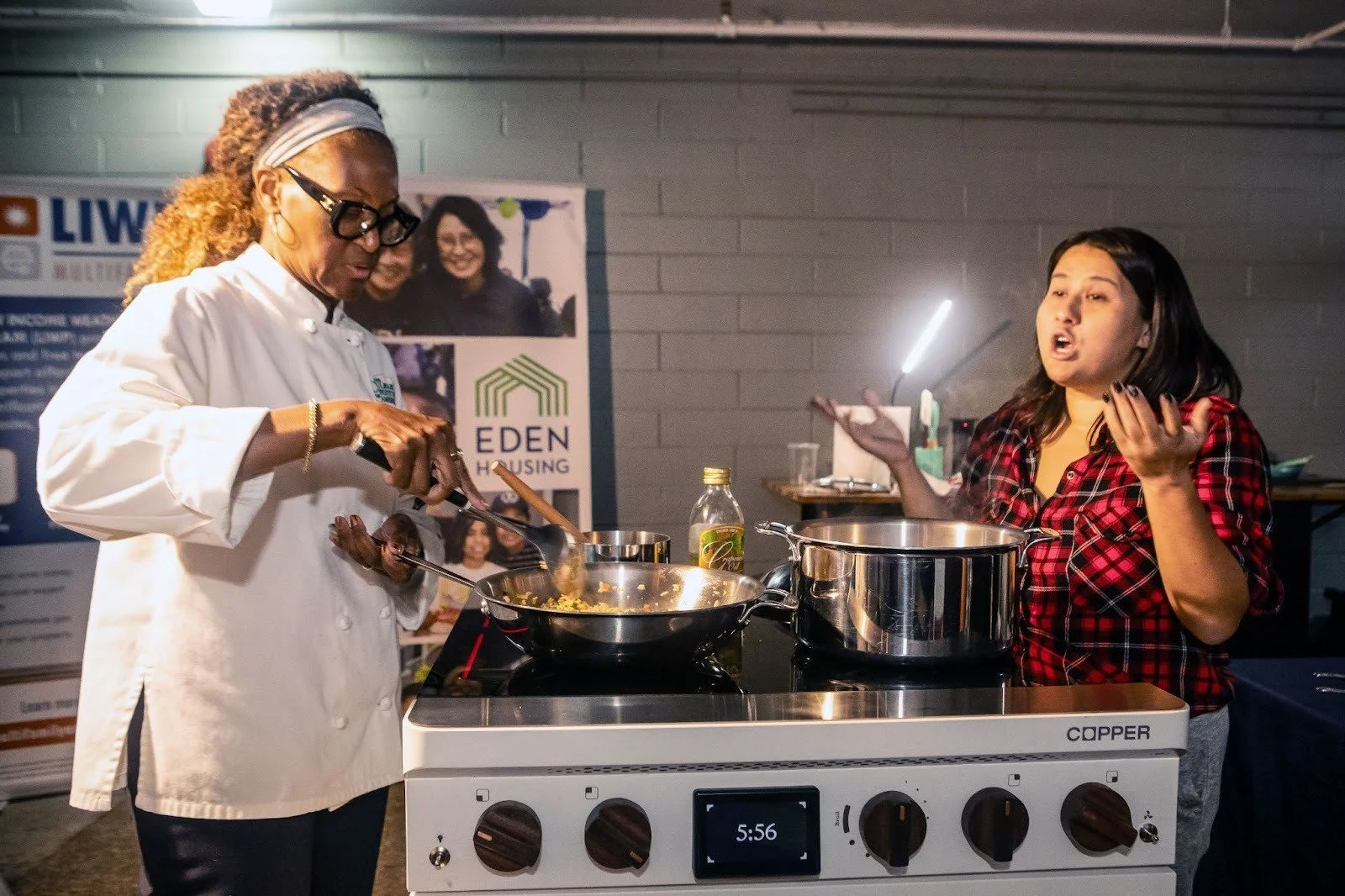
The Tenderloin Neighborhood Development Corporation’s (TNDC) commitment to help San Francisco’s low‑income communities thrive by building affordable housing was energized by an electrification project at its SOMA Studio and Family Apartments (SOMA Apartments) in 2020. The effort is supported by a $633,000 award from California Climate Investments through the Department of Community Services and Development’s Low Income Weatherization Program’s (LIWP) Multi‑Family component. With that money and contributions from other local energy efficiency programs, TNDC kept utility bills low for residents while electrifying major central building systems and reducing greenhouse gas emissions. Built in 2003, the SOMA Apartments include 162 homes with more than 60 percent of its households classified as extremely low‑income (earning less than 30 percent of the area median income).

The High Speed Rail Authority continues to use the cleanest equipment available to reduce its emissions, plant trees near the rail line to sequester carbon, and create jobs to provide opportunities and job skills to disadvantaged workers.

The California High-Speed Rail Authority, the city of San Mateo, and the Peninsula Corridor Joint Powers Board are creating a grade separation project at East 25th Avenue, which will raise the Caltrain tracks and slightly lower East 25th Avenue in San Mateo, reducing idling traffic and air pollution, and improving safety.

Replate, Inc., a nonprofit food rescue organization that matches surplus food from businesses with communities in need, has received two grants from CalRecycle totaling $800,000 to recover edible food that would have otherwise been sent to a landfill.
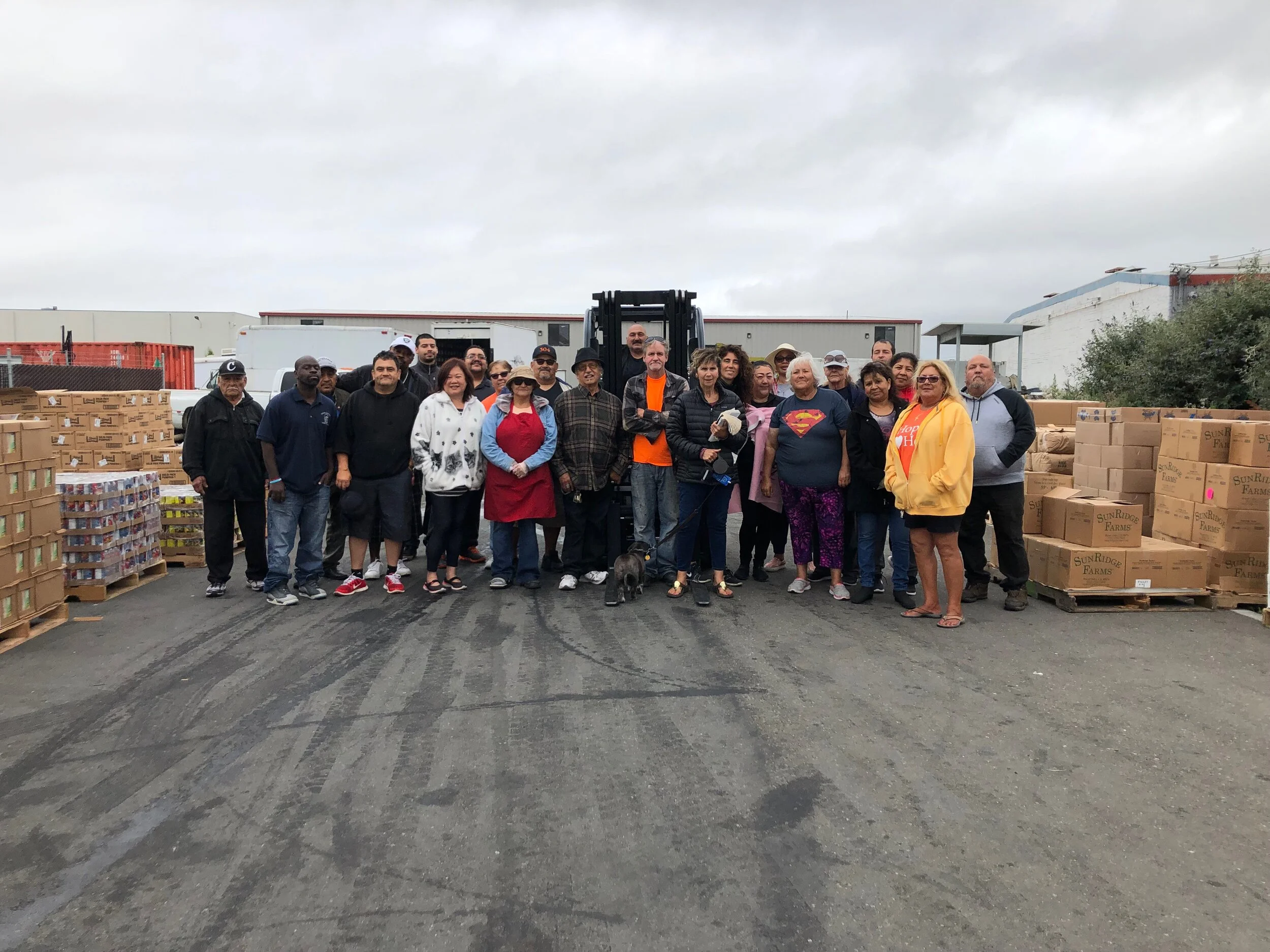
Twenty years ago, Hope 4 the Heart began providing food rescue services to their Hayward, California community and surrounding areas. In 2019, they received $329,766 from California Climate Investments through the Food Waste Prevention and Rescue Grant Program.

The Community Housing Development Corporation, a community‑based organization in Richmond, received over $6.5 million from California Climate Investments for a pilot project to assist with the purchase of newer, cleaner cars in low‑income households in Sacramento and the Bay Area. The pilot project, known as Driving Clean Assistance Program, provides up to $5,000 for hybrid or plug‑in electric vehicle price buy‑down and up to an additional $2,000 for electric vehicle service equipment. The pilot enables low‑income individuals and families, who would otherwise not qualify for a loan due to credit challenges, to obtain a loan at competitive rates. This transformative initiative includes credit counseling, budget counseling, and financial education.

Neighborhoods and highways near the State’s busiest ports will soon benefit from an influx of 44 heavy-duty Class 8 zero-emission trucks thanks to CARB’s California Collaborative Advanced Technology Drayage Truck Demonstration Project.
Interested in bringing more projects to the Bay Area?
Apply! Your first stop to learn more is to explore programs.


Who is eligible?
A number of implemented California Climate Investments projects span multiple geographic boundaries (e.g., a transit bus line or large forestry project crossing county lines). While most projects can be tied to one project address, where it is not feasible to associate a project with a single region, district, or county, the same project data is included in each area that benefits from the investment. This method of attribution tends to increase the implemented project totals reported here. See the Project List for a more detailed explanation of the methodology the California Air Resources Board uses to evaluate projects that cross geographic boundaries.
About Us
California Climate Investments uses billions of Cap-and-Invest dollars to fund projects that reduce harmful emissions, protect public health, strengthen local economies, and support natural environments. With a strong focus on communities most impacted by pollution and limited access to resources, California Climate Investments help build a more equitable and sustainable future - particularly in disadvantaged and low-income communities.
Contact Us
1- 800-757-2907 | info@caclimateinvestments.ca.gov | @CAClimateInvest