

Low Carbon Transit Operations Program
California Department of Transportation (Caltrans)
What does it fund?
Operating and capital assistance for transit agencies to reduce GHG emissions and improve mobility, with a priority on serving disadvantaged communities.
Who is eligible for funds?
The State Controller’s Office provides a list of transportation planning agencies and transit operators that are eligible for State Transit Assistance Funds. There are nearly 200 eligible recipients throughout California.
How does this program provide benefits to priority populations?
Transit agencies whose service areas include a disadvantaged community are required to expend at least 50 percent of their apportionment on projects that benefit a disadvantaged community.
How do I access funds?
Transit agencies are awarded funds based on a noncompetitive, formula-based list prepared by the State Controller’s Office.
Funding Timeline
Visit the program webpage for updates.
____
By statute, the LCTOP program is appropriated 5% of the proceeds of each quarterly auction. These appropriated funds are then allocated annually to transit agencies via an established formula. This results in a temporary gap between appropriated and implemented funds each year.
Benefits to priority populations shown here account for statutory investment minimums in SB 535 and AB 1550. In addition to these investment minimums, SB 862 requires that, for transit agencies whose service areas include disadvantaged communities, at least 50 percent of their LCTOP funds must benefit those disadvantaged communities. Cumulatively, 89 percent of implemented LCTOP funds benefit disadvantaged communities.
Project Profiles
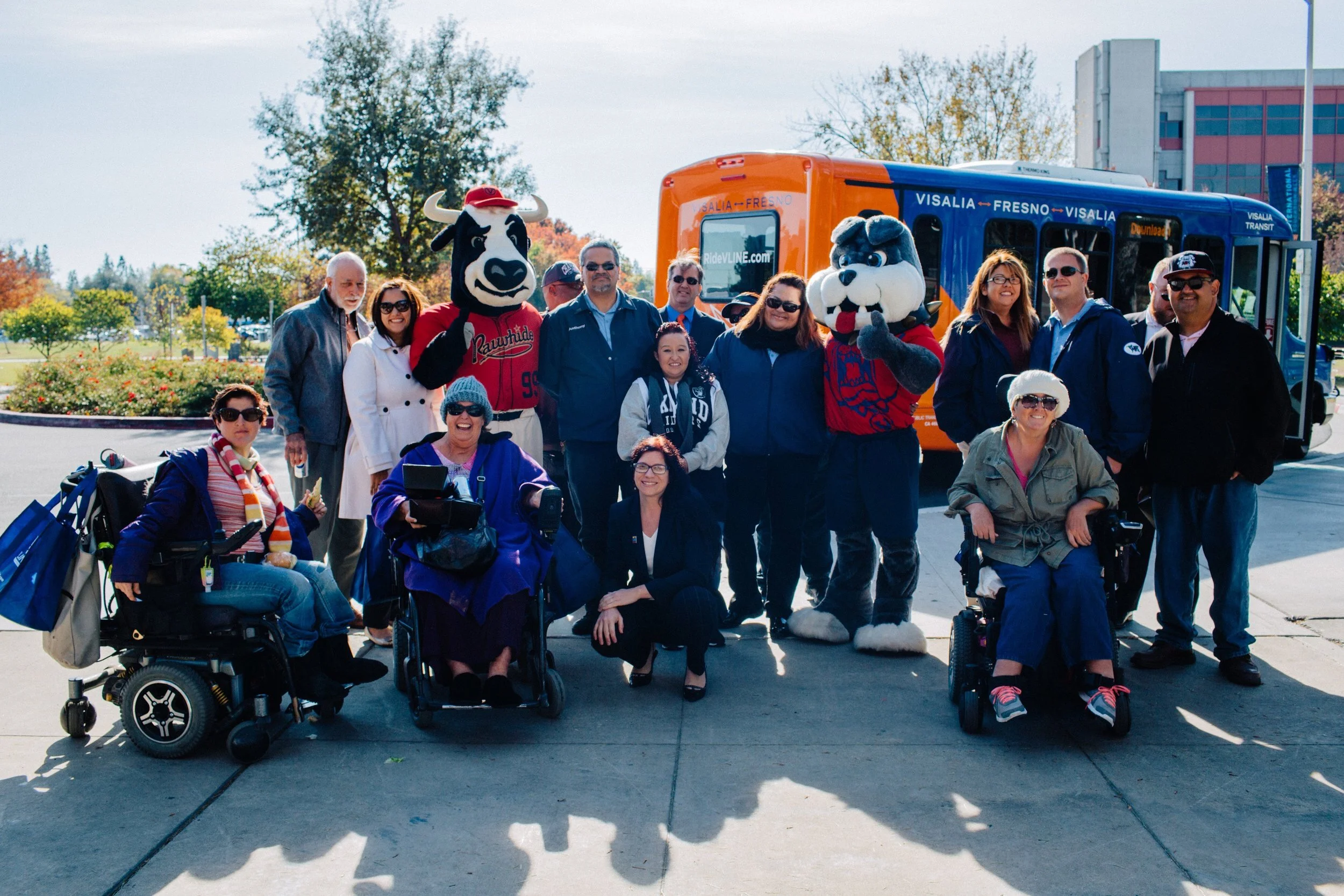
Read stories of projects funded by this program.


Cumulative Statistics
As of October 31,
implemented
benefiting priority populations
MTCO2e estimated GHG emissions reductions
projects implemented
Other Expected Benefits
Achievements
implemented
MTCO2e GHG emissions reductions
benefiting disadvantaged communities
benefiting disadvantaged communities
benefiting low-income communities
benefiting other areas of California